

Q&A
- +1
Amr Hamzawy, Andrew Leber, Eric Lob, …
{
  "authors": [
    "Marwan Muasher"
  ],
  "type": "legacyinthemedia",
  "centerAffiliationAll": "dc",
  "centers": [
    "Carnegie Endowment for International Peace",
    "Malcolm H. Kerr Carnegie Middle East Center"
  ],
  "collections": [
    "Arab Awakening"
  ],
  "englishNewsletterAll": "menaTransitions",
  "nonEnglishNewsletterAll": "",
  "primaryCenter": "Carnegie Endowment for International Peace",
  "programAffiliation": "MEP",
  "programs": [
    "Middle East"
  ],
  "projects": [],
  "regions": [
    "Middle East",
    "North Africa",
    "Egypt",
    "Gulf",
    "Levant",
    "Maghreb"
  ],
  "topics": [
    "Political Reform",
    "Democracy"
  ]
}
Source: Getty
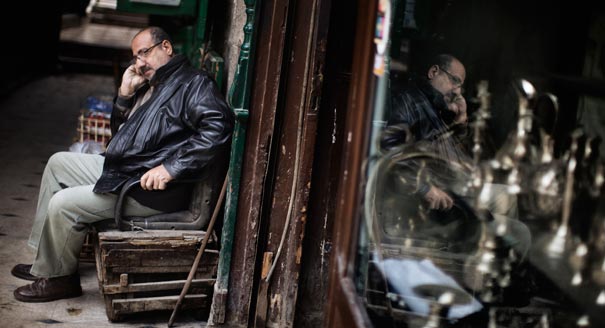
Pluralism is a necessary precondition for people to move towards inclusive, democratic societies that will tolerate different points of views and lay the groundwork for prosperity and stability.
Source: KQED Radio
“I think the Arab world has been living in an era of artificially induced stability… stability that was brought about by closing the political space,” said Carnegie’s Marwan Muasher, speaking on KQED Radio. “Now that the lid has been lifted, naturally we’re not going to see this transformation and historical process unfold in a short three years.” Speaking about his new book, The Second Arab Awakening and the Battle for Pluralism, Muasher argued that the current process underway in the Arab world will not unfold linearly, smoothly, or quickly, and depending on the circumstances, different countries will have different results because the Arab world is not monolithic.
“Without people adopting pluralism as the operating system, they’ll have no chance at arriving at a stable society,” Muasher explained. Pluralism is a necessary precondition for people to move towards inclusive societies that will tolerate different points of views and lay the groundwork for prosperity and stability, he said. “There are no shortcuts to democracy. Democracy is not going to emerge overnight just because authoritarian governments have been deposed. There are prerequisites to democratic cultures,” Muasher maintained, and while institutions that ensure democractic societies must be put in place, the transformation will take decades.

Vice President for Studies
Marwan Muasher is vice president for studies at Carnegie, where he oversees research in Washington and Beirut on the Middle East. Muasher served as foreign minister (2002–2004) and deputy prime minister (2004–2005) of Jordan, and his career has spanned the areas of diplomacy, development, civil society, and communications.
Recent Work



Amr Hamzawy, Andrew Leber, Eric Lob, …
Marwan Muasher
Carnegie does not take institutional positions on public policy issues; the views represented herein are those of the author(s) and do not necessarily reflect the views of Carnegie, its staff, or its trustees.

China’s political future will be shaped between now and next October. As the Communist Party enters its intense “campaign season” to prepare for a major political transition in 2027, reading Beijing's actions and responses may become more difficult as domestic politics weigh on its behavior more than usual.

Damien Ma
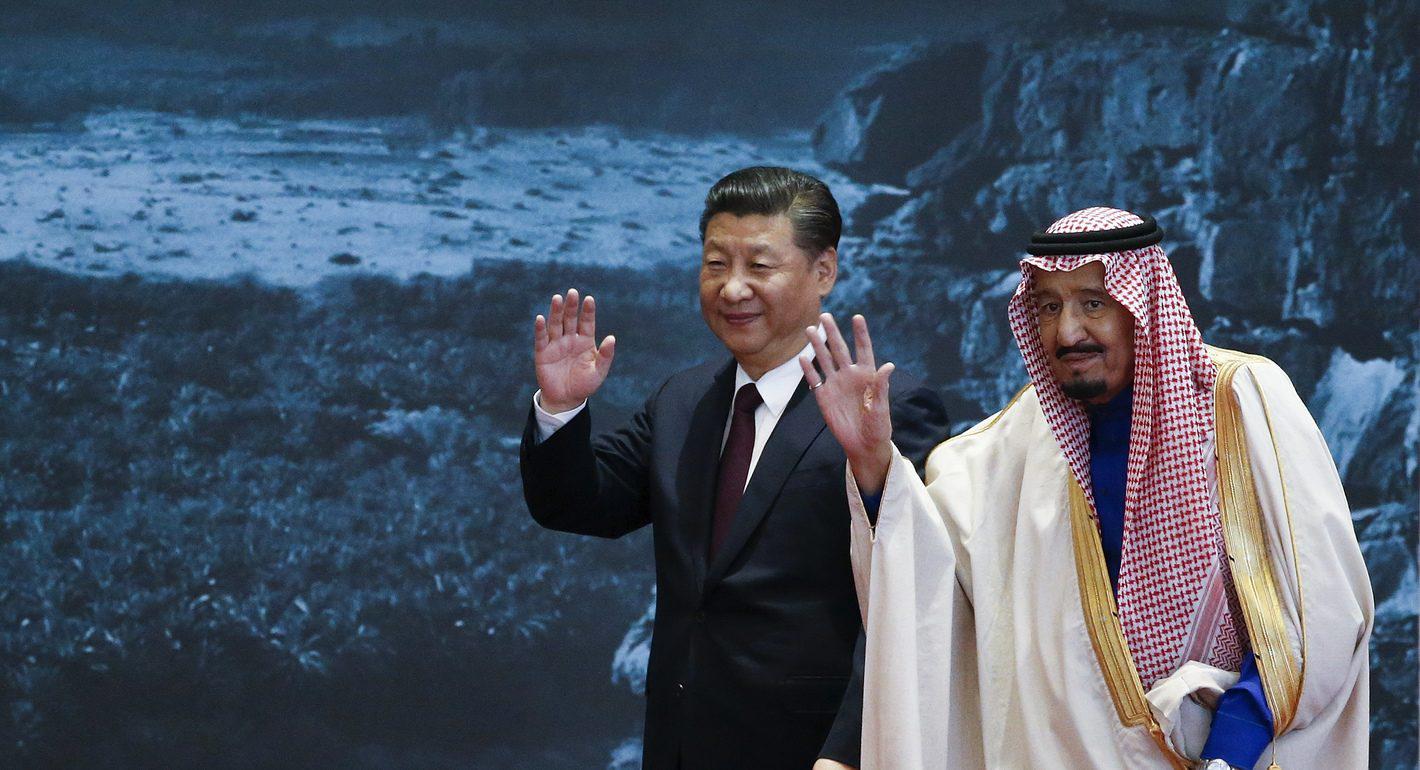
The advantage that China has over other global powers, especially America, is that its foreign policy is closely aligned with those of many of the Middle Eastern countries.


Jin Liangxiang, Maha Yahya, Hesham Alghannam
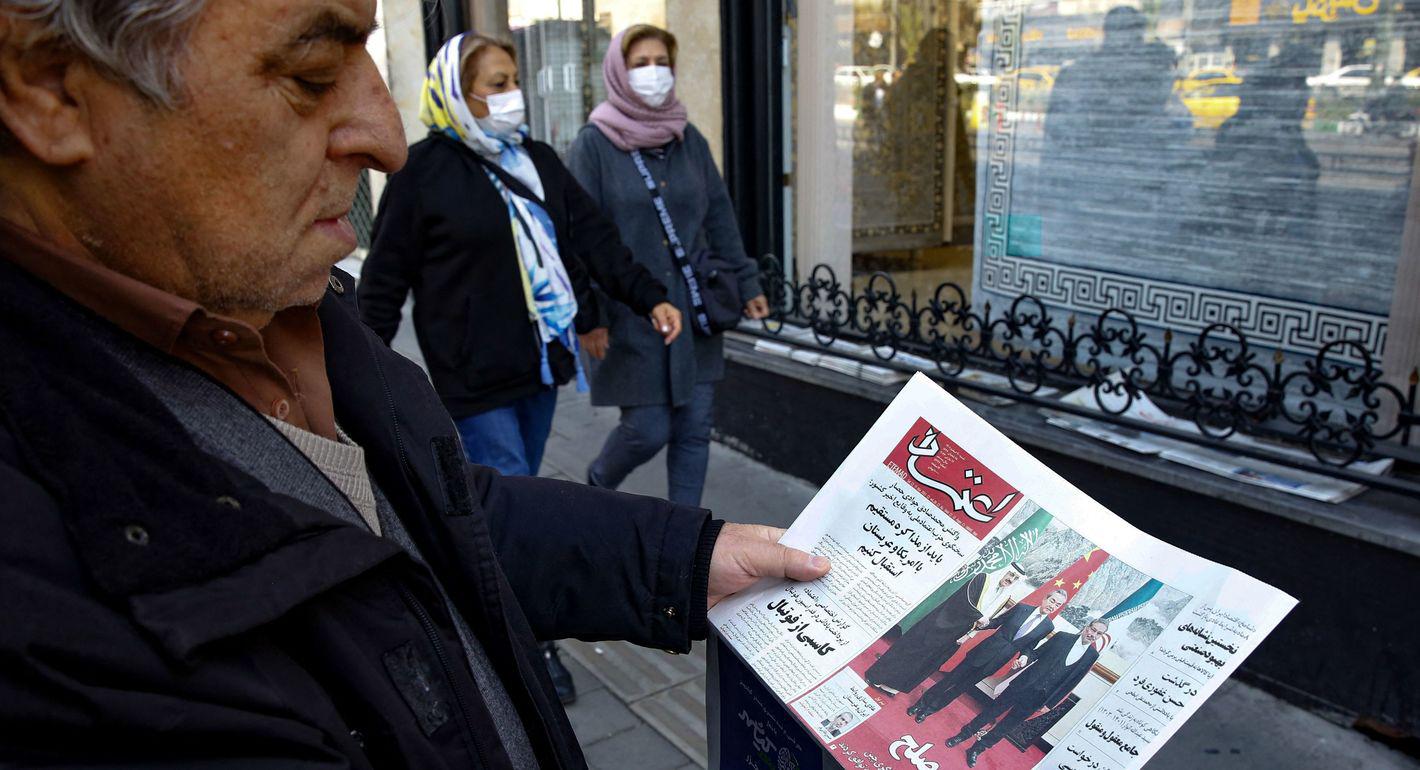
Transactional relationships are stable but can be shallow.

Paul Haenle, Maha Yahya, Benjamin Ho, …
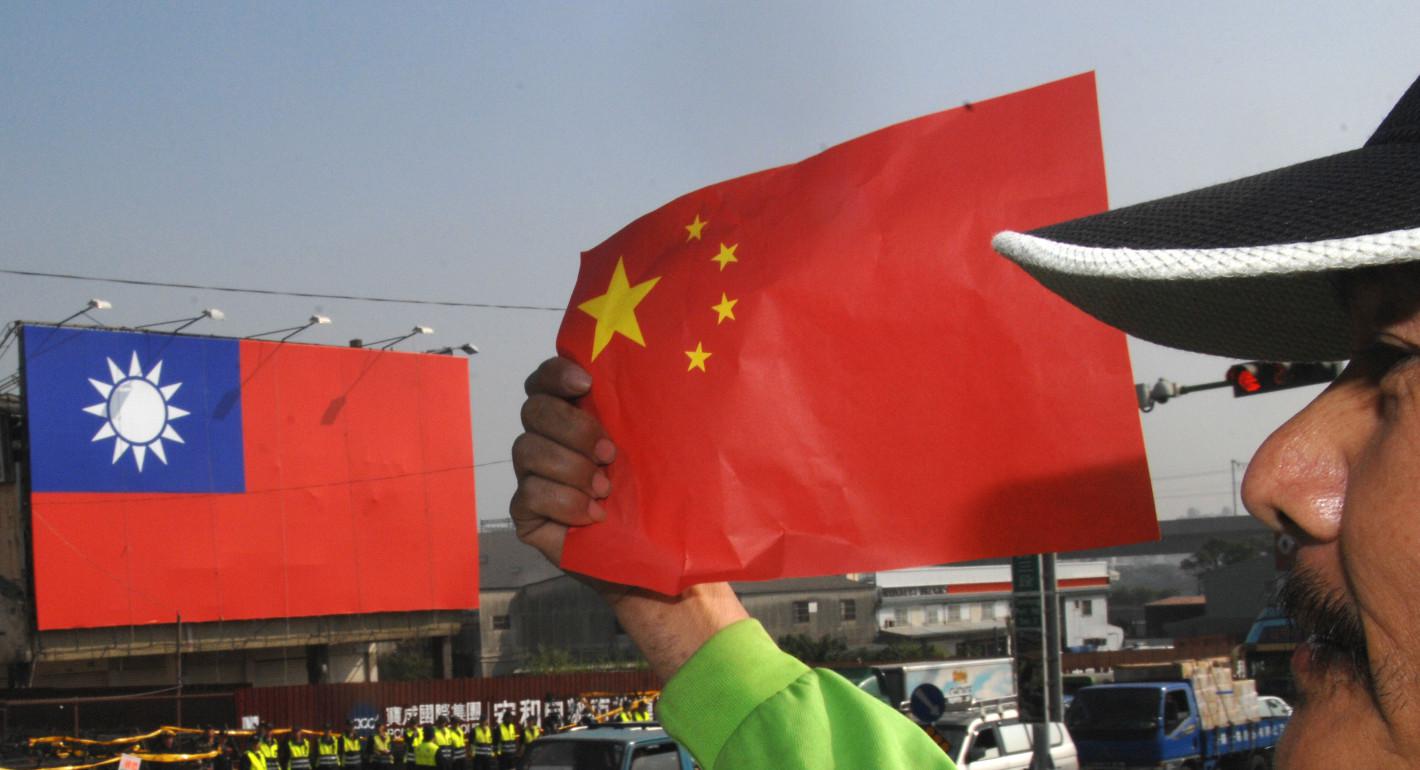
Beijing says that over 180 countries accept its “one China principle” regarding Taiwan, but the reality is more complicated.

Chong Ja Ian
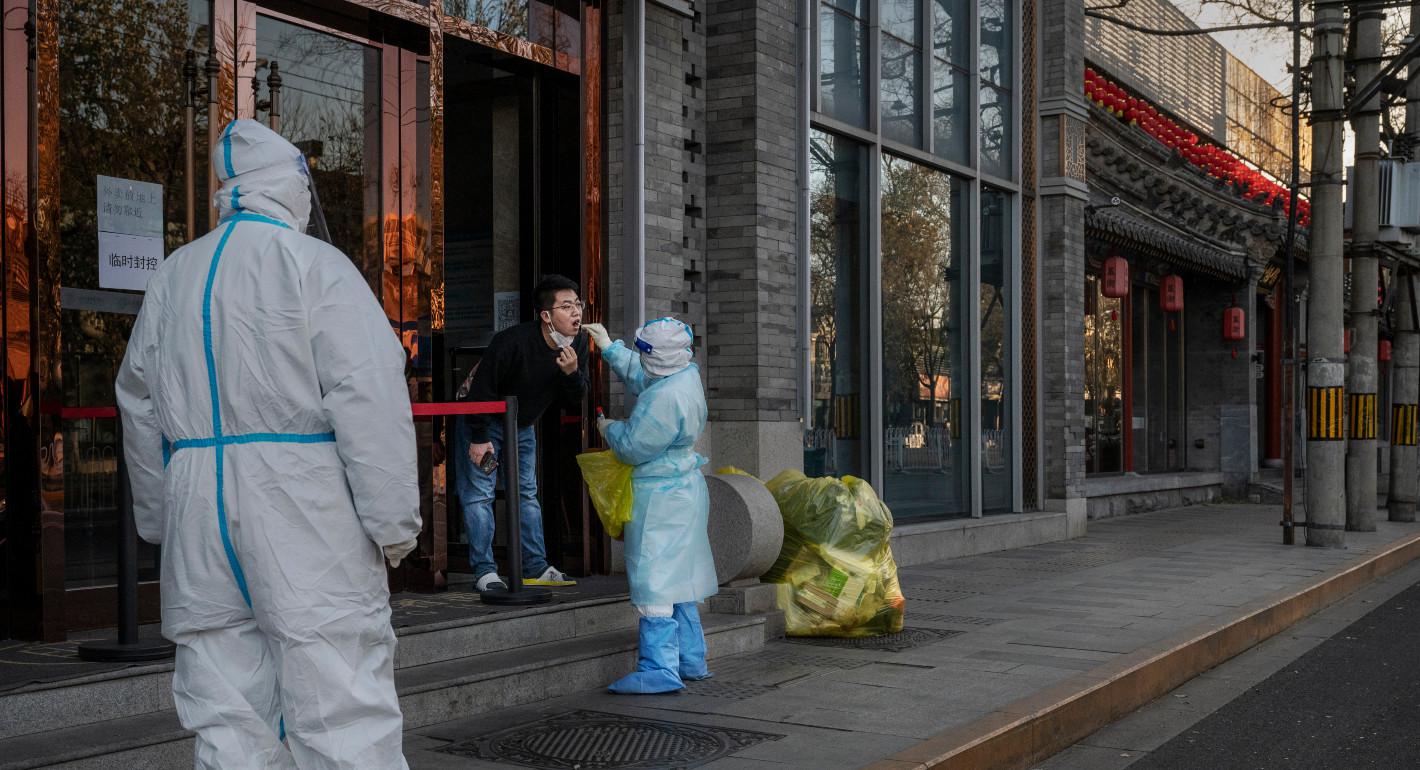
Beijing must choose between preserving its pandemic narrative or facing more unrest.
Paul Haenle