

Q&A
- +1
Amr Hamzawy, Andrew Leber, Eric Lob, …
{
  "authors": [
    "Marwan Muasher"
  ],
  "type": "legacyinthemedia",
  "centerAffiliationAll": "dc",
  "centers": [
    "Carnegie Endowment for International Peace",
    "Malcolm H. Kerr Carnegie Middle East Center"
  ],
  "collections": [
    "Arab Awakening"
  ],
  "englishNewsletterAll": "menaTransitions",
  "nonEnglishNewsletterAll": "",
  "primaryCenter": "Carnegie Endowment for International Peace",
  "programAffiliation": "MEP",
  "programs": [
    "Middle East"
  ],
  "projects": [],
  "regions": [
    "Middle East",
    "Israel",
    "North Africa",
    "Palestine",
    "Levant",
    "Maghreb"
  ],
  "topics": [
    "Political Reform",
    "Security"
  ]
}
Source: Getty
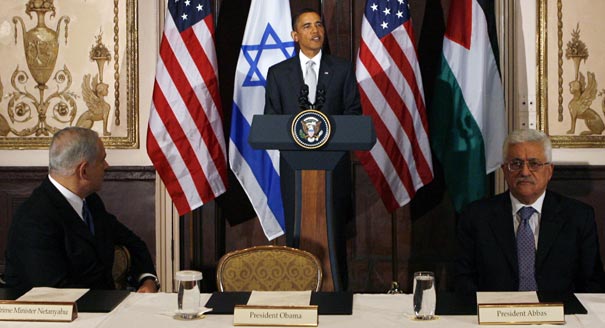
The parameters of the Arab-Israeli peace process are known. What is needed is the political will.
Source: WNYC Brian Lehrer Show
“Post-independence, no Arab country has given serious attention to putting into place democratic institutions that would ensure a culture of pluralism,” argued Carnegie’s Marwan Muasher on the Brian Lehrer Show. “If the second Arab awakening is to be finally successful, it has to go beyond getting rid of despotic rule and putting in place the necessary pillars for a democratic society.” The United States for a long time prioritized stability over reform in the Arab world and did not pay much attention to the domestic challenges facing these countries in the region, he said. While the process of democratization needs to be homegrown, the United States should support it and let the process evolve on its own.
Turning to the Arab-Israeli peace process, Muasher argued that the U.S. failure to carry through a successful peace process has undermined the U.S. reputation in the Arab world. “We know what the solution is. The problem is not finding a solution, but finding a credible path to get us there,” he said, contending that the more time the process is given, the less of a chance there is for a two state solution. “The parameters are known, what is needed is the political will,” he added.

Vice President for Studies
Marwan Muasher is vice president for studies at Carnegie, where he oversees research in Washington and Beirut on the Middle East. Muasher served as foreign minister (2002–2004) and deputy prime minister (2004–2005) of Jordan, and his career has spanned the areas of diplomacy, development, civil society, and communications.
Recent Work



Amr Hamzawy, Andrew Leber, Eric Lob, …
Marwan Muasher
Carnegie does not take institutional positions on public policy issues; the views represented herein are those of the author(s) and do not necessarily reflect the views of Carnegie, its staff, or its trustees.

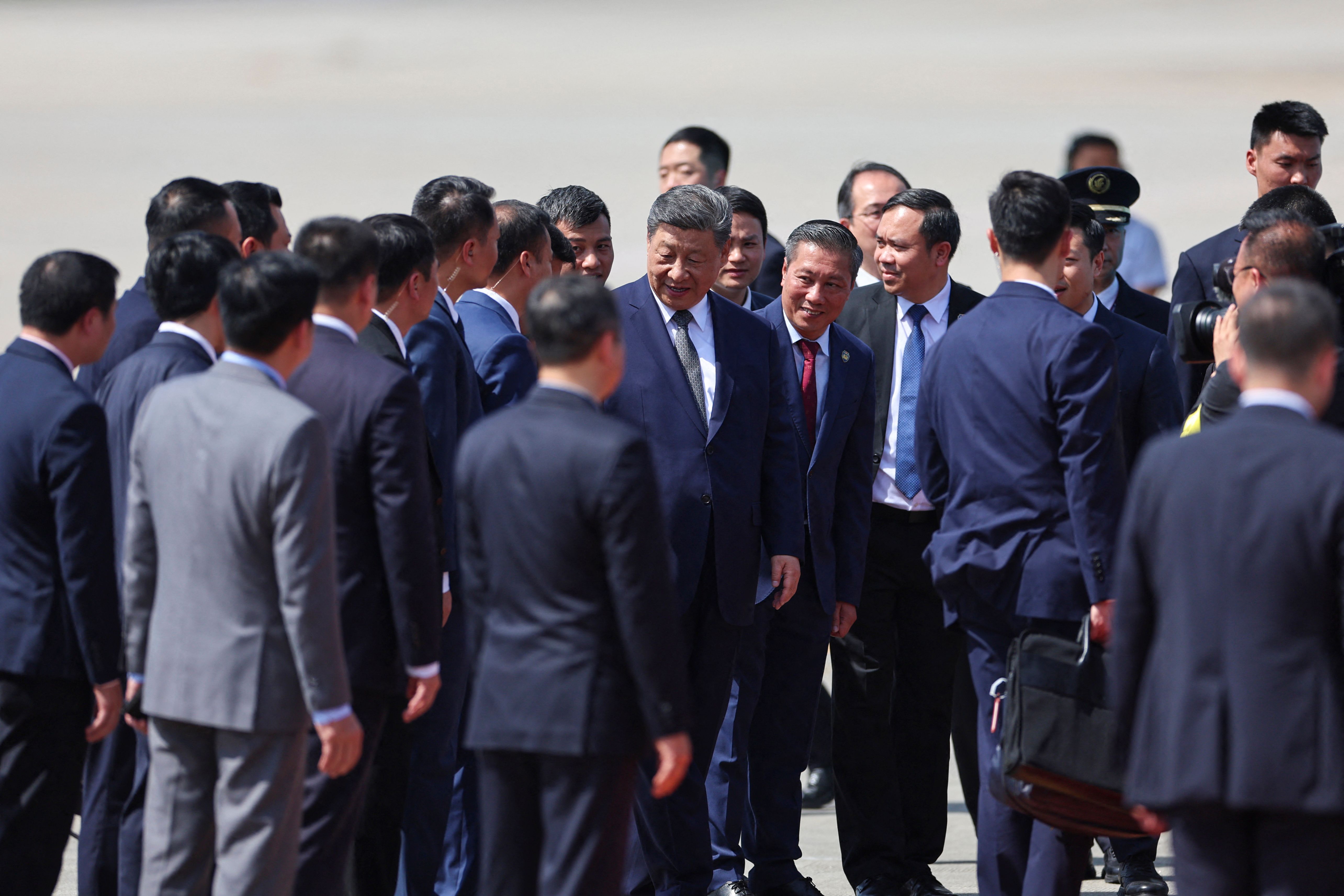
China’s political future will be shaped between now and next October. As the Communist Party enters its intense “campaign season” to prepare for a major political transition in 2027, reading Beijing's actions and responses may become more difficult as domestic politics weigh on its behavior more than usual.

Damien Ma
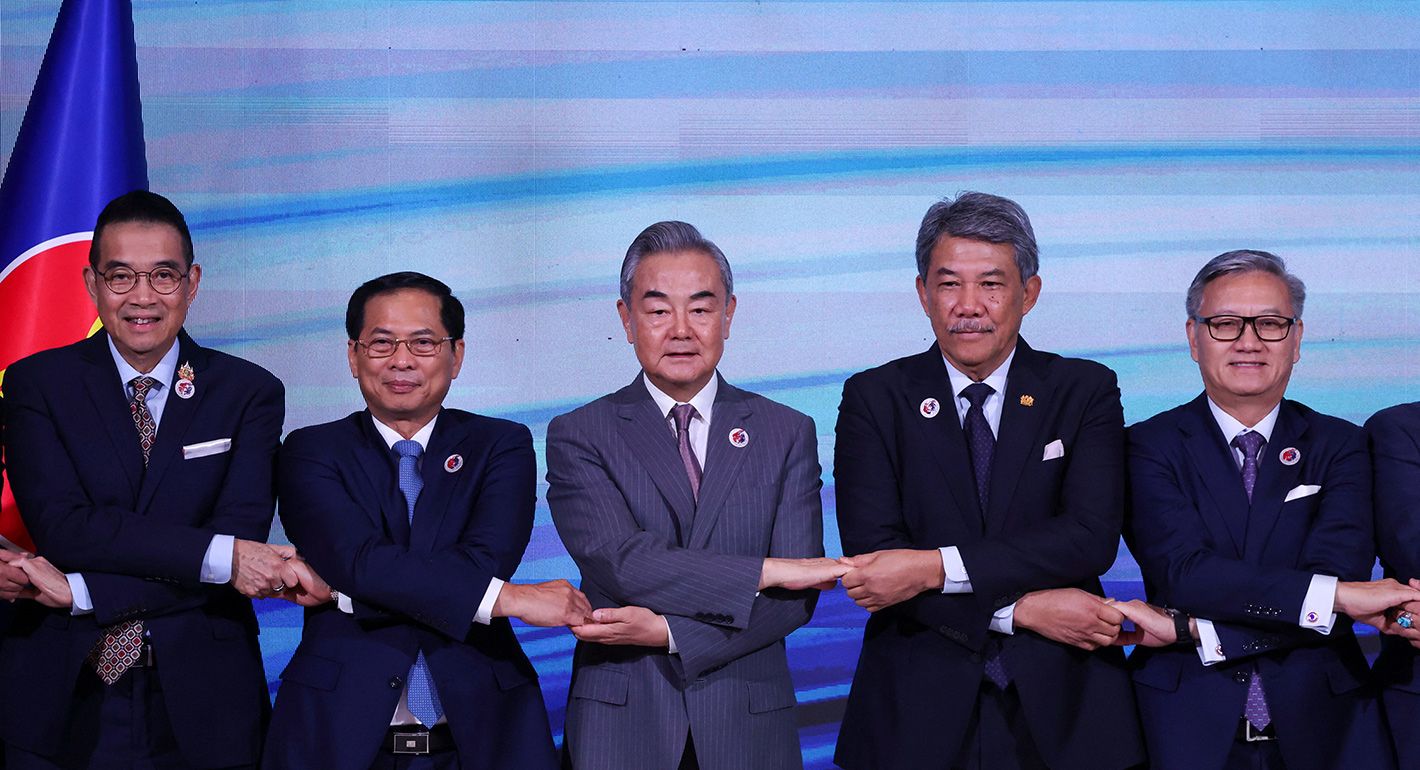
The Thai-Cambodian conflict highlights the limits to China's peacemaker ambition and the significance of this role on Southeast Asia’s balance of power.

Pongphisoot (Paul) Busbarat
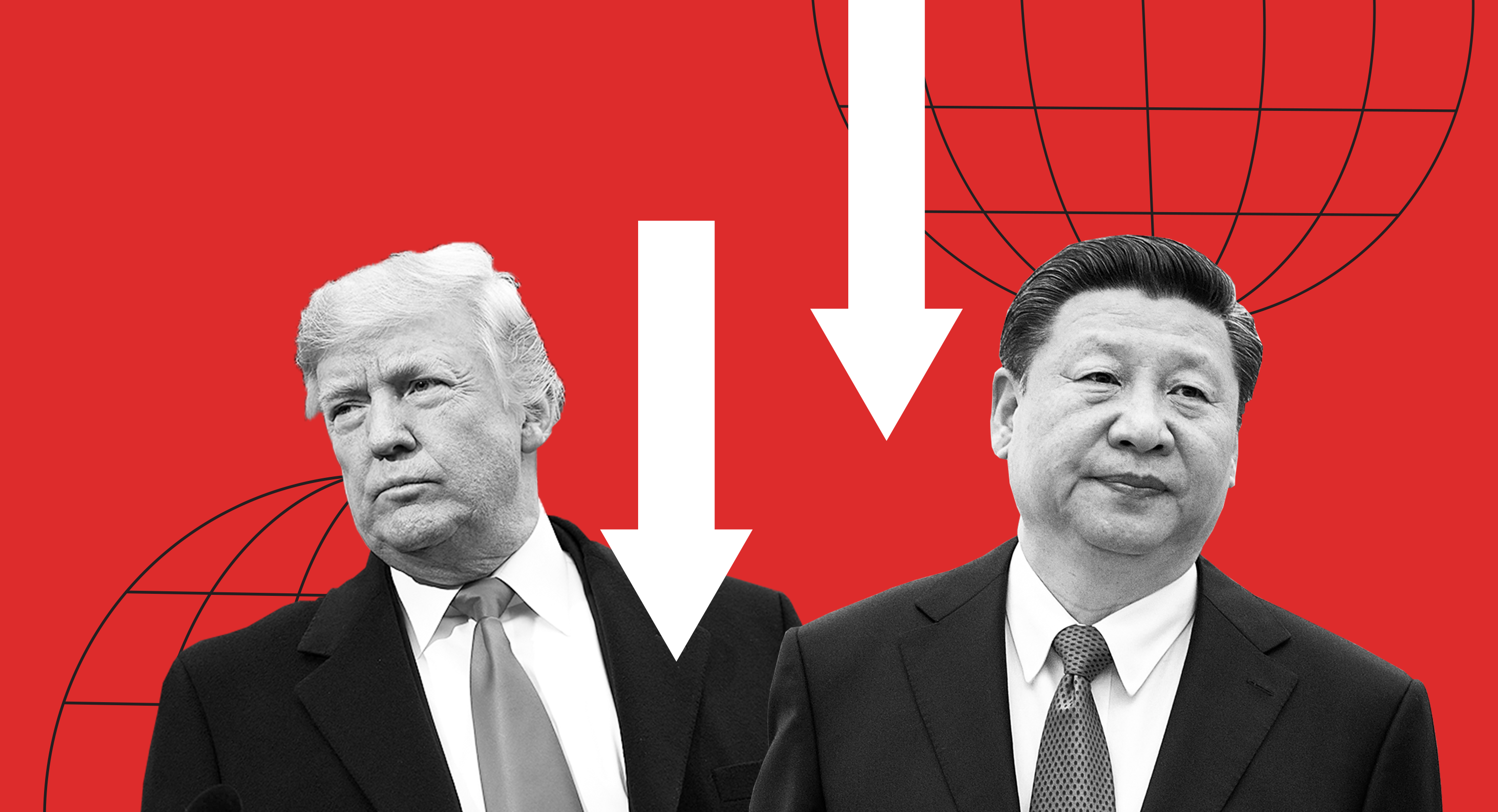
Beijing believes that Washington is overestimating its own leverage and its ability to handle the trade war’s impacts.

Rick Waters, Sheena Chestnut Greitens
Tapping our network of China experts in the region, Carnegie China offers this latest “China Through a Southeast Asian Lens” report to offer preliminary assessments of whether the U.S. effort to reshape the global trading order will lead countries in the region to tilt toward Beijing.


Selina Ho, Khin Khin Kyaw Kyee, Joseph Ching Velasco, …
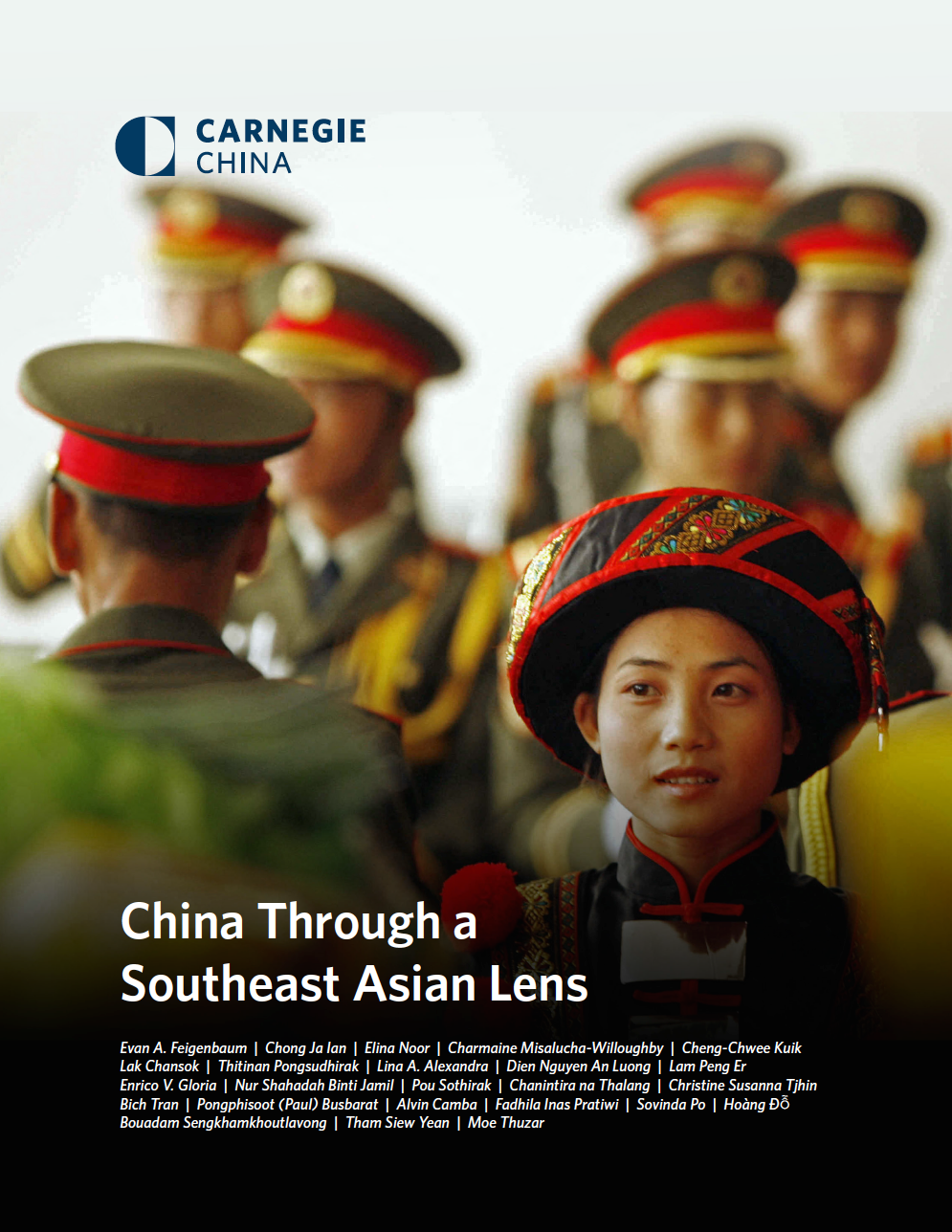
Because strategic, economic, and ideological perceptions of China contain multiple, sometimes contradictory facets in Southeast Asia, receptions of and responses to Beijing diverge across and within state lines.



Evan A. Feigenbaum, Chong Ja Ian, Elina Noor