

Other
- +18
James M. Acton, Saskia Brechenmacher, Cecily Brewer, …
{
  "authors": [
    "Eugene Rumer"
  ],
  "type": "legacyinthemedia",
  "centerAffiliationAll": "dc",
  "centers": [
    "Carnegie Endowment for International Peace"
  ],
  "collections": [],
  "englishNewsletterAll": "",
  "nonEnglishNewsletterAll": "",
  "primaryCenter": "Carnegie Endowment for International Peace",
  "programAffiliation": "russia",
  "programs": [
    "Russia and Eurasia"
  ],
  "projects": [],
  "regions": [
    "Russia",
    "Eastern Europe",
    "Ukraine"
  ],
  "topics": [
    "Security",
    "Foreign Policy"
  ]
}
Source: Getty
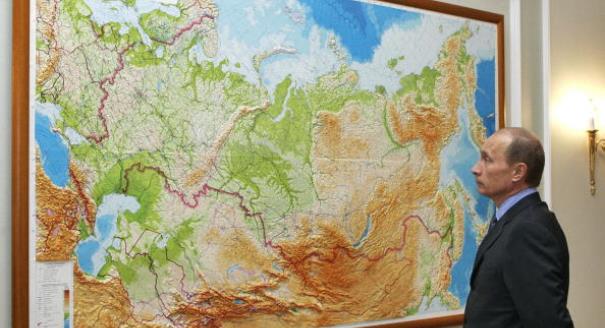
The Ukraine crisis has reached a new phase that could lead to outright conflict between Ukraine and Russia. However, it is not clear what Russia’s strategy is in Ukraine and what it hopes to achieve.
Source: Bloomberg TV
Speaking on Bloomberg TV, Carnegie’s Eugene Rumer said that the Ukraine crisis has entered a new phase that could potentially lead to outright military conflict between Ukraine and Russia. However, he added, it is unclear what Russia’s political strategy is and what it hopes to achieve by destabilizing the new government in Kiev. Rumer stated that, regardless of Vladimir Putin’s goal, its actions against Ukraine will be detrimental to Russia in the longer term, as Moscow will eventually have to deal with Kiev in some form or another. In the near future, the United States will probably impose more economic sanctions on Russia, and this could do significant damage to the Russian economy. But sanctions are unlikely to dractically alter Russia’s actions, as the Russian leadership now sees the Ukraine crisis as an existential issue, Rumer concluded.

Director and Senior Fellow, Russia and Eurasia Program
Rumer, a former national intelligence officer for Russia and Eurasia at the U.S. National Intelligence Council, is a senior fellow and the director of Carnegie’s Russia and Eurasia Program.
Recent Work



James M. Acton, Saskia Brechenmacher, Cecily Brewer, …

Nate Reynolds, Eugene Rumer
Carnegie does not take institutional positions on public policy issues; the views represented herein are those of the author(s) and do not necessarily reflect the views of Carnegie, its staff, or its trustees.

Malaysia’s chairmanship sought to fend off short-term challenges while laying the groundwork for minimizing ASEAN’s longer-term exposure to external stresses.

Elina Noor

For Malaysia, the conjunction that works is “and” not “or” when it comes to the United States and China.
Elina Noor
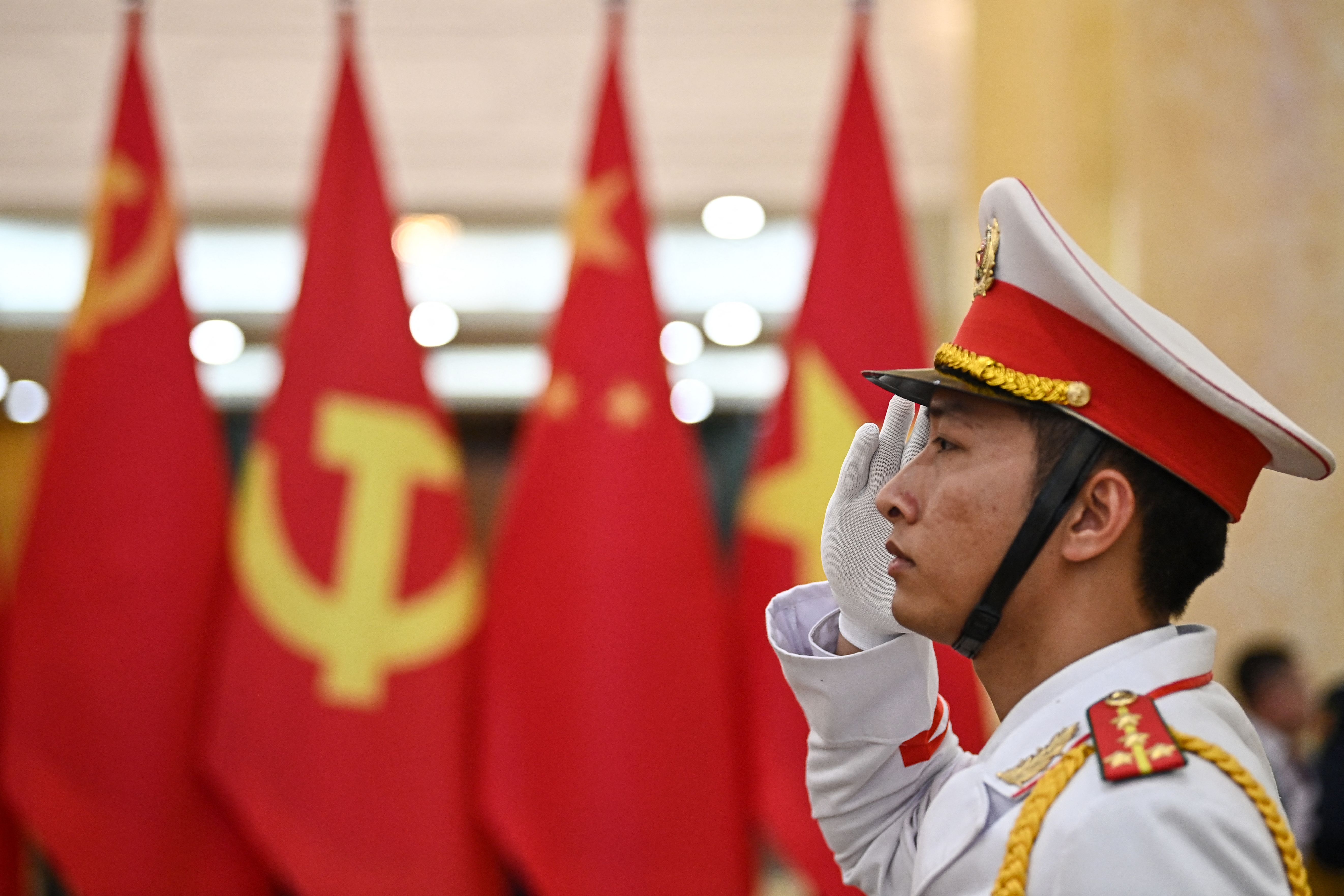
In July 2025, Vietnam and China held their first joint army drill, a modest but symbolic move reflecting Hanoi’s strategic hedging amid U.S.–China rivalry.

Nguyễn Khắc Giang

The Thai-Cambodian conflict highlights the limits to China's peacemaker ambition and the significance of this role on Southeast Asia’s balance of power.

Pongphisoot (Paul) Busbarat
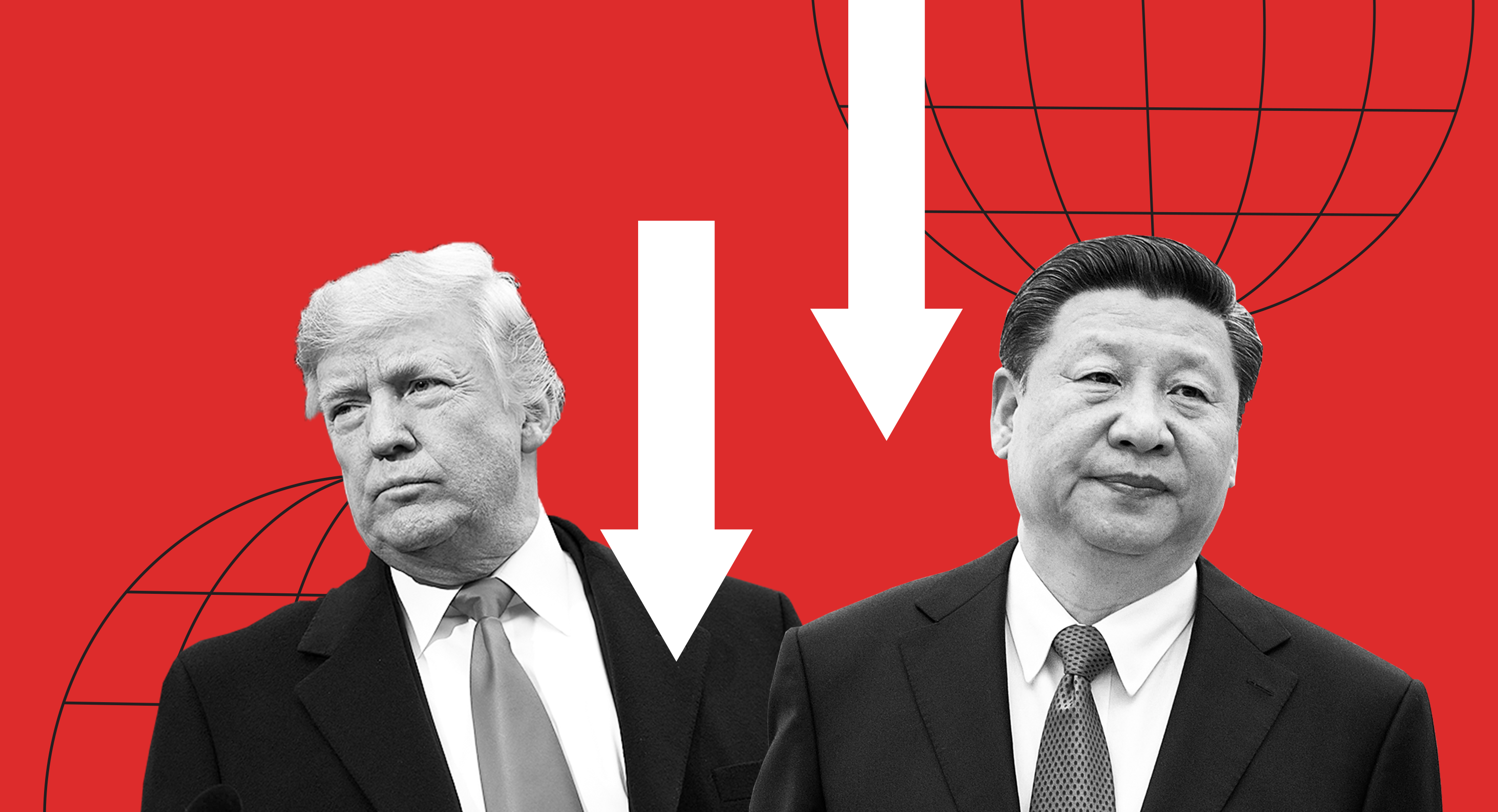
Beijing believes that Washington is overestimating its own leverage and its ability to handle the trade war’s impacts.


Rick Waters, Sheena Chestnut Greitens