

Q&A
- +1
Sheena Chestnut Greitens, Oriana Skylar Mastro, Yukon Huang, …
{
  "authors": [
    "Yukon Huang"
  ],
  "type": "legacyinthemedia",
  "centerAffiliationAll": "dc",
  "centers": [
    "Carnegie Endowment for International Peace"
  ],
  "collections": [],
  "englishNewsletterAll": "asia",
  "nonEnglishNewsletterAll": "",
  "primaryCenter": "Carnegie Endowment for International Peace",
  "programAffiliation": "AP",
  "programs": [
    "Asia"
  ],
  "projects": [],
  "regions": [
    "East Asia",
    "China"
  ],
  "topics": [
    "Economy"
  ]
}
Source: Getty
Beijing must allow domestic and foreign private interests to play a larger role in the reform of state-owned enterprises in areas such as finance, education, health, and telecommunications for maximum reform impact.
Source: Financial Times
The last time China got serious about reforming its state-owned enterprises (SOEs) was nearly two decades ago when hundreds of firms were privatized or liquidated annually under the mantra of “grasp the large and release the small”. But with the turnover in leadership to Hu Jintao in 2003, Beijing became less willing to close poor performers and relied on the newly created State-Owned Assets Supervision and Administration Commission (SASAC) to instil a stronger commercial orientation among those not let go. SASAC, however, only served to protect their existence through cross subsidization of loss markers by the more profitable firms, who benefited from their monopoly positions in key sectors. Under pressure, Beijing has now proposed a new strategy of mixed ownership to improve SOE performance, but this will not solve the problem.
Profitability differences between private firms and SOEs mattered less before the global financial crisis, when return on assets was increasing steadily for both groups. But since 2008, returns for private firms have surged to 11 per cent while those for SOEs have fallen and stagnated at around 5 per cent (Figure 1). Policy makers and academics point to this widening gap as evidence of the poor performance of SOEs. Few, however, have noticed that the firms’ profit margins, another commonly used measure of profitability, have converged in recent years. Prior to the crisis, SOEs were actually more profitable than private firms (Figure 2).


How should Beijing deal with these differences? Its strategy, as set out in last year’s Third Plenum reform agenda, relies on fusing state capital with private capital to increase value and competitiveness through a form of mixed ownership. Equity markets were hoping that some SOEs would become stronger in this process. But the anticipated increase in share prices for companies like Sinopec did not materialize because behaviours did not really change. Most private business leaders feel that they would be powerless on the boards of mixed-ownership companies. Thus, interest in becoming a partner in such undertakings is tepid except when valuable assets are up for grabs and participation is more likely to be a wealth transfer to the well-connected. It is therefore unlikely that there will be any real change in governance, since the state is unlikely to grant substantial control to private interests under mixed ownership.
This suggests that the reforms that most China watchers advocate – in the form of a more level playing field, higher interest rates, and improved governance – will not suffice if SOEs feel compelled to follow state driven mandates which often lower returns. Nor is it clear that the leadership really wants them to do otherwise, as long as state entities are part of their toolkit for moderating growth slowdowns. Thus, it is unlikely that behaviour can be changed by simply injecting private assets into state entities, without altering who actually controls the enterprise and their incentives.
Thus far, the priority for Beijing has been to expand mixed ownership by introducing private participation into six centrally controlled SOEs under the umbrella of the SASAC. Many provinces and localities have also announced plans to convert SOEs to mixed ownership by designating pilot reform projects. Proposed reforms have been mild because SASAC’s objective is to protect the 113 major enterprises that it supervises rather than to reduce their role. Local governments probably worry more about losing the jobs and tax revenues that the larger SOEs provide than actually promoting the private sector. In the late 1990s, 40 per cent of industrial SOEs were losing money, making reform a financial imperative. Now that the share of loss-makers has been cut in half, the concern is more about how their presence may represent a barrier for private entry and expansion in key sectors, notably in high value services.
The solution lies in getting the state out of certain activities, delineating the extent to which private minority interests can influence operational policies such as the appointment of CEOs, and putting in place means to ring fence SOEs from the influence of political mandates. State ownership remains especially strong in areas such as finance, education, health and telecommunications, which offer the greatest potential gains in productivity and employment. Allowing domestic and foreign private interests to play a much bigger role in these areas must be part of the reform agenda. Without such changes, Beijing’s attempts to reform the state-owned enterprise sector are unlikely to make a difference.
Senior Fellow, Asia Program
Huang is a senior fellow in the Carnegie Asia Program where his research focuses on China’s economy and its regional and global impact.
Recent Work


Sheena Chestnut Greitens, Oriana Skylar Mastro, Yukon Huang, …

Yukon Huang, Isaac B. Kardon, Matt Sheehan
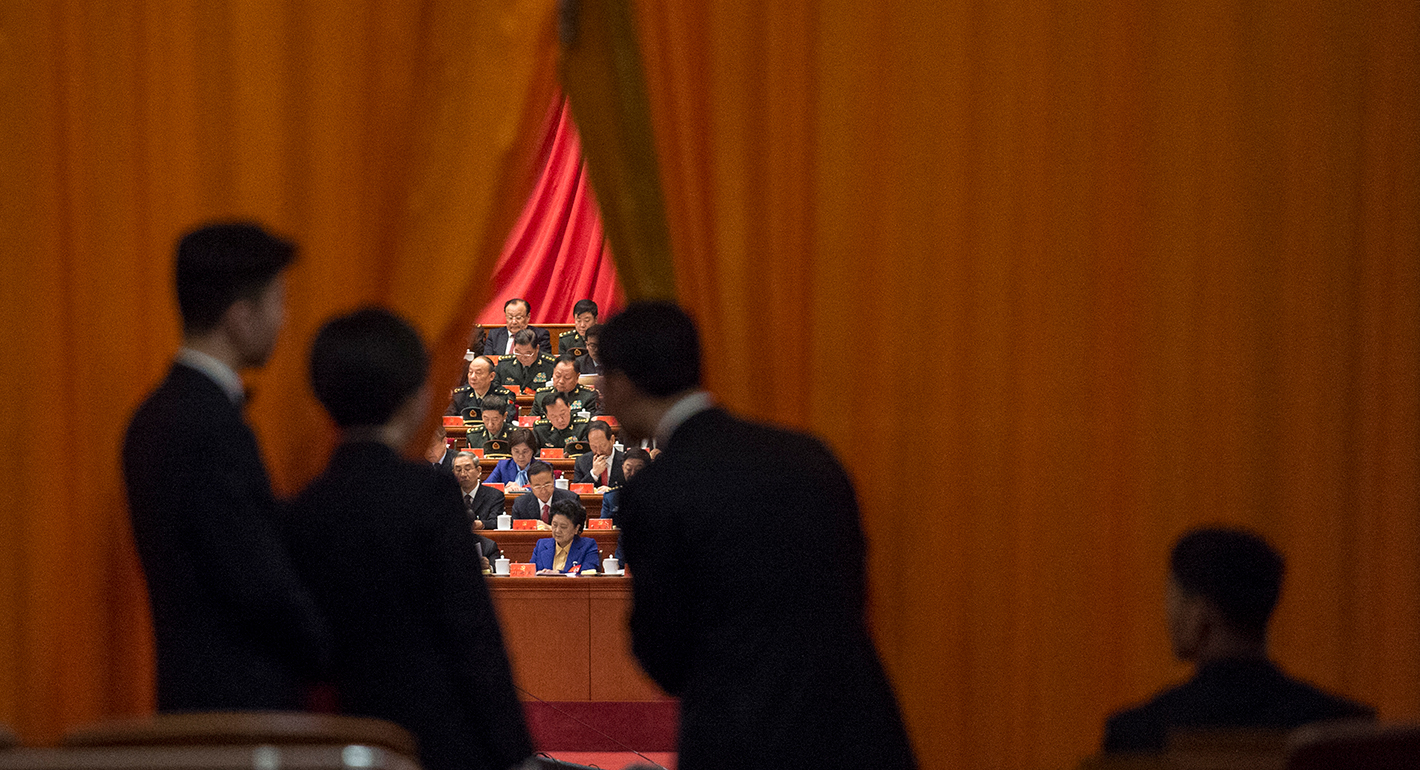
China’s political future will be shaped between now and next October. As the Communist Party enters its intense “campaign season” to prepare for a major political transition in 2027, reading Beijing's actions and responses may become more difficult as domestic politics weigh on its behavior more than usual.

Damien Ma
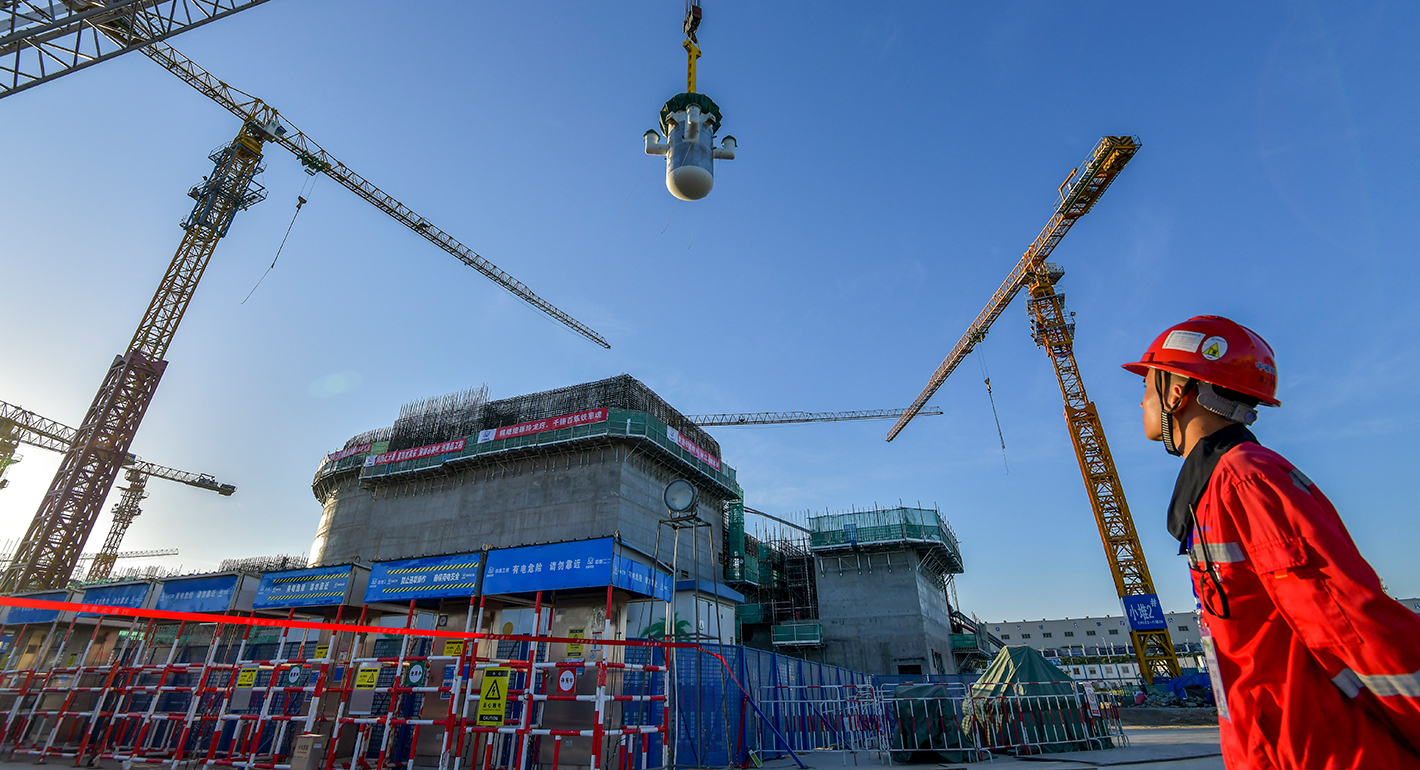
China has showcased its engineering prowess with small modular reactor demonstration projects. But turning these technological achievements into commercial success will be a greater challenge.
Tong Zhao

The Plaza Accord was not an externally imposed punishment of Japan but part of a broader restructuring that Japanese economists and policymakers themselves recognized was necessary. Its effects were undermined, however, when Tokyo responded to the resulting slowdown with policies that exacerbated investment, credit expansion, and the very imbalances the adjustment was intended to resolve.

Michael Pettis
The nuclear relationship between China and the United States is increasingly shaped by widening perception gaps rather than deliberate strategic design.
Tong Zhao
China’s banking crisis in the 2000s was resolved by transferring the costs to households through financial repression—a decision that recapitalized the banks while exacerbating the structural imbalances that continue to shape the Chinese economy today.
Michael Pettis