

Commentary
Maha Yahya
{
  "authors": [
    "Maha Yahya"
  ],
  "type": "legacyinthemedia",
  "centerAffiliationAll": "dc",
  "centers": [
    "Carnegie Endowment for International Peace",
    "Malcolm H. Kerr Carnegie Middle East Center"
  ],
  "collections": [
    "Arab Awakening"
  ],
  "englishNewsletterAll": "menaTransitions",
  "nonEnglishNewsletterAll": "",
  "primaryCenter": "Malcolm H. Kerr Carnegie Middle East Center",
  "programAffiliation": "MEP",
  "programs": [
    "Middle East"
  ],
  "projects": [],
  "regions": [
    "Egypt",
    "Levant",
    "Maghreb",
    "Middle East",
    "North Africa"
  ],
  "topics": [
    "Political Reform",
    "Democracy"
  ]
}
Source: Getty
Universal human rights can provide a framework through which the indivisibility of social, economic, political, and cultural rights may be argued and the struggle for these rights may take place.
Source: Daily Star
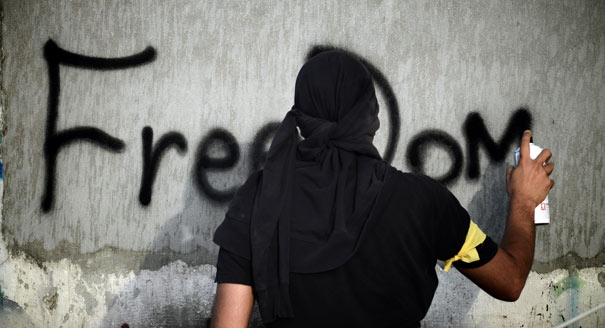
Demands for citizenship rights have an almost universal resonance today. For the millions who took to the streets in the Arab uprisings, the Occupy movement, the Gezi Park movement and the more recent protests in Hong Kong, theirs is a demand for what Hannah Arendt called the “right to have rights”; that is the right to be recognized as full citizens irrespective of socio-economic, political, cultural, ethnic or religious differences. The Arab uprisings perhaps best encapsulate the demand for this right, including within the calls for freedom and dignity the rights to justice, to self-determination and to difference at the individual and collective levels.
This right to justice is not limited to legal procedures or mere questions of wealth redistribution. It also engages with the fundamental ways in which societies are organized and power is exchanged. For millions of people, justice is about both the right to equality or to be treated in the same manner, and the right to equity or to be recognized equally in their differences.The right to self-determination is about having a say in shaping their own futures. At the most fundamental level, it is about having food on the table, quality education for their children, and health services when they need them; in other words, the rights to access and to opportunities. It also includes the right to freedom, self-expression and free association; that is, full civic and political rights as individuals and as communities.
The right to difference is what Arendt identifies as recognition by a state of the right to enjoy varied individual and communal identities with dignity. This definition acknowledges that some of the most fundamental injustices are rooted in characterizations of personhood that may deny certain rights to particular communities—through laws or policies, or sometimes through mere inaction.
These rights are not slogans. For millions across the globe they embody the fundamental values of citizenship.
For Arab citizens, these extend from the right of the Tunisian street vendor Mohamed Bouazizi, whose self-immolation captured the world’s attention and triggered the Arab uprisings, to earn a decent living; of young Egyptian blogger Khaled Said, who was killed by the police and of Libyan human rights lawyer Salwa Boughighis, slain by militants, to speak their mind; of human rights activist Razan Zeytouna and the other hundreds of thousands of disappeared Syrians to engage publicly; and the right of millions of Palestinians to lives free of occupation. It is the right of individuals and communities to achieve their potential.
For Arab citizens, these rights also mean the fierce protection of a rich, plural societal fabric that defines Arab histories and societies; a fabric that is being violently ripped apart today. The region today hosts 53 percent of the world’s refugees despite making up less than 5 percent of its population. These forced population movements alongside the persecution of minority groups, as happened dramatically with the Christians, Yazidis, Turkmans and Shabaks in Iraq in recent months, raise fundamental questions about the basis of collective humanity and highlight the importance of solidarity.
Universal human rights can provide a framework through which the indivisibility of social, economic, political and cultural rights may be argued and the struggle for these rights may take place. They can also be the basis for recognizing and protecting the collective rights of communities as well as those of individuals. Taken together, they can be instrumental in upholding the citizenship rights of the millions who took to the streets and of those who continue to struggle in their daily lives.
Such is the meaning of “the right to have rights”. Such is the meaning of lives with dignity.
This article was published in a special OHCHR Human Rights Day Supplement in the Daily Star.

Director, Malcolm H. Kerr Carnegie Middle East Center
Maha Yahya is director of the Malcolm H. Kerr Carnegie Middle East Center, where her research focuses on citizenship, pluralism, and social justice in the aftermath of the Arab uprisings.
Recent Work
Maha Yahya
Maha Yahya
Carnegie does not take institutional positions on public policy issues; the views represented herein are those of the author(s) and do not necessarily reflect the views of Carnegie, its staff, or its trustees.
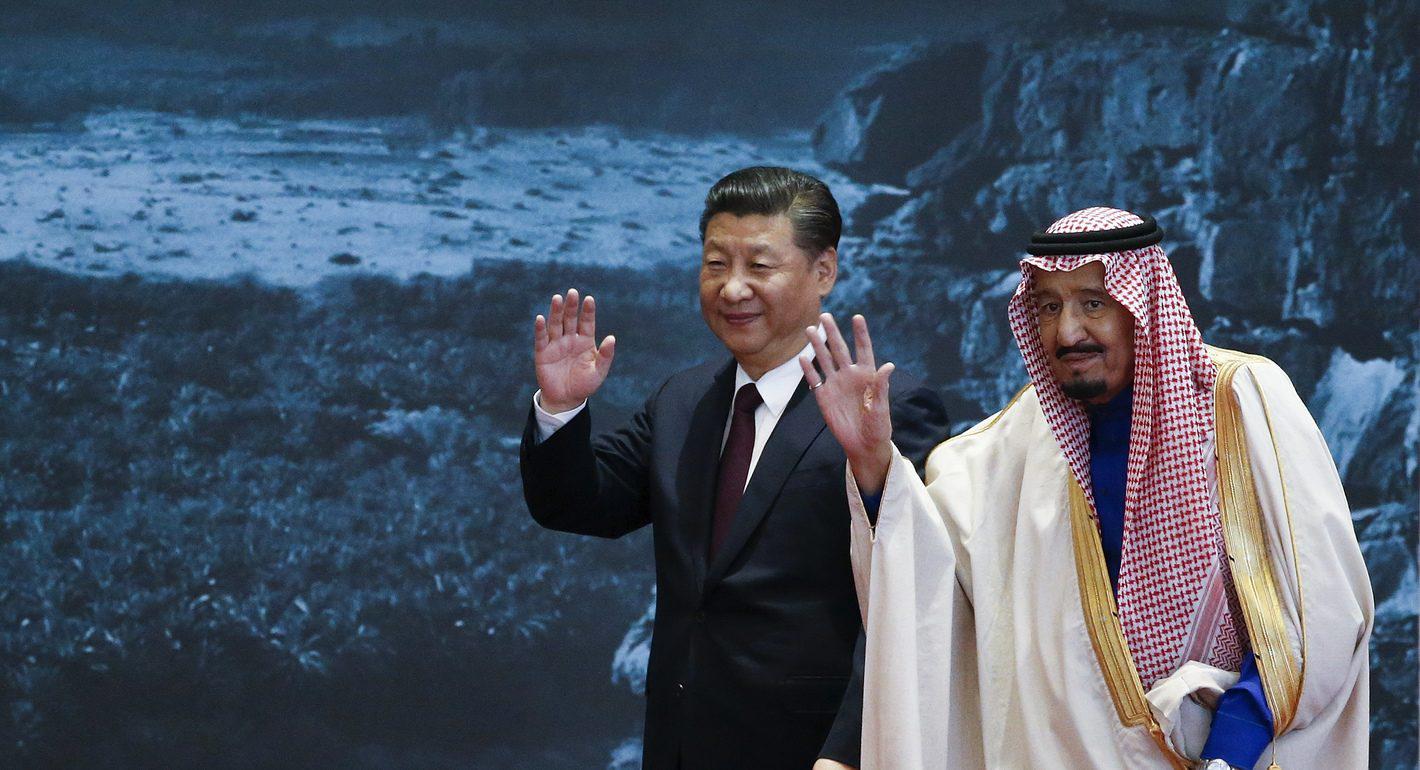
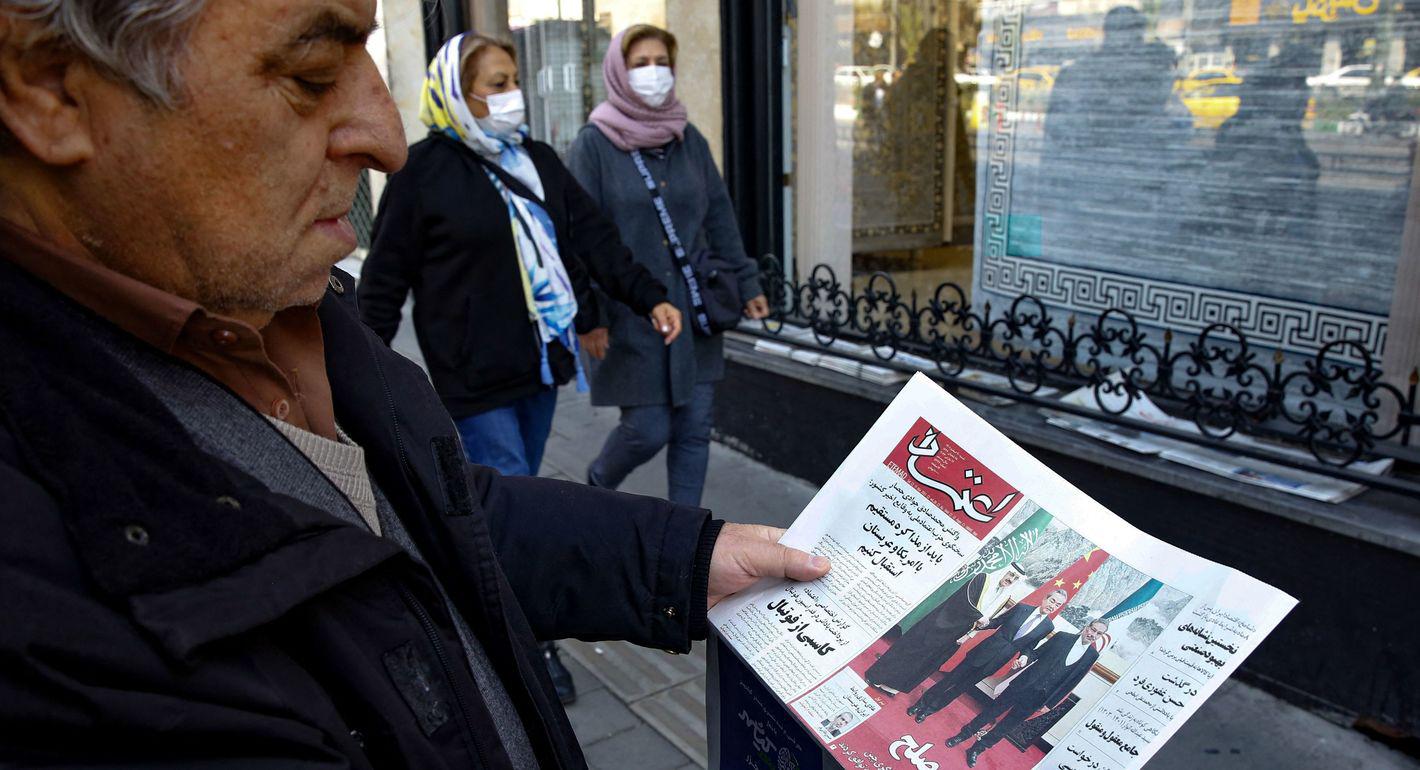
The advantage that China has over other global powers, especially America, is that its foreign policy is closely aligned with those of many of the Middle Eastern countries.
Jin Liangxiang, Maha Yahya, Hesham Alghannam
Transactional relationships are stable but can be shallow.

Paul Haenle, Maha Yahya, Benjamin Ho, …
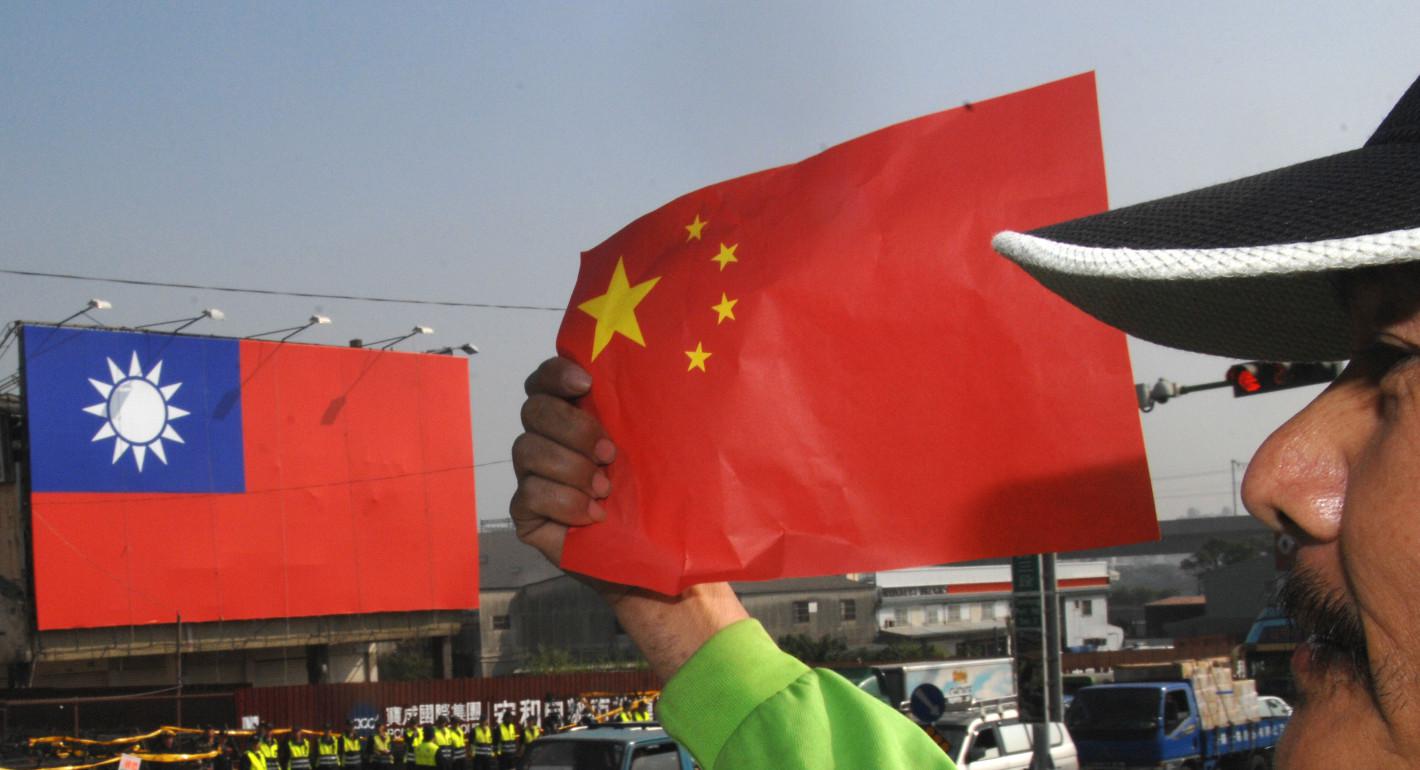
Beijing says that over 180 countries accept its “one China principle” regarding Taiwan, but the reality is more complicated.

Chong Ja Ian
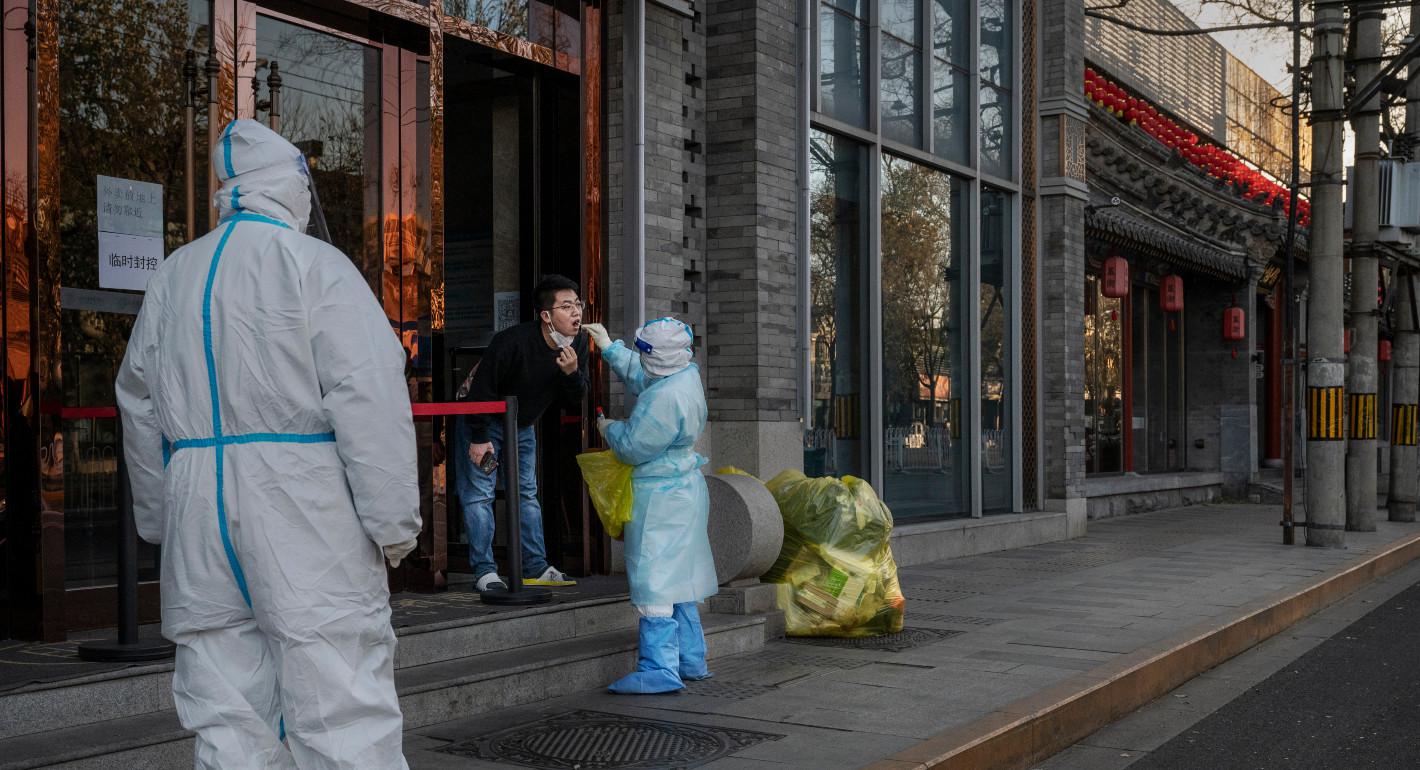
Beijing must choose between preserving its pandemic narrative or facing more unrest.
Paul Haenle
It’s about managing oil prices, bread prices, and strategic partnerships.



Amr Hamzawy, Karim Sadjadpour, Aaron David Miller, …