
• Commentary
  • Research
  • Experts
  • Events
Carnegie China logoCarnegie lettermark logo
{
  "authors": [
    "Tang Xiaoyang"
  ],
  "type": "legacyinthemedia",
  "centerAffiliationAll": "",
  "centers": [
    "Carnegie Endowment for International Peace",
    "Carnegie China"
  ],
  "collections": [
    "China and the Developing World"
  ],
  "englishNewsletterAll": "",
  "nonEnglishNewsletterAll": "",
  "primaryCenter": "Carnegie China",
  "programAffiliation": "",
  "programs": [],
  "projects": [],
  "regions": [
    "Southern, Eastern, and Western Africa",
    "East Asia",
    "China"
  ],
  "topics": [
    "Economy"
  ]
}

Source: Getty

In The Media
Carnegie China

China, Africa, and the PRC’s Massive New Development Bank

Although its initial focus will be Asia, the Asian Infrastructure Investment Bank may eventually broaden its scope to provide development assistance to countries in Africa as well.

Link Copied
By Tang Xiaoyang
Published on Apr 25, 2015

Source: China Africa Project

Fifty-seven countries, including two from Africa, are among the founding members of China’s new development bank, the Asian Infrastructure Investment Bank (AIIB). While the new bank’s primary objective will be developing infrastructure projects in Asia, as its name suggests, there is widespread anticipation (mixed with some hope) that the bank will expand the scope of its work to eventually include Africa and other developing regions.

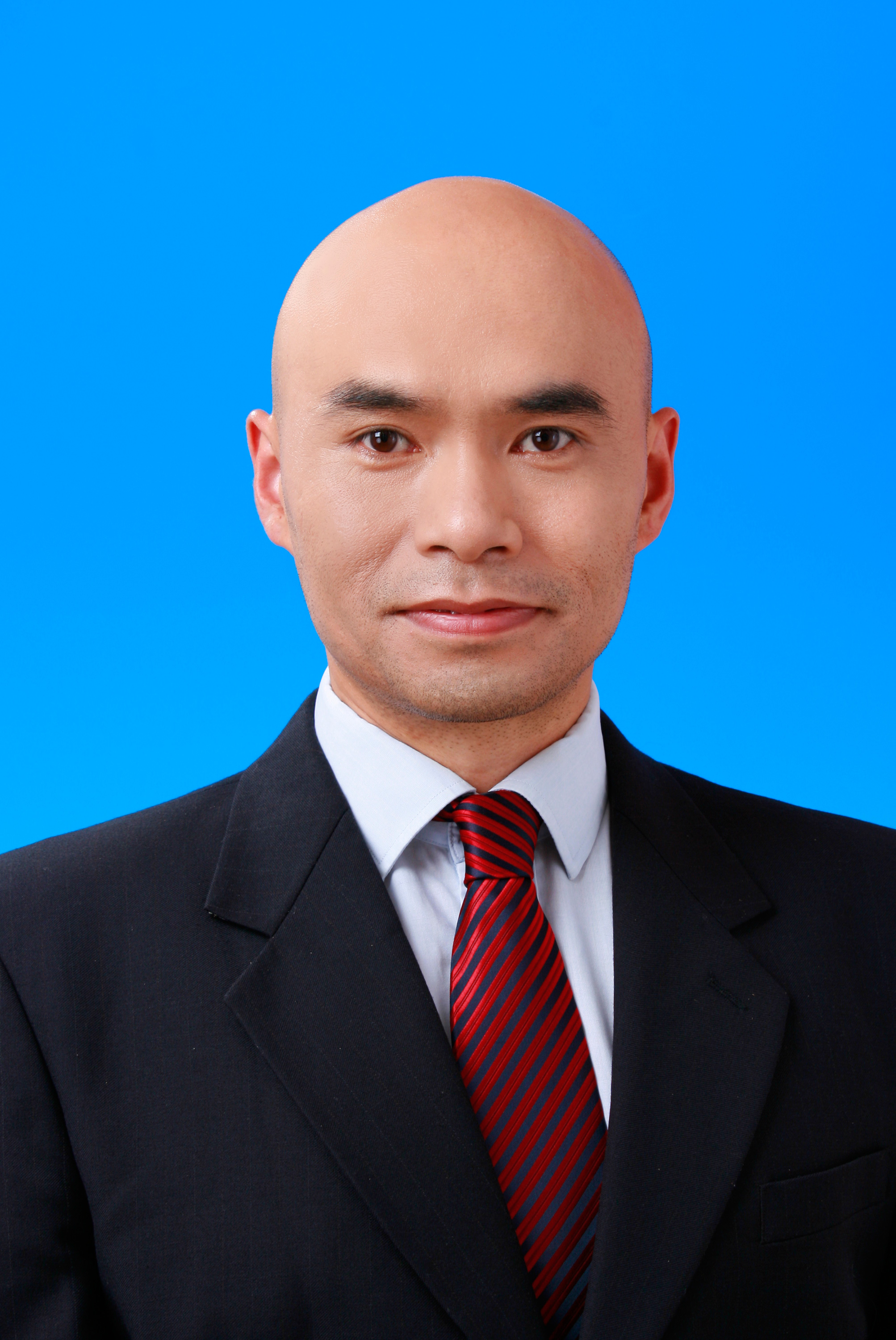
Carnegie–Tsinghua’s Tang Xiaoyang joined Eric Olander and Cobus van Staden to discuss the AIIB and what implications it could have for development finance in Africa.

This podcast was originally broadcasted by the China Africa Project.

About the Author

Tang Xiaoyang

Former Resident Scholar and Deputy Director, Carnegie-Tsinghua Center; Chair and Professor, Department of International Relations, Tsinghua University

Tang Xiaoyang is the chair and a professor in the Department of International Relations at Tsinghua University. He was a resident scholar and the deputy director at the Carnegie-Tsinghua Center until June 2020.

Tang Xiaoyang
Former Resident Scholar and Deputy Director, Carnegie-Tsinghua Center; Chair and Professor, Department of International Relations, Tsinghua University
Tang Xiaoyang
EconomySouthern, Eastern, and Western AfricaEast AsiaChina

Carnegie does not take institutional positions on public policy issues; the views represented herein are those of the author(s) and do not necessarily reflect the views of Carnegie, its staff, or its trustees.

More Work from Carnegie China

  • Commentary
    China Sells Stability Amid American Volatility

    U.S. unpredictability has allowed China to capitalize on its positioning as the “responsible great power”. Paradoxically, the more China wins the perception game, the more likely expectations will rise for Beijing to deliver not just words but to demonstrate with its deeds.

      Chong Ja Ian

  • Vietnam's Top Leader To Lam meets with young representatives from China and Vietnam participating in the "Red Study Tours" at the Great Hall of the People on April 15, 2026 in Beijing, China. T
    Commentary
    Why Vietnam Is Swinging in China’s Direction

    Hanoi and Beijing have long treated each other as distant cousins rather than comrades in arms. That might be changing as both sides draw closer to hedge against uncertainty and America’s erratic behavior.

      • Nguyen-khac-giang

      Nguyễn Khắc Giang

  • Commentary
    China’s Energy Security Doesn’t Run Through Hormuz but Through the Electrification of Everything

    Across Asia, China is better positioned to withstand energy shocks from the fallout of the Iran war. Its abundant coal capacity can ensure stability in the near term. Yet at the same time, the country’s energy transition away from coal will make it even less vulnerable during the next shock.


      • Damien Ma

      Damien Ma

  • Xi walking into a room with people standing and applauding around him
    Commentary
    Emissary
    The Xi Doctrine Zeros in on “High-Quality Development” for China’s Economic Future

    In the latest Five-Year Plan, the Chinese president cements the shift to an innovation-driven economy over a consumption-driven one.

      • Damien Ma

      Damien Ma

  • Commentary
    When It Comes to Superpower Geopolitics, Malaysia Is Staunchly Nonpartisan

    For Malaysia, the conjunction that works is “and” not “or” when it comes to the United States and China.

      Elina Noor

Get more news and analysis from
Carnegie China
Carnegie China logo, white
Keck Seng Tower133 Cecil Street #10-01ASingapore, 069535Phone: +65 9650 7648
  • Research
  • About
  • Experts
  • Events
  • Contact
  • Careers
  • Privacy
  • For Media
Get more news and analysis from
Carnegie China
© 2026 Carnegie Endowment for International Peace. All rights reserved.






