

Commentary
It’s about managing oil prices, bread prices, and strategic partnerships.
- +8
Amr Hamzawy, Karim Sadjadpour, Aaron David Miller, …
{
  "authors": [
    "Bayram Balci",
    "Thomas Liles"
  ],
  "type": "other",
  "centerAffiliationAll": "dc",
  "centers": [
    "Carnegie Endowment for International Peace"
  ],
  "collections": [],
  "englishNewsletterAll": "ctw",
  "nonEnglishNewsletterAll": "",
  "primaryCenter": "Carnegie Endowment for International Peace",
  "programAffiliation": "russia",
  "programs": [
    "Russia and Eurasia"
  ],
  "projects": [],
  "regions": [
    "Caucasus",
    "Georgia"
  ],
  "topics": [
    "Religion"
  ]
}
Source: Getty
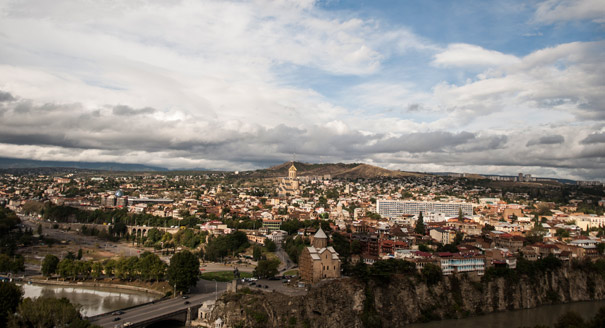
Despite the relatively small number of Muslims in Georgia, issues related to Islam and Muslims have taken on an increasingly high profile in recent years.
Source: Yearbook of Muslims in Europe
Despite the relatively small number of Muslims in Georgia, issues related to Islam and Muslims have taken on an increasingly high profile in recent years. 2014 witnessed continued public debate over the permissibility of ethnic Georgian Sunni Muslims to establish and preserve religious institutions.
Global events and transnational links also caused resonance. The participation of ethnic Kist, Georgian citizens in the so-called Islamic State of Iraq and Syria (ISIS), on the one hand, stoked fears of Salafi radicalisation among Georgia’s Kists, who are closely related to the Chechens, reside primarily in the Pankisi Gorge, and have traditionally adhered to Islam. On the other hand, Turkish and Iranian religious actors continued to develop links with Georgia’s Sunni and Shi‘i communities, respectively.Meanwhile, institutional and legal developments prompted state actors to become increasingly involved in managing Muslim issues. The Administration of Muslims of All Georgia (AMAG)—a state-supported Muslim organisation created by the government of former President Mikheil Saakashvili in 2011—underwent personnel changes and asserted greater control over Muslim persons and property in Eastern Georgia. Similarly, the creation of a new State Agency for Religious Issues gave the state a stronger legal basis for coordinating Muslim affairs....
This chapter originally appeared in the Yearbook of Muslims in Europe, Volume 7.
Former Nonresident Scholar, Russia and Eurasia Program
Balci was a nonresident scholar in Carnegie’s Russia and Eurasia Program, where his research focuses on Turkey and Turkish foreign policy in Central Asia and the Caucasus.
Thomas Liles
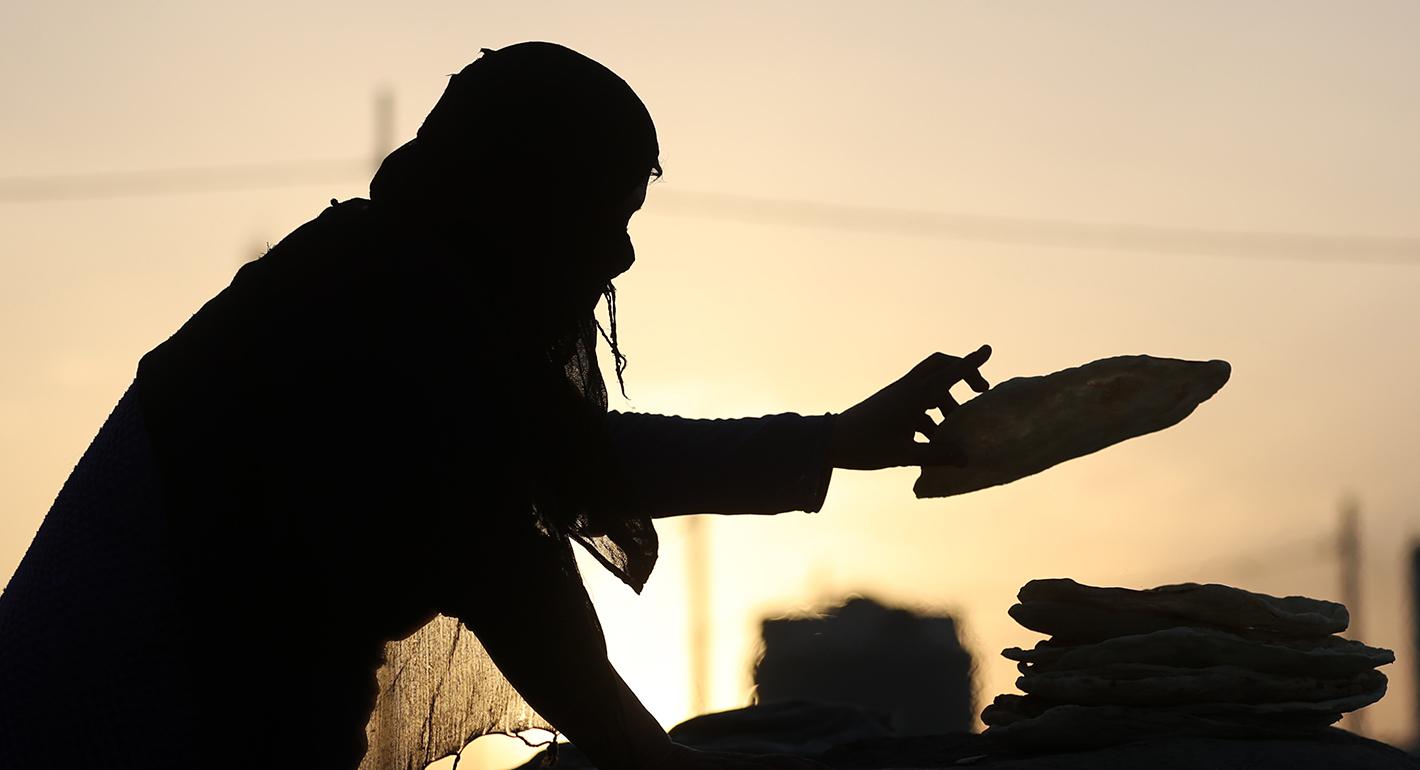
It’s about managing oil prices, bread prices, and strategic partnerships.



Amr Hamzawy, Karim Sadjadpour, Aaron David Miller, …
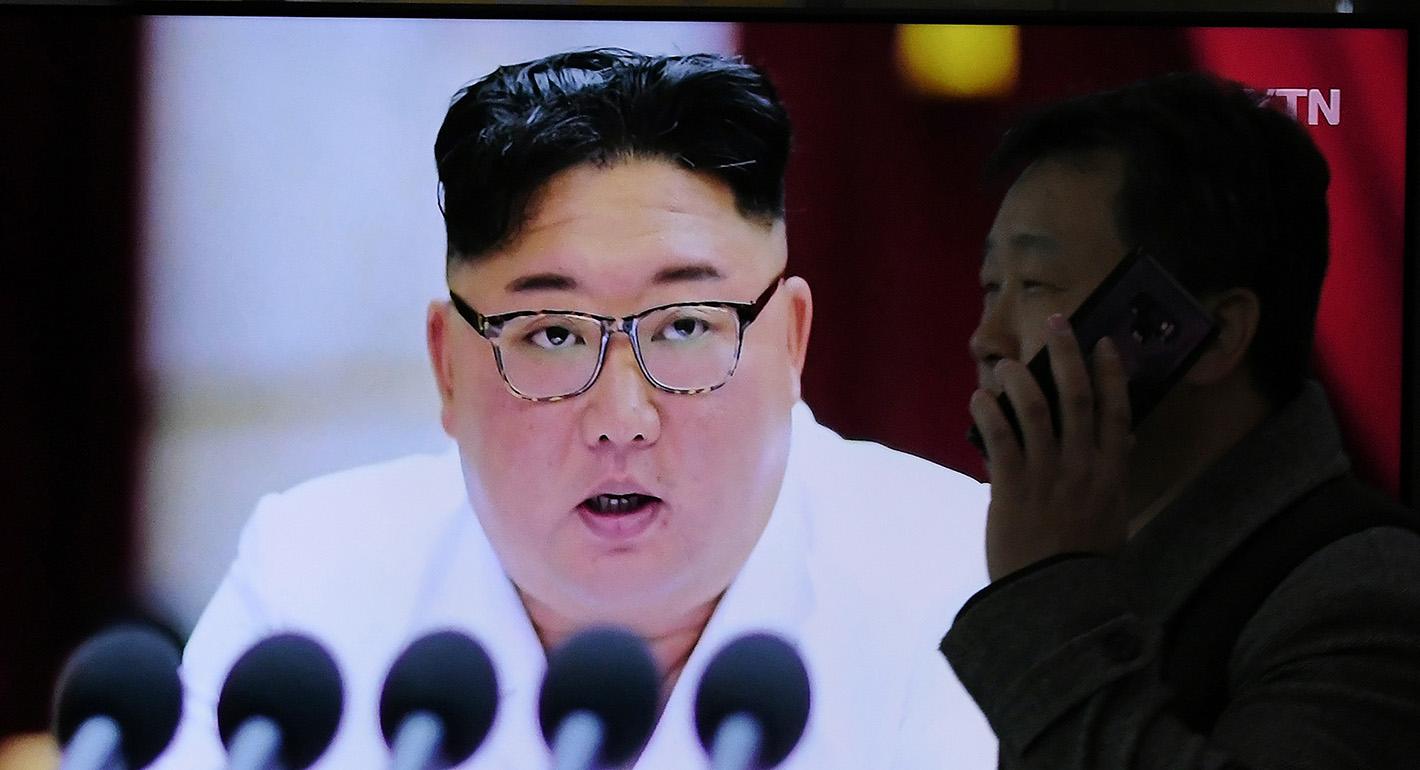
As North Korea continues to stall talks with the United States and South Korea, there is a greater need for China to play a more assertive role to help break the impasse.

Tong Zhao
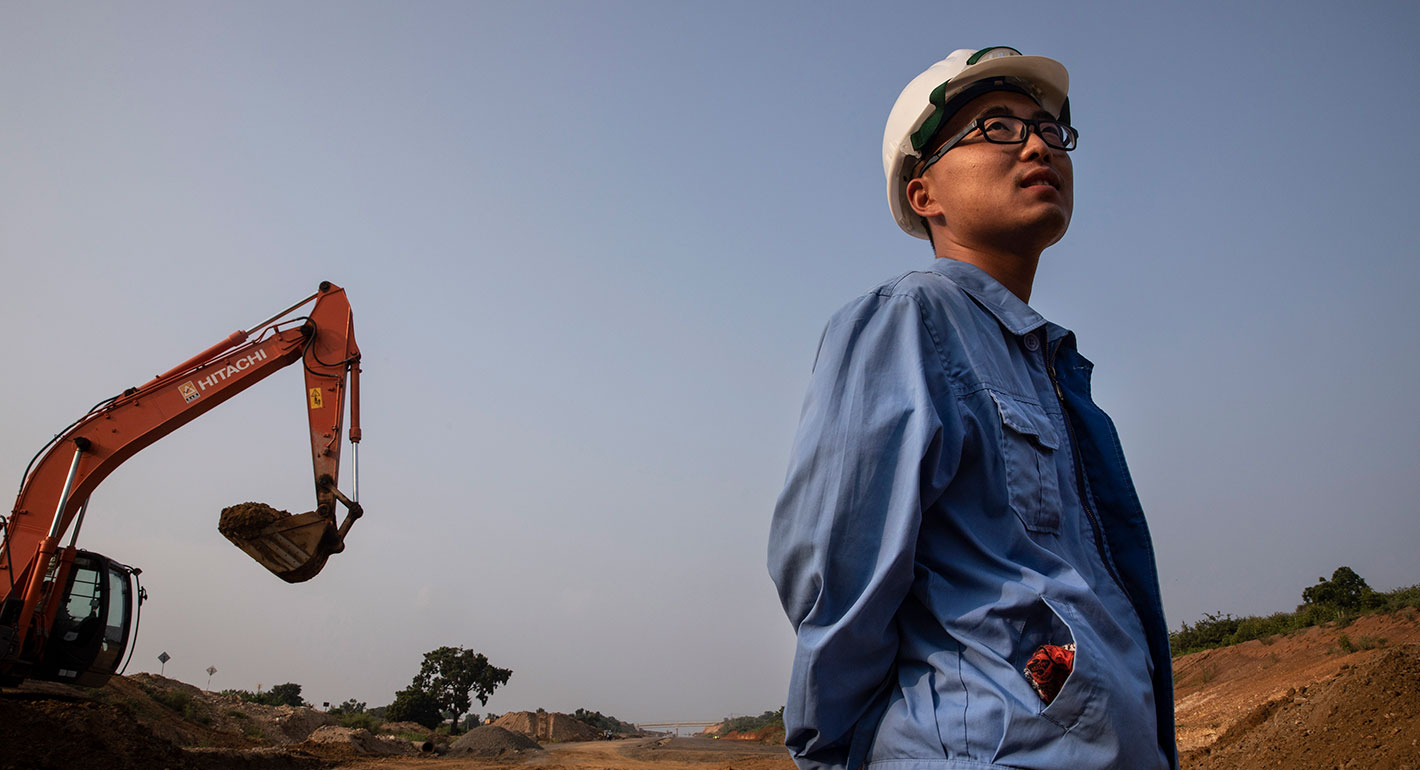
Pitched as a new Silk Road sweeping from Asia to Europe, China’s enormous Belt and Road Initiative is an ambitious, multinational infrastructure project. Experts from four Carnegie global centers explain other countries’ perspectives.


Paul Haenle, Dmitri Trenin, Alexander Gabuev, …
Despite the BRI’s prevalence in discussions of China’s global engagement, many experts are divided on how to interpret it. Is it a global strategy or just an interregional initiative? How can countries and international companies participate in its growth and development?
Feng Yujun, Alexander Gabuev, Paul Haenle, …
With the threat of nuclear war growing, China, Russia, and the United States should not wait until political relations improve before making efforts to manage new technologies.

James M. Acton, Tong Zhao, Li Bin