

Q&A
- +1
Amr Hamzawy, Andrew Leber, Eric Lob, …
{
  "authors": [
    "Marwan Muasher"
  ],
  "type": "legacyinthemedia",
  "centerAffiliationAll": "dc",
  "centers": [
    "Carnegie Endowment for International Peace",
    "Malcolm H. Kerr Carnegie Middle East Center"
  ],
  "collections": [
    "Arab Awakening"
  ],
  "englishNewsletterAll": "menaTransitions",
  "nonEnglishNewsletterAll": "",
  "primaryCenter": "Malcolm H. Kerr Carnegie Middle East Center",
  "programAffiliation": "MEP",
  "programs": [
    "Middle East"
  ],
  "projects": [],
  "regions": [
    "Middle East",
    "North Africa",
    "Levant",
    "Jordan"
  ],
  "topics": [
    "Political Reform",
    "Democracy"
  ]
}
Source: Getty
Mutual entrenchment still rules the relationship between secular and religious parties in the Arab world, but the time has come for an open, honest discussion that tackles their respective fears.
Source: Al Ghad
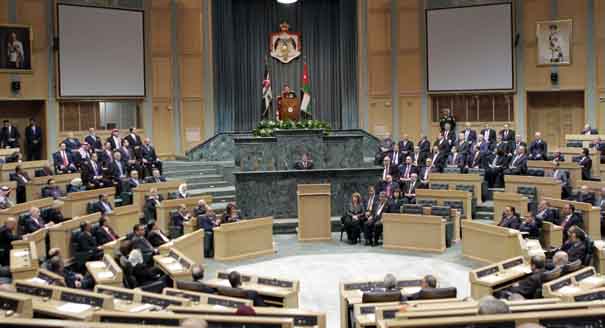
I was recently invited to give a lecture about citizenship at the headquarters of the Islamic Action Front, Jordan’s biggest Islamist party. I promptly accepted because I believe that the time has come for an open, honest discussion that tackles the respective existing fears of secular and religious parties toward one another.
Mutual entrenchment still rules the relationship between secular and religious parties in the Arab world. Secular groups often fear that their lives could be strongly affected should Islamist parties come to power, and it is now necessary to urge these parties to formulate a clear position on the principle of civil, democratic citizenship. But there is also a need to develop a modern civil democratic project that includes all parts of society and promotes sustainable stability and prosperity.
Much was said during the session. The audience was diverse, and was not limited to the members of the party or its followers. I was asked many honest questions about the commitment of religious parties toward political, religious, and social pluralism and diversity. I also heard many honest answers. Some agreed with me about equal citizenship, while others refused the notion of a social contract, arguing that only religion can define the status of human beings.
The discussion was generally civilized, but parts were also tense. It accurately reflected the lack of trust between religious and secular parties, which regularly try to deny or cancel each other out. In many Arab countries, there is a notable absence of serious discussion, at a national level, about how secular and religious groups perceive each other, and what they perceive their (respective) future to be. The Arab world is still at the phase of entrenchment. Everyone, within his or her own camp, wants to exclude or deny the other his or her equal rights and duties. As long as entrenchment and denial dominate the way of thinking of both secular and religious forces, the Arab world will never be able to create a place for all its sons and daughters.
A new social contract is needed that ensures equal status for all groups within society, that prevents one group’s domination over the other, and that does not distinguish between citizens for any reason, religious or otherwise. The new social contract should promote complete citizenship, granted for all individuals equally, by virtue of the constitution.
What is lacking today in the Arab world is a readiness for both groups to sit at the table and listen to the other. The key to building trust is first to listen and agree on common ground. Next, both groups must agree to disagree on irreconcilable topics. Trust is established when a social contract is implemented that respects these differences, but ensures full citizenship status to all despite them. This can only come about within the framework of equal citizenship that respects plurality and fosters diversity. Only equal citizenship can provide the full framework and structure needed to build a true civil democratic society. As Fares El Khoury famously said: “Religion is for God, but the nation is for all.”
Both sides are currently exercising politics of exclusion. Religious hardliners deny equal rights to secularists, and hardline secularists do not trust religious forces, and curtail and oppress them. It’s time to break the cycle. The entrenchment that denies and cancels out the other can only lead to social clashes, with negative consequences for all. The absence of trust is in itself reason enough to develop a new social contract. Tunisia was able to achieve such a contract when it realized that all parties needed to emerge from their own trenches and reach out to the other. The whole Arab world can, and should, do the same.

Vice President for Studies
Marwan Muasher is vice president for studies at Carnegie, where he oversees research in Washington and Beirut on the Middle East. Muasher served as foreign minister (2002–2004) and deputy prime minister (2004–2005) of Jordan, and his career has spanned the areas of diplomacy, development, civil society, and communications.
Recent Work



Amr Hamzawy, Andrew Leber, Eric Lob, …
Marwan Muasher
Carnegie does not take institutional positions on public policy issues; the views represented herein are those of the author(s) and do not necessarily reflect the views of Carnegie, its staff, or its trustees.
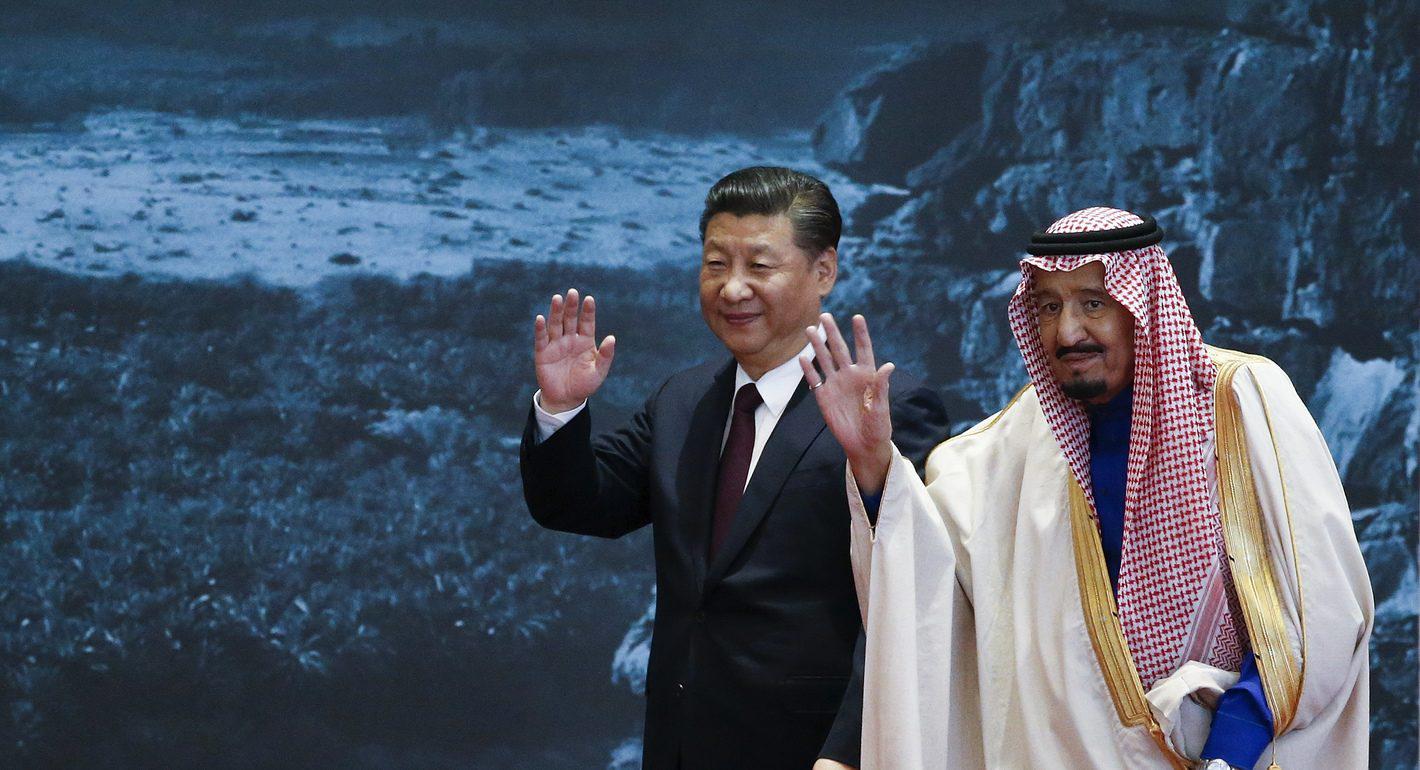
The advantage that China has over other global powers, especially America, is that its foreign policy is closely aligned with those of many of the Middle Eastern countries.


Jin Liangxiang, Maha Yahya, Hesham Alghannam
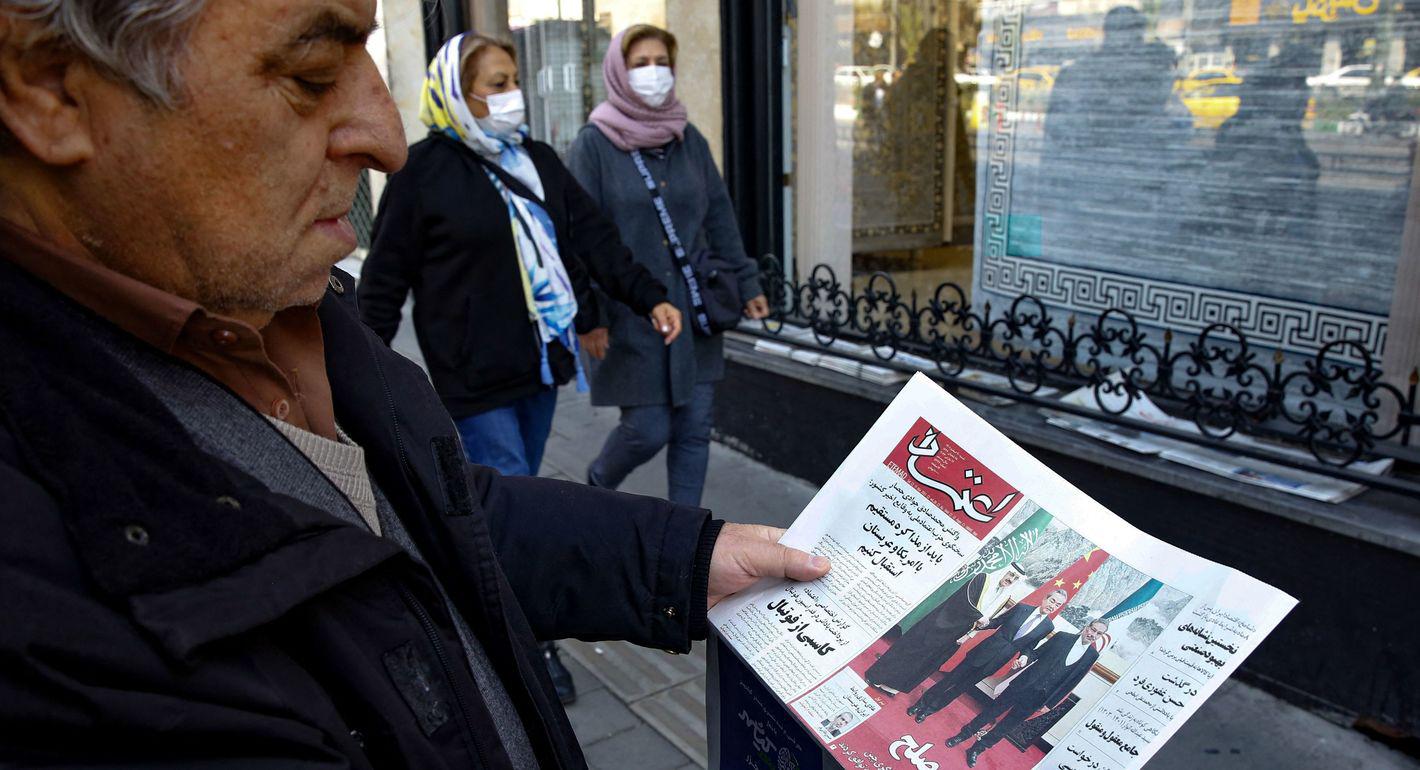
Transactional relationships are stable but can be shallow.

Paul Haenle, Maha Yahya, Benjamin Ho, …
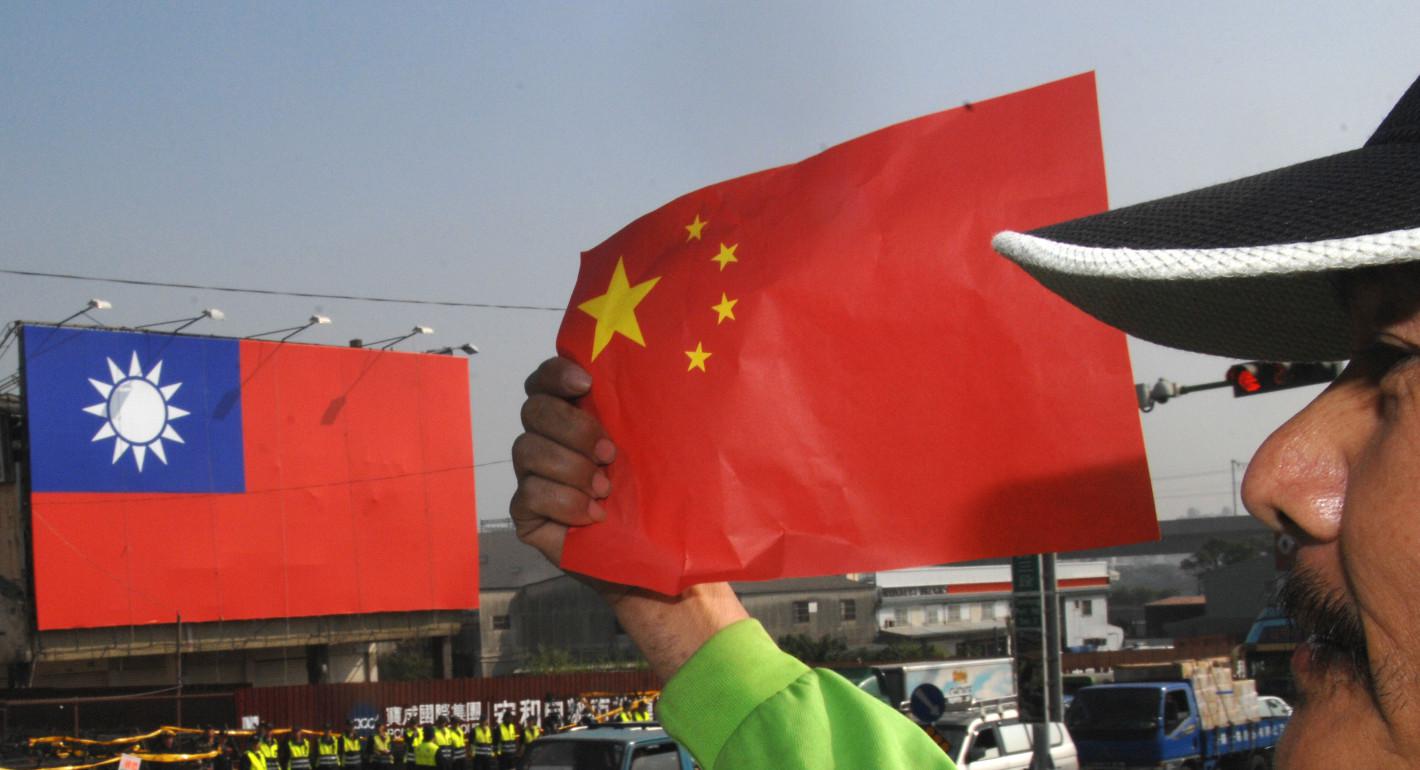
Beijing says that over 180 countries accept its “one China principle” regarding Taiwan, but the reality is more complicated.

Chong Ja Ian
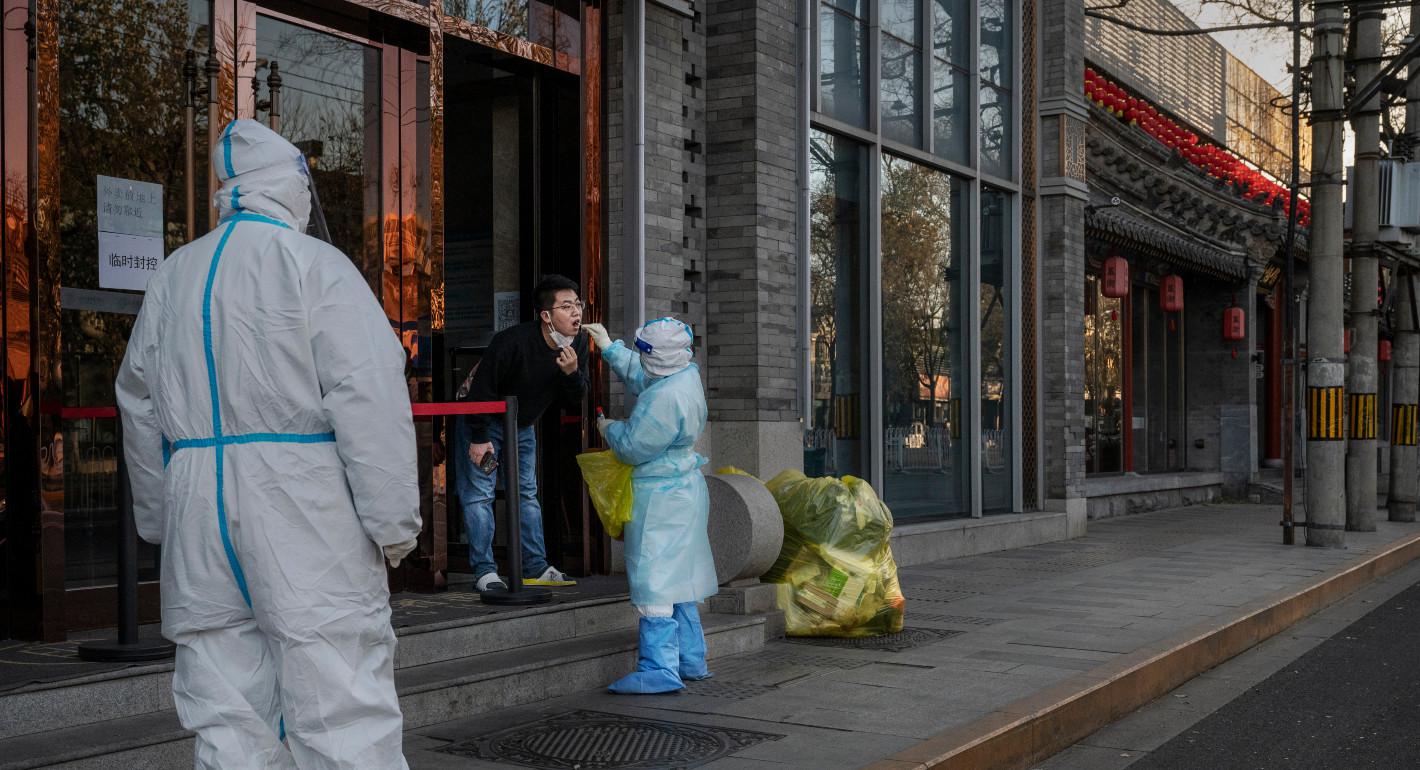
Beijing must choose between preserving its pandemic narrative or facing more unrest.
Paul Haenle
It’s about managing oil prices, bread prices, and strategic partnerships.


Amr Hamzawy, Karim Sadjadpour, Aaron David Miller, …