

Commentary
Maha Yahya
{
  "authors": [
    "Maha Yahya"
  ],
  "type": "legacyinthemedia",
  "centerAffiliationAll": "dc",
  "centers": [
    "Carnegie Endowment for International Peace",
    "Malcolm H. Kerr Carnegie Middle East Center"
  ],
  "collections": [],
  "englishNewsletterAll": "menaTransitions",
  "nonEnglishNewsletterAll": "",
  "primaryCenter": "Malcolm H. Kerr Carnegie Middle East Center",
  "programAffiliation": "MEP",
  "programs": [
    "Middle East"
  ],
  "projects": [],
  "regions": [
    "Levant",
    "Syria",
    "Middle East"
  ],
  "topics": [
    "Political Reform"
  ]
}
Source: Getty
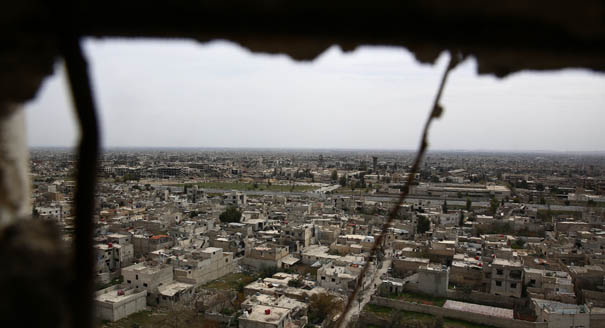
With no clear end to the Syria conflict in sight , the idea of federalism, which has attracted considerable attention and controversy, is being discussed.
Source: Al-Jazeera
The resumption of talks in Geneva coincides with the fifth anniversary of the conflict in Syria. The fighting has slowed considerably since a fragile ceasefire brokered by the US and Russia, came into force almost two weeks ago. However, a permanent peace deal and full ceasefire remain a distant possibility. As Staffan de Mistura, the UN special envoy for Syria, prepares to meet delegations from the government and opposition groups, the idea of federalism is being discussed. The idea has attracted considerable attention and controversy. But could both sides consider federalism? And will the latest round of talks yield any concrete results?
Marwan Kabalan, Syrian academic and writer and Associate Analyst at the Doha Institute for Graduate Studies, Maha Yahya, acting director of the Carnegie Middle East Center, and Julien Barnes-Dacey, senior policy fellow in the Middle East and North Africa Program at the European Council on Foreign Relations, discuss whether both sides could consider federalism and assess whether the latest round of talks will yield any concrete results.
Director, Malcolm H. Kerr Carnegie Middle East Center
Maha Yahya is director of the Malcolm H. Kerr Carnegie Middle East Center, where her research focuses on citizenship, pluralism, and social justice in the aftermath of the Arab uprisings.
Recent Work
Maha Yahya
Maha Yahya
Carnegie does not take institutional positions on public policy issues; the views represented herein are those of the author(s) and do not necessarily reflect the views of Carnegie, its staff, or its trustees.
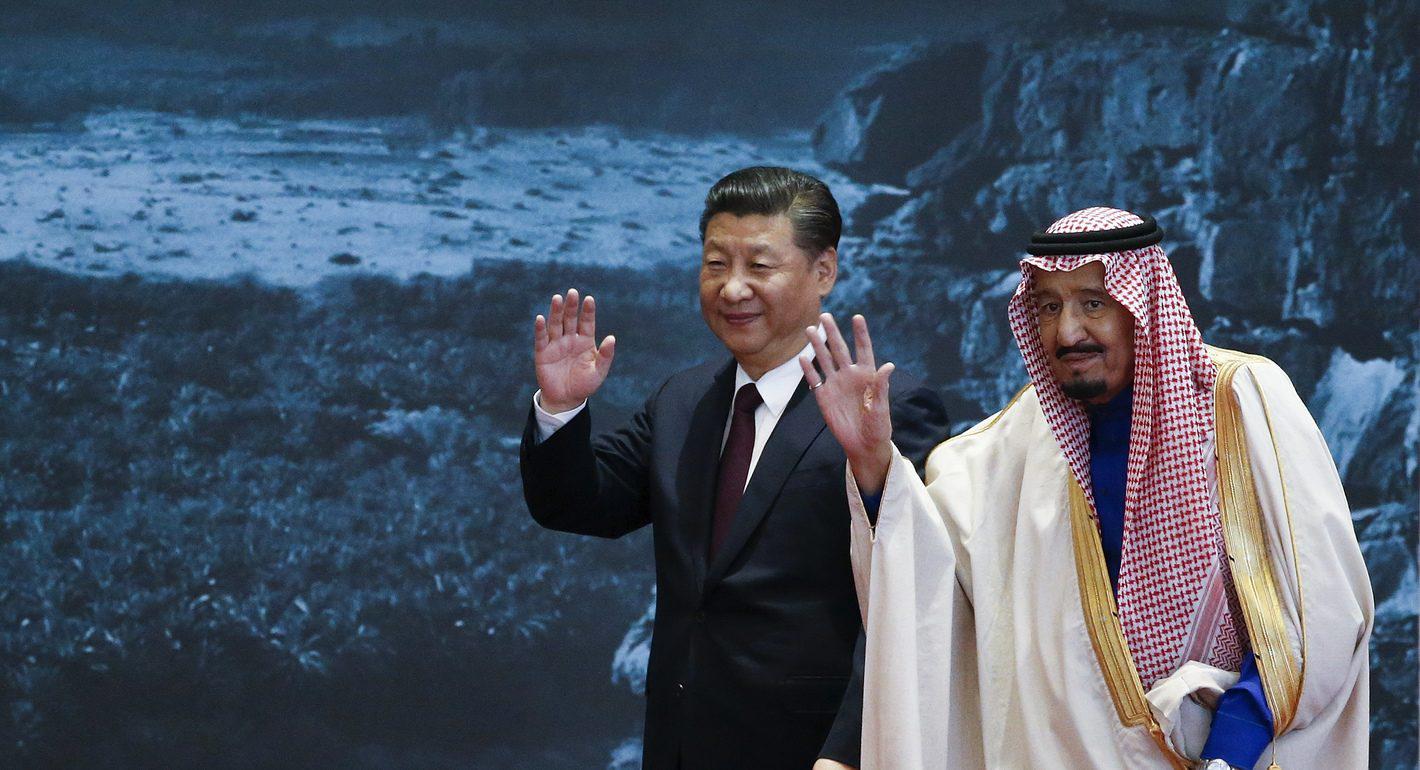
The advantage that China has over other global powers, especially America, is that its foreign policy is closely aligned with those of many of the Middle Eastern countries.

Jin Liangxiang, Maha Yahya, Hesham Alghannam
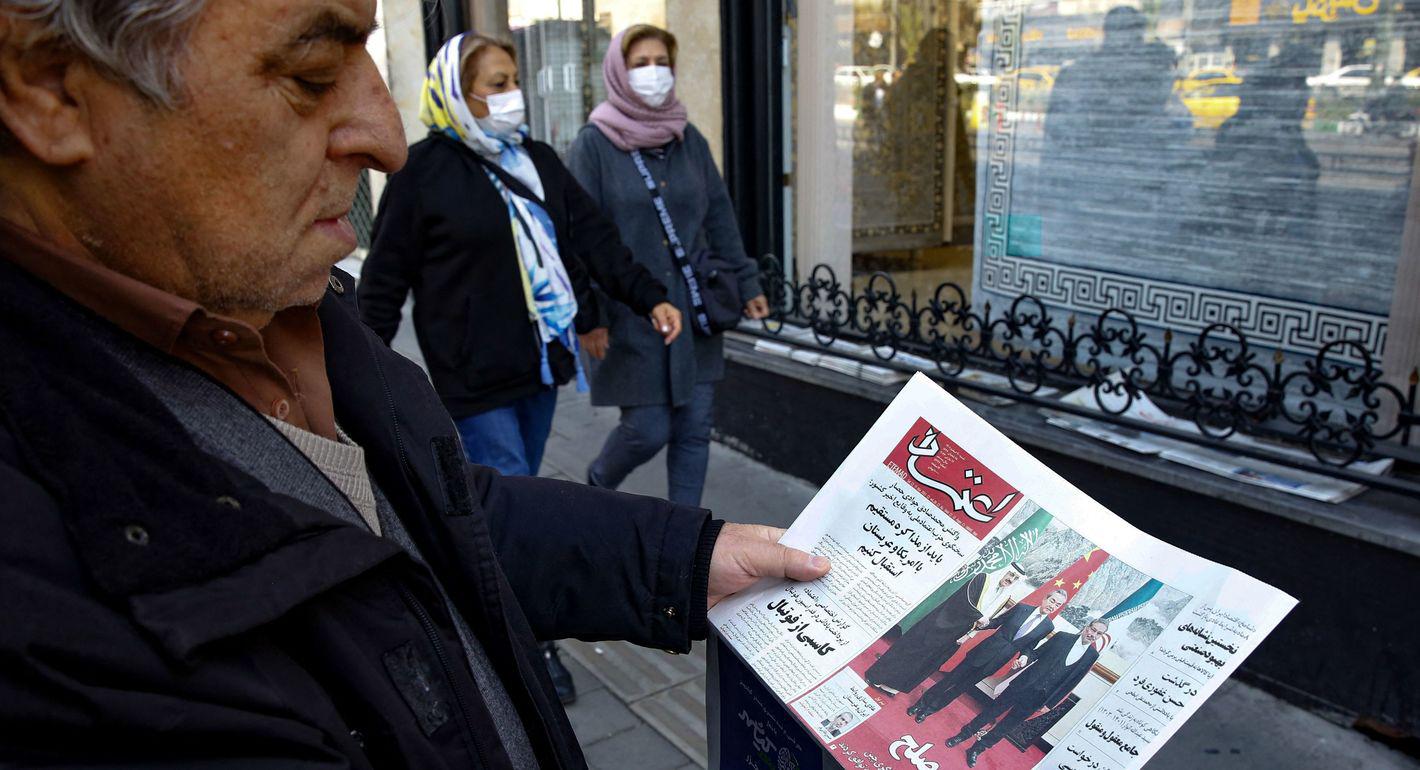
Transactional relationships are stable but can be shallow.

Paul Haenle, Maha Yahya, Benjamin Ho, …

It’s about managing oil prices, bread prices, and strategic partnerships.



Amr Hamzawy, Karim Sadjadpour, Aaron David Miller, …
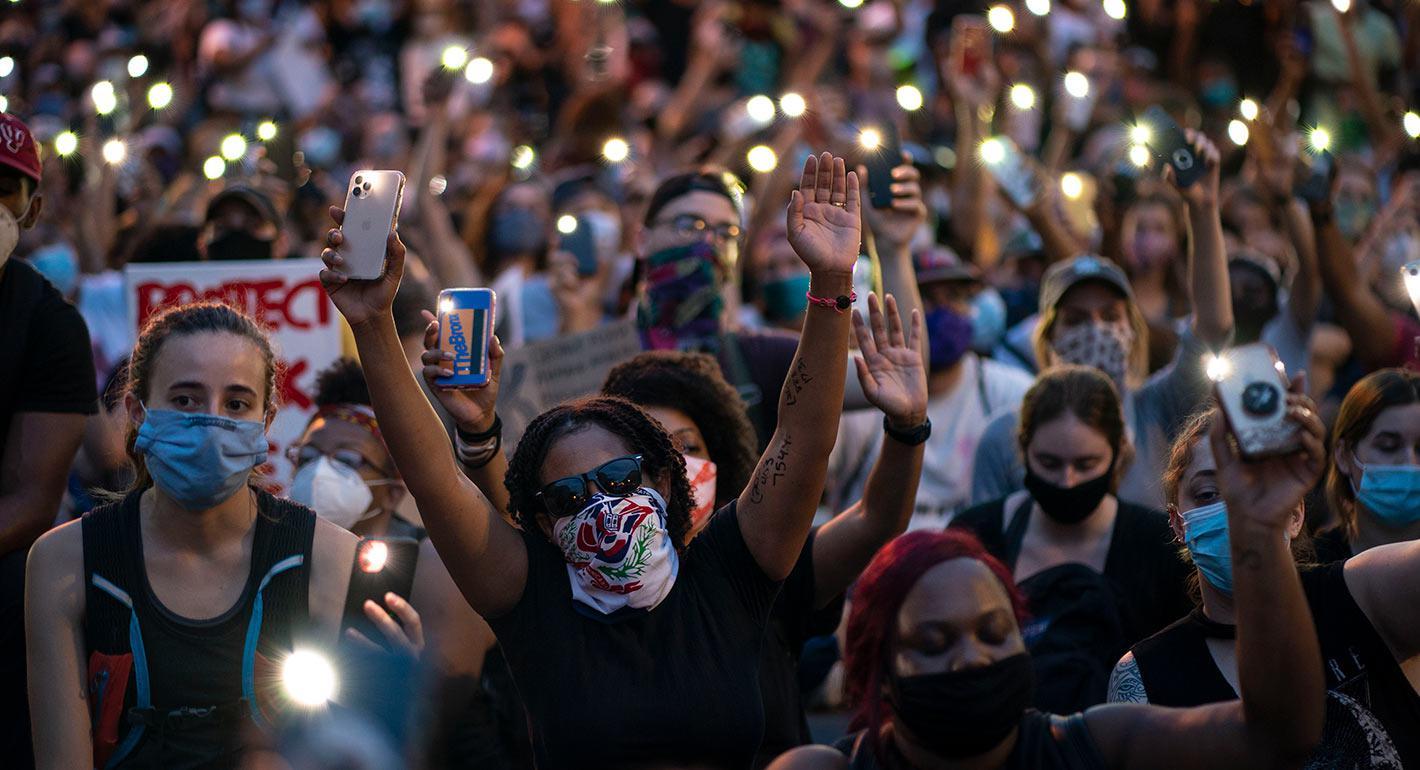
The murder of George Floyd has underscored the deep inequities that have long plagued American society. In a note to the Carnegie community, Bill Burns reflects on Carnegie’s commitment to build a more just future here at home and around the world, without which peace will remain beyond our grasp.
William J. Burns
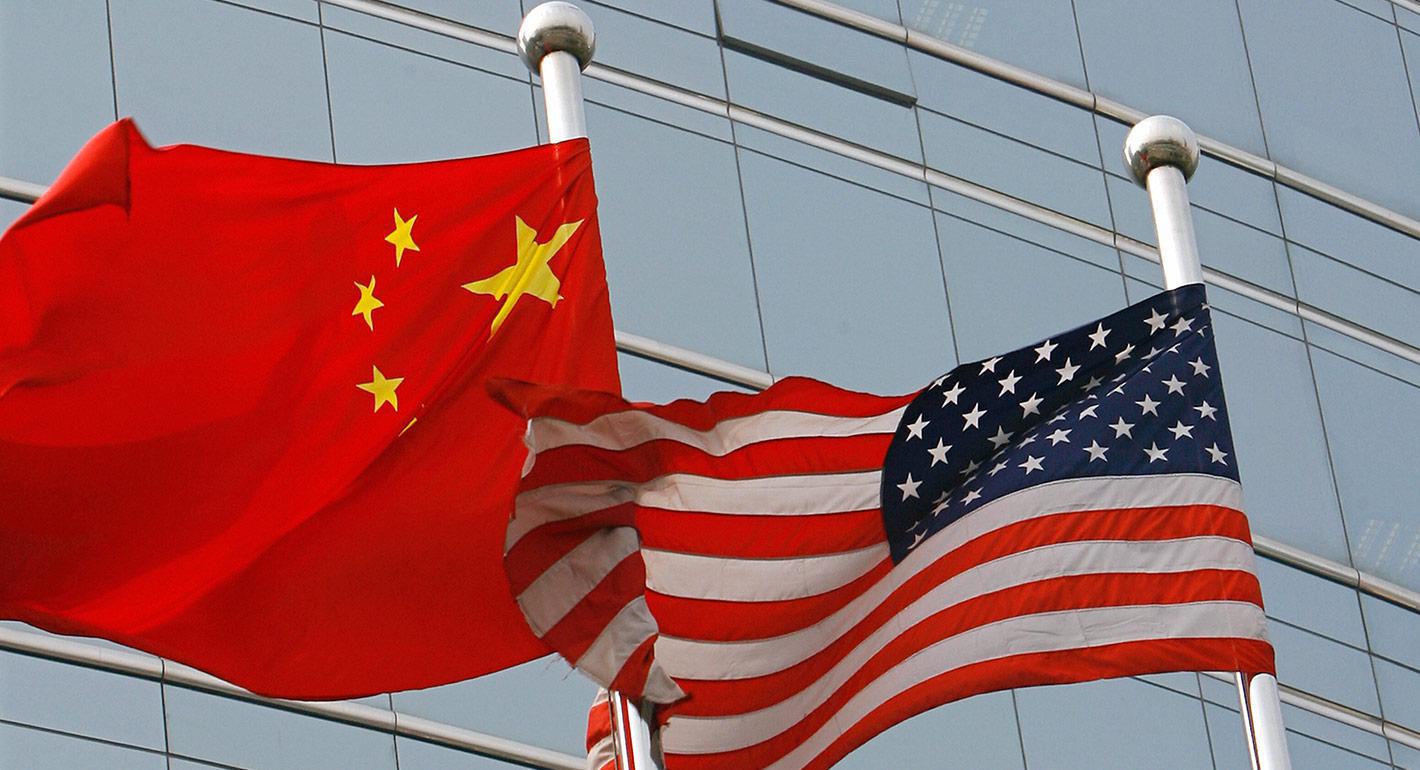
While the world hoped this pandemic might lead to more cooperation between these two great powers, American and Chinese leaders instead fell into a blame game and allowed their increasing suspicions to guide their decision-making.
Lyu Jinghua