

Research
- +5
Alper Coşkun, Fatih Ceylan, Tacan İldem, …
{
  "authors": [
    "Sinan Ülgen"
  ],
  "type": "legacyinthemedia",
  "centerAffiliationAll": "dc",
  "centers": [
    "Carnegie Endowment for International Peace",
    "Carnegie Europe"
  ],
  "collections": [
    "Turkey’s Transformation"
  ],
  "englishNewsletterAll": "ctw",
  "nonEnglishNewsletterAll": "",
  "primaryCenter": "Carnegie Europe",
  "programAffiliation": "EP",
  "programs": [
    "Europe"
  ],
  "projects": [],
  "regions": [
    "Europe",
    "Türkiye",
    "Middle East",
    "Iran"
  ],
  "topics": [
    "Security"
  ]
}
Source: Getty
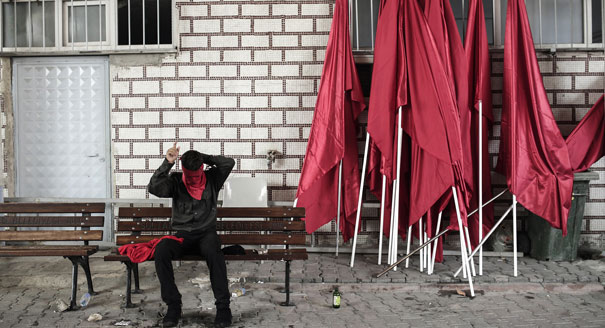
Terrorist attacks in Turkey continue to exacerbate the fracture between the Turkish government and the Kurds. As radicalization increases, is there hope for a political settlement?
Source: Australian Broadcasting Corporation
Carnegie Europe’s Sinan Ülgen joined ABC’s Beverley O’Connor to discuss the increasing occurrence of terrorist attacks in Turkey. Ülgen argued that the increased frequency of attacks was a direct consequence of the breakdown in peace talks between the insurgent Kurdistan Workers’ Party (PKK) and government forces in 2015. Now locked in a bitter struggle, the Kurdish movement is exporting ever more violence to metropolitan areas, such as Ankara and Istanbul.
Despite increased military action in Turkey’s southeast, Ülgen reaffirmed that a political settlement is the only way to bring an end to the conflict. Ülgen stated that any opportunity to return to peace was further undermined following the decision of President Recep Tayyip Erdoğan to lift Turkish parliamentarians’ immunity from prosecution, which would effectively remove any pro-Kurdish opposition party in the parliament.

Senior Fellow, Carnegie Europe
Sinan Ülgen is a senior fellow at Carnegie Europe in Brussels, where his research focuses on Turkish foreign policy, transatlantic relations, international trade, economic security, and digital policy.
Recent Work

Alper Coşkun, Fatih Ceylan, Tacan İldem, …
Carnegie does not take institutional positions on public policy issues; the views represented herein are those of the author(s) and do not necessarily reflect the views of Carnegie, its staff, or its trustees.
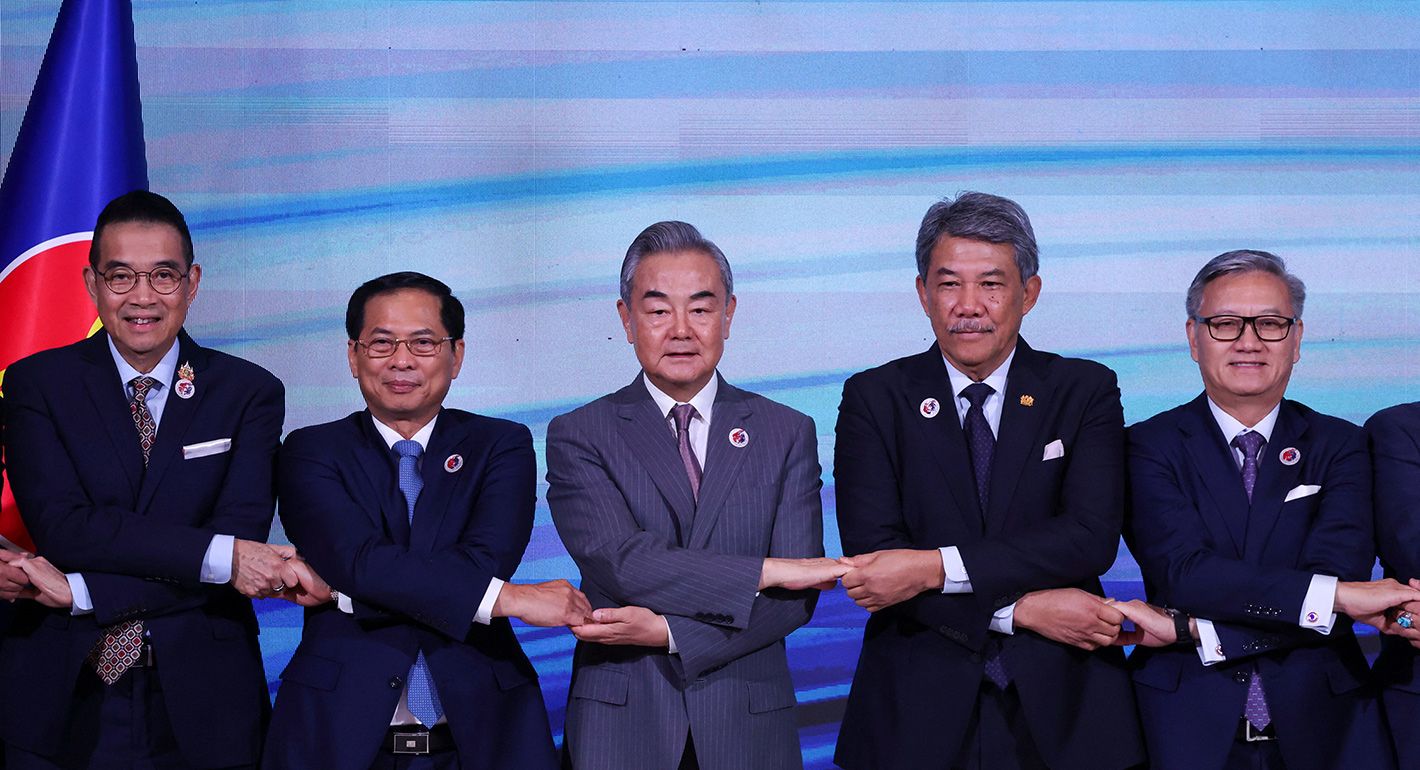
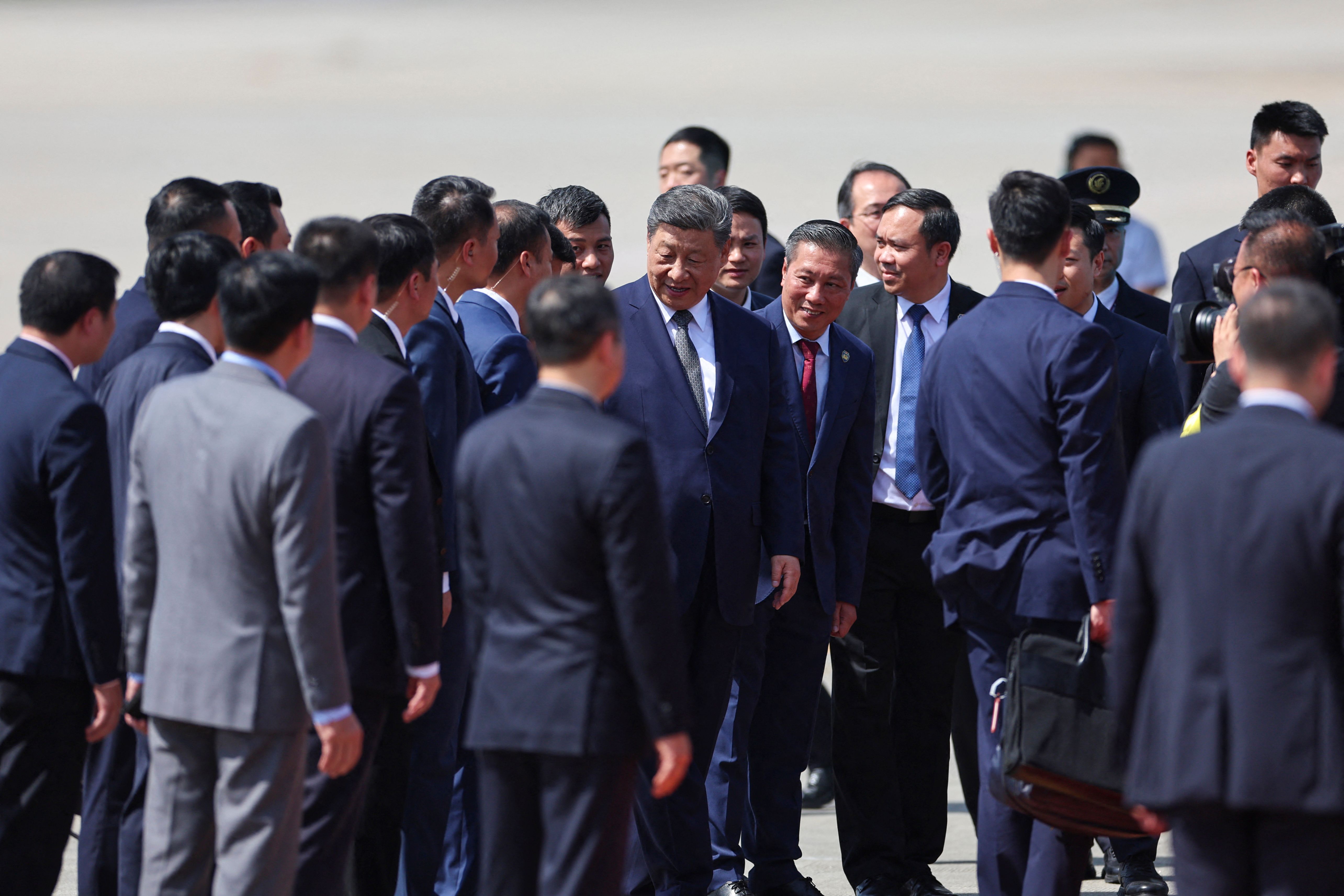
The Thai-Cambodian conflict highlights the limits to China's peacemaker ambition and the significance of this role on Southeast Asia’s balance of power.
Pongphisoot (Paul) Busbarat
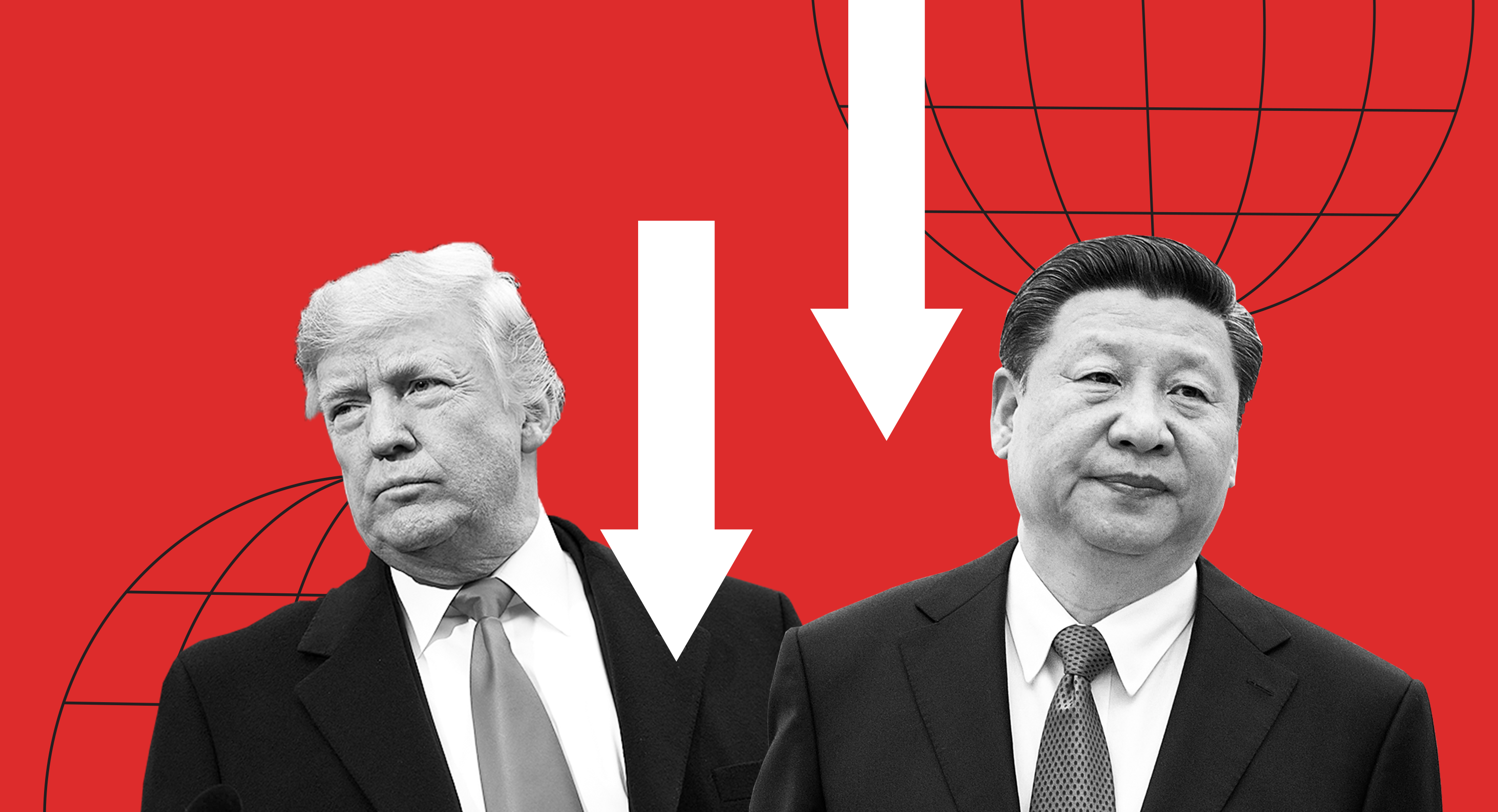
Beijing believes that Washington is overestimating its own leverage and its ability to handle the trade war’s impacts.


Rick Waters, Sheena Chestnut Greitens
Tapping our network of China experts in the region, Carnegie China offers this latest “China Through a Southeast Asian Lens” report to offer preliminary assessments of whether the U.S. effort to reshape the global trading order will lead countries in the region to tilt toward Beijing.


Selina Ho, Khin Khin Kyaw Kyee, Joseph Ching Velasco, …
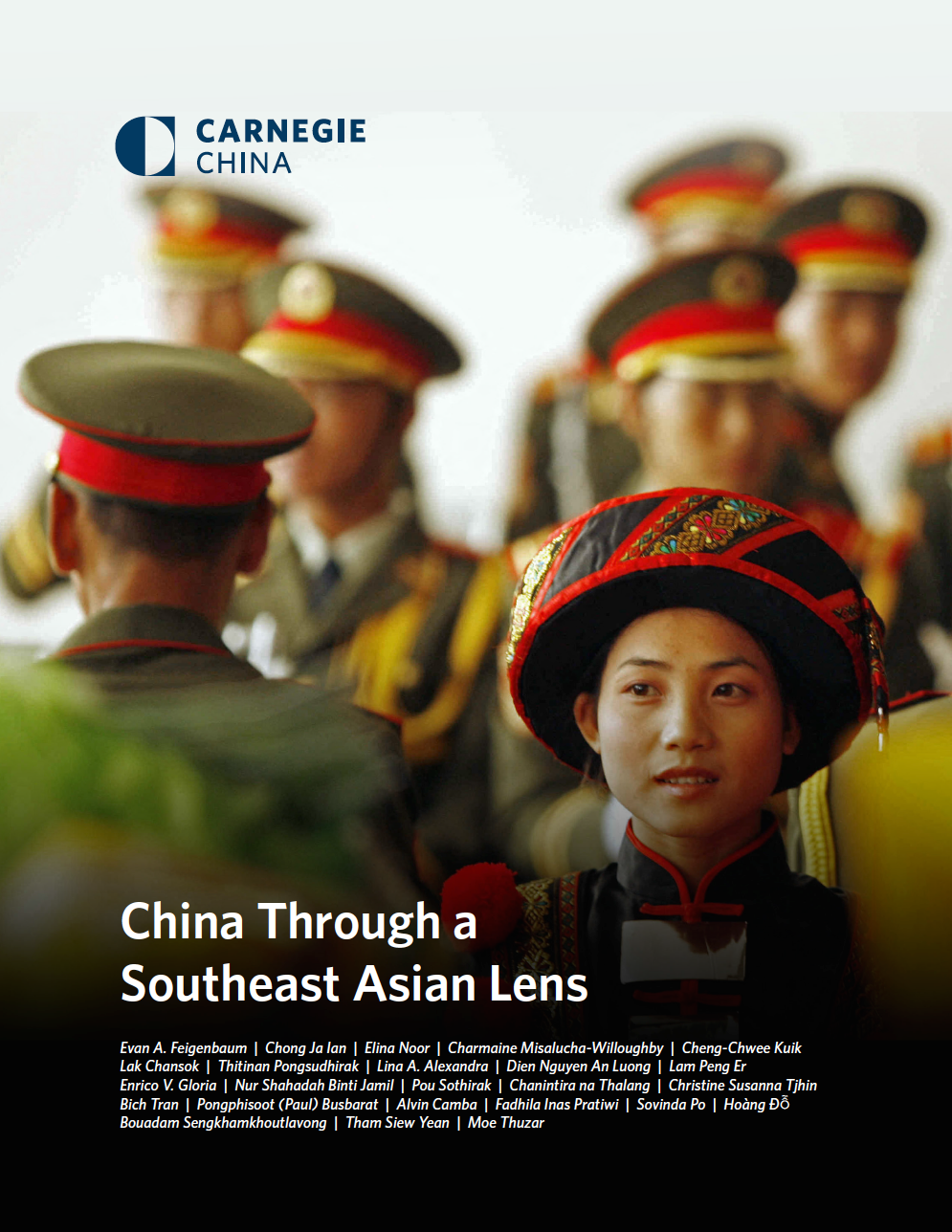
Because strategic, economic, and ideological perceptions of China contain multiple, sometimes contradictory facets in Southeast Asia, receptions of and responses to Beijing diverge across and within state lines.



Evan A. Feigenbaum, Chong Ja Ian, Elina Noor
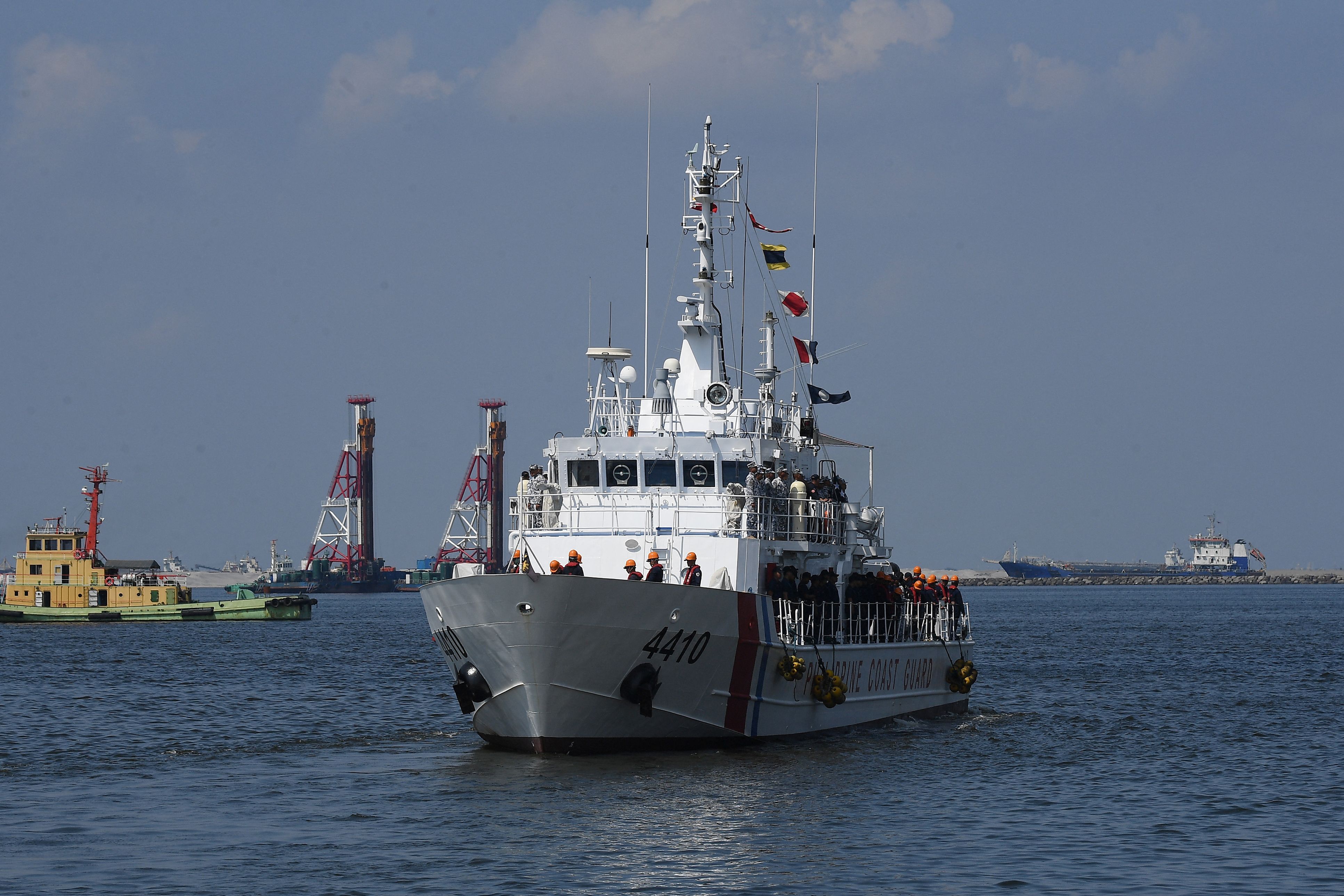
Most Southeast Asian states behave as if the actions of their Northeast Asian neighbors and the Philippines will be sufficient to maintain a regional status quo from which they can benefit.
Chong Ja Ian