

Paper
Renad Mansour, Faleh A. Jabar
{
  "authors": [
    "Renad Mansour"
  ],
  "type": "legacyinthemedia",
  "centerAffiliationAll": "dc",
  "centers": [
    "Carnegie Endowment for International Peace",
    "Malcolm H. Kerr Carnegie Middle East Center"
  ],
  "collections": [],
  "englishNewsletterAll": "menaTransitions",
  "nonEnglishNewsletterAll": "",
  "primaryCenter": "Malcolm H. Kerr Carnegie Middle East Center",
  "programAffiliation": "MEP",
  "programs": [
    "Middle East"
  ],
  "projects": [],
  "regions": [
    "Levant",
    "Iraq",
    "Middle East"
  ],
  "topics": [
    "Political Reform"
  ]
}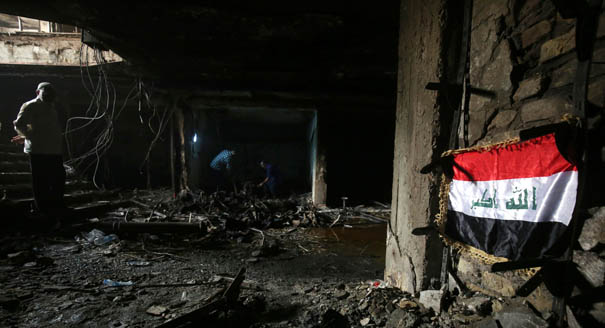
Source: Getty
The tragic Baghdad bombings are a consequence of the Islamic State's changing tactics and divisions within Iraq's political and security establishment.
Source: Radio Sputnik
Carnegie’s Renad Mansour spoke with Radio Sputnik on the tragic bombings that took place in Baghdad on Sunday. Mansour argued that the bombings were a consquence of divisions within Iraq's security establishment as it is divided between the central government, the Popular Mobilization Forces, and neighborhood patrols. Mansour stated that due to these divisions, the government is incapable of preventing such bombings. Mansour noted that the Islamic State has begun to change its tactics in Iraq, switching from attemping to conquer cities to asymmetric warfare in order to cause chaos. Mansour also discussed how Iraqi citizens want change on the political level and that they believe the government is not capable to provide for them. Mansour then discussed Prime Minister Haidar Abadi's political future as he is facing opposition from within his own party and ordinary citizens. Mansour argued that it is still unlear whether Abadi will leave or use this as an opportunity to enact reforms. He also stated that there is a general fear of who would be able to succeed Abadi.

Former El-Erian Fellow, Middle East Center
Mansour was an El-Erian fellow at the Carnegie Middle East Center, where his research focuses on Iraq, Iran, and Kurdish affairs.
Recent Work
Renad Mansour, Faleh A. Jabar
Renad Mansour
Carnegie does not take institutional positions on public policy issues; the views represented herein are those of the author(s) and do not necessarily reflect the views of Carnegie, its staff, or its trustees.
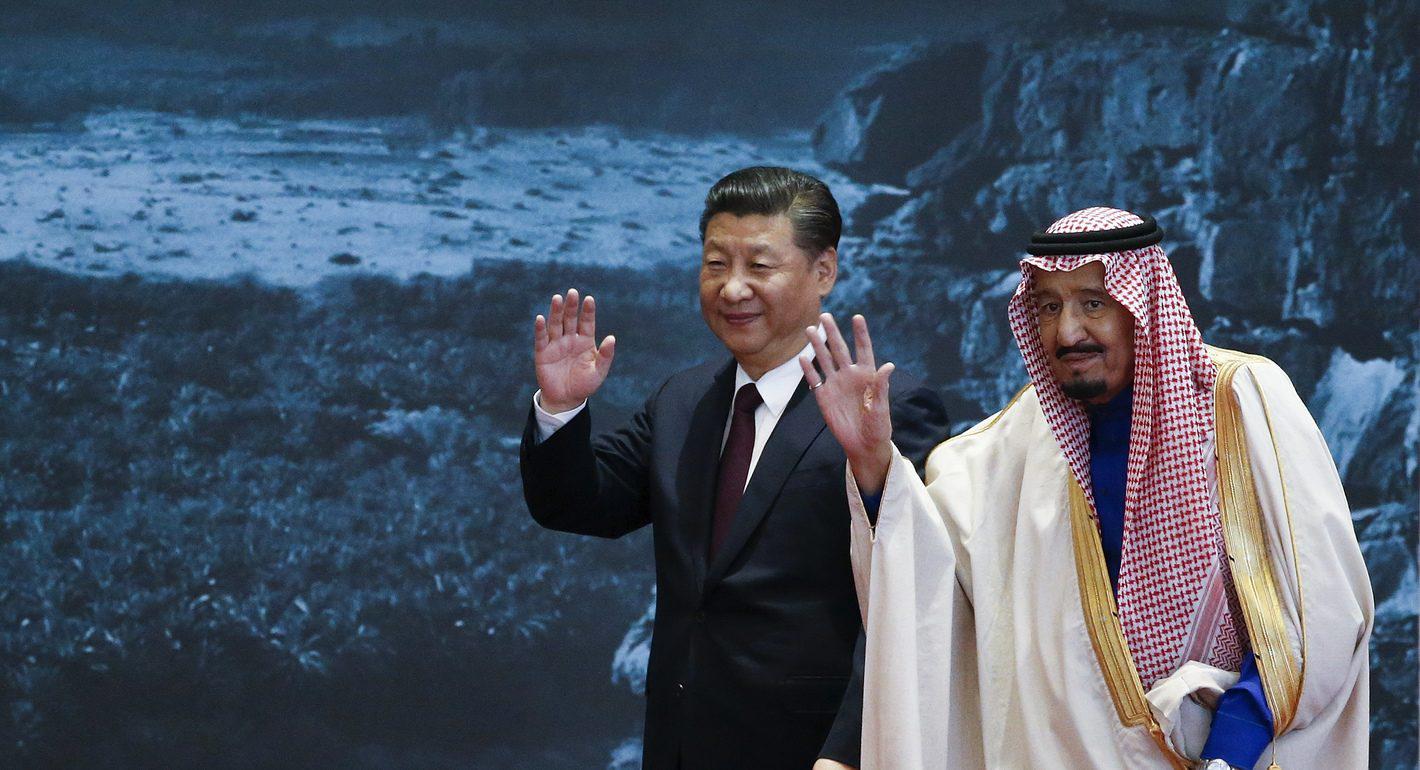
The advantage that China has over other global powers, especially America, is that its foreign policy is closely aligned with those of many of the Middle Eastern countries.



Jin Liangxiang, Maha Yahya, Hesham Alghannam
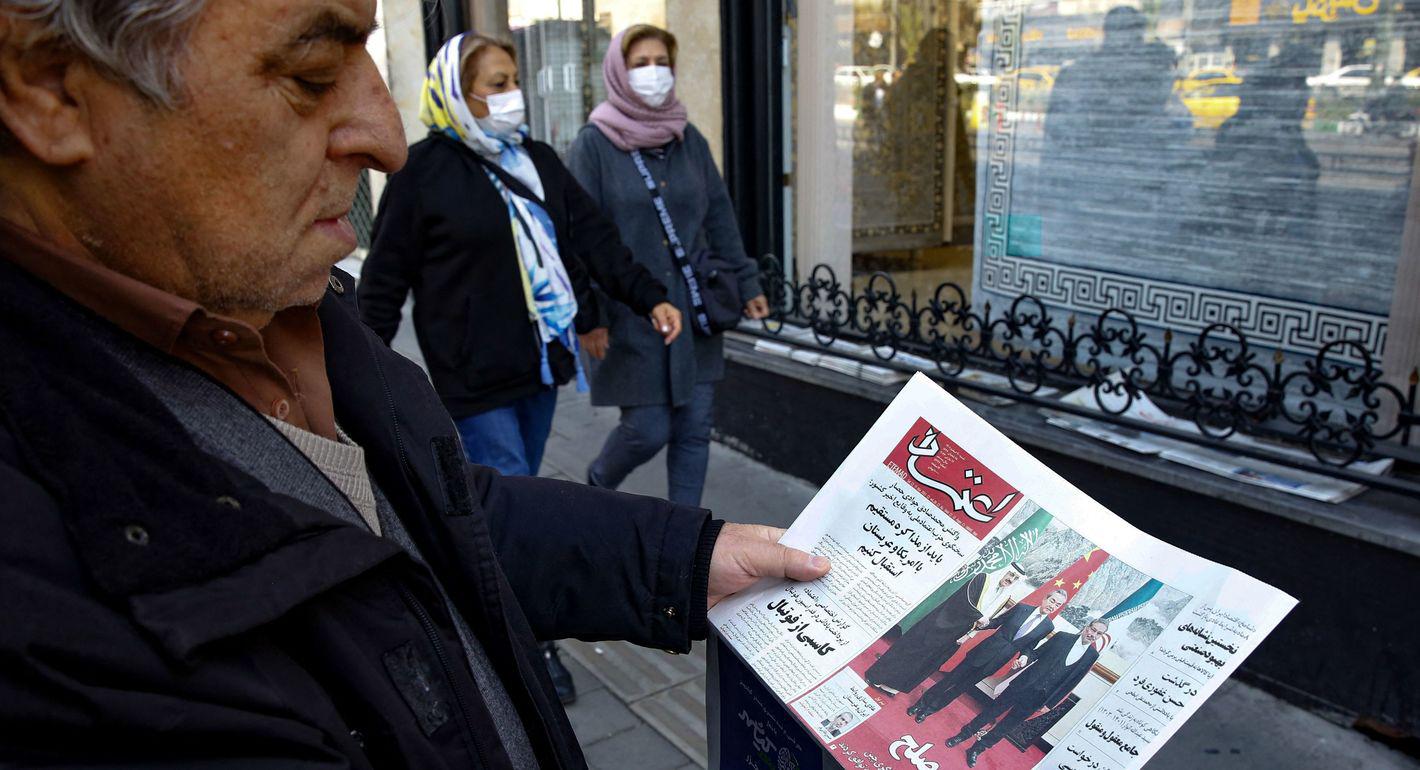
Transactional relationships are stable but can be shallow.


Paul Haenle, Maha Yahya, Benjamin Ho, …
It’s about managing oil prices, bread prices, and strategic partnerships.



Amr Hamzawy, Karim Sadjadpour, Aaron David Miller, …
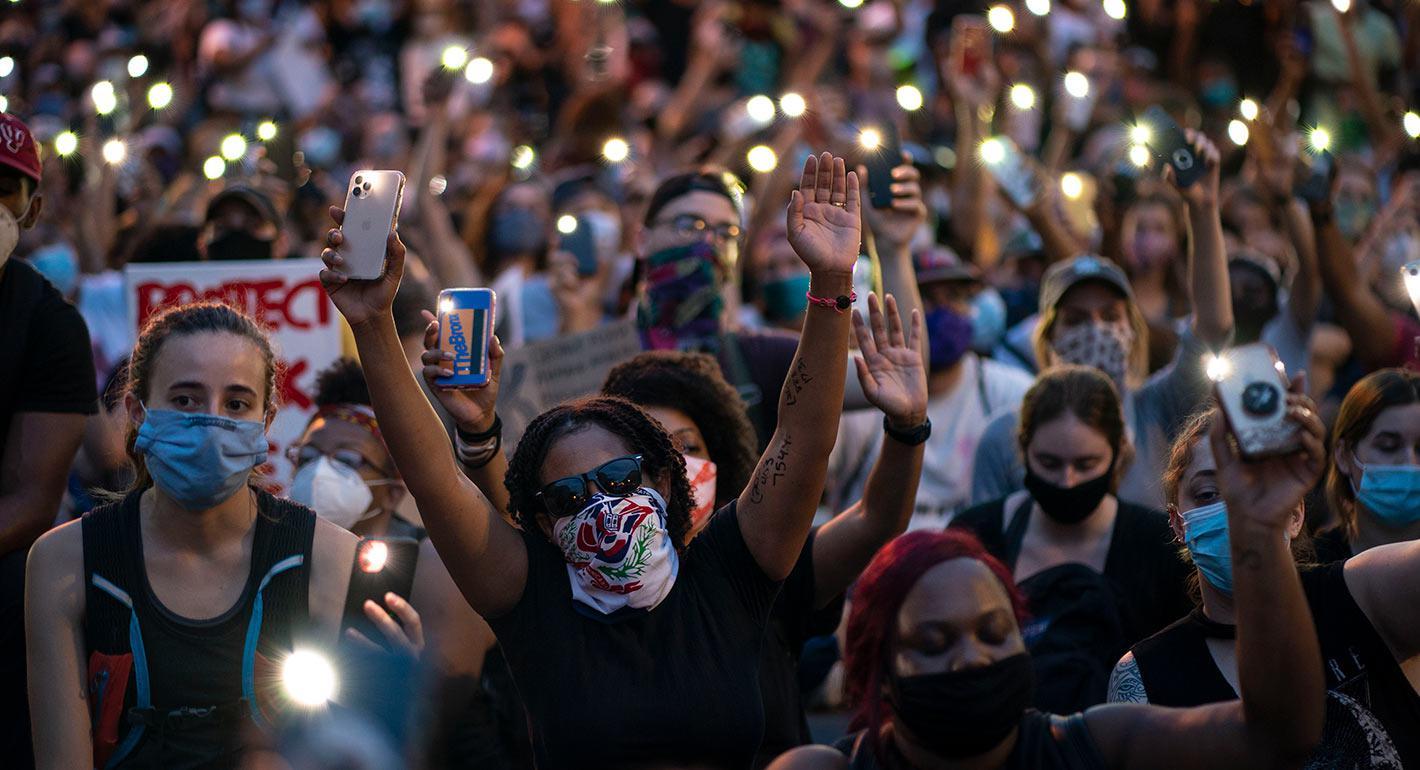
The murder of George Floyd has underscored the deep inequities that have long plagued American society. In a note to the Carnegie community, Bill Burns reflects on Carnegie’s commitment to build a more just future here at home and around the world, without which peace will remain beyond our grasp.
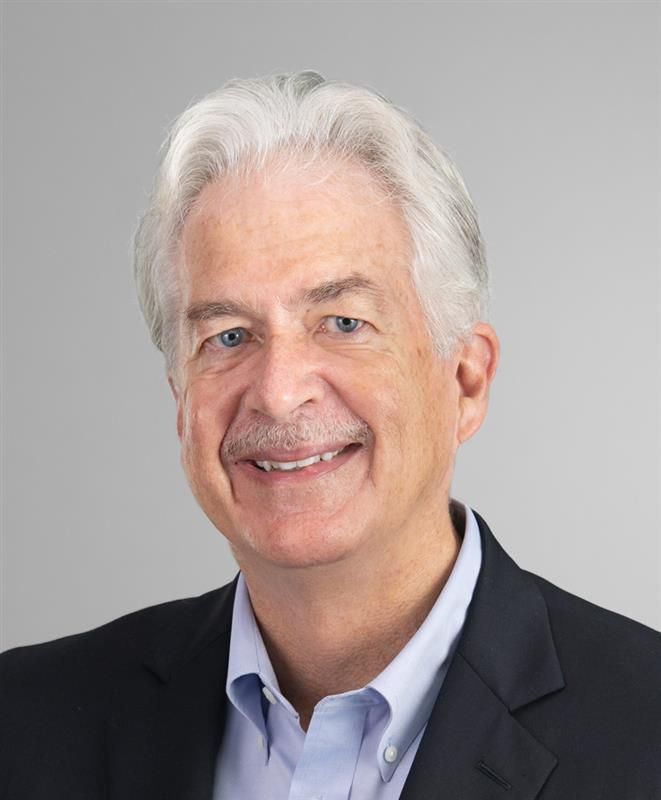
William J. Burns

While the world hoped this pandemic might lead to more cooperation between these two great powers, American and Chinese leaders instead fell into a blame game and allowed their increasing suspicions to guide their decision-making.
Lyu Jinghua