

Commentary
Malaysia’s chairmanship sought to fend off short-term challenges while laying the groundwork for minimizing ASEAN’s longer-term exposure to external stresses.
Elina Noor
{
  "authors": [
    "C. Raja Mohan",
    "Arushi Kumar",
    "Constantino Xavier"
  ],
  "type": "other",
  "centerAffiliationAll": "",
  "centers": [
    "Carnegie Endowment for International Peace",
    "Carnegie India"
  ],
  "collections": [],
  "englishNewsletterAll": "",
  "nonEnglishNewsletterAll": "",
  "primaryCenter": "Carnegie India",
  "programAffiliation": "",
  "programs": [],
  "projects": [],
  "regions": [
    "South Asia",
    "Afghanistan",
    "India",
    "Western Europe"
  ],
  "topics": [
    "Foreign Policy"
  ]
}
Source: Getty
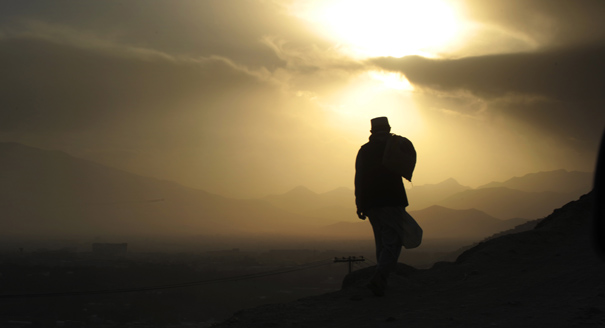
After 15 years of limited cooperation, India and the EU have the opportunity to join forces on promoting peace and stability in Afghanistan.
Source: Global Public Policy Institute
With the US seeking to limit its international role amidst domestic political resistance, India and Europe are facing increased pressure to take on greater international responsibilities. Delhi and Brussels are both pursuing a more ambitious role in international security affairs, and the imperative for strategic cooperation between them is growing. After 15 years of limited cooperation, India and the EU have the opportunity to join forces on promoting peace and stability in Afghanistan. Despite extraordinary international attention paid to Afghanistan since the turn of the millennium, prospects for the current regime’s failure have increased. A Taliban victory in Afghanistan would impose severe costs on India and Europe in terms of refugee inflows and terrorist threats. To prevent this, cooperation between India and the EU should be directed towards improving Kabul’s odds of defeating the Taliban offensive and enhancing its leverage in the negotiations on regional reconciliation. This will require greater trilateral coordination between Kabul, Brussels and New Delhi, in conjunction with a dual track approach that demands short-term emphasis on political and military consultations on the changing ground conditions, along with with a long-term focus on continued economic assistance to strengthen a moderate and stable Afghan regime.
This policy paper was originally published by the Global Public Policy Institute.
Former Nonresident Senior Fellow, Carnegie India
A leading analyst of India’s foreign policy, Mohan is also an expert on South Asian security, great-power relations in Asia, and arms control.
Arushi Kumar
Former Fellow, Carnegie India
Constantino Xavier was a fellow at Carnegie India, based in New Delhi. His research focus is on India’s foreign policy, with emphasis on relations with its neighboring countries and South Asian regional security.
Carnegie does not take institutional positions on public policy issues; the views represented herein are those of the author(s) and do not necessarily reflect the views of Carnegie, its staff, or its trustees.

Malaysia’s chairmanship sought to fend off short-term challenges while laying the groundwork for minimizing ASEAN’s longer-term exposure to external stresses.

Elina Noor
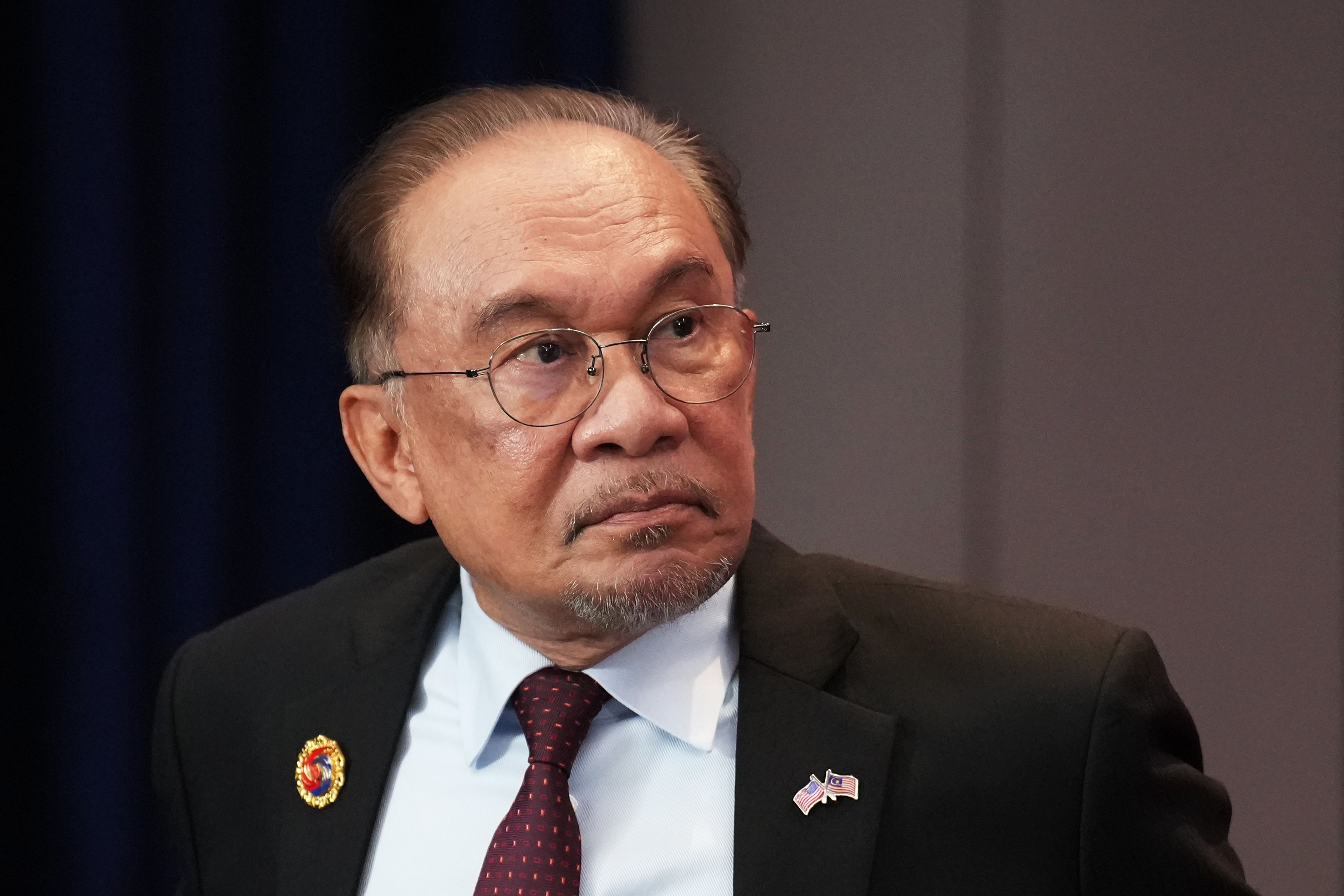
For Malaysia, the conjunction that works is “and” not “or” when it comes to the United States and China.
Elina Noor
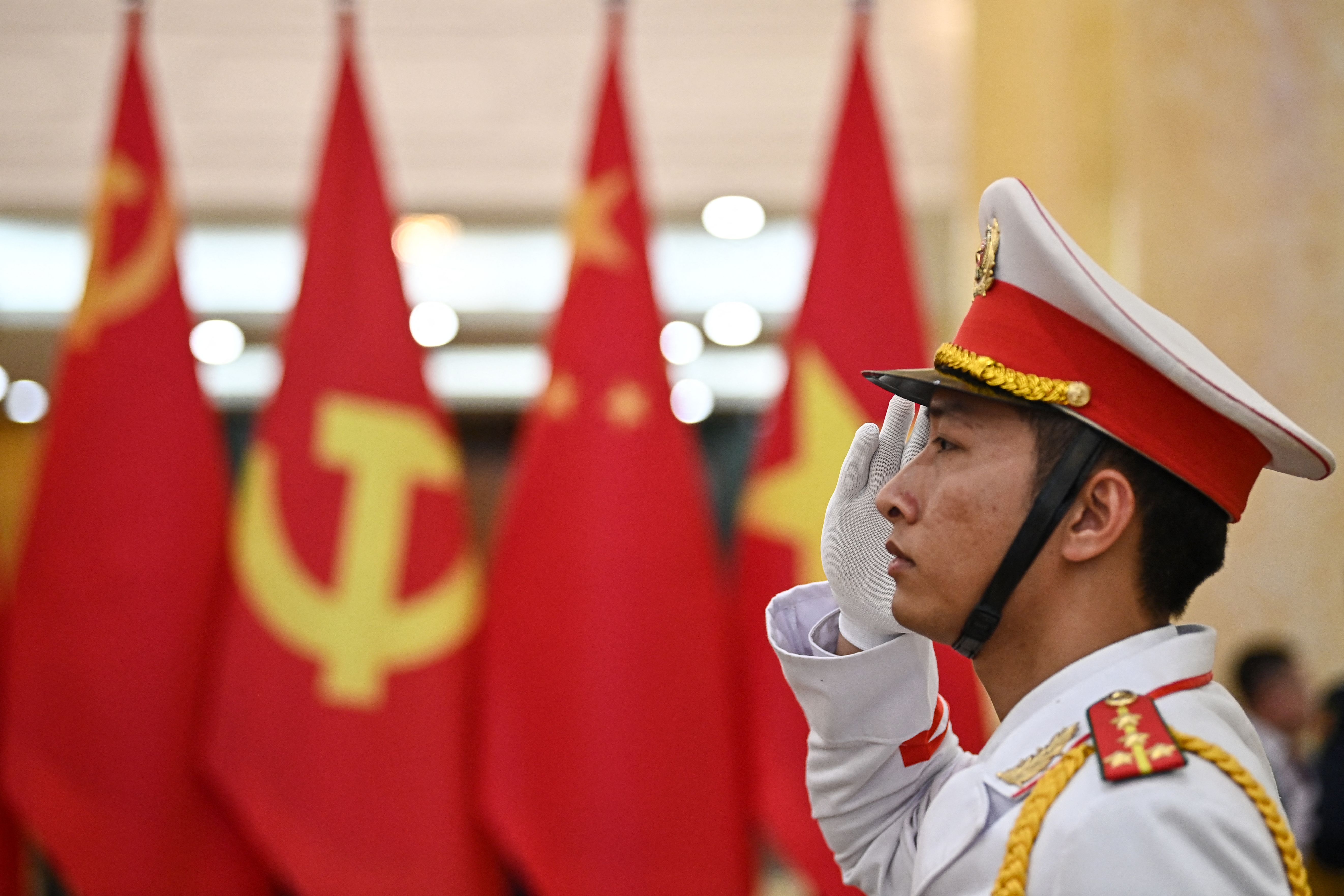
In July 2025, Vietnam and China held their first joint army drill, a modest but symbolic move reflecting Hanoi’s strategic hedging amid U.S.–China rivalry.

Nguyễn Khắc Giang

The Thai-Cambodian conflict highlights the limits to China's peacemaker ambition and the significance of this role on Southeast Asia’s balance of power.

Pongphisoot (Paul) Busbarat

Beijing believes that Washington is overestimating its own leverage and its ability to handle the trade war’s impacts.


Rick Waters, Sheena Chestnut Greitens