

In The Media
Jessica Tuchman Mathews
{
  "authors": [
    "Jessica Tuchman Mathews"
  ],
  "type": "other",
  "centerAffiliationAll": "",
  "centers": [
    "Carnegie Endowment for International Peace"
  ],
  "collections": [],
  "englishNewsletterAll": "",
  "nonEnglishNewsletterAll": "",
  "primaryCenter": "Carnegie Endowment for International Peace",
  "programAffiliation": "",
  "programs": [],
  "projects": [],
  "regions": [
    "North America",
    "United States"
  ],
  "topics": [
    "Political Reform",
    "Democracy",
    "Security",
    "Foreign Policy"
  ]
}
Source: Getty
In the quietest of times Trump’s policies would be alarming enough. But this is, nearly all agree, a particularly dangerous time of rapid and fundamental change in the military, economic, and political dominance to which the United States is accustomed.
Source: New York Review of Books
The following article will appear in the February 9, 2017 issue of The New York Review.
For three decades, roughly since the end of the cold war, American foreign policy has been the subject of a passionate battle among three groups with radically different views of the part the United States should play in the world and of whether force or diplomacy should be its primary method.
Neoconservatives, who were passionate advocates for the Iraq war, want the United States to be the world’s policeman, concerned not only with states’ external behavior but with their internal adherence to American values, which, they believe, the United States should impose principally through the use of force. They care little for international agreements, believing that bad guys will flout them and good guys don’t need them.
Liberal internationalists, most of whom are supporting the current nuclear agreement with Iran, also want the US to act globally. But they want to build an increasingly strong international system of cooperation and alliances and avoid unilateralism. They see international progress deriving from increasing interdependence and agreed-upon rules to which the United States, however exceptional it may be, must adhere.
For realists, international relations are propelled by powerful states promoting their own self-interest. This view holds that the US should concentrate on its relations with the other great powers and on the balance of power in the most important regions and not waste resources on other parts of the world. Generally, realists argue for a much more limited US involvement in the conflicts of the Middle East.....
This article was originally published in the New York Review of Books.
Distinguished Fellow
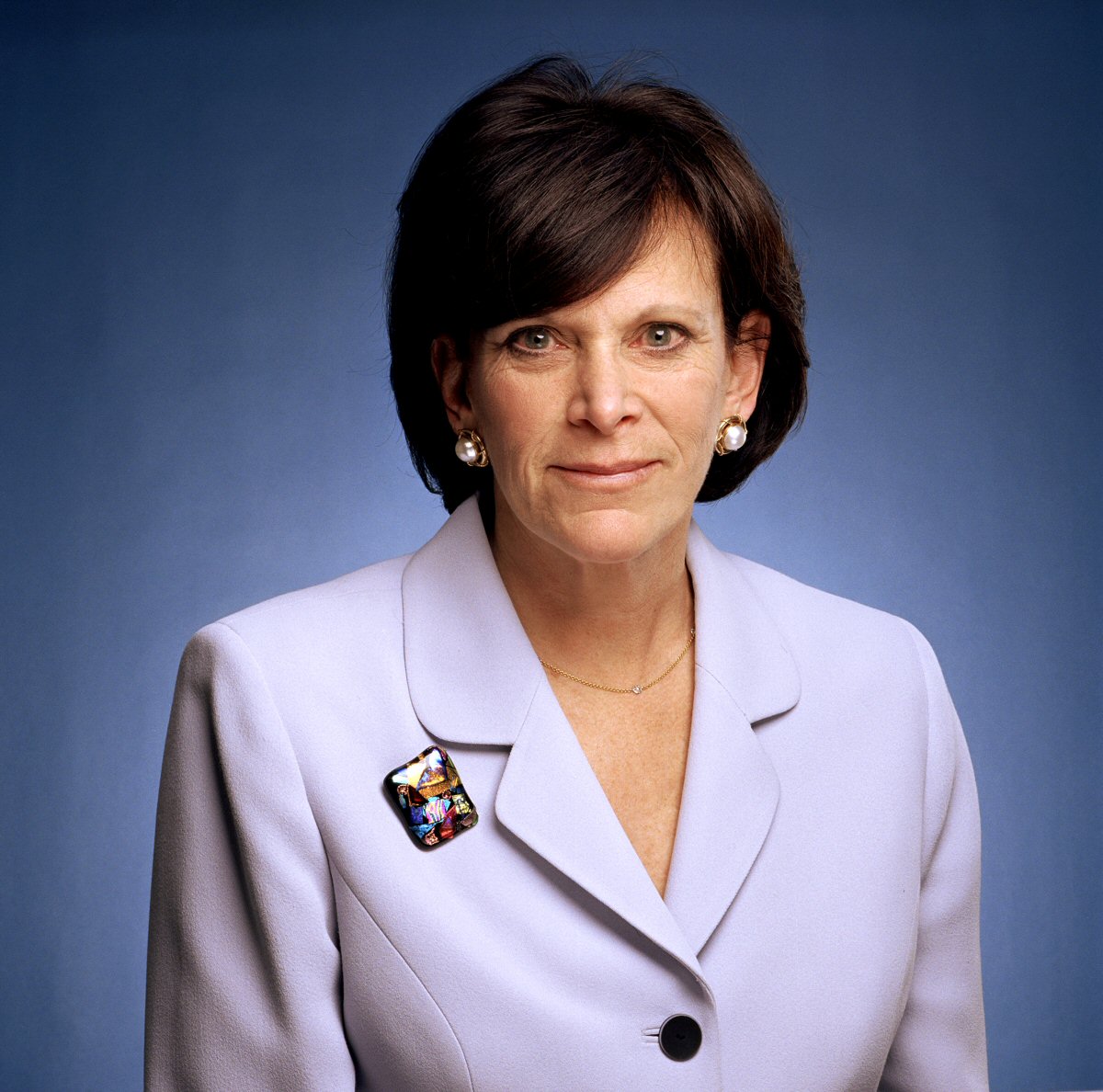
Mathews is a distinguished fellow at the Carnegie Endowment for International Peace. She served as Carnegie’s president for 18 years.
Recent Work
Jessica Tuchman Mathews
Jessica Tuchman Mathews
Carnegie does not take institutional positions on public policy issues; the views represented herein are those of the author(s) and do not necessarily reflect the views of Carnegie, its staff, or its trustees.

Across Asia, China is better positioned to withstand energy shocks from the fallout of the Iran war. Its abundant coal capacity can ensure stability in the near term. Yet at the same time, the country’s energy transition away from coal will make it even less vulnerable during the next shock.

Damien Ma

Malaysia’s chairmanship sought to fend off short-term challenges while laying the groundwork for minimizing ASEAN’s longer-term exposure to external stresses.

Elina Noor

For Malaysia, the conjunction that works is “and” not “or” when it comes to the United States and China.
Elina Noor
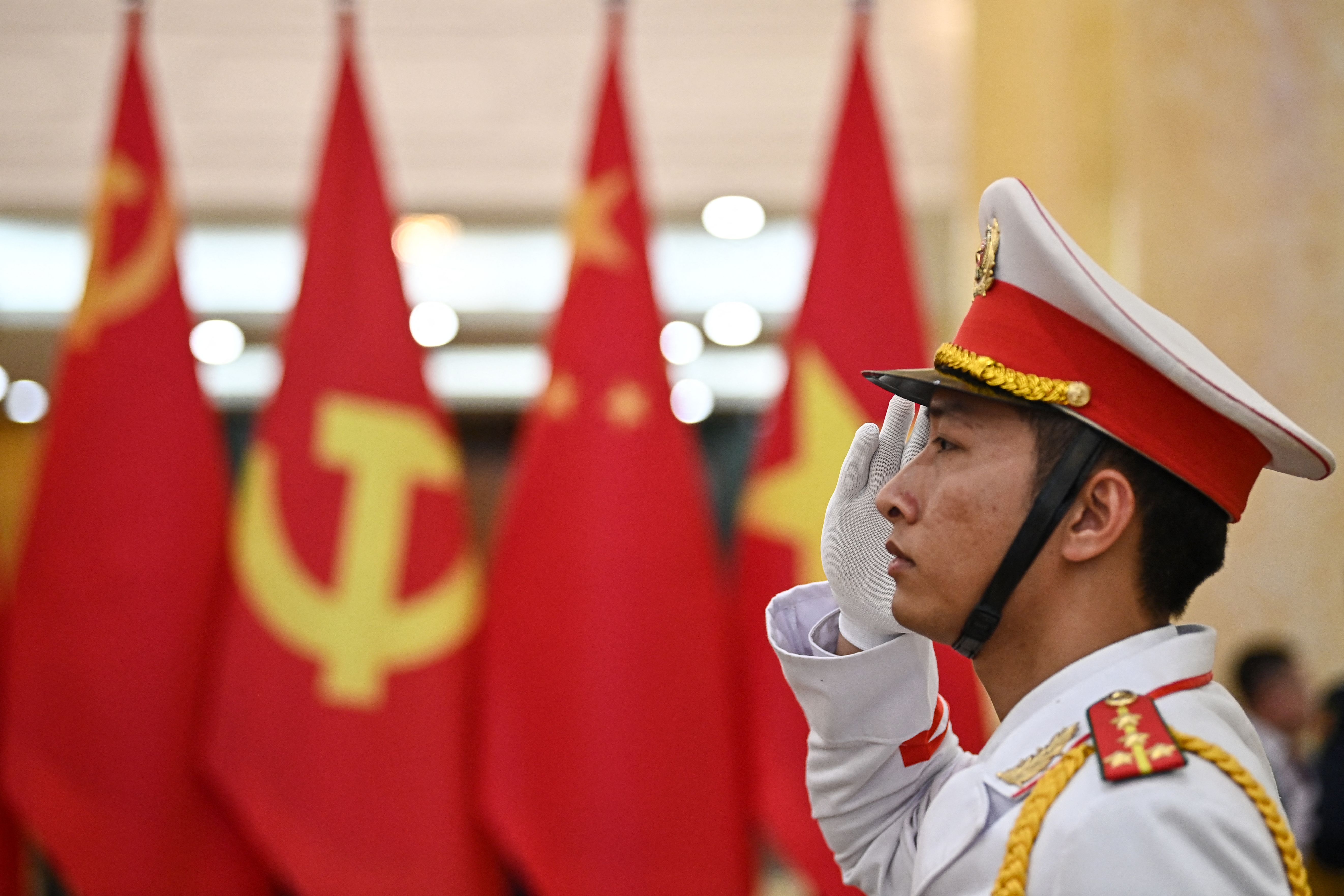
In July 2025, Vietnam and China held their first joint army drill, a modest but symbolic move reflecting Hanoi’s strategic hedging amid U.S.–China rivalry.

Nguyễn Khắc Giang

Regulation, not embargo, allows Beijing to shape how other countries and firms adapt to its terms.
Alvin Camba