

Commentary
Andrei Kolesnikov
{
  "authors": [
    "Andrei Kolesnikov"
  ],
  "type": "legacyinthemedia",
  "centerAffiliationAll": "",
  "centers": [
    "Carnegie Endowment for International Peace",
    "Carnegie Russia Eurasia Center"
  ],
  "collections": [
    "Inside Russia"
  ],
  "englishNewsletterAll": "",
  "nonEnglishNewsletterAll": "",
  "primaryCenter": "Carnegie Endowment for International Peace",
  "programAffiliation": "",
  "programs": [],
  "projects": [],
  "regions": [
    "Russia"
  ],
  "topics": [
    "Political Reform"
  ]
}
Source: Getty
“Medvedevgate” will be forgotten quickly, however, an after-effect will remain, if only because this story revealed the political and economic workings of Russia’s current elite. It provided an inside look at how money and luxury serve as the lifeblood animating Russia’s body politic.
Source: Moscow Times
In the Russian political system, power is equal to property and property equal to power. It is virtually impossible to draw the line between the ruling bureaucracy and the country’s business elite.
At the core of the Russian state system is an unspoken agreement: the oligarchy supplies the needs and wants of the ruling authorities who, in turn, protect the oligarchy from interference.
That is the main theme of the story of Prime Minister Dmitry Medvedev published by leading opposition figure Alexei Navalny and his Anti-Corruption Foundation in its latest high-profile investigative report.
According to those findings, Russian billionaires first donate villas, yachts, and even vineyards to certain foundations. Those organizations then make them available to the former President and now Prime Minister Dmitry Medvedev, the second highest figure in Russia’s state hierarchy, who makes regular personal use of those amenities without legally owning any of them.
This is how oligarchs buy themselves a little peace of mind — by providing a little quality rest and rehabilitation for the prime minister.
The Navalny report is a very serious work of investigative research. Under normal circumstances, it would have led to a full-fledged “Medvedevgate” disgracing not only the prime minister, but also the entire Russian ruling elite with its insatiable desire for corrupt leisure class pleasures.
But state-controlled Russian media have kept silent spokespeople for the prime minister and president have launched angry diatribes to the effect that this is simply a “convicted individual” trying to conduct an election campaign.
The entire political elite will close ranks behind Medvedev on this for one simple reason: dismissing — even reprimanding Medvedev — would be to acknowledge the charges of the regime’s main opponent and President Vladimir’s Putin’s only potential political rival.
But most importantly, senior leaders do not see informal arrangements between government officials and oligarchs as corruption. To their thinking, it is simply compensation for the hard work of running the state. They view it as a sort of “public-private partnership.”
On a similar note, journalists recently discovered that Rosneft oil giant head Igor Sechin has a flashing light – normally reserved for state officials – on the roof of his limousine, further blurring the line between officialdom and major business interests.
As chance would have it, several Rosneft managers received state awards for improving the investment climate in Russia on the same day that Navalny published his investigative report.
In the same way, by providing Prime Minister Medvedev with luxurious recreation, Russia’s big business-people operate within this “public-private partnership” to create conditions for improving the investment climate.
The head of government will cope more effectively with his responsibilities if he is well-rested and oligarchs thereby secure at least some protection from hostile takeovers.
The authorities arrested former Economics Minister Alexei Ulyukayev several months ago on charges of forcing a bribe from Igor Sechin. He is awaiting trial. Why do they consider Ulyukayev a corrupt politician but not Medvedev?
This is not a subtle distinction. It is simply that the country’s top leadership and financial hierarchy found the Economics Minister expendable, but not so the Prime Minister.
But Medvedev enjoys that status only as long as he is prime minister. The moment he loses his post, the same people who are now providing him with quasi-estates and manor houses will have no more use for him.
What do Russians think? After all, they are the ones who Navalny is urging to call for a stop to this ubiquitous corruption, nepotism, and merging of power and capital.
Ordinary Russians believe that “everyone in power is a crook.” What’s more, they believe they are powerless to change the situation, the authorities cannot be forced out of office, and that rocking the boat would only make matters worse.
Besides, who is this Navalny character anyway? He has been convicted, TV reports claim that he stole something, he seems a bit suspicious, and maybe he’s on the American's payroll. The real anti-corruption fighter is the president: look how many people he’s caught red-handed in recent months – everyone from governors to a sitting minister.
Most ordinary citizens are actually put off by the evidence of corruption presented by opposition whistleblowers. It is always easier to kill the messenger who brought the bad news than to deal with the content of the message itself.
The film about Navalny’s investigation into Medvedev has already garnered several million viewings online. That is a statistically significant number of citizens. However, it does not necessarily indicate that those people are aghast over the corruption – rather, many are probably just gawking at the lifestyles of the rich and famous.
“Medvedevgate” will be forgotten quickly, just as natural disasters and terrorist attacks fade rapidly from the public mind. However, an after-effect will remain, if only because this story revealed the political and economic workings of Russia’s current elite.
It provided an inside look at how money and luxury serve as the lifeblood animating Russia’s body politic. It revealed that leaders can never get enough, and how they will cling to power until their dying breath because losing office would literally mean losing everything.
Former Senior Fellow, Carnegie Russia Eurasia Center
Kolesnikov was a senior fellow at the Carnegie Russia Eurasia Center.
Recent Work
Andrei Kolesnikov
Andrei Kolesnikov
Carnegie does not take institutional positions on public policy issues; the views represented herein are those of the author(s) and do not necessarily reflect the views of Carnegie, its staff, or its trustees.
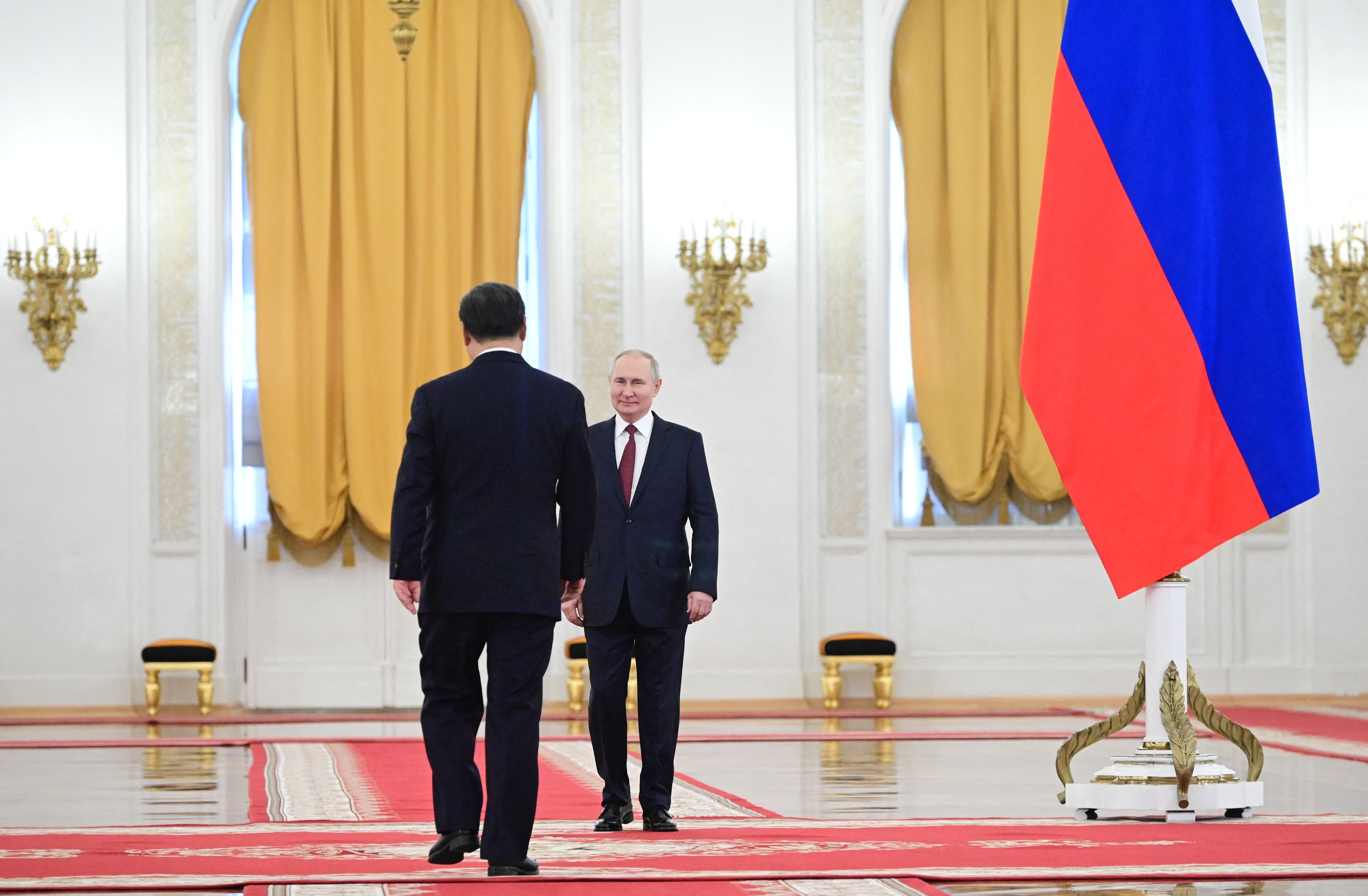
Beijing is trying to navigate the overall situation regarding Ukraine, especially the substance of interactions between Washington and Moscow.
Ellen Nakashima, Zhao Long, Pavlo Klimkin, …
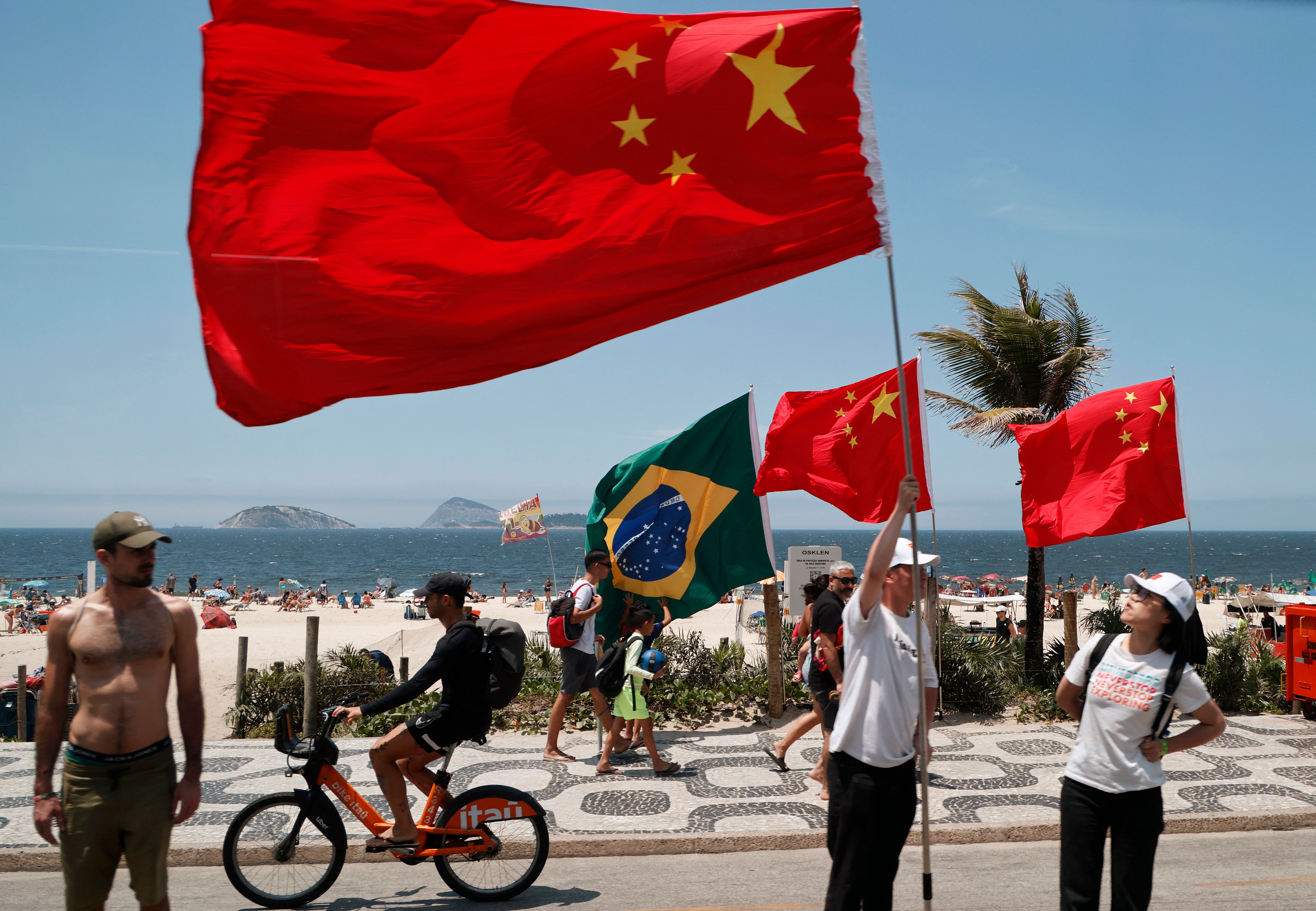
While China will remain a significant political and economic force in the Global South, its ambition to leverage the Global South as a counterbalance to the United States and the Global North is far from assured.

Xue Gong
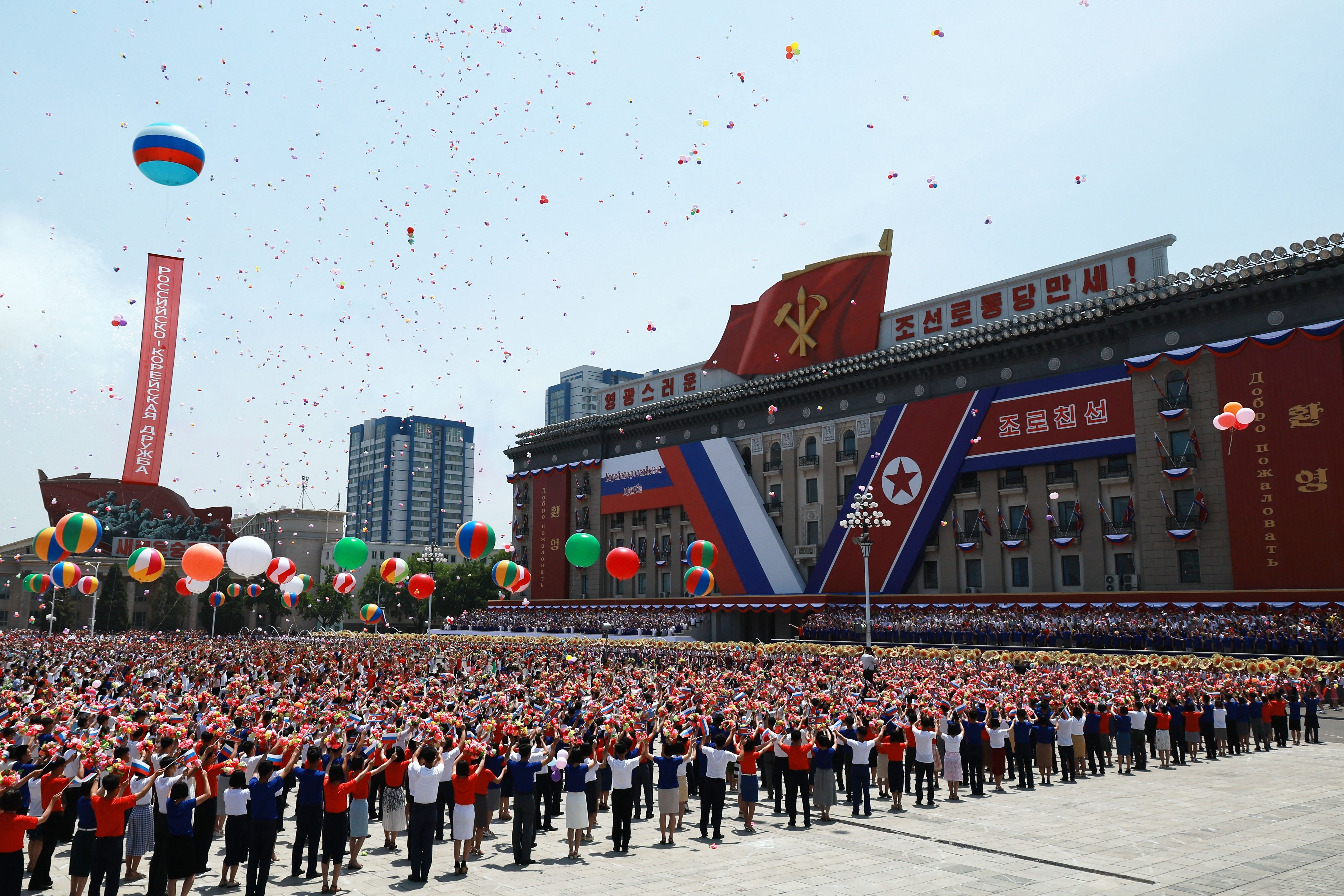
Faced with an increase in strategic maneuvering by Moscow and Pyongyang, Beijing will not sit idly by and allow Putin and Kim to shape the security environment on its behalf.

Tong Zhao
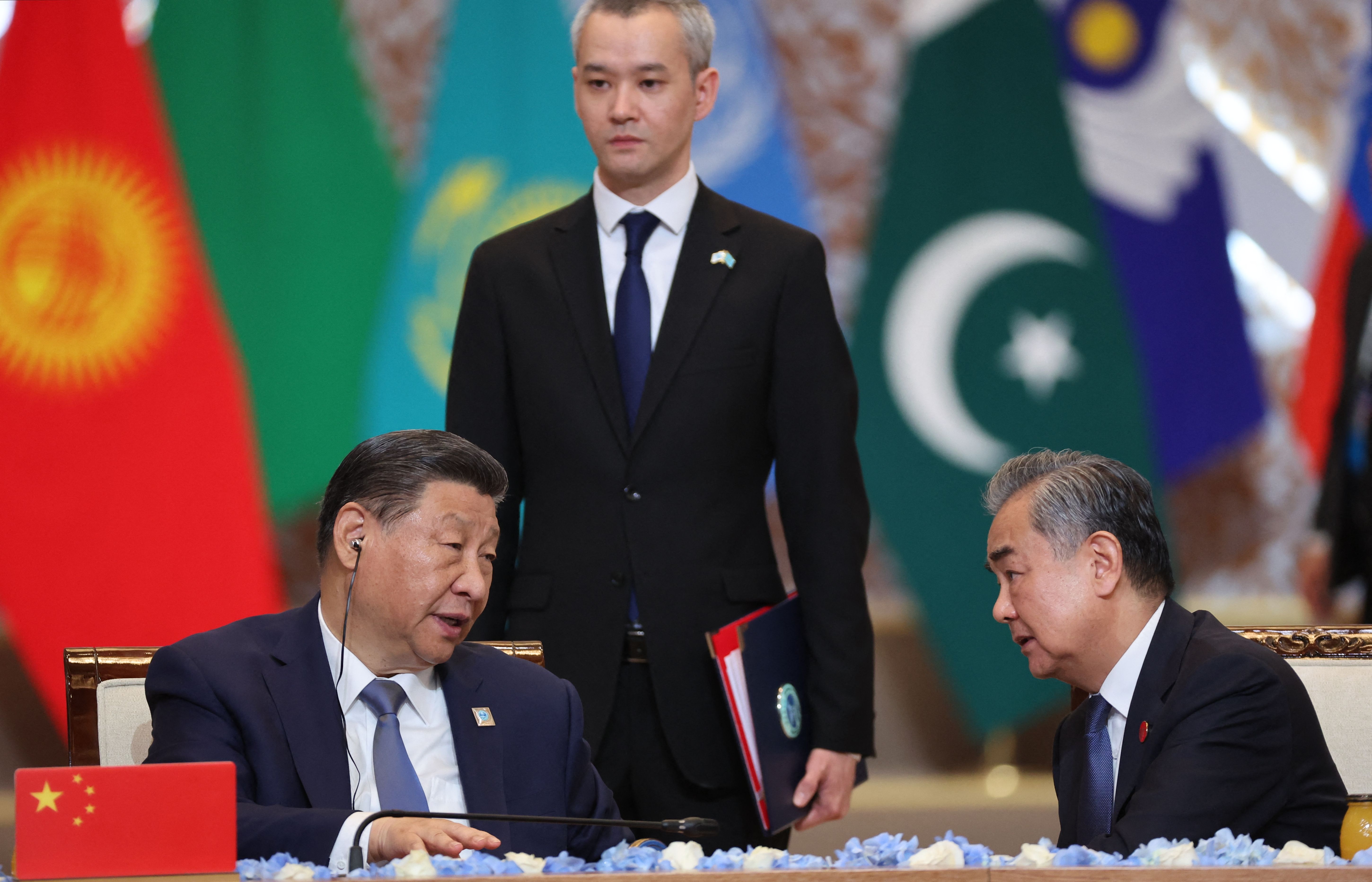
China’s growing attention to Central Asia is perceived as a harbinger of tectonic shifts in regional geopolitics.

Temur Umarov
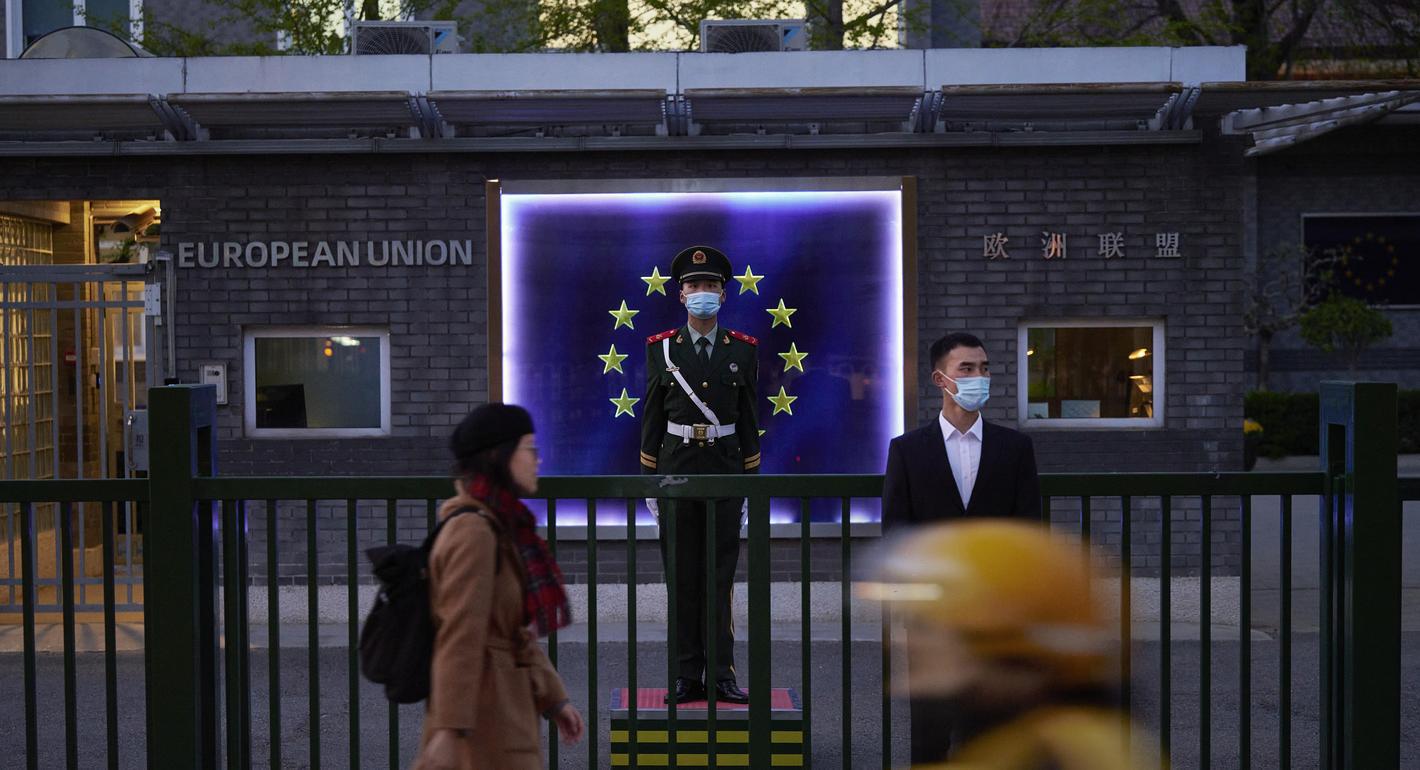
The Russian invasion of Ukraine is a turning point in the EU-China relationship, and evolution of the China-Russia relationship will continue to impact EU-China relations.
Yifan Ding, Alice Ekman