

Paper
Douglas H. Paal
{
  "authors": [
    "Douglas H. Paal"
  ],
  "type": "legacyinthemedia",
  "centerAffiliationAll": "dc",
  "centers": [
    "Carnegie Endowment for International Peace"
  ],
  "collections": [],
  "englishNewsletterAll": "asia",
  "nonEnglishNewsletterAll": "",
  "primaryCenter": "Carnegie Endowment for International Peace",
  "programAffiliation": "AP",
  "programs": [
    "Asia"
  ],
  "projects": [],
  "regions": [
    "Middle East",
    "East Asia",
    "China",
    "Western Europe",
    "United Kingdom"
  ],
  "topics": [
    "Political Reform",
    "Foreign Policy"
  ]
}
Source: Getty
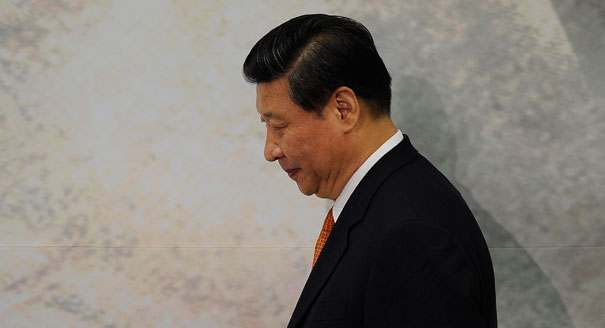
The upcoming Trump-Xi summit in Mar-a-Lago will the set the tone of U.S.-China relations for the entire Trump presidency. It is critical that the two presidents have mutual respect for each other.
Source: CGTN
Speaking on CGTN, Carnegie’s Douglas H. Paal explained that the upcoming meeting between President Donald Trump and Chinese President Xi Jinping will set the tone of U.S.-China relations for the entire Trump presidency. He argued that that how the two heads of state view each other matters for the prospects of cooperation between the two major powers.
He noted that it is unlikely that the summit will produce a major public agreement or communiqué, but in private President Xi will expect President Trump to “mean what he says and say what he means.”
Later, the discussion turned to the topics of President Trump’s strategy to defeat the self-proclaimed Islamic State and how the U.S. government views the “Brexit” process.

Distinguished Fellow, Asia Program
Paal previously served as vice chairman of JPMorgan Chase International and as unofficial U.S. representative to Taiwan as director of the American Institute in Taiwan.
Recent Work
Douglas H. Paal


Douglas H. Paal, Tong Zhao, Chen Qi, …
Carnegie does not take institutional positions on public policy issues; the views represented herein are those of the author(s) and do not necessarily reflect the views of Carnegie, its staff, or its trustees.

Across Asia, China is better positioned to withstand energy shocks from the fallout of the Iran war. Its abundant coal capacity can ensure stability in the near term. Yet at the same time, the country’s energy transition away from coal will make it even less vulnerable during the next shock.

Damien Ma

In the latest Five-Year Plan, the Chinese president cements the shift to an innovation-driven economy over a consumption-driven one.
Damien Ma

Malaysia’s chairmanship sought to fend off short-term challenges while laying the groundwork for minimizing ASEAN’s longer-term exposure to external stresses.

Elina Noor

For Malaysia, the conjunction that works is “and” not “or” when it comes to the United States and China.
Elina Noor
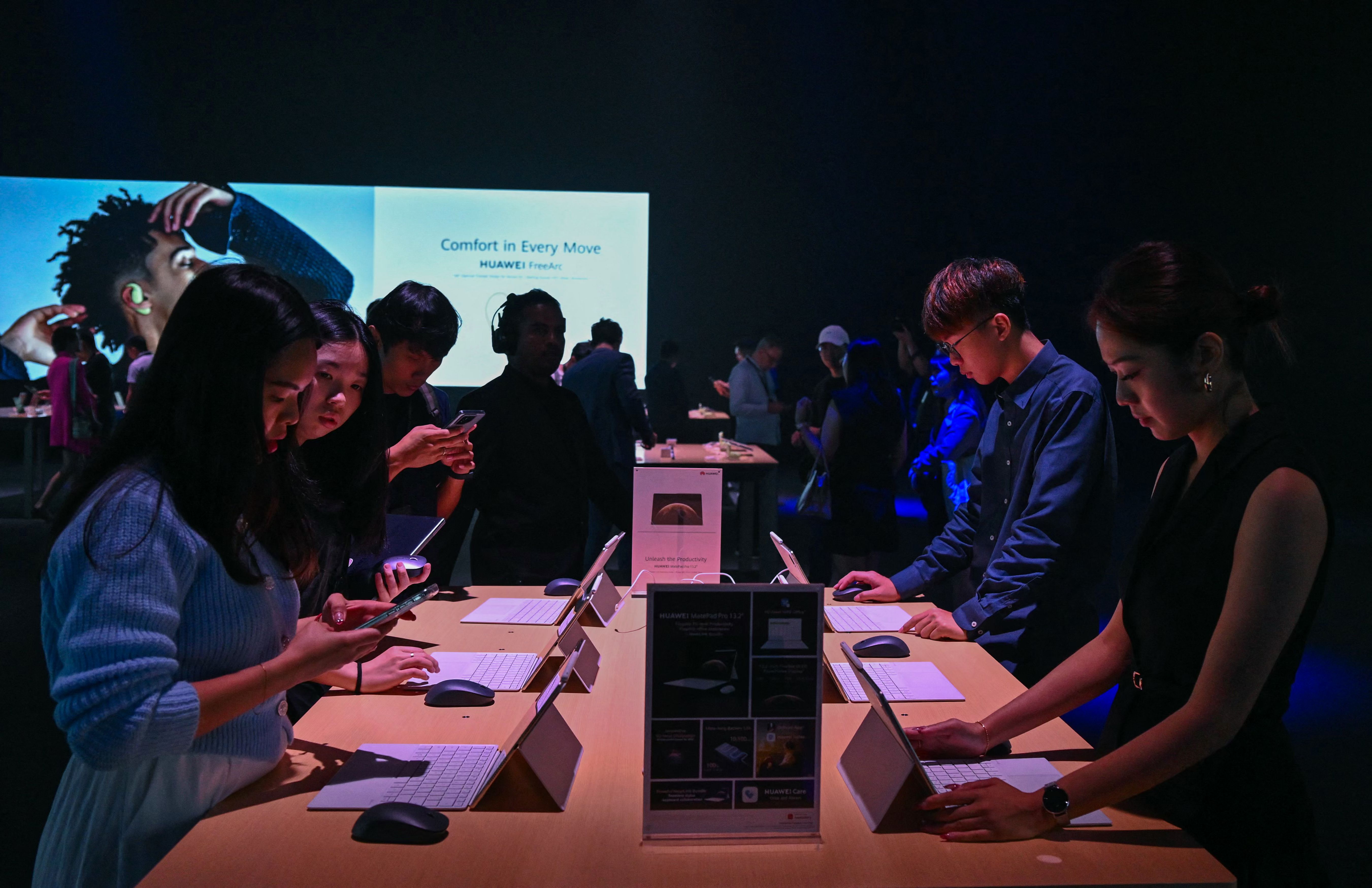
ASEAN needs to determine how to balance perpetuating the benefits of technology cooperation with China while mitigating the risks of getting caught in the crosshairs of U.S.-China gamesmanship.
Elina Noor