

Commentary
Andrei Kolesnikov
{
  "authors": [
    "Andrei Kolesnikov"
  ],
  "type": "legacyinthemedia",
  "centerAffiliationAll": "",
  "centers": [
    "Carnegie Endowment for International Peace",
    "Carnegie Russia Eurasia Center"
  ],
  "collections": [],
  "englishNewsletterAll": "",
  "nonEnglishNewsletterAll": "",
  "primaryCenter": "Carnegie Endowment for International Peace",
  "programAffiliation": "",
  "programs": [],
  "projects": [],
  "regions": [
    "Russia"
  ],
  "topics": [
    "Political Reform"
  ]
}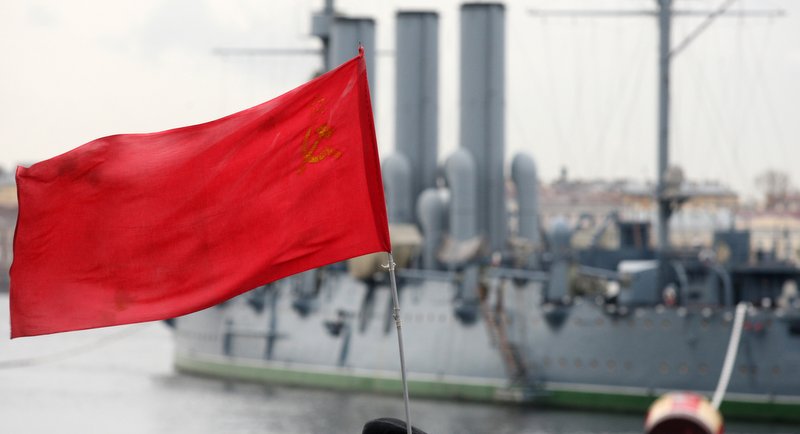
Source: Getty
Russia is locked in a battle between official history (the story of the state) and counter-history (the story of civil society and the memories of the people). With the centenary of the October Revolution this year, the clash will move to the center of public life.
Source: Project Syndicate
Russia is locked in a battle between official history (the story of the state) and counter-history (the story of civil society and the memories of the people). With the centenary of the October Revolution this year, the clash will move to the center of public life.
President Vladimir Putin is the embodiment of nostalgia not so much for Soviet times as for that period’s sacralization of the state, which enabled the government to use, in modern parlance, “fake news” to advance its own ends. In fact, the October Revolution is remembered with no small amount of ambivalence and trepidation. Just the word “revolution” is abhorrent to modern Russian elites, tending as it does to be preceded by the epithets “orange” or “color” – the bête noire for Putin’s regime. At the same time, the revolution was an important moment in Russia’s history, and thus a source of national identity.
For the Communist Party, the anniversary is a clear opportunity to present itself as the successor of a great and enduring anti-capitalist tradition, albeit one that now brings together Marxist-Leninist teachings and the teachings of the Russian Orthodox Church. But the Communist Party is no longer in power, and for those who are, it’s much harder to articulate a coherent approach to the centenary.
Given the revolution’s historical importance, the Kremlin cannot avoid commemorating it. But rather than pursue the needed reconciliation of adversaries – the reds and the whites – the regime will probably take a side, in order to spin the story to its own benefit. That spin is likely to be imperial.
According to the empire narrative, Vladimir Lenin was an evil genius who disrupted the Russian empire at a moment when it was flourishing and brimming with spirituality. Joseph Stalin then rebuilt the empire ostensibly on the foundation of Marxism-Leninism, but really on the foundation of traditional Russian conservative values.
Nikita Khrushchev’s post-Stalin “thaw,” when repression and censorship were relaxed, undermined the empire’s fundamental values, carelessly handing Crimea to Ukraine. But, from the end of 1964, when Khrushchev was deposed, things got better, with Russians living quietly and happily. The fall of the Soviet Union, which amounted to another disruption of the empire, was a great geopolitical catastrophe in Russia’s history.
In this interpretation, ice ages in Russia’s history – periods when cold-blooded leaders ruled with an iron fist – were good for the country. Thaws – periods of democratization and modernization – were bad, characterized by disruption and violence. All allusions by the Putin regime to the Stalinist era must reinforce Putin’s own image as a modern benevolent dictator, capable of restoring Russia’s global influence and bringing it prosperity.
This discourse has driven some local authorities to build monuments to Stalin and Ivan the Terrible, while the federal authorities have ceremoniously erected a monument to Vladimir the Great, who brought Orthodoxy to Kievan Rus. How fortuitous that he even shares a name with today’s president.
In a sense, history is more powerful than policy. Propaganda focuses on the military victories of Russia’s “1,000-year history” (copyright: Vladimir Putin), in order to reinforce the image of Russia as a fortress besieged by the hostile West. World War II, from which 70 years of liberal democracy emerged in Western Europe, is used in Russia to legitimize the current autocratic regime.
Glorifying the past can even offset the political ramifications of poor economic performance. Consider how Putin’s standing benefited from the annexation of Crimea – a move that he defended in historical terms – despite the devastating impact of that move on Russia’s economy. Because that impact was delivered largely via Western sanctions, it fit the guiding hand of Putin’s imperial narrative like a glove.
But, beyond the biography of a state – the stories of wars, cannonades, military commanders, statesmen, administrative hierarchy, and empire building that comprise Russia’s official history – there is another history. It is the history of freedom, encompassing the stories and memories of ordinary people, dissidents, and independent thinkers.
In its struggle with this counter-history, the regime is trying to nationalize personal stories and biographies. When Putin joined the ranks of the informal “Bessmertnyi Polk” (Immortal Regiment) march, in which citizens commemorate loved ones who died in WWII, he turned it into a Kremlin initiative.
But such efforts cannot obscure the clash between these two histories, reflected perhaps most clearly in the divide between conservatives and liberals on condemning Stalinist repression. It is also apparent in discussions about WWII – or the “Great Patriotic War,” as Russians call it – and the turbulent 1990s. In that sense, the anniversary of the October Revolution may be viewed as a second-tier event, despite its symbolism.
Nonetheless, the centenary will offer Putin an opportunity to strengthen his preferred narrative: that Russia, which has always been greatest under powerful national leaders, is now returning to greatness, thanks to the power Putin himself has consolidated. This is history, Russian-style: a past made serviceable for present purposes.
Former Senior Fellow, Carnegie Russia Eurasia Center
Kolesnikov was a senior fellow at the Carnegie Russia Eurasia Center.
Recent Work
Andrei Kolesnikov
Andrei Kolesnikov
Carnegie does not take institutional positions on public policy issues; the views represented herein are those of the author(s) and do not necessarily reflect the views of Carnegie, its staff, or its trustees.
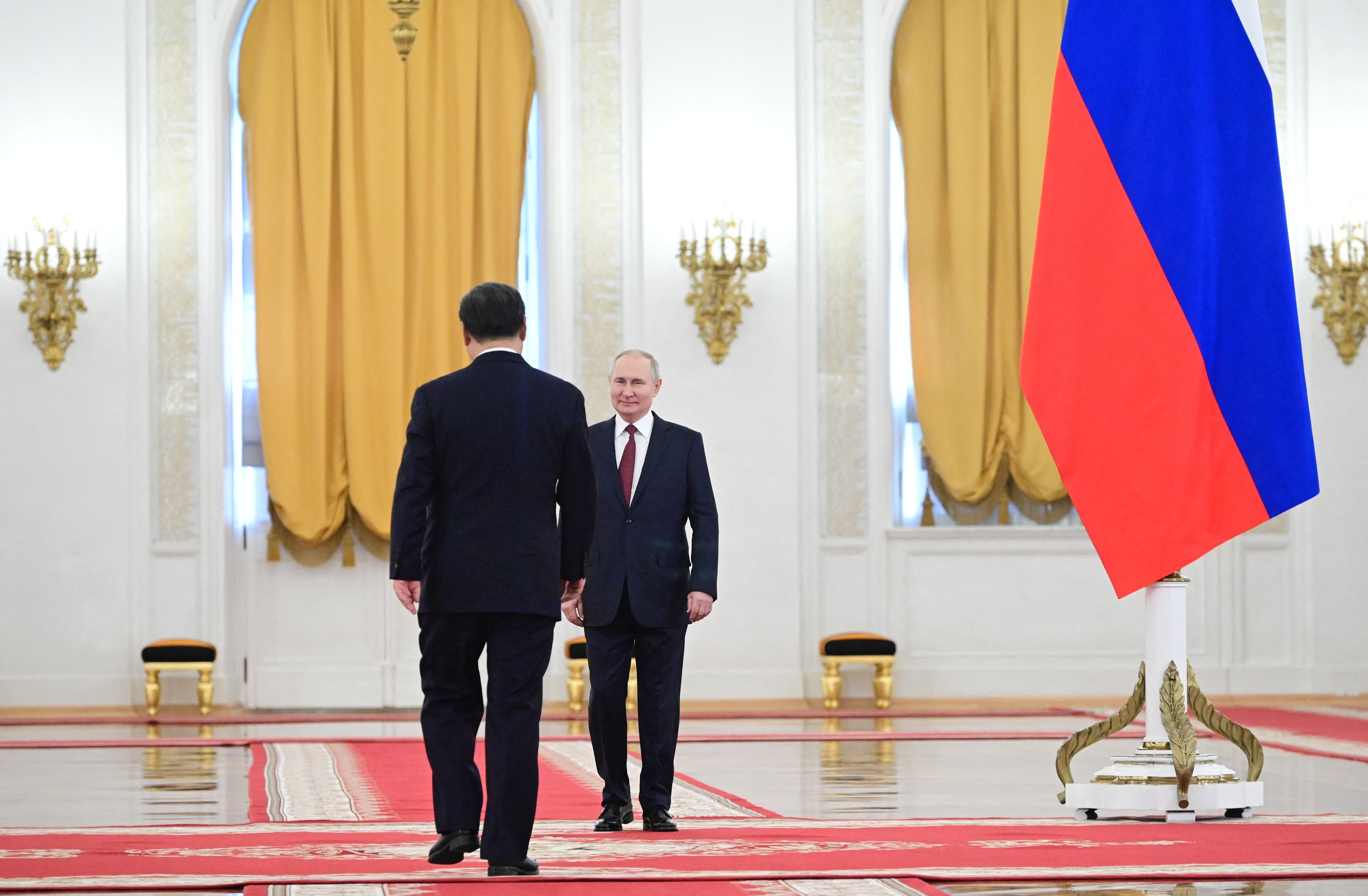
Beijing is trying to navigate the overall situation regarding Ukraine, especially the substance of interactions between Washington and Moscow.

Ellen Nakashima, Zhao Long, Pavlo Klimkin, …
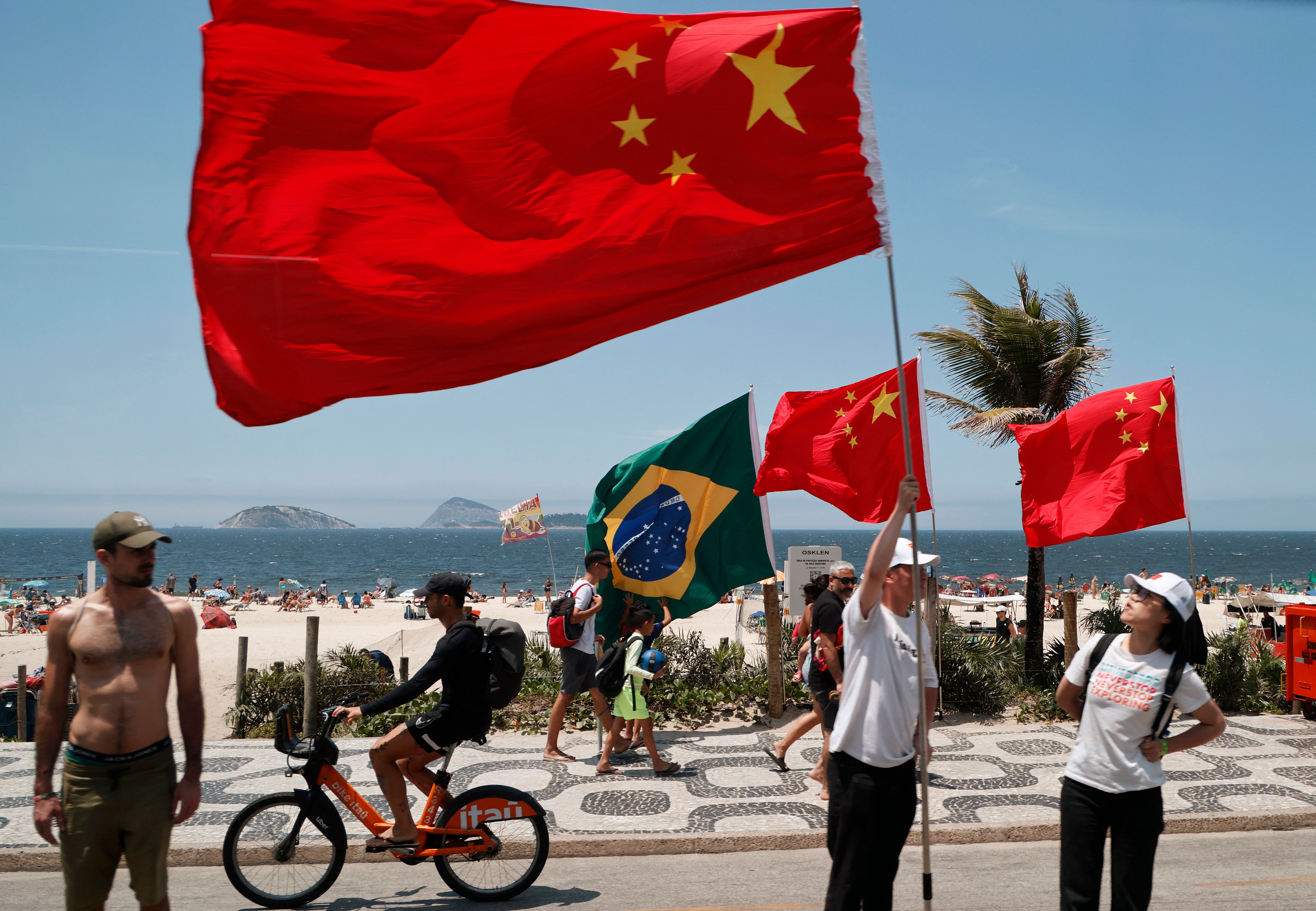
While China will remain a significant political and economic force in the Global South, its ambition to leverage the Global South as a counterbalance to the United States and the Global North is far from assured.

Xue Gong
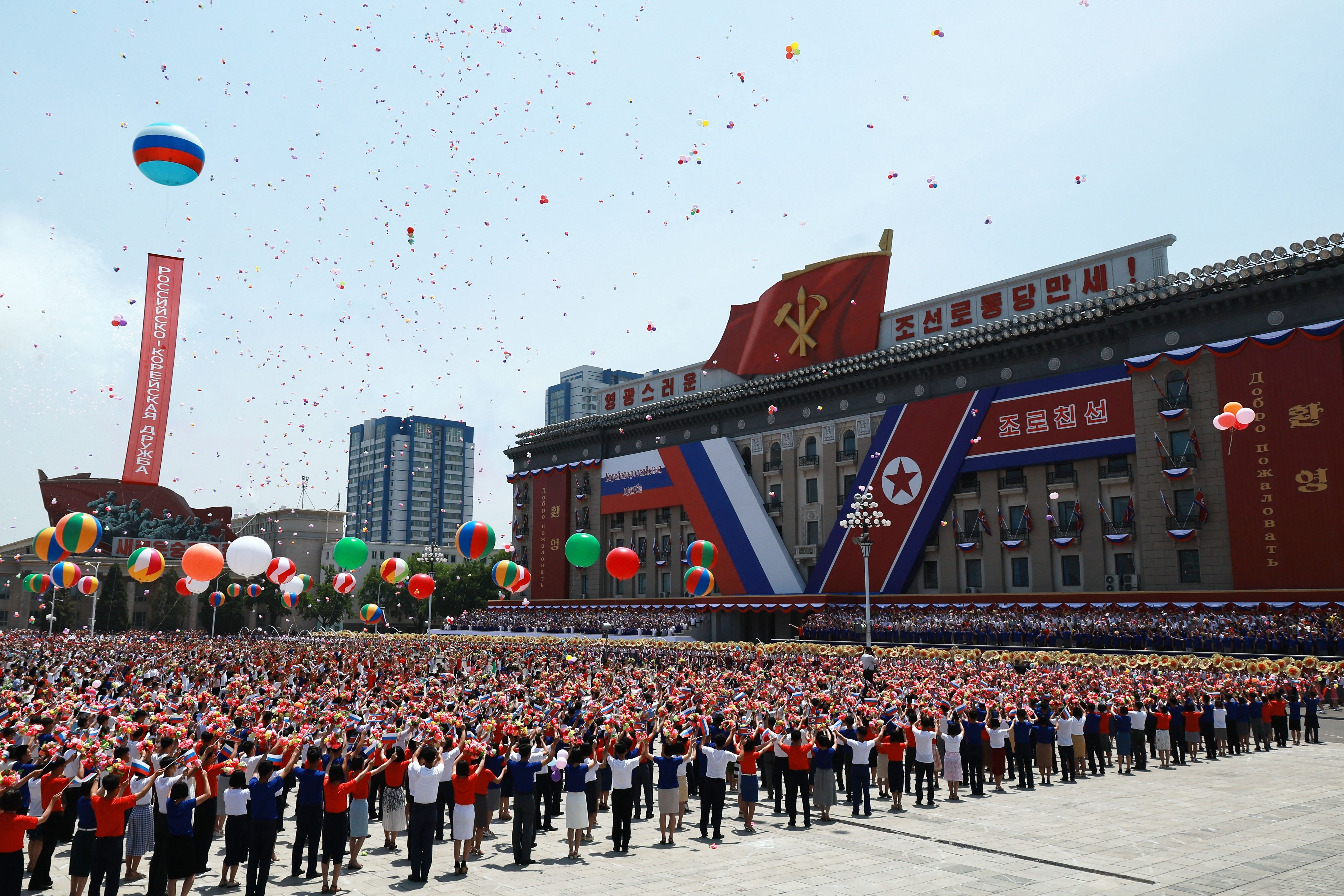
Faced with an increase in strategic maneuvering by Moscow and Pyongyang, Beijing will not sit idly by and allow Putin and Kim to shape the security environment on its behalf.

Tong Zhao
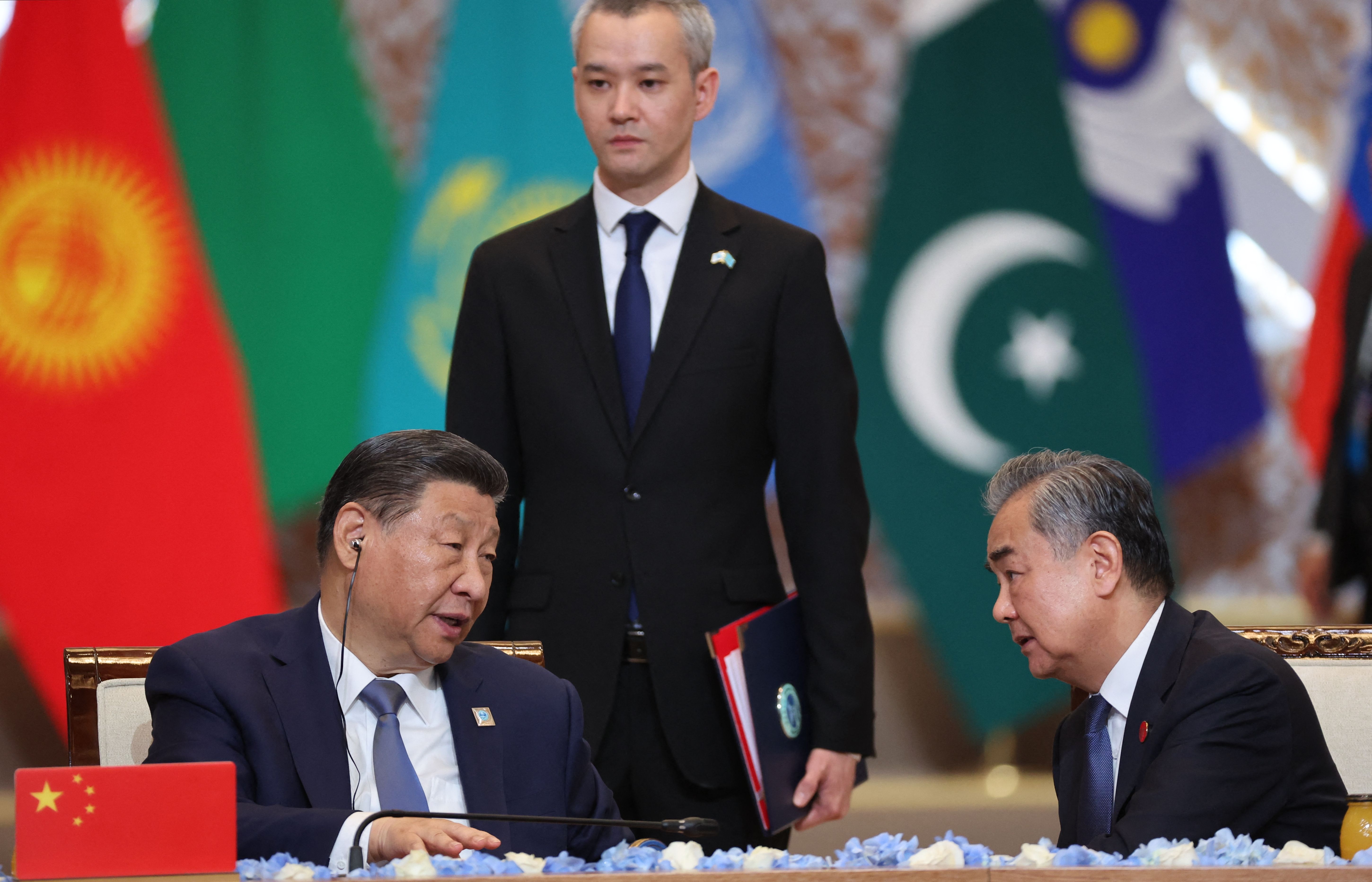
China’s growing attention to Central Asia is perceived as a harbinger of tectonic shifts in regional geopolitics.

Temur Umarov
The Russian invasion of Ukraine is a turning point in the EU-China relationship, and evolution of the China-Russia relationship will continue to impact EU-China relations.
Yifan Ding, Alice Ekman