

Paper
Douglas H. Paal
{
  "authors": [
    "Douglas H. Paal"
  ],
  "type": "legacyinthemedia",
  "centerAffiliationAll": "dc",
  "centers": [
    "Carnegie Endowment for International Peace"
  ],
  "collections": [],
  "englishNewsletterAll": "asia",
  "nonEnglishNewsletterAll": "",
  "primaryCenter": "Carnegie Endowment for International Peace",
  "programAffiliation": "AP",
  "programs": [
    "Asia"
  ],
  "projects": [],
  "regions": [
    "North America",
    "United States",
    "East Asia",
    "South Korea",
    "China",
    "North Korea"
  ],
  "topics": [
    "Security",
    "Foreign Policy",
    "Nuclear Policy"
  ]
}
Source: Getty
The Trump administration’s willingness to speak out on the North Korea nuclear issue and pressure Beijing on the same topic privately represents a break from the approach of past administrations.
Source: CGTN
Speaking on CGTN, Carnegie’s Douglas H. Paal argued that the Trump administration’s approach to the North Korea nuclear issue represents a break from the approach of past administrations. While other presidents were unwilling to combine high-profile public rhetoric with intense private pressure on Beijing to resolve the issue, this appears to be the President Trump’s preferred set of tactics, at least so far.
Paal also explained that, although the administration is committed publicly to total denuclearization, they still have yet to make decisions on important issues like whether the United States is willing to accept a freeze at current levels of nuclear capabilities in return for sanctions relief and other forms of aid.
Paal noted that if the two sides were to enter into a direct negotiation, the North would likely begin by demanding many politically infeasible concessions from the other side. He argued that the United States and its allies should recognize this and put together a feasible counteroffer before the negotiations begin.
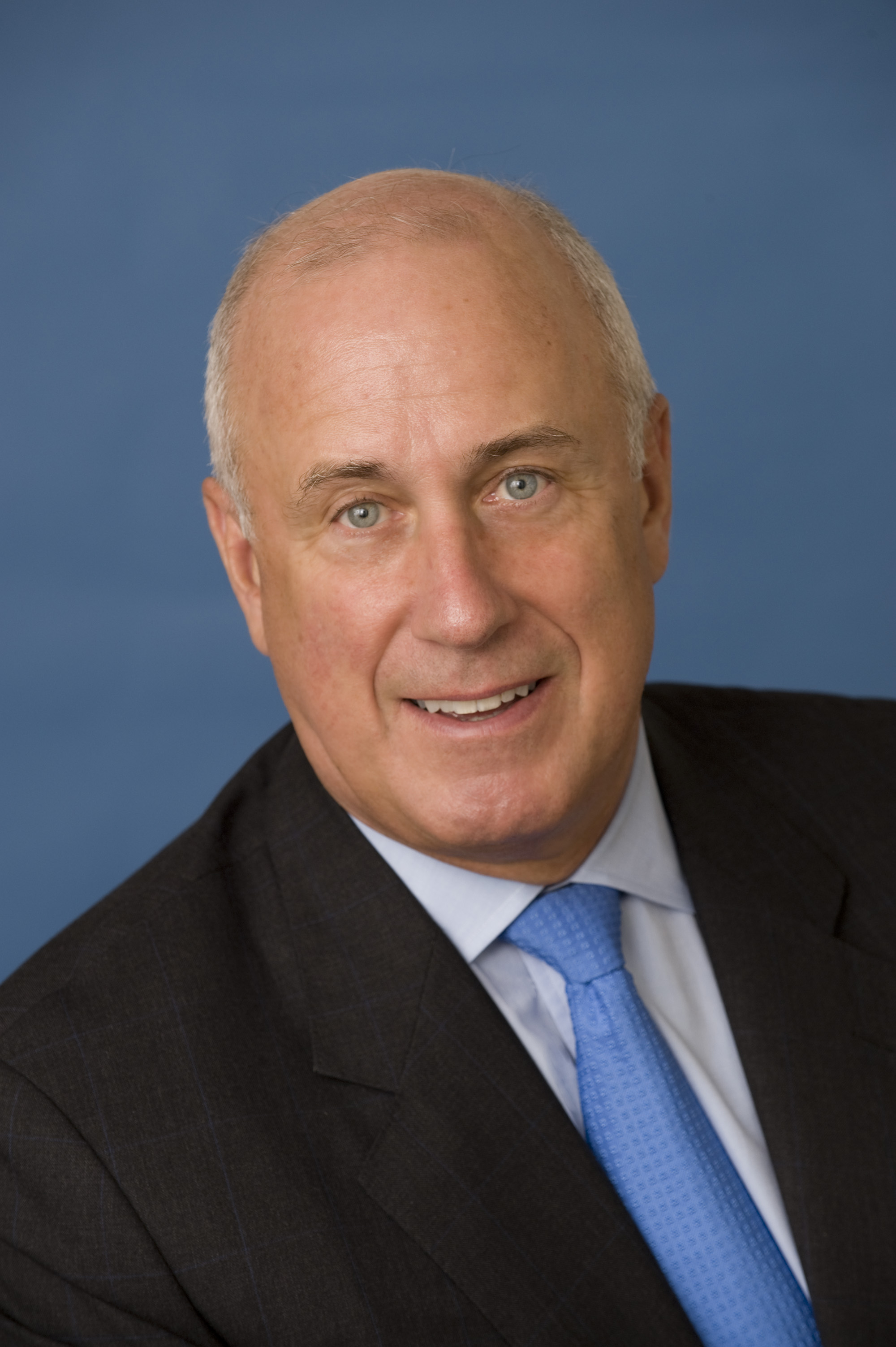
Distinguished Fellow, Asia Program
Paal previously served as vice chairman of JPMorgan Chase International and as unofficial U.S. representative to Taiwan as director of the American Institute in Taiwan.
Recent Work
Douglas H. Paal

Douglas H. Paal, Tong Zhao, Chen Qi, …
Carnegie does not take institutional positions on public policy issues; the views represented herein are those of the author(s) and do not necessarily reflect the views of Carnegie, its staff, or its trustees.

But their "principal to principal" model will only be as effective as the political strength of each leader back home.

Damien Ma

U.S. unpredictability has allowed China to capitalize on its positioning as the “responsible great power”. Paradoxically, the more China wins the perception game, the more likely expectations will rise for Beijing to deliver not just words but to demonstrate with its deeds.

Chong Ja Ian

Hanoi and Beijing have long treated each other as distant cousins rather than comrades in arms. That might be changing as both sides draw closer to hedge against uncertainty and America’s erratic behavior.

Nguyễn Khắc Giang

Across Asia, China is better positioned to withstand energy shocks from the fallout of the Iran war. Its abundant coal capacity can ensure stability in the near term. Yet at the same time, the country’s energy transition away from coal will make it even less vulnerable during the next shock.
Damien Ma

In the latest Five-Year Plan, the Chinese president cements the shift to an innovation-driven economy over a consumption-driven one.
Damien Ma