

Commentary
In the latest Five-Year Plan, the Chinese president cements the shift to an innovation-driven economy over a consumption-driven one.
Damien Ma
{
  "authors": [
    "Ananth Padmanabhan",
    "Madhav Khosla"
  ],
  "type": "other",
  "centerAffiliationAll": "",
  "centers": [
    "Carnegie Endowment for International Peace",
    "Carnegie India"
  ],
  "collections": [],
  "englishNewsletterAll": "",
  "nonEnglishNewsletterAll": "",
  "primaryCenter": "Carnegie India",
  "programAffiliation": "",
  "programs": [],
  "projects": [],
  "regions": [
    "South Asia",
    "India"
  ],
  "topics": [
    "Domestic Politics",
    "Political Reform",
    "Democracy"
  ]
}
Source: Getty
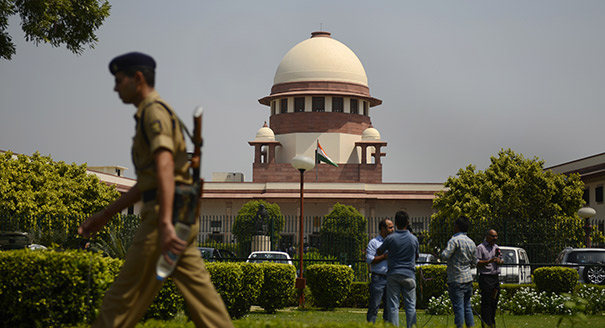
Over time, the Supreme Court of India has evolved from being a court of law to a major institutional actor in the political arena.
Source: Rethinking Public Institutions in India
Over time, the Supreme Court of India has evolved from being a court of law to a major institutional actor in the political arena. The present chapter analyses this transition by directing external and internal lenses on the court’s functioning. The external lens reveals engagement by the Court with legislative and executive domains of governance, and the current concerns of transparency and accountability that it faces. The internal lens scrutinizes the Court’s success as a court of law and its capability to streamline the judicial process such that the judicial system lives up to the legitimate expectations of the litigant public. Using the insights offered from these dual perspectives, the authors suggest important changes to the court’s functioning and a reorientation of its priorities that can render it a more effective public institution.
Former Fellow, Carnegie India
Ananth Padmanabhan was a fellow at Carnegie India, based in New Delhi. His primary research focus is technology, regulation, and public policy, and the intersection of these three fields within the Indian context.
Madhav Khosla
Carnegie does not take institutional positions on public policy issues; the views represented herein are those of the author(s) and do not necessarily reflect the views of Carnegie, its staff, or its trustees.

In the latest Five-Year Plan, the Chinese president cements the shift to an innovation-driven economy over a consumption-driven one.

Damien Ma
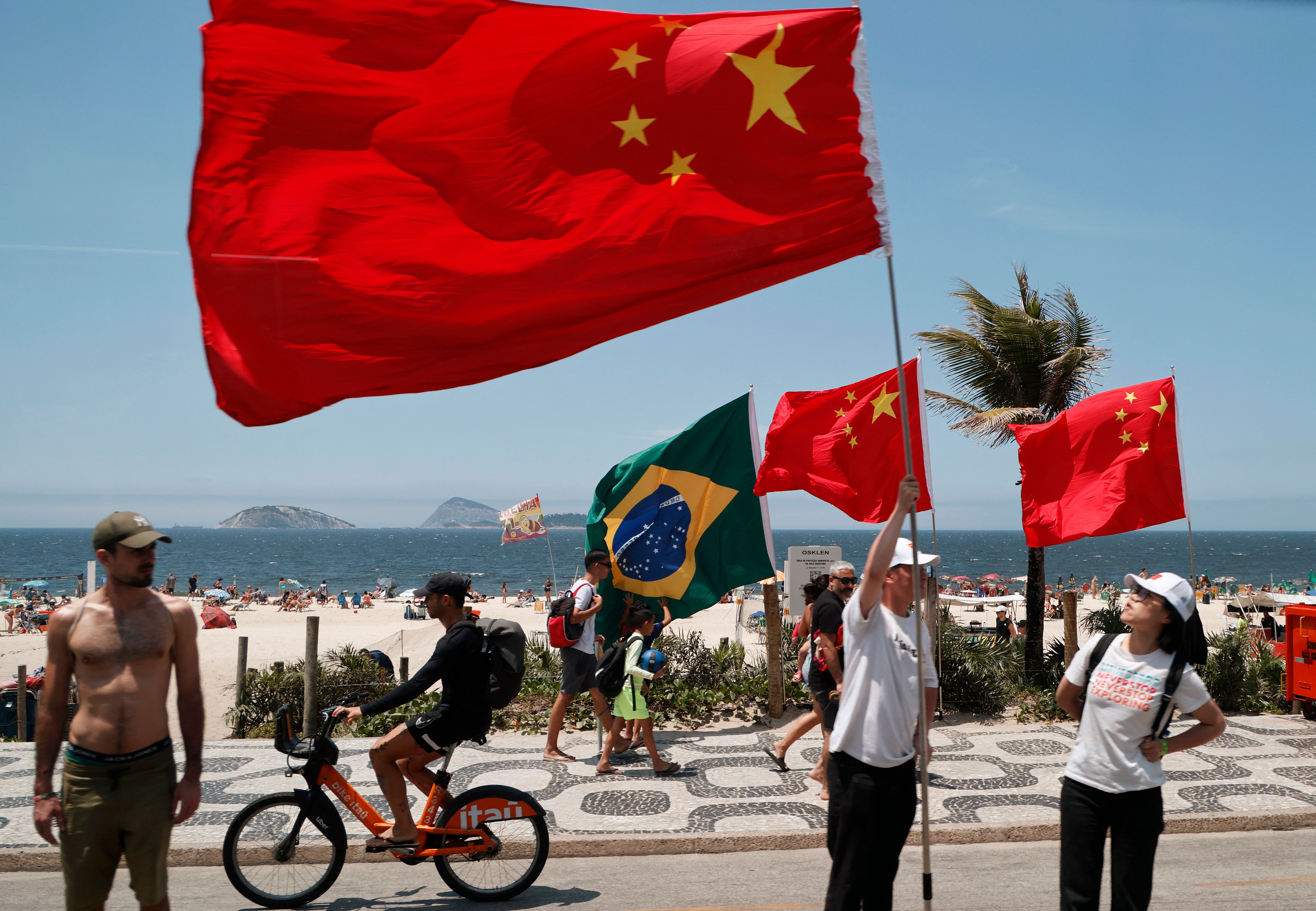
While China will remain a significant political and economic force in the Global South, its ambition to leverage the Global South as a counterbalance to the United States and the Global North is far from assured.

Xue Gong
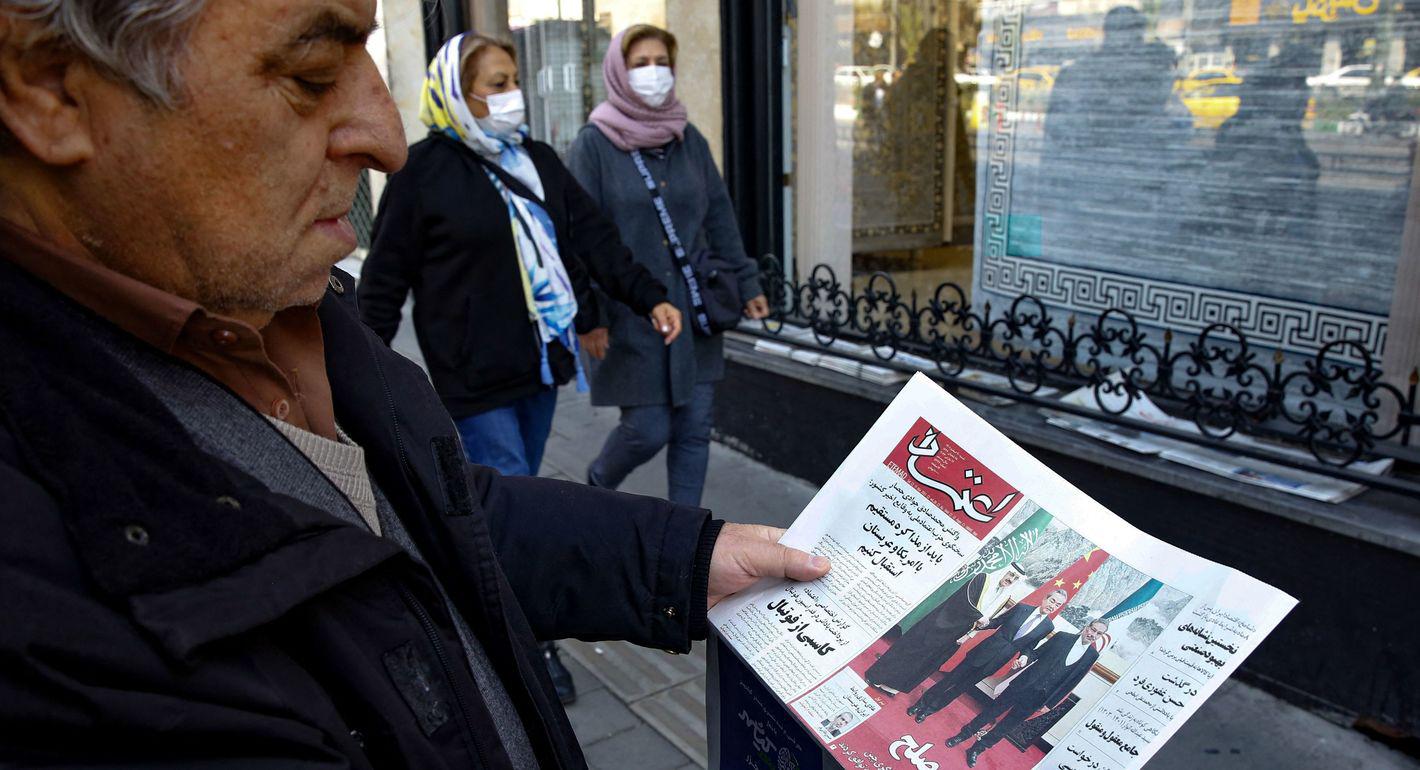
Transactional relationships are stable but can be shallow.


Paul Haenle, Maha Yahya, Benjamin Ho, …
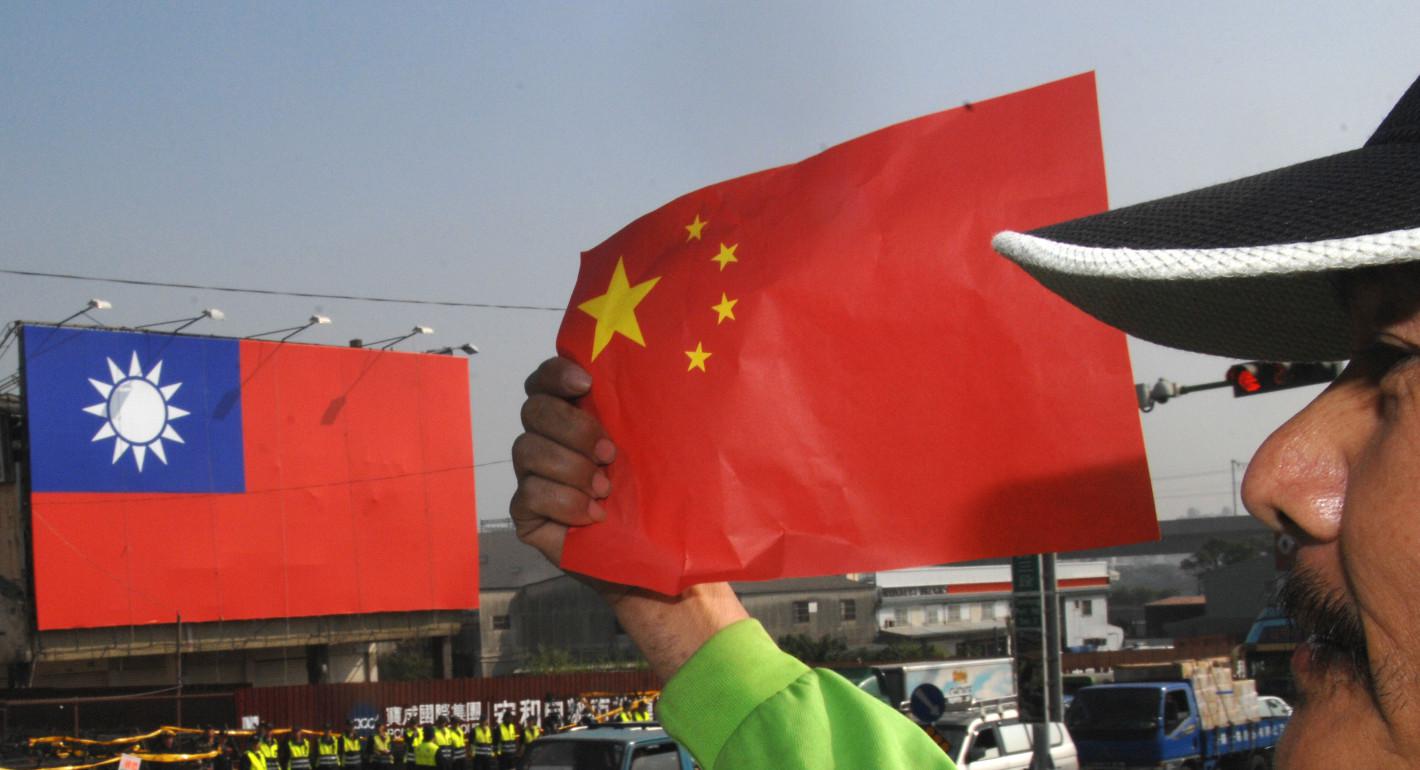
Beijing says that over 180 countries accept its “one China principle” regarding Taiwan, but the reality is more complicated.

Chong Ja Ian

Can China and India disengage from contested territories along the border?
Paul Haenle, Ashley J. Tellis, Han Hua, …