

Commentary
Togzhan Kassenova
{
  "authors": [
    "Togzhan Kassenova"
  ],
  "type": "other",
  "centerAffiliationAll": "dc",
  "centers": [
    "Carnegie Endowment for International Peace"
  ],
  "collections": [],
  "englishNewsletterAll": "ctw",
  "nonEnglishNewsletterAll": "",
  "primaryCenter": "Carnegie Endowment for International Peace",
  "programAffiliation": "NPP",
  "programs": [
    "Nuclear Policy"
  ],
  "projects": [],
  "regions": [
    "North America"
  ],
  "topics": [
    "Nuclear Policy",
    "Nuclear Energy"
  ]
}
Source: Getty
Despite recent setbacks to its nuclear program, Brazil remains a significant player in global nuclear matters. Argentina and the United States are the two countries that most closely follow Brazil’s nuclear policy and whose opinions matter most to Brazil.
Source: Nonproliferation Review
Brazil, a developing country with an advanced nuclear program, presents an interesting case for observers of nuclear politics. Brazil is one of a handful of countries that possess uranium-enrichment technology, one of three countries in Latin America that produce nuclear power, and the only country without nuclear weapons to pursue an ambitious nuclear-powered submarine program. Among external views on Brazil's nuclear politics, the perceptions of Argentina and the United States matter most. With Argentina, Brazil shares responsibility for regional security. The two countries’ commitment to a bilateral nuclear safeguards arrangement contributes to a peaceful environment in the region. The United States will continue to set the tone in global nuclear matters and thus its views of Brazil's role in the nuclear field will continue to matter to Brasília, even as Brazil's political and economic crises have thrown the country’s nuclear future into uncertain territory.
Among the external perceptions of Brazil's nuclear policy, the views of Argentina—Brazil's most important neighbor in South America—and the United States—the most consequential player in the global nuclear politics—deserve consideration. This article explores how these two states have engaged with Brazil on nuclear matters over the past few decades. Brazil, Argentina, and the United States form a triangle, in which the nuclear balance between Brasília and Buenos Aires determines how Washington views these countries' nuclear policies.
Argentina is Brazil's closest partner in the region and its most attentive observer. Views on Brazil's nuclear policy within Argentina vary. Some groups, especially the technical and scientific communities, align with the positions of their neighbor—they seek cooperation with Brazil and empathize with its quest for self-sufficiency in the nuclear field. Yet there is also a minority among observers in Argentina who are anxious about Brazil's nuclear program, including its nuclear-submarine project. With a new administration in Buenos Aires as of late 2015, voices in Argentina calling for the government to sign the Additional Protocol of the International Atomic Energy Agency (IAEA) are growing.
Brazil's relationship with the United States on nuclear matters has never been smooth. The United States was the first to offer Brazil nuclear technology under the 1953 Atoms for Peace program, but it limited access later on. Today, Washington is concerned about Brazil's refusal to sign the Additional Protocol, and its nuclear-submarine program also raises some questions in the United States.1 American officials do not see Brazil as a proliferation threat per se; rather, they hope to bring Brazil fully into the nonproliferation fold.
Brazil may have reasons to doubt the sincerity of Argentina's concerns and question whether some of these stem from the naturally competitive relationship between the two neighbors. Brazil can also resist US nonproliferation pressure, noting Washington's own inconsistent nuclear policy. But Brasília cannot afford to completely ignore the perceptions, assumptions, and views of its nuclear policy held by these two actors. Argentina, together with Brazil, provides the backbone of regional security, and the United States remains the most influential actor on the global nuclear scene.
This article was originally published in Nonproliferation Review

Former Nonresident Fellow, Nuclear Policy Program
Kassenova was a nonresident fellow in the Nuclear Policy Program at the Carnegie Endowment.
Recent Work
Togzhan Kassenova

Toby Dalton, Togzhan Kassenova, Lauryn Williams
Carnegie does not take institutional positions on public policy issues; the views represented herein are those of the author(s) and do not necessarily reflect the views of Carnegie, its staff, or its trustees.

The nuclear relationship between China and the United States is increasingly shaped by widening perception gaps rather than deliberate strategic design.

Tong Zhao
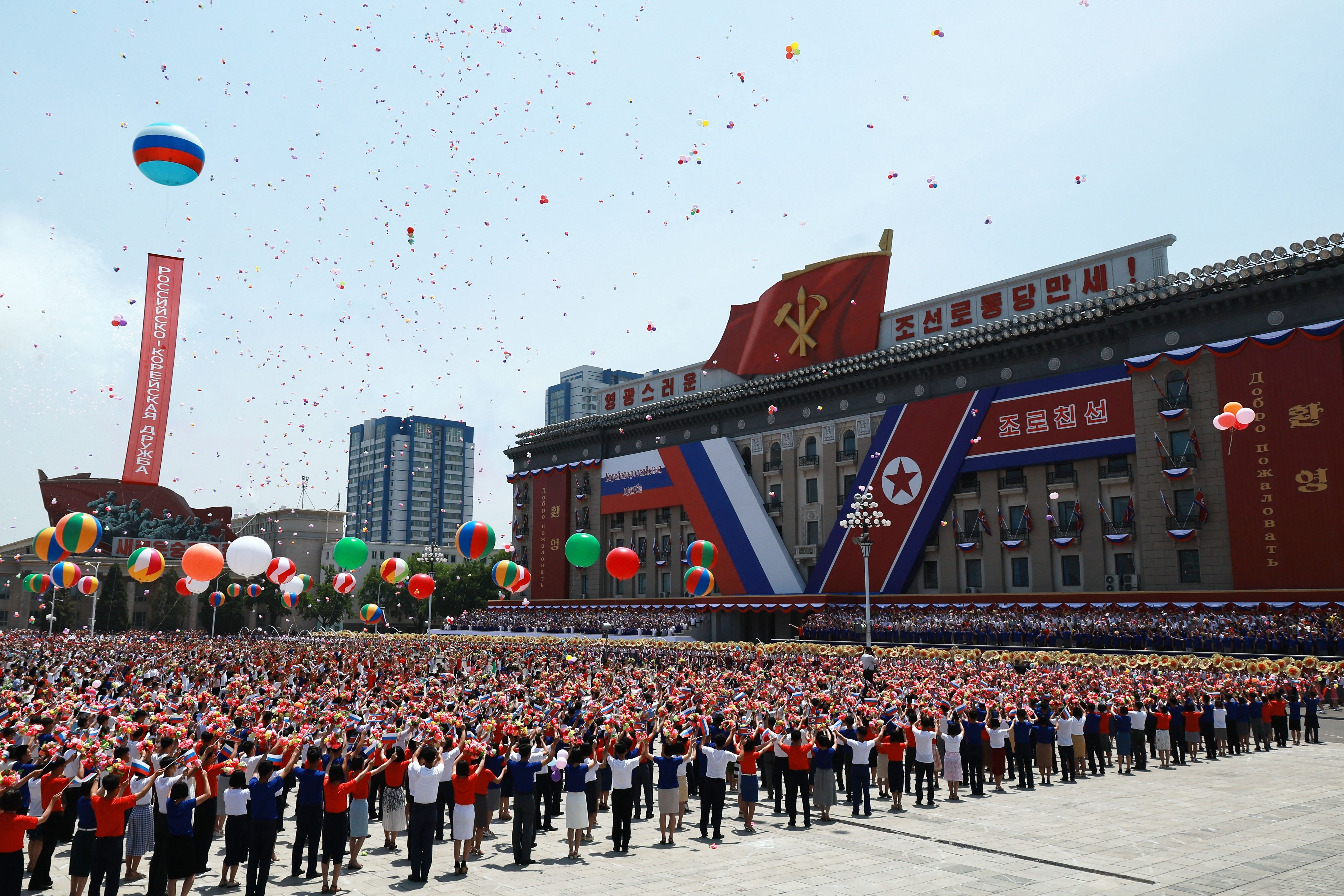
Faced with an increase in strategic maneuvering by Moscow and Pyongyang, Beijing will not sit idly by and allow Putin and Kim to shape the security environment on its behalf.
Tong Zhao
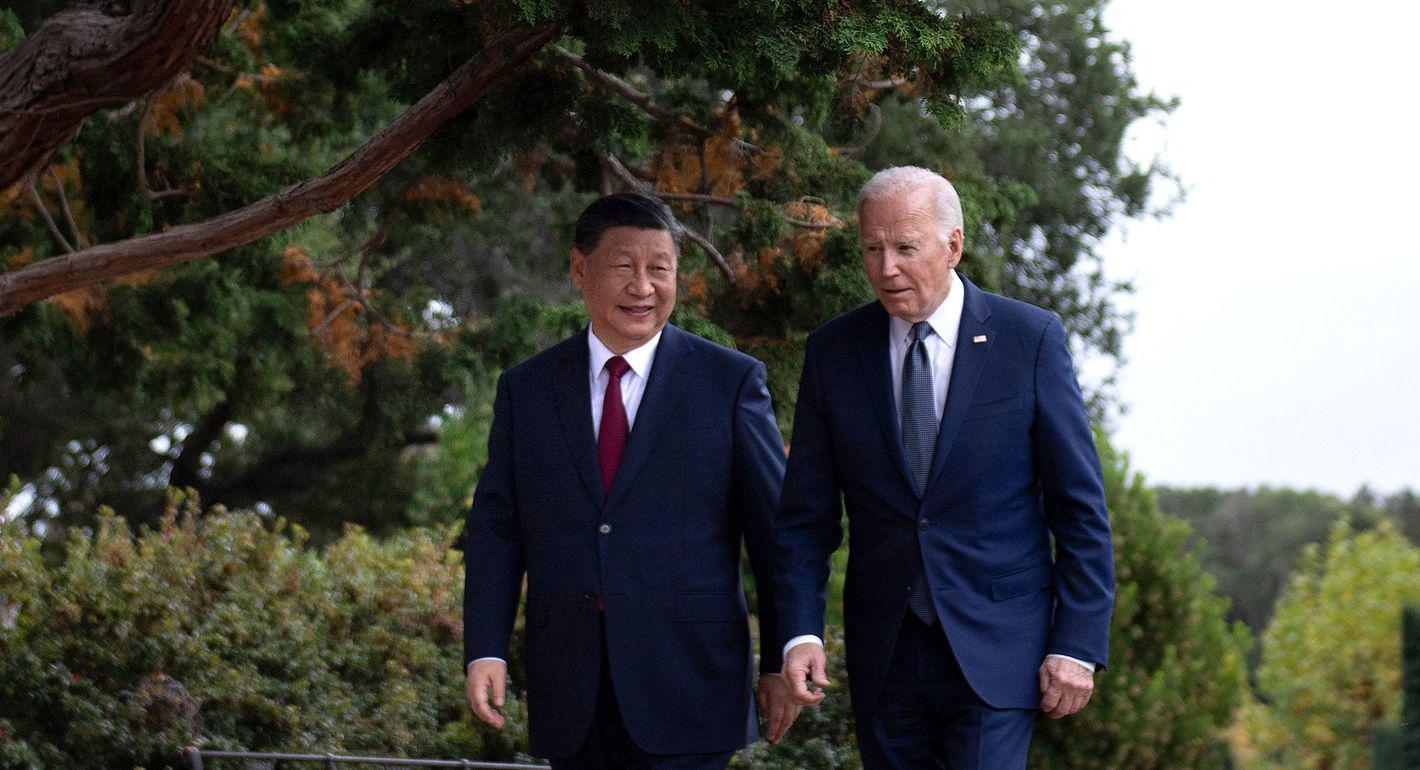
Carnegie China scholars share their assessment of the Biden-Xi meeting and its implications for U.S.-China relations going forward.



Paul Haenle, Xue Gong, Ngeow Chow Bing, …
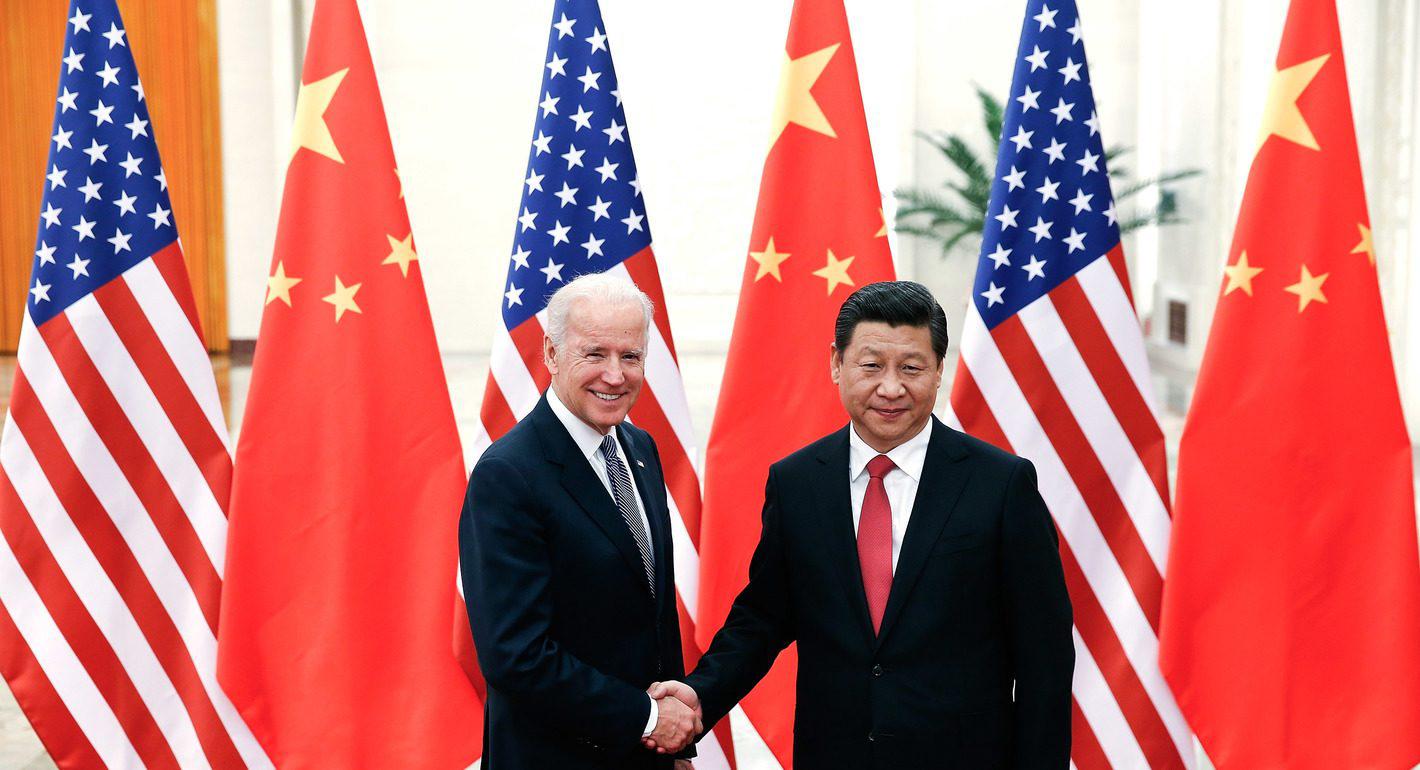
Southeast Asian capitals would prefer that the U.S. and PRC manage their relationship, if not get along.

Paul Haenle, Chong Ja Ian
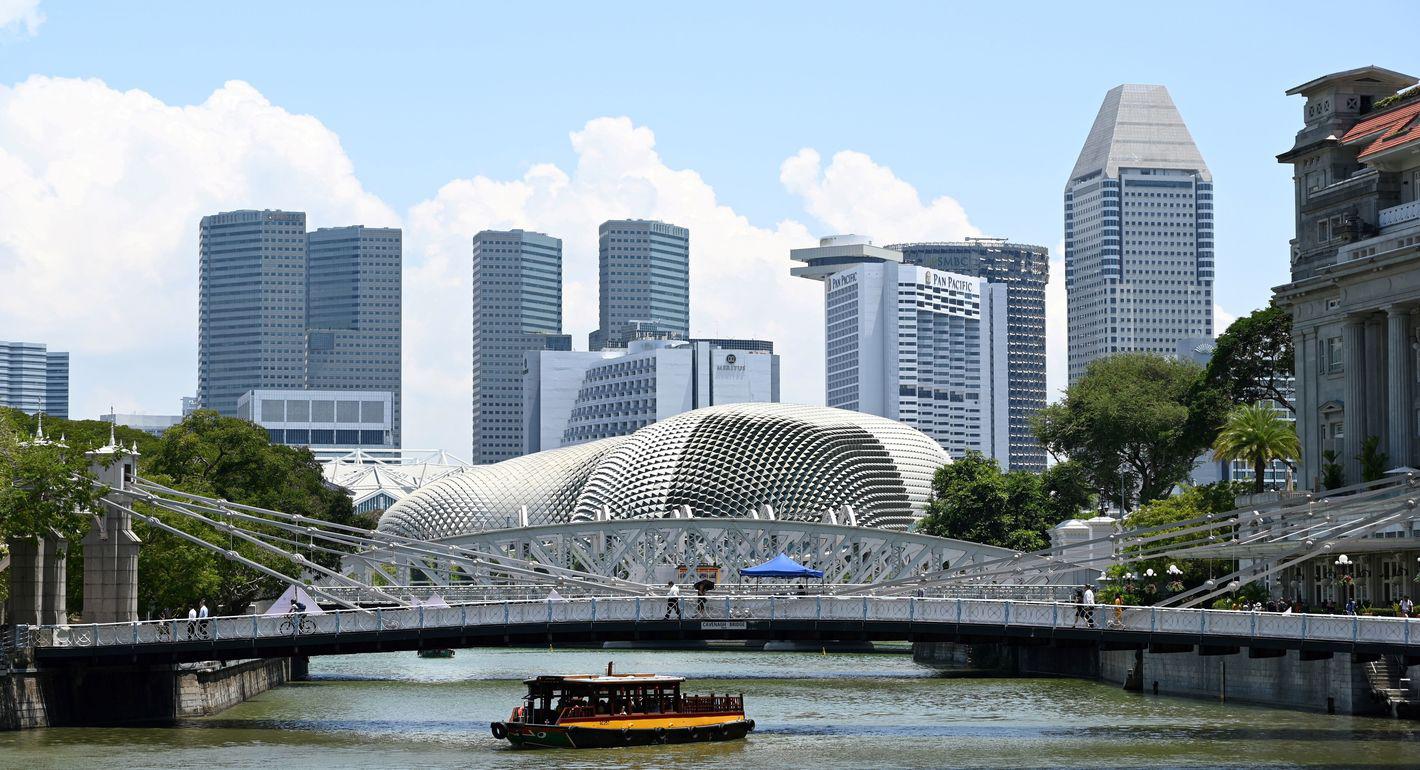
As the world undergoes a new round of fragmentation and major power rivalry that includes the advancing of divergent visions of global order, Singapore is discovering that its interests are increasingly being pulled in different directions.
Chong Ja Ian