

Q&A
Suzanne Maloney, Aaron David Miller, Karim Sadjadpour
{
  "authors": [
    "Karim Sadjadpour"
  ],
  "type": "legacyinthemedia",
  "centerAffiliationAll": "dc",
  "centers": [
    "Carnegie Endowment for International Peace",
    "Malcolm H. Kerr Carnegie Middle East Center"
  ],
  "collections": [],
  "englishNewsletterAll": "menaTransitions",
  "nonEnglishNewsletterAll": "",
  "primaryCenter": "Carnegie Endowment for International Peace",
  "programAffiliation": "MEP",
  "programs": [
    "Middle East"
  ],
  "projects": [],
  "regions": [
    "Middle East",
    "Iran",
    "Saudi Arabia",
    "Gulf"
  ],
  "topics": [
    "Political Reform",
    "Democracy",
    "Security"
  ]
}
Source: Getty
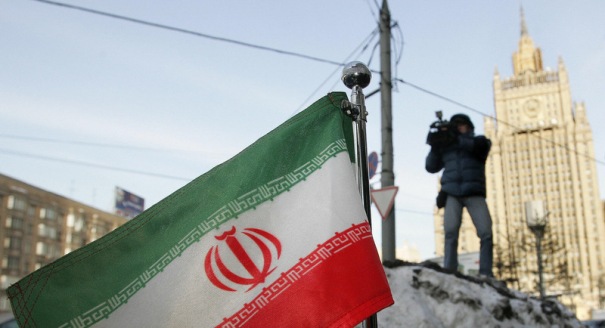
The Saudi-Iran rivalry for preeminence in the Middle East is more likely to escalate rather than deescalate in the coming years.
Source: Axios
The Saudi-Iran rivalry is less an ancient religious conflict and more a modern geopolitical proxy war cloaked in ethnic (Arab vs. Persian) and sectarian (Sunni vs. Shia) garb. The two countries are on opposing sides of horrific conflicts—in Syria, Yemen, and Iraq—that have caused over a million civilian casualties, the greatest refugee crisis since WWII, and the proliferation of Sunni Jihadist groups such as ISIS and Shiite militias to counter them.
The most powerful man in each country—78-year-old Iranian Supreme Leader Ayatollah Ali Khamenei and 31-year-Saudi Crown Prince Mohammed bin Salman (MBS)—are a study in contrasts. Khamenei is a deeply traditional cleric who cautiously rules a predominantly modern society; MBS has a modern outlook and bold ambitions but presides over a deeply traditional society.
The bottom line: Khamenei's death has been anticipated for over a decade, but it's equally plausible he and MBS will spend the next decade vying for preeminence in the Middle East. The cynicism of an autocrat who has ruled for 28-years, coupled with the assertiveness of a young leader eager to prove himself, means their rivalry is more likely to escalate rather than deescalate.

Senior Fellow, Middle East Program
Karim Sadjadpour is a senior fellow at the Carnegie Endowment for International Peace, where he focuses on Iran and U.S. foreign policy toward the Middle East.
Recent Work


Suzanne Maloney, Aaron David Miller, Karim Sadjadpour

Aaron David Miller, Karim Sadjadpour, Robin Wright
Carnegie does not take institutional positions on public policy issues; the views represented herein are those of the author(s) and do not necessarily reflect the views of Carnegie, its staff, or its trustees.

China’s political future will be shaped between now and next October. As the Communist Party enters its intense “campaign season” to prepare for a major political transition in 2027, reading Beijing's actions and responses may become more difficult as domestic politics weigh on its behavior more than usual.

Damien Ma
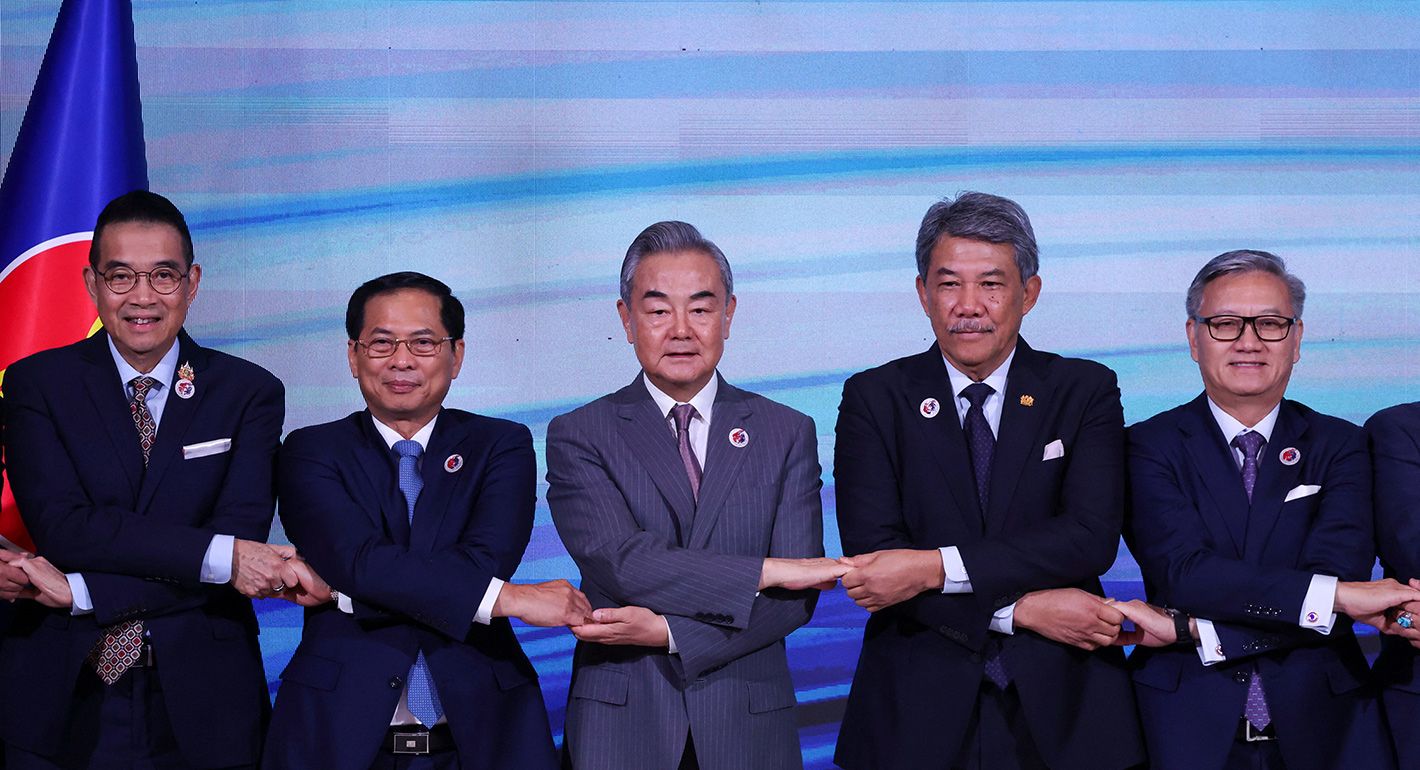
The Thai-Cambodian conflict highlights the limits to China's peacemaker ambition and the significance of this role on Southeast Asia’s balance of power.

Pongphisoot (Paul) Busbarat
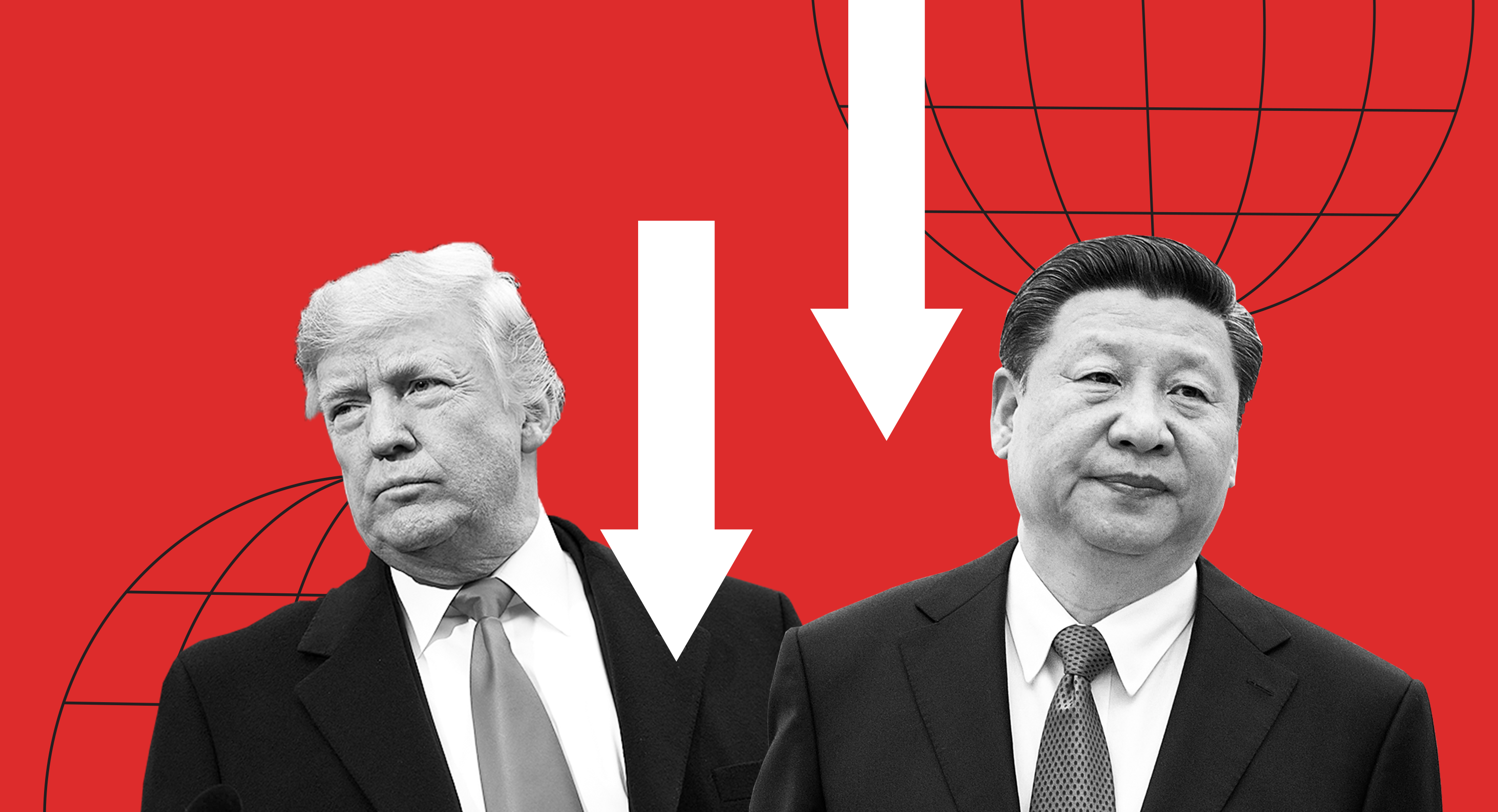
Beijing believes that Washington is overestimating its own leverage and its ability to handle the trade war’s impacts.


Rick Waters, Sheena Chestnut Greitens
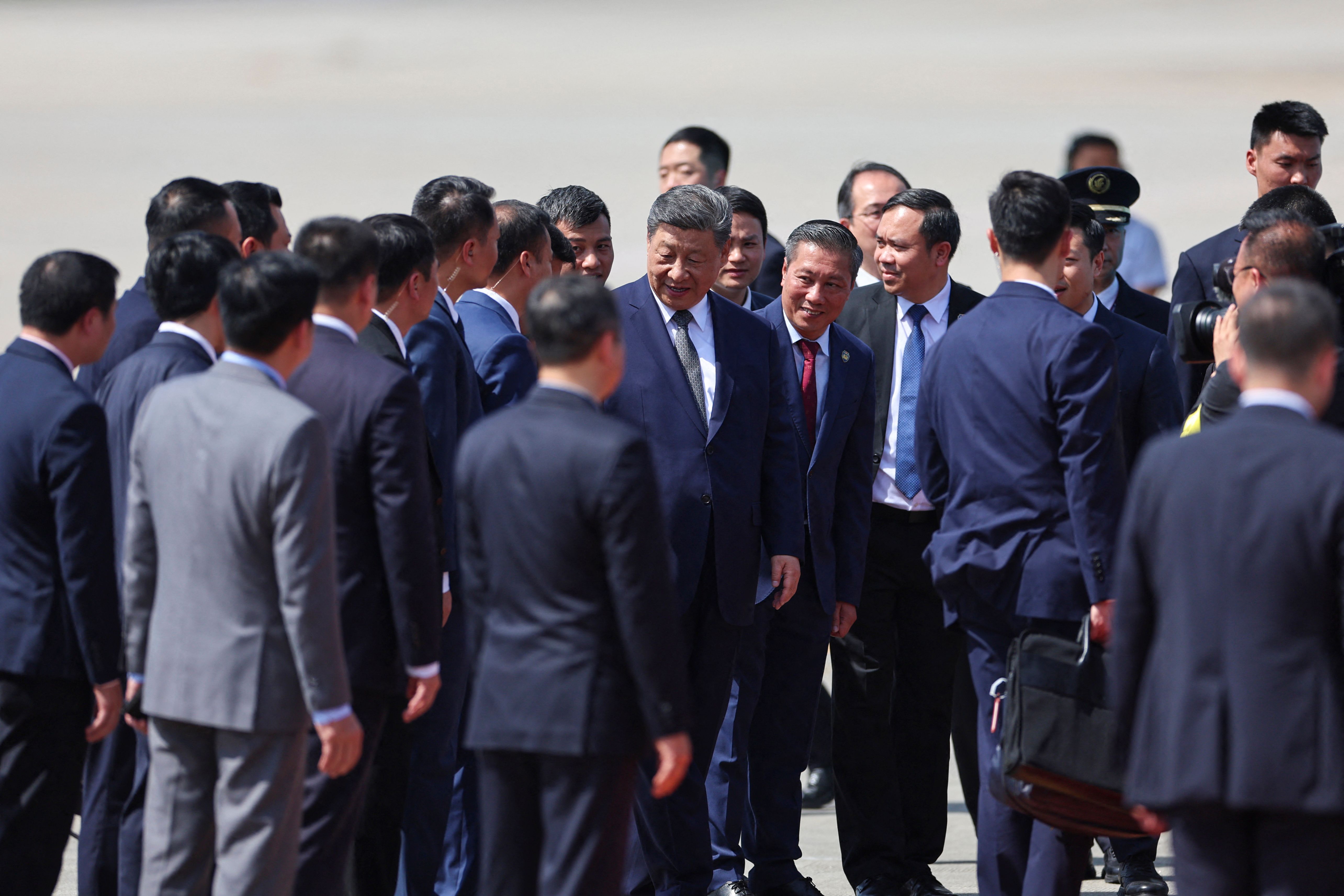
Tapping our network of China experts in the region, Carnegie China offers this latest “China Through a Southeast Asian Lens” report to offer preliminary assessments of whether the U.S. effort to reshape the global trading order will lead countries in the region to tilt toward Beijing.


Selina Ho, Khin Khin Kyaw Kyee, Joseph Ching Velasco, …
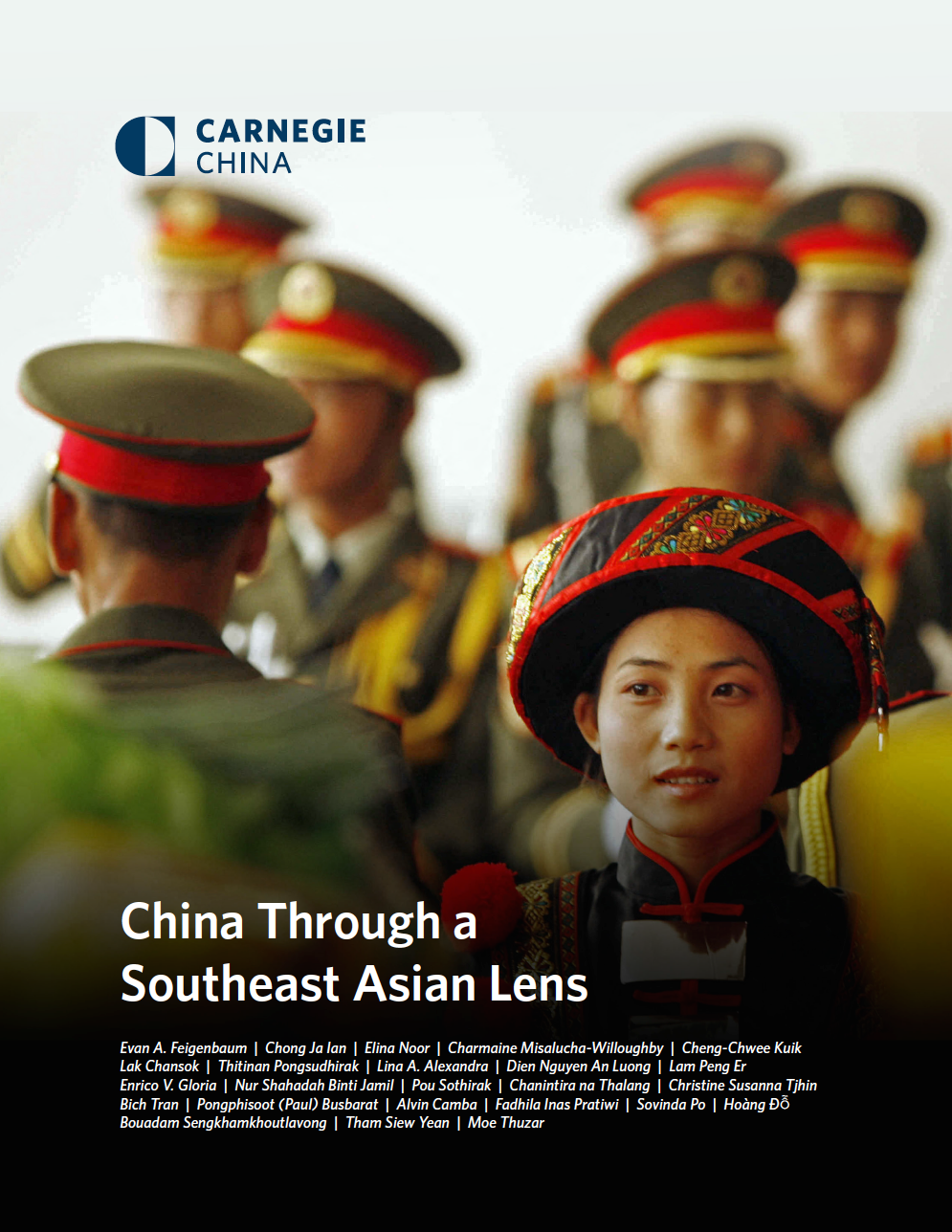
Because strategic, economic, and ideological perceptions of China contain multiple, sometimes contradictory facets in Southeast Asia, receptions of and responses to Beijing diverge across and within state lines.



Evan A. Feigenbaum, Chong Ja Ian, Elina Noor