

Research
- +5
Alper Coşkun, Fatih Ceylan, Tacan İldem, …
{
  "authors": [
    "Sinan Ülgen"
  ],
  "type": "other",
  "centerAffiliationAll": "dc",
  "centers": [
    "Carnegie Endowment for International Peace",
    "Carnegie Europe"
  ],
  "collections": [
    "Turkey’s Transformation",
    "EU Integration and Enlargement"
  ],
  "englishNewsletterAll": "ctw",
  "nonEnglishNewsletterAll": "",
  "primaryCenter": "Carnegie Europe",
  "programAffiliation": "EP",
  "programs": [
    "Europe"
  ],
  "projects": [],
  "regions": [
    "Europe",
    "Türkiye",
    "Middle East",
    "Iran"
  ],
  "topics": [
    "EU",
    "Political Reform"
  ]
}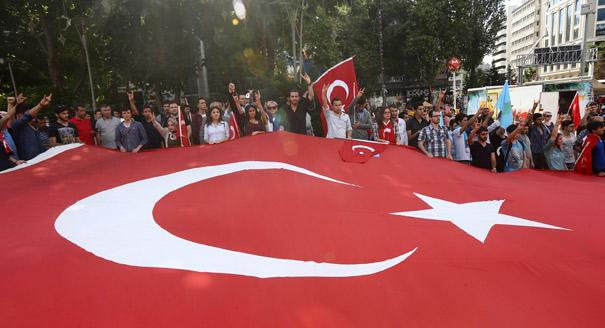
Source: Getty
The Turkey-EU agenda should include a resilience action plan to improve the capacity of Turkish institutions and society to withstand—and eventually seek to roll back—challenges to democracy.
Source: International Affairs Institute
The concept of “building resilience” in Turkey can be defined as improving the capacity of institutions and society to withstand and eventually seek to roll back a sustained challenge to democratic norms. From the perspective of Turkish society, the threat originates from the wide disparities in regional incomes that are themselves a by-product in the equally wide disparities in educational achievements and employable skills. Nevertheless, Turkish society retains important elements of resilience. This is the end result of a flawed and yet very real experience with multi-party democracy for over seven decades. At the same time Turkey is a failed accession state and the frustrations as well as the acrimony generated by this hapless state of affairs will have implications for any other EU engagement strategy with Ankara. It is therefore necessary to build the resilience action plan as a component of the formal Turkey–EU agenda, which is broader than the accession track. The soon-to-be-launched negotiations for the modernization of the EU–Turkey Customs Union provide a timely and useful option.
This report was originally published by the International Affairs Institute.

Senior Fellow, Carnegie Europe
Sinan Ülgen is a senior fellow at Carnegie Europe in Brussels, where his research focuses on Turkish foreign policy, transatlantic relations, international trade, economic security, and digital policy.
Recent Work

Alper Coşkun, Fatih Ceylan, Tacan İldem, …
Carnegie does not take institutional positions on public policy issues; the views represented herein are those of the author(s) and do not necessarily reflect the views of Carnegie, its staff, or its trustees.
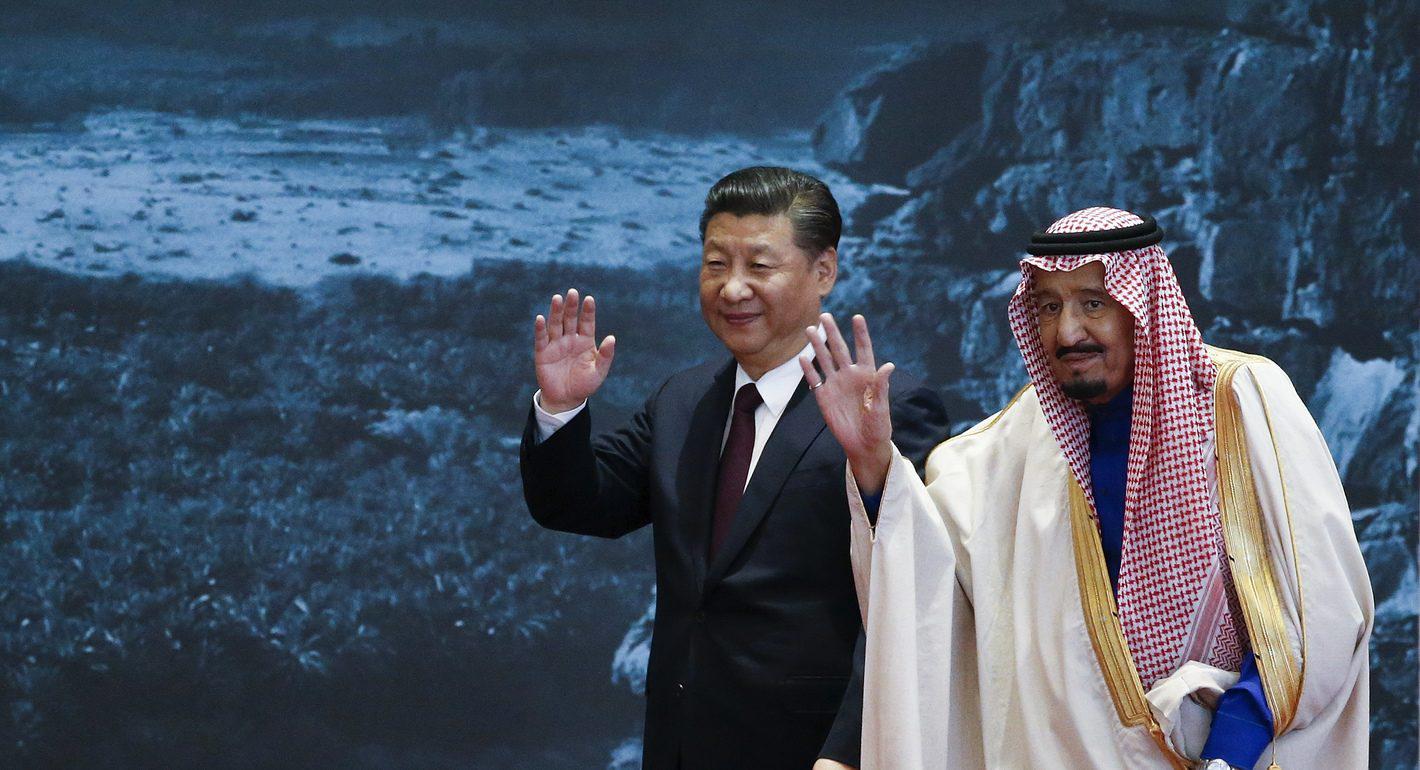
The advantage that China has over other global powers, especially America, is that its foreign policy is closely aligned with those of many of the Middle Eastern countries.


Jin Liangxiang, Maha Yahya, Hesham Alghannam
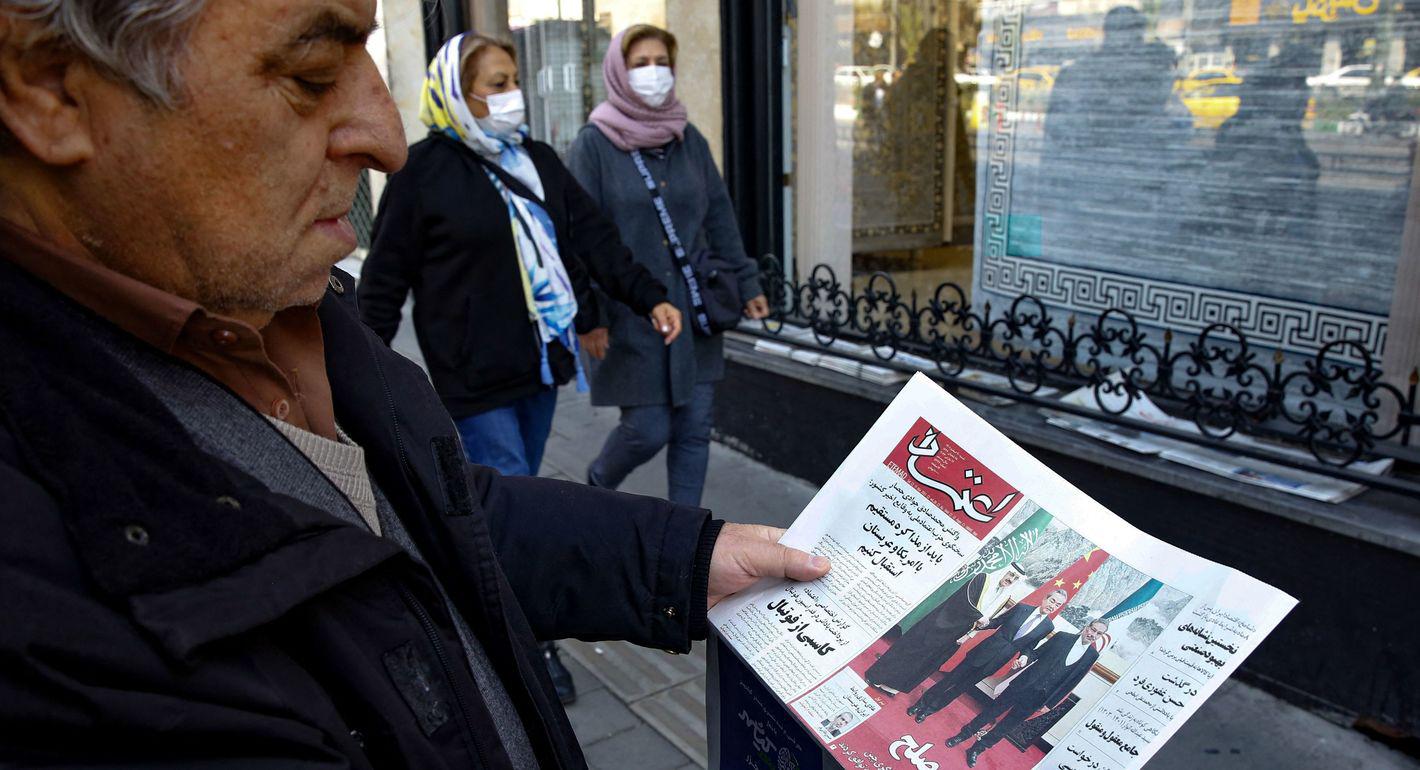
Transactional relationships are stable but can be shallow.


Paul Haenle, Maha Yahya, Benjamin Ho, …
“It’s not so clear how we’re going to get out of this.”
Paul Haenle, Philippe Le Corre

It’s about managing oil prices, bread prices, and strategic partnerships.



Amr Hamzawy, Karim Sadjadpour, Aaron David Miller, …

With the potential of enabling not only significant economic growth but also the innovation of critical technologies in various fields, both the United States and China view 5G as one of the key influencing factors in the “great power competition.”
Lyu Jinghua