

Report
- +2
George Perkovich, Jessica Tuchman Mathews, Joseph Cirincione, …
{
  "authors": [
    "Jon Wolfsthal"
  ],
  "type": "other",
  "centerAffiliationAll": "dc",
  "centers": [
    "Carnegie Endowment for International Peace"
  ],
  "collections": [
    "U.S. Nuclear Policy"
  ],
  "englishNewsletterAll": "ctw",
  "nonEnglishNewsletterAll": "",
  "primaryCenter": "Carnegie Endowment for International Peace",
  "programAffiliation": "NPP",
  "programs": [
    "Nuclear Policy"
  ],
  "projects": [],
  "regions": [
    "North America",
    "United States"
  ],
  "topics": [
    "Nuclear Policy"
  ]
}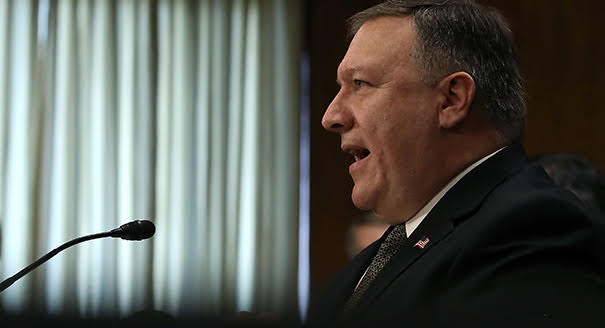
Source: Getty
Democratic foreign-policy veterans want answers from Trump’s pick for Secretary of State.
Source: Foreign Policy
The Iraq War shows that regime change is not an effective nonproliferation tool. Americans will not support another war to eliminate weapons of mass destruction if it requires the U.S. military to invade and occupy a foreign country at the cost of thousands of lives and trillions of dollars. Do you share this view?
Do you view regime change and invasion as an effective and efficient international tool to deal with nonproliferation? If so, how do those costs compare with verified negotiated agreements like the Iran nuclear deal?
The U.S. military, including the chairman of the Joint Chiefs and the head of U.S. Strategic Command, supports the New START arms control agreement with Russia. Do you favor its five-year extension? If not, why? What would be lost if the treaty were allowed to prematurely expire in 2021?
This article was originlly published in Foreign Policy. To read the rest of the article, please click here.
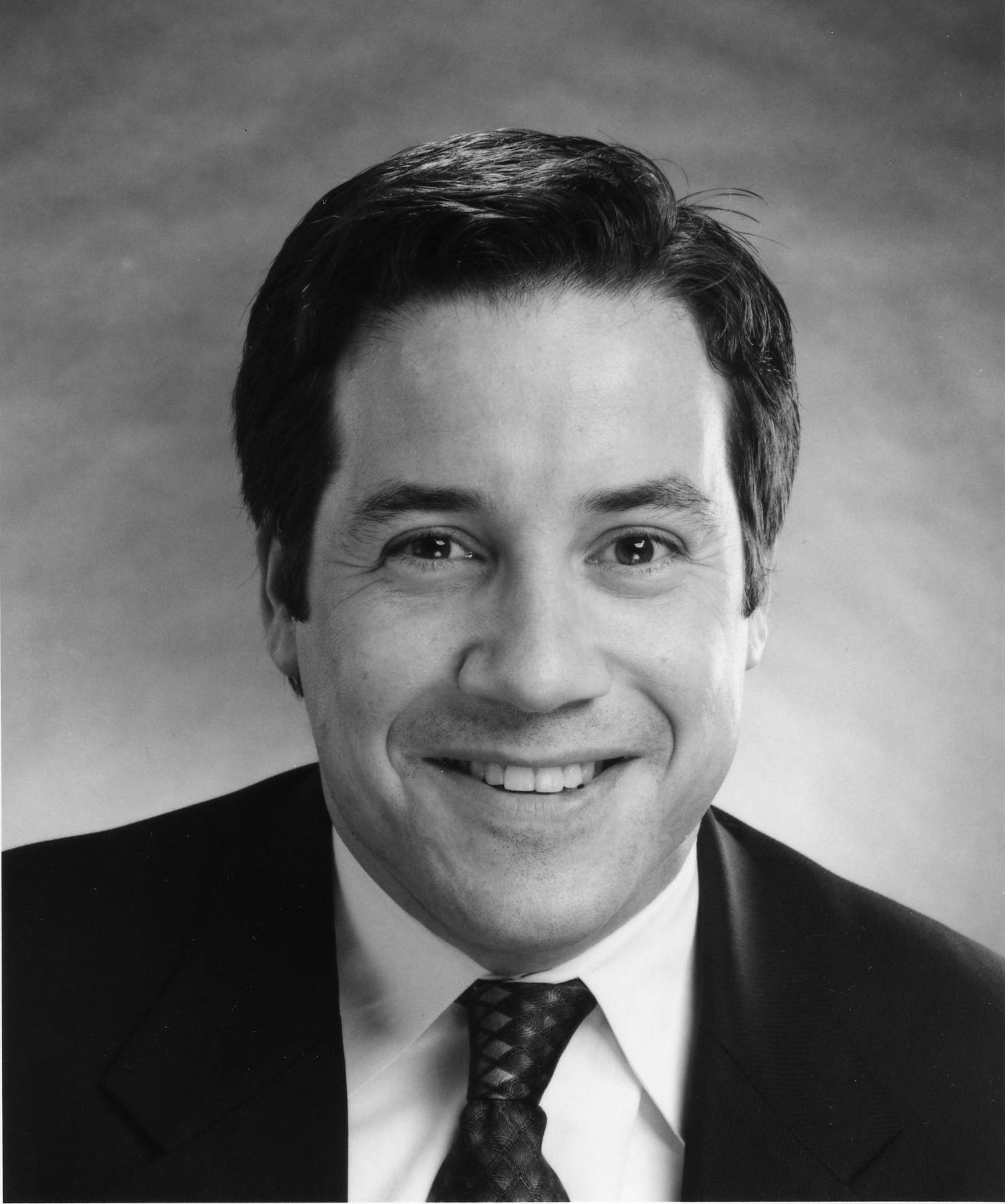
Former Nonresident Scholar, Nuclear Policy Program
Jon Wolfsthal was a nonresident scholar with the Nuclear Policy Program.
Recent Work


George Perkovich, Jessica Tuchman Mathews, Joseph Cirincione, …
Jon Wolfsthal
Carnegie does not take institutional positions on public policy issues; the views represented herein are those of the author(s) and do not necessarily reflect the views of Carnegie, its staff, or its trustees.

But their "principal to principal" model will only be as effective as the political strength of each leader back home.

Damien Ma

U.S. unpredictability has allowed China to capitalize on its positioning as the “responsible great power”. Paradoxically, the more China wins the perception game, the more likely expectations will rise for Beijing to deliver not just words but to demonstrate with its deeds.

Chong Ja Ian

For Malaysia, the conjunction that works is “and” not “or” when it comes to the United States and China.

Elina Noor

Regulation, not embargo, allows Beijing to shape how other countries and firms adapt to its terms.
Alvin Camba
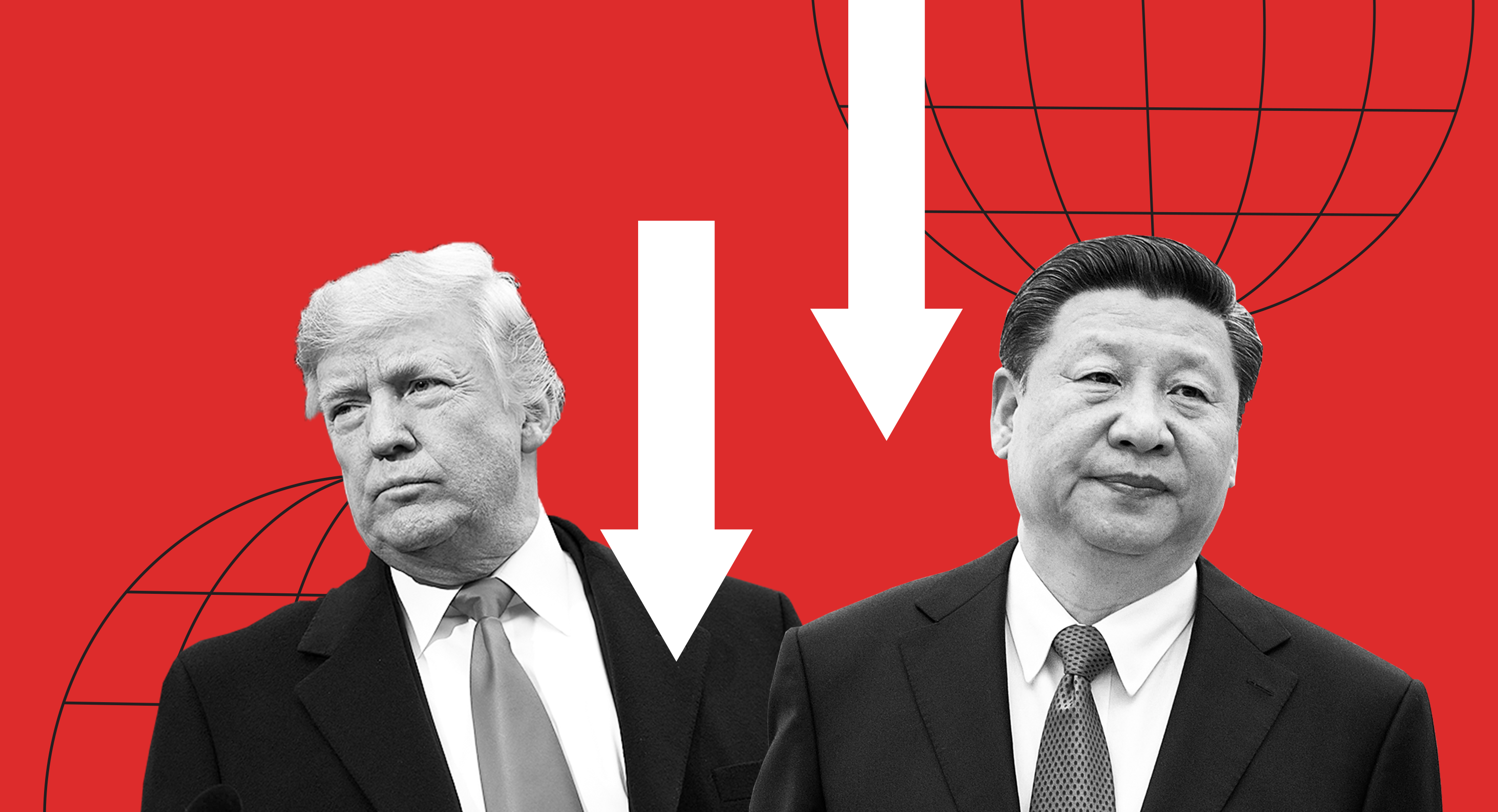
Beijing believes that Washington is overestimating its own leverage and its ability to handle the trade war’s impacts.


Rick Waters, Sheena Chestnut Greitens