

Research
- +10
Jarrett Blanc, Thomas de Waal, Karim Sadjadpour, …
{
  "authors": [
    "Jarrett Blanc"
  ],
  "type": "legacyinthemedia",
  "centerAffiliationAll": "dc",
  "centers": [
    "Carnegie Endowment for International Peace",
    "Malcolm H. Kerr Carnegie Middle East Center"
  ],
  "collections": [],
  "englishNewsletterAll": "americanStatecraft",
  "nonEnglishNewsletterAll": "",
  "primaryCenter": "Carnegie Endowment for International Peace",
  "programAffiliation": "ASP",
  "programs": [
    "American Statecraft"
  ],
  "projects": [],
  "regions": [
    "North America",
    "United States",
    "Middle East",
    "Iran"
  ],
  "topics": [
    "Political Reform",
    "Global Governance",
    "Foreign Policy"
  ]
}
Source: Getty
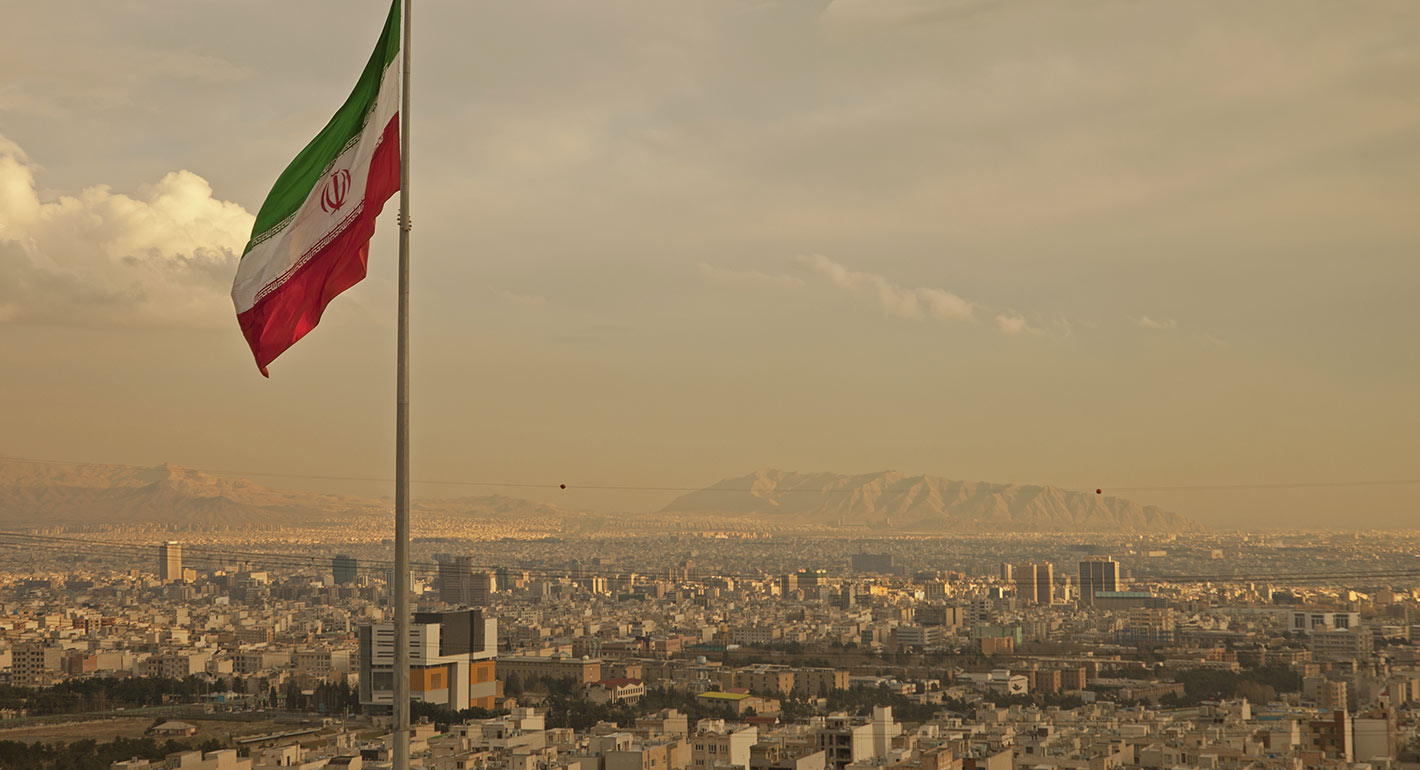
The United States, which currently holds the Financial Action Task Force presidency and wants to impose “unprecedented financial pressure” on Iran, almost certainly opposed the 2019 extension.
Source: Axios
On Oct. 19, the Financial Action Task Force (FATF), an intergovernmental organization that sets standards for countries to combat money laundering and terrorist financing, gave Iran an extension until February 2019 to implement its plan to address “strategic deficiencies” in these areas.
Why it matters: The U.S., which currently holds the FATF presidency and wants to impose “unprecedented financial pressure” on Iran, almost certainly opposed the extension. Washington’s inability to carry the debate demonstrates the diplomatic shortcomings of its unilateral approach to Iran.
The background: Iran was on FATF’s blacklist and subject to countermeasures that all but shut Iran off from licit international finance from 2008 through 2016. For much of that time, Iran’s only company was North Korea, though many of Iran’s shortcomings were more comparable to those of Pakistan, a country that moved on and off the much less effectual “gray list” over the same period.
In 2016, FATF gave Iran one year to implement an action plan to address terrorist financing, during which time they would stay on the blacklist but without countermeasures. FATF also gave Iran access to international bank transactions that were difficult and expensive, but not impossible.
That grace period has been extended repeatedly as Iran makes slow progress on its action plan. Most recently, the government won parliamentary approval for a new law to counter terrorist financing. But FATF will not complete its evaluation of the law until it is ratified by Iran’s top clerical council.
What’s next: Even if the new law is ratified, Iran will face deep skepticism from other FATF members, as it's thought unlikely to take steps — either in law or practice — that discourage providing financial support to long-time terrorist clients such as Hezbollah. The intense opposition FATF has encountered from Iranian hardliners does suggest, however, that the proposed reforms could have some real bite if implemented.
Reality check: After the Iran nuclear deal led to sanctions relief, Tehran realized that it needed FATF liberalization to foster business with Europe and elsewhere. But now that the U.S. is re-imposing sanctions, Iran will struggle to sustain trade regardless of what FATF does. Europe is offering political support and a modest trade channel if Iran continues to meet its nuclear deal obligations, but that support will be harder to sustain if Iran slips back into the FATF countermeasures category.
Former Senior Fellow, Geoeconomics and Strategy Program
Jarrett Blanc was a senior fellow in the Geoeconomics and Strategy Program at the Carnegie Endowment for International Peace.
Recent Work


Jarrett Blanc, Thomas de Waal, Karim Sadjadpour, …

Dan Baer, Rosa Balfour, Jarrett Blanc, …
Carnegie does not take institutional positions on public policy issues; the views represented herein are those of the author(s) and do not necessarily reflect the views of Carnegie, its staff, or its trustees.

The nuclear relationship between China and the United States is increasingly shaped by widening perception gaps rather than deliberate strategic design.

Tong Zhao

But their "principal to principal" model will only be as effective as the political strength of each leader back home.

Damien Ma

U.S. unpredictability has allowed China to capitalize on its positioning as the “responsible great power”. Paradoxically, the more China wins the perception game, the more likely expectations will rise for Beijing to deliver not just words but to demonstrate with its deeds.

Chong Ja Ian

Hanoi and Beijing have long treated each other as distant cousins rather than comrades in arms. That might be changing as both sides draw closer to hedge against uncertainty and America’s erratic behavior.

Nguyễn Khắc Giang

Across Asia, China is better positioned to withstand energy shocks from the fallout of the Iran war. Its abundant coal capacity can ensure stability in the near term. Yet at the same time, the country’s energy transition away from coal will make it even less vulnerable during the next shock.
Damien Ma