

Article
China has showcased its engineering prowess with small modular reactor demonstration projects. But turning these technological achievements into commercial success will be a greater challenge.
Tong Zhao
{
  "authors": [
    "Tomoko Kurokawa",
    "Jon Wolfsthal"
  ],
  "type": "legacyinthemedia",
  "centerAffiliationAll": "dc",
  "centers": [
    "Carnegie Endowment for International Peace"
  ],
  "collections": [
    "U.S. Nuclear Policy"
  ],
  "englishNewsletterAll": "ctw",
  "nonEnglishNewsletterAll": "",
  "primaryCenter": "Carnegie Endowment for International Peace",
  "programAffiliation": "NPP",
  "programs": [
    "Nuclear Policy"
  ],
  "projects": [],
  "regions": [
    "North America",
    "United States"
  ],
  "topics": [
    "Nuclear Policy",
    "Arms Control"
  ]
}
Source: Getty
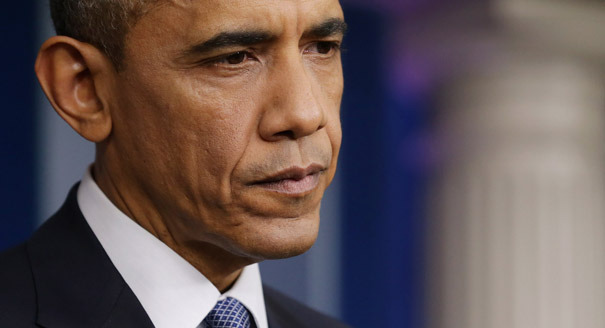
Through an interview with a former Obama administration official, the major determinants of the president’s nuclear policy options are explored in detail.
Journal for Peace and Nuclear Disarmament
Jon Wolfsthal is renowned for his policy achievements and his well-informed articles on nuclear arms control and nonproliferation issues. He served as special assistant to former US President Barack Obama and as senior director for arms control and nonproliferation at the National Security Council from 2014 to 2017. He was special adviser to Vice President Joe Biden for nuclear security and nonproliferation and a director for nonproliferation on the National Security Council from 2009 to 2012. During his time in the Obama White House, Wolfsthal was a key figure in formulating and implementing Obama administration nuclear policies. This interview enables both experts and the general public to become more acquainted with major determinants of the policy options that the Obama administration pursued as it sought to advance the President’s “Prague agenda”. The following text actually combines two interviews, conducted on 30 July 2017 and 1 March 2018 and edited for this journal.
Tomoko Kurokawa (TK):
You have been a distinguished expert on nuclear weapons policy for a long time, but finally, in summer 2017, you visited Hiroshima to attend a symposium held in this city.
Jon Wolfsthal (JW):
It was my first visit to Hiroshima. It was challenging to be there. I’ve spent my whole life working on nuclear issues. Before coming to Hiroshima, I had visited many locations associated with nuclear weapons development and use. I have been to U.S. Strategic Command and Los Alamos and Lawrence Livermore laboratories. Then, I had been through 35 years of working on nuclear issues, but had never been to Hiroshima. To finally come to Hiroshima is – it makes you, it forces you to think. It forces you to be aware of what you’re working on. So, it’s challenging. I woke up early on the morning after arrival at Hiroshima and walked over to the Peace Park. On that day, some ceremony was scheduled in the Peace Park. I didn’t want to attend this ceremony as my first time visit to the Peace Park – so I could get my crying done beforehand. Then I can be a little bit more composed at the ceremony.
TK:
What was your impression of the Peace Park?
JW:
It’s beautiful. In the United States, people are still very sensitive in discussing the bombing of Hiroshima. And every time there is a museum exhibit or an event on Hiroshima and Nagasaki, there is a big controversy. So, in reading all of the language and transcription it’s clear that there is also a great sensitivity here in the way that things are talked about.
TK:
American people are still very sensitive?
JW:
Just the language. It’s clear that it’s very delicate. And so, I find it interesting that we have the same concern, both in the United States and in Japan, it’s reflected in all of our language. But it’s emotional. And it’s hard to know really how to feel as an American, as a friend of Japan, as someone who wants to eliminate nuclear weapons but who also understands history. It’s – the word I keep coming back to is it really is challenging; it’s forcing me to rethink all of the assumptions, all of the conclusions, which is why we come here. Right? It’s easy to think about these issues in Harvard University or at Stanford; it’s another thing to come to where a nuclear weapon has been used and to think about it.
This article was originally published in the Journal for Peace and Nuclear Disarmament.

Former Nonresident Scholar, Nuclear Policy Program
Kurokawa was a nonresident scholar in the Carnegie Nuclear Policy Program.
Former Nonresident Scholar, Nuclear Policy Program
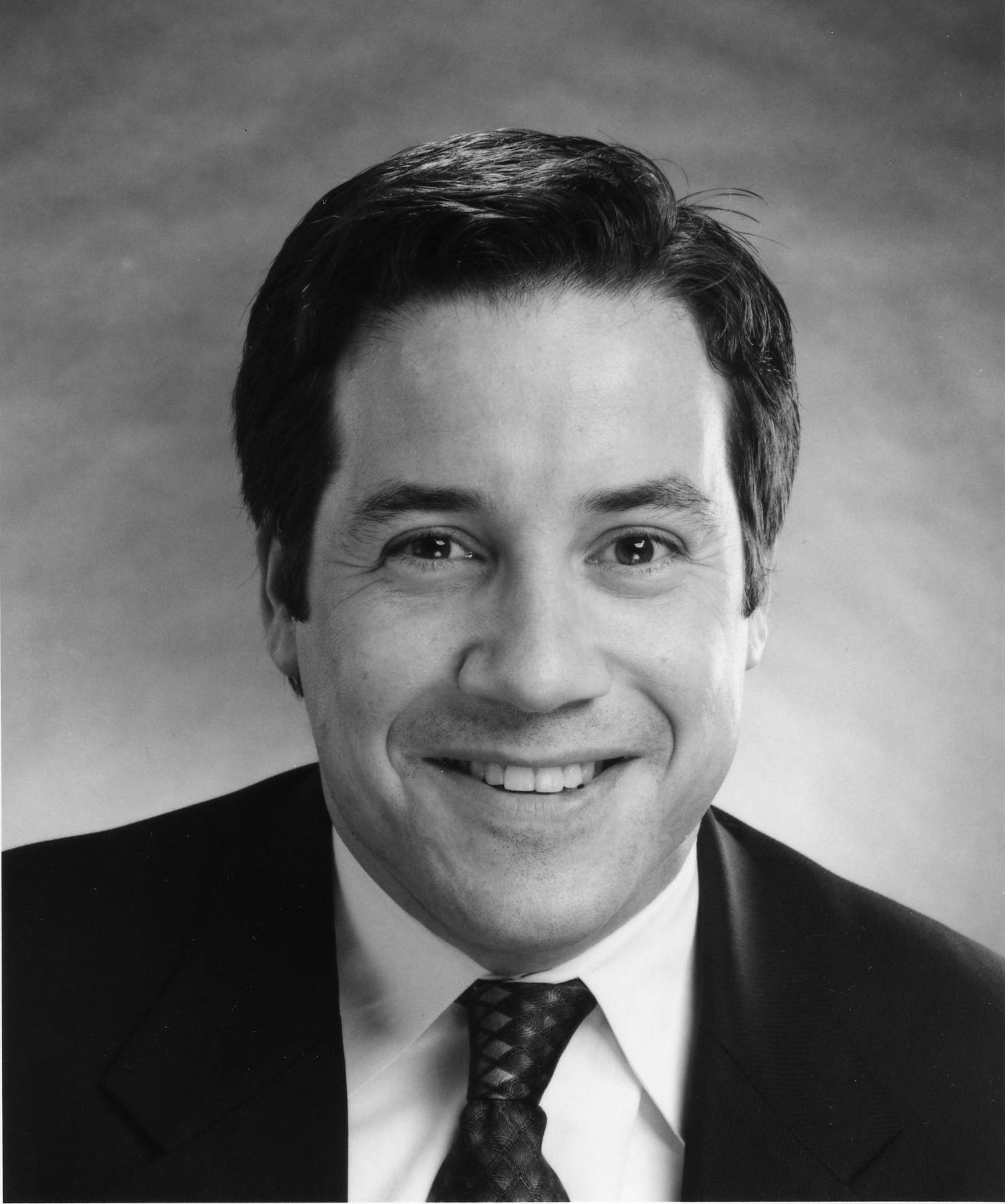
Jon Wolfsthal was a nonresident scholar with the Nuclear Policy Program.
Carnegie does not take institutional positions on public policy issues; the views represented herein are those of the author(s) and do not necessarily reflect the views of Carnegie, its staff, or its trustees.

China has showcased its engineering prowess with small modular reactor demonstration projects. But turning these technological achievements into commercial success will be a greater challenge.

Tong Zhao

The nuclear relationship between China and the United States is increasingly shaped by widening perception gaps rather than deliberate strategic design.
Tong Zhao

But their "principal to principal" model will only be as effective as the political strength of each leader back home.

Damien Ma

U.S. unpredictability has allowed China to capitalize on its positioning as the “responsible great power”. Paradoxically, the more China wins the perception game, the more likely expectations will rise for Beijing to deliver not just words but to demonstrate with its deeds.

Chong Ja Ian

For Malaysia, the conjunction that works is “and” not “or” when it comes to the United States and China.

Elina Noor