

Research
- +6
Yasmine Farouk, Nathan J. Brown, Maysaa Shuja Al-Deen, …
{
  "authors": [
    "Anouar Boukhars"
  ],
  "type": "other",
  "centerAffiliationAll": "dc",
  "centers": [
    "Carnegie Endowment for International Peace"
  ],
  "collections": [],
  "englishNewsletterAll": "menaTransitions",
  "nonEnglishNewsletterAll": "",
  "primaryCenter": "Carnegie Endowment for International Peace",
  "programAffiliation": "MEP",
  "programs": [
    "Middle East"
  ],
  "projects": [],
  "regions": [
    "North Africa",
    "Algeria",
    "Morocco"
  ],
  "topics": [
    "Political Reform",
    "Security",
    "Military"
  ]
}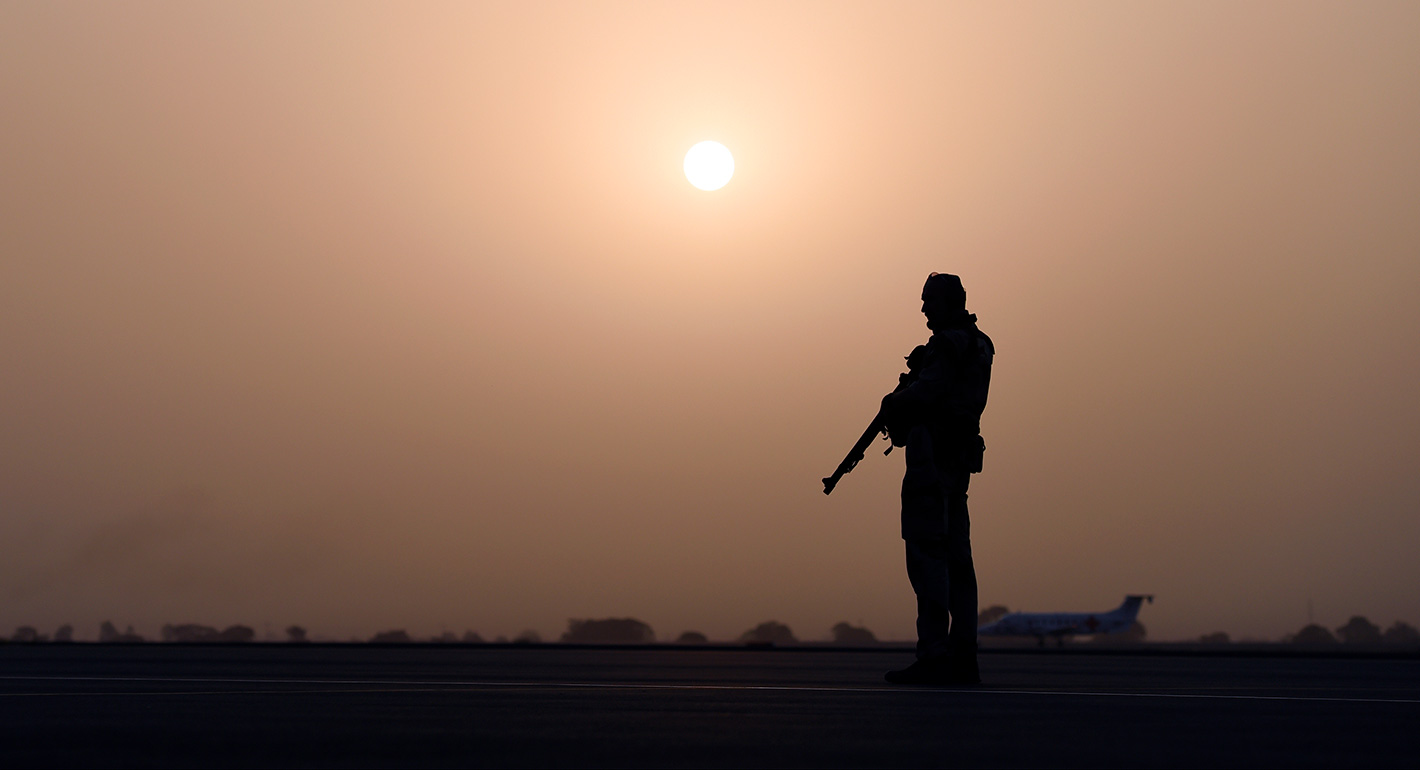
Source: Getty
More than half a decade after the collapse of the Libyan state and the severe destabilization of Mali, regional policymakers are still seeking the appropriate principles and patterns of management that can foster a modicum of stability in the broader regional security architecture linking the Maghreb and the Sahel.
Source: Middle Eastern Studies
More than half a decade after the collapse of the Libyan state and the severe destabilization of Mali, regional policymakers are still seeking the appropriate principles and patterns of management that can foster a modicum of stability in the broader regional security architecture linking the Maghreb and the Sahel. In such processes of constructing management options, the importance of regional powers in affecting regional security becomes salient, as the outcomes of their role and orientations can be determinant in building effective or failed security orders. It is thus crucial that regional powers not be identified simply based on their material capabilities (military spending, economic size, population size) but also on their behaviour in executing a wide range of security issues. First, their performance in initiating coordinated policies and achieving their security policy preferences is paramount to the provision of regional leadership. In other words, the possession of a higher degree of relative military power or economic capabilities is not the most accurate yardstick for judging whether or not a state be recognized as a regional security provider. Second, this recognition, which is largely a function of both the material and ideational capabilities that guide the behaviour of regional powers, must be earned.
The logic here is that when aspiring regional security providers are confronted with or called upon to tackle regional security problems, the relevance of their power relies on their capacity to lead, assist, cajole and persuade. To a significant extent, this leadership is reflected in their ability to influence their neighbours, reduce security dilemma dynamics with other powers in the system, and limit the intrusions of extra-regional powers.1 Such outcomes cannot transpire unless underpinned by three key criteria: (a) the capacity and willingness to contribute to regional security (military aid, mediation, peacekeeping), (b) soft power resources (transnational religious belonging, cultural diplomacy, economic relations) and (c) acceptance of great power status by peer states.
Obvious as it may sound, effective leadership is also heavily contingent upon the domestic performance of regional powers.2 Countries that aspire to be regional leaders but are hobbled by structural problems, incoherent political institutions and disintegrating national projects will have difficulty assuming the mantle of regional responsibility and acting as interlocutors between their region and major powers. Currently none of the much talked about regional powers in Africa (Algeria, Nigeria or South Africa) have been able to harness the potential of their capabilities for the advancement of their regions’ security and peace. Ideally, given their size and economic and military potential, they should bolster their neighbours’ security, political stability and economic vitality.3 The reality however is that it is external interveners or underrated emerging regional powers that assume this role. In the case of the Sahel and West Africa, it is France and Morocco that have distinguished themselves as active actors. France is leading anti-insurgent operations against al Qaeda-linked fighters while Morocco is using its soft power assets, bolstered by its growing military capability, to spread its influence in the region. Morocco’s combination of elements of soft and hard power to advance its regional aims effectively provides an interesting case study that offers a clear counterpoint to Algeria’s approach to exercising state power.
This article examines the roles and orientations of both Algeria and Morocco and assesses how their foreign policy behaviour affects their regional economic and security order. Much has been written on Algeria as a regional power or pivotal state.4 Very few studies, however, have provided an integral assessment of the country’s actual behaviour in executing the basic auxiliary roles regional security providers take on as leaders, power brokers, agenda-setters and protectors. In this regard, the choice of Morocco whose foreign policy behaviour emphasizes the use of soft power provides an interesting comparative case to broaden the traditional determinants of how rising powers aspire to contest the mantle of regional leadership...
1. D. Frazier and R. Stewart-Ingersoll, ‘Regional Powers and Security: A Framework for Understanding Order within Regional Security Complexes’, European Journal of International Relations, Vol.16, No.4 (2010), p.741.
2. T. McNamee, Harnessing the Power of Africa’s Swing States: The Catalytic Role of Nigeria, Kenya and South Africa, The Brenthurst Foundation (January 2016). http://www.thebrenthurstfoundation.org/workspace/files/2016-01-harnessing-the-power-of-africa-s-swing-states-brenthurst-paper.pdf.
3. J. Cilliers, J. Sch€unemann and J. D Moyer, ‘Power and influence in Africa: Algeria, Egypt, Ethiopia, Nigeria and South Africa’, African Futures paper 14, Institute for Security Studies, (March 2015). https://issafrica.s3. amazonaws.com/site/uploads/AfricanFuturesNo14-V2.pdf; See also, C. Clapham, G. Mills and J. Herbst (eds), Big African States (Johannesburg: Wits University Press, 2006).
4. R. Chase, E. Hill and P. Kennedy, ‘Pivotal States and U.S. Strategy’ in Foreign Affairs, Vol.75, No.1 (1996); S. Chena, ‘Portée et Limites de l’hégémonie Algérienne dans l’aire sahélo-maghrébin’ in Herodote, Vol.142, No.3, pp.108–124; R. A. Mortimer, ‘Algerian foreign policy: from revolution to national interest’ The Journal of North African Studies, Vol.20, No.3 (2015), pp.466–482; Serge Sur (ed.), ‘L’Algerie, puissance regionale’, Questions internationales, no 81 (2016: Special Issue); Chena Salim (2011).
Former Nonresident Fellow, Middle East Program
Boukhars was a nonresident fellow in Carnegie’s Middle East Program. He is a professor of countering violent extremism and counter-terrorism at the Africa Center for Strategic Studies, National Defense University.
Recent Work



Yasmine Farouk, Nathan J. Brown, Maysaa Shuja Al-Deen, …

Frederic Wehrey, Nathan J. Brown, Bader Al-Saif, …
Carnegie does not take institutional positions on public policy issues; the views represented herein are those of the author(s) and do not necessarily reflect the views of Carnegie, its staff, or its trustees.

China’s political future will be shaped between now and next October. As the Communist Party enters its intense “campaign season” to prepare for a major political transition in 2027, reading Beijing's actions and responses may become more difficult as domestic politics weigh on its behavior more than usual.

Damien Ma
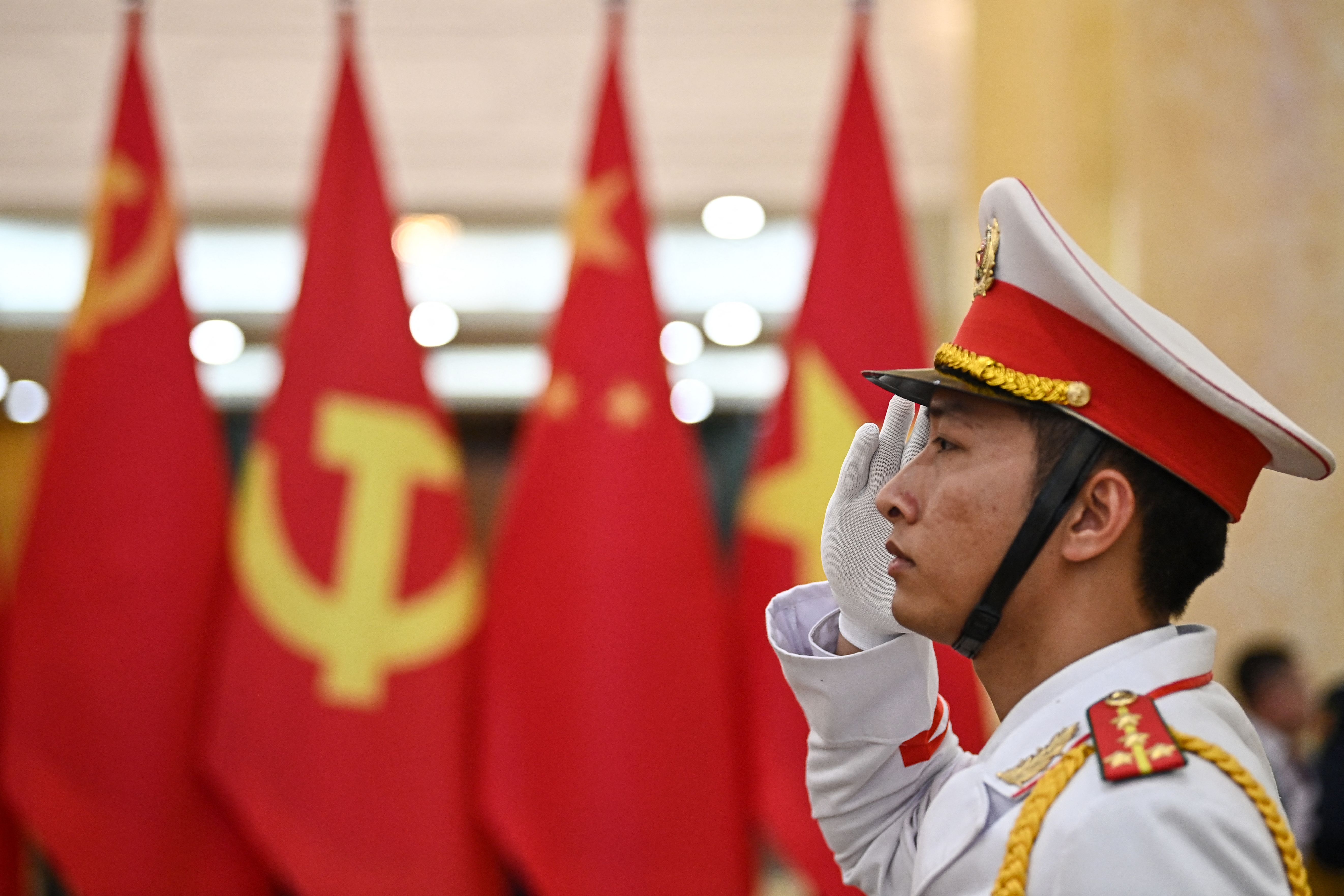
In July 2025, Vietnam and China held their first joint army drill, a modest but symbolic move reflecting Hanoi’s strategic hedging amid U.S.–China rivalry.

Nguyễn Khắc Giang
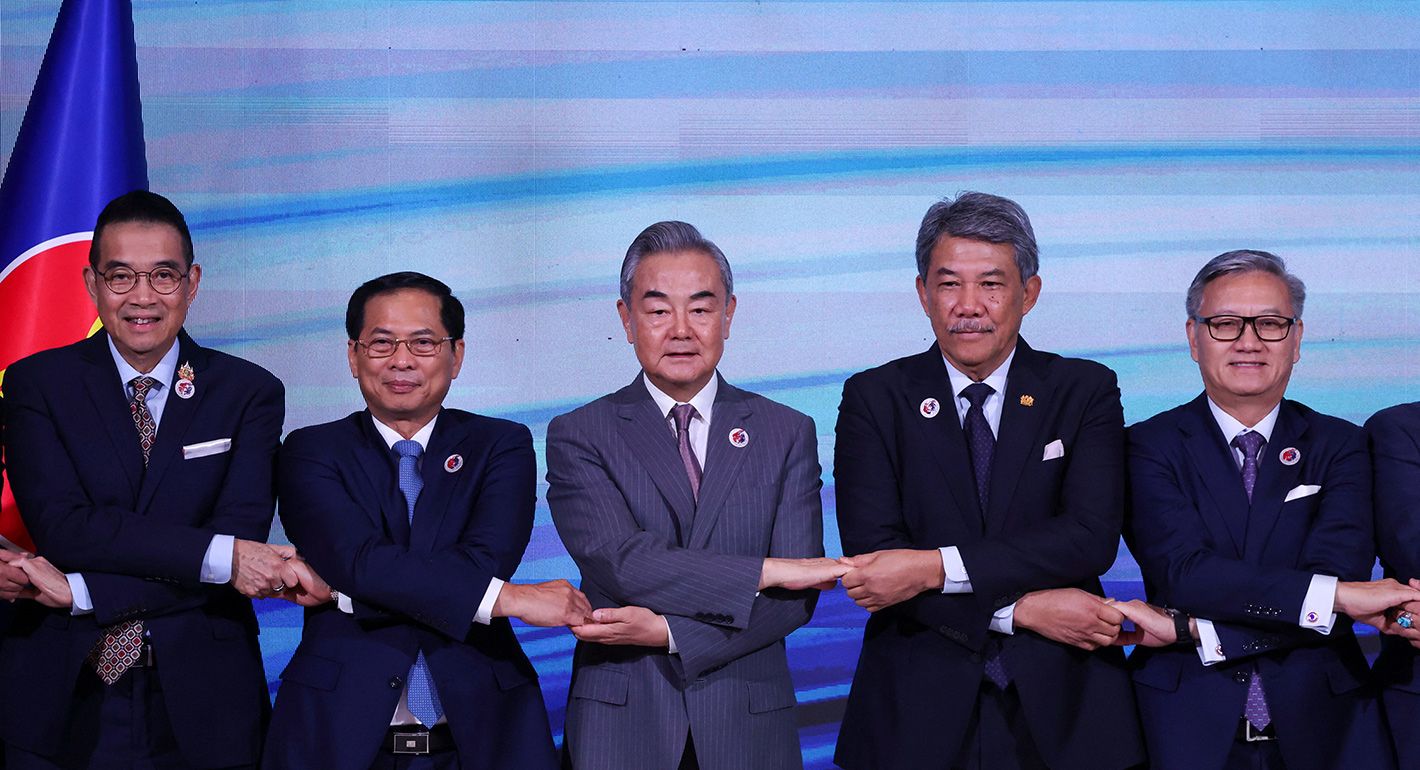
The Thai-Cambodian conflict highlights the limits to China's peacemaker ambition and the significance of this role on Southeast Asia’s balance of power.

Pongphisoot (Paul) Busbarat
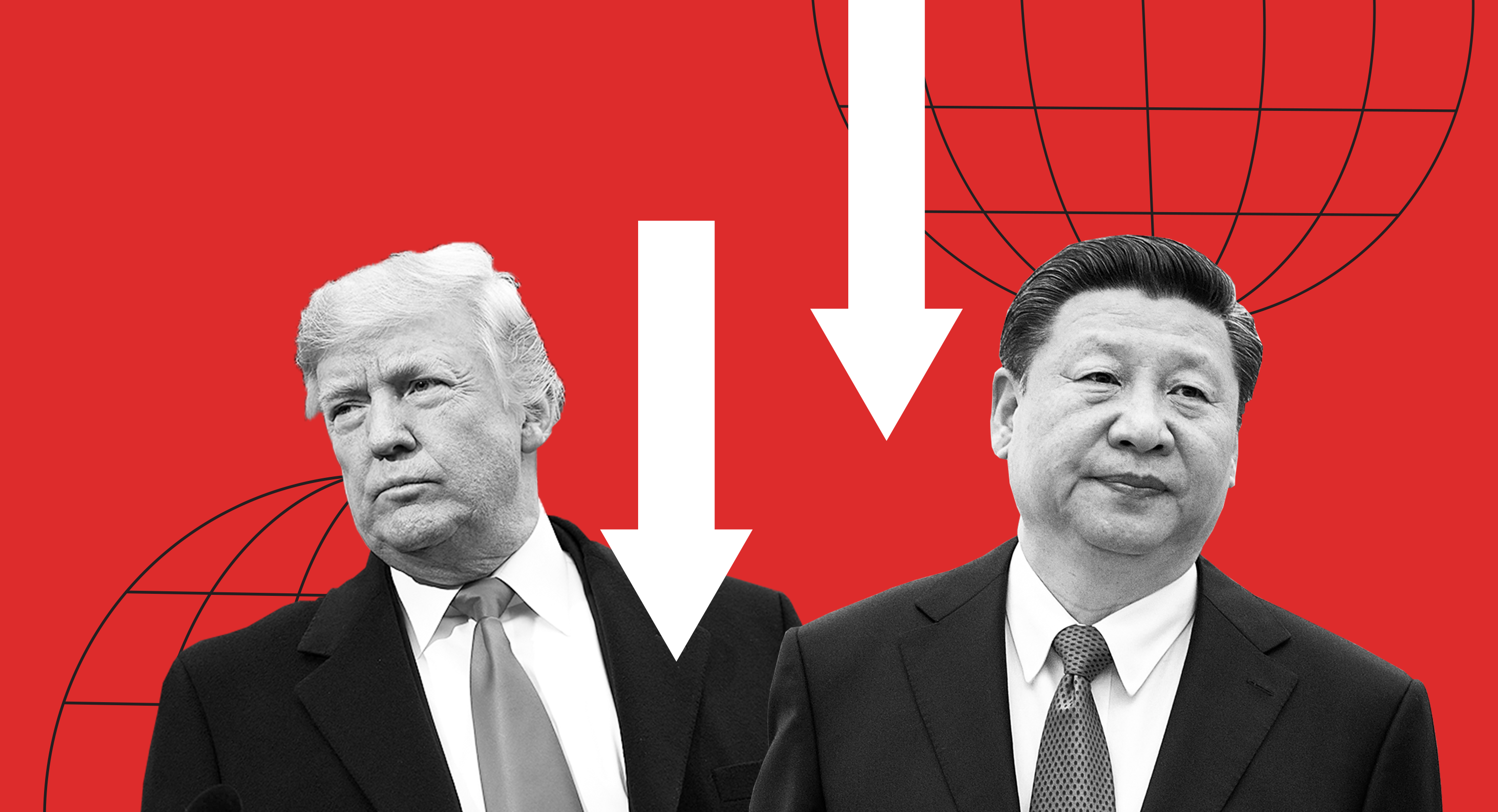
Beijing believes that Washington is overestimating its own leverage and its ability to handle the trade war’s impacts.


Rick Waters, Sheena Chestnut Greitens
Tapping our network of China experts in the region, Carnegie China offers this latest “China Through a Southeast Asian Lens” report to offer preliminary assessments of whether the U.S. effort to reshape the global trading order will lead countries in the region to tilt toward Beijing.



Selina Ho, Khin Khin Kyaw Kyee, Joseph Ching Velasco, …