

Commentary
Peter Kellner
{
  "authors": [
    "Peter Kellner"
  ],
  "type": "legacyinthemedia",
  "centerAffiliationAll": "",
  "centers": [
    "Carnegie Endowment for International Peace",
    "Carnegie Europe"
  ],
  "collections": [
    "Brexit and UK Politics"
  ],
  "englishNewsletterAll": "",
  "nonEnglishNewsletterAll": "",
  "primaryCenter": "Carnegie Europe",
  "programAffiliation": "",
  "programs": [],
  "projects": [],
  "regions": [
    "Europe",
    "Western Europe",
    "United Kingdom"
  ],
  "topics": [
    "EU"
  ]
}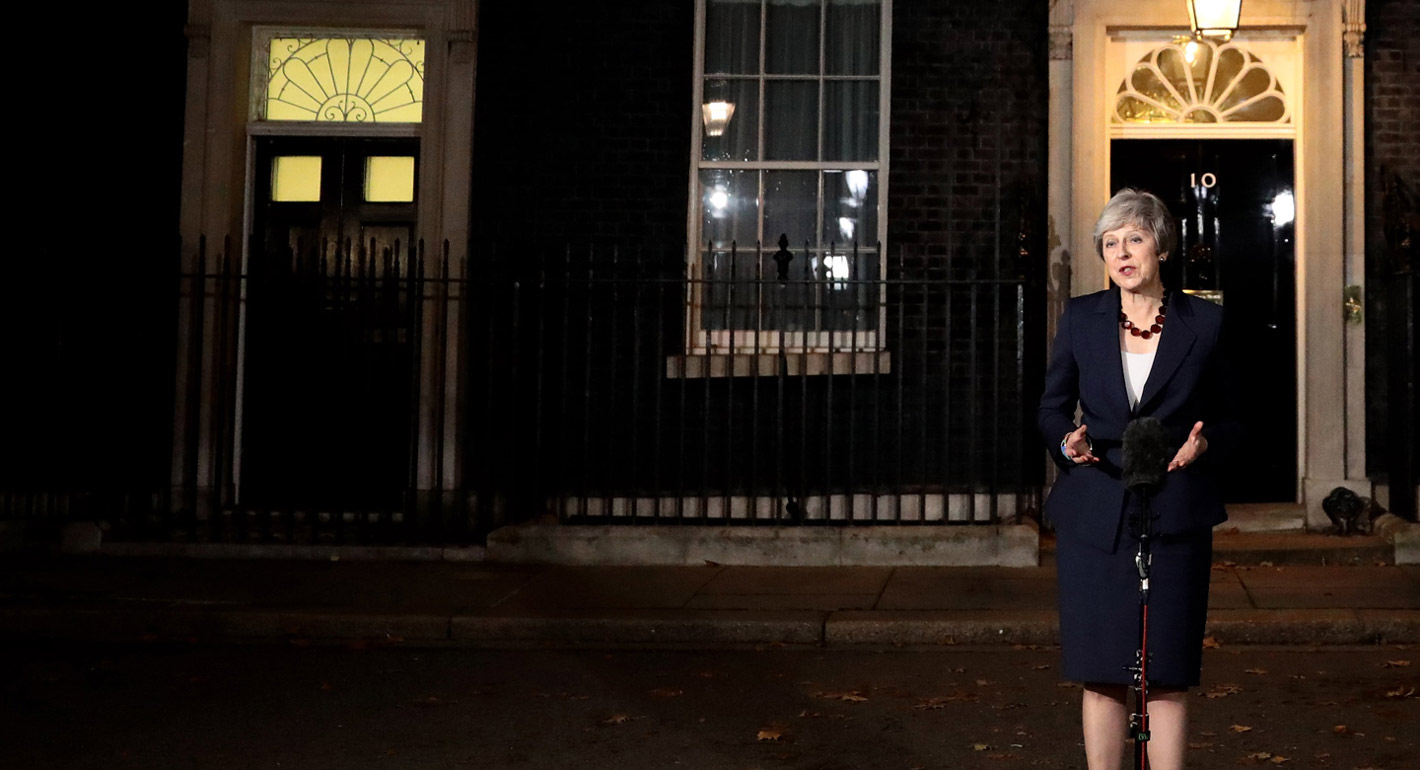
Source: Getty
Whatever fate Brexit meets, Britain’s reputation for competent, pragmatic political stability—built up over centuries—is being trashed. It will take years, perhaps decades, to restore.
Source: Axios
The U.K. government lost two significant votes this week, as Parliament rejected Prime Minister Theresa May’s withdrawal agreement and ruled out a no-deal Brexit. They also rejected some alternative proposals for resolving the crisis.
The big picture: The problem is that members of Parliament fall into four main groups on the Brexit issues, and none commands a majority.
What each group broadly supports:Between the lines: A coalition of groups 3 and 4 could triumph, as a majority of MPs would prefer the kind of customs union or single market–style relationship the U.K. currently enjoys.
What’s happening: Before March 29, May will have one or two more attempts to revive her withdrawal agreement, which has twice been voted down by large majorities. She hopes that the no-deal brigade will crack, convinced that leaving Europe trumps all other causes.
What to watch: It’s still unclear if the EU will grant an extension — and, if it does, for how long and on what terms. And a second referendum would take months to organize, raising questions around whether the U.K. would participate in European Parliamentary elections later this year.
Be smart: Whatever fate Brexit meets, Britain’s reputation for competent, pragmatic political stability — built up over centuries — is being trashed. It will take years, perhaps decades, to restore.
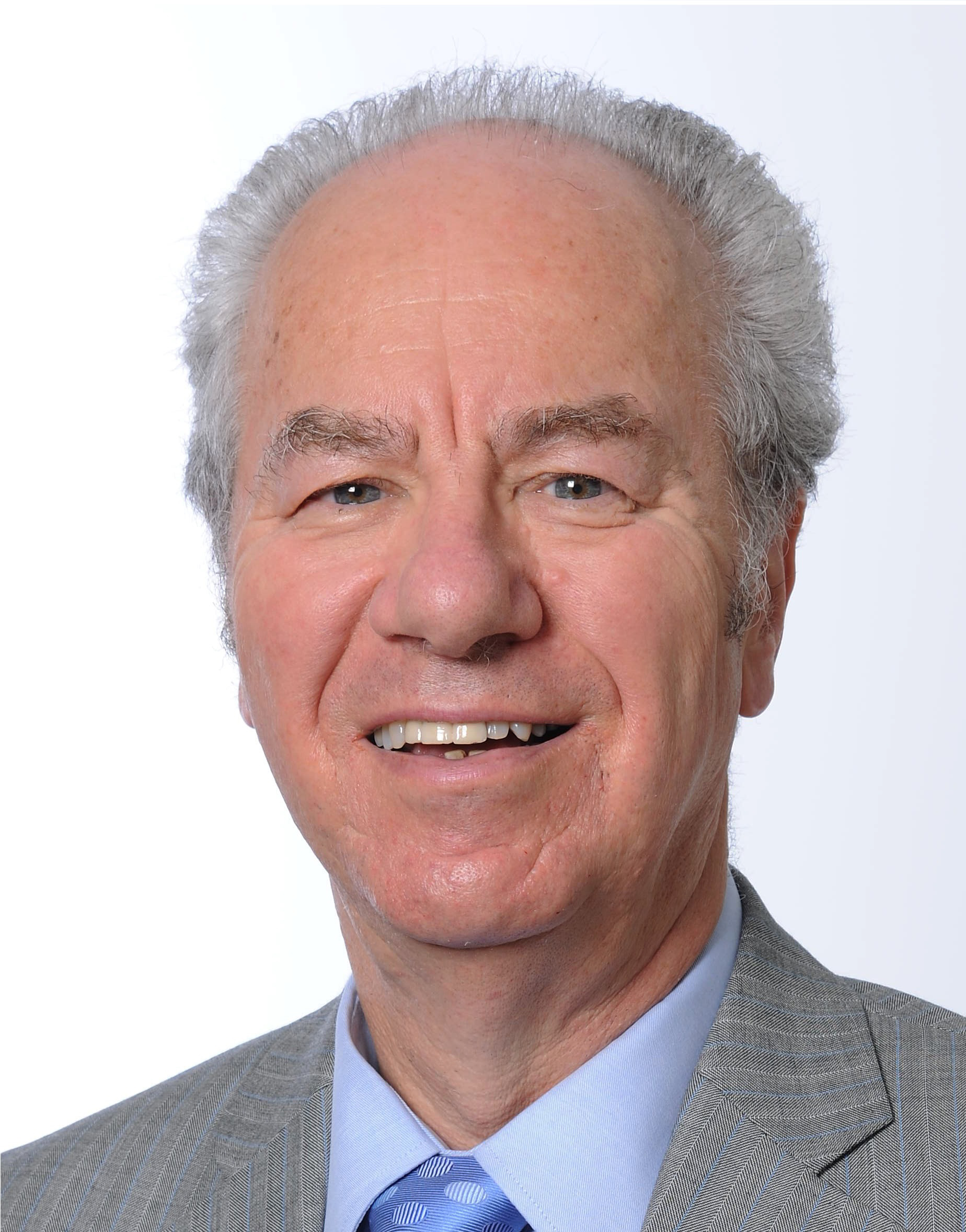
Former Nonresident Scholar, Carnegie Europe
Kellner was a nonresident scholar at Carnegie Europe, where his research focused on Brexit, populism, and electoral democracy.
Recent Work
Peter Kellner
Peter Kellner
Carnegie does not take institutional positions on public policy issues; the views represented herein are those of the author(s) and do not necessarily reflect the views of Carnegie, its staff, or its trustees.
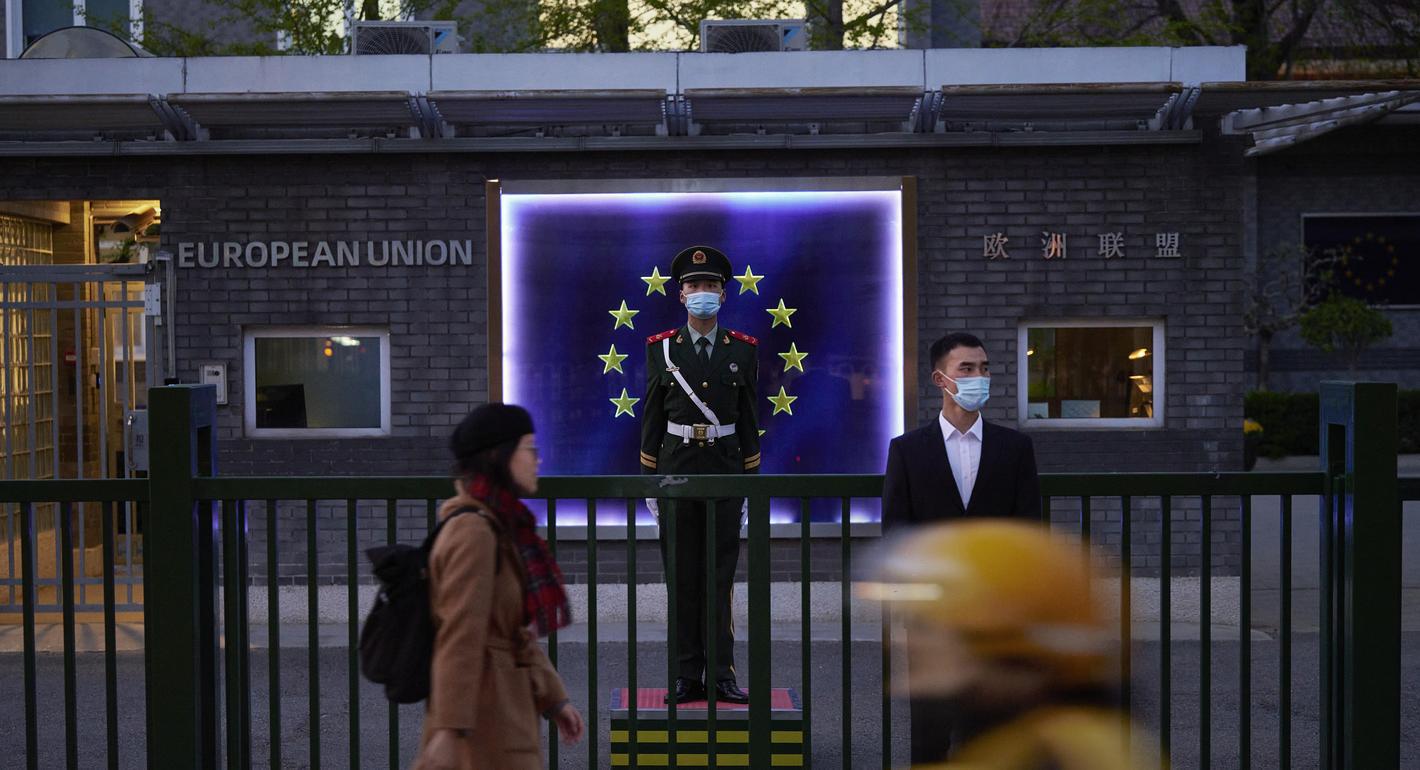
The Russian invasion of Ukraine is a turning point in the EU-China relationship, and evolution of the China-Russia relationship will continue to impact EU-China relations.


Yifan Ding, Alice Ekman
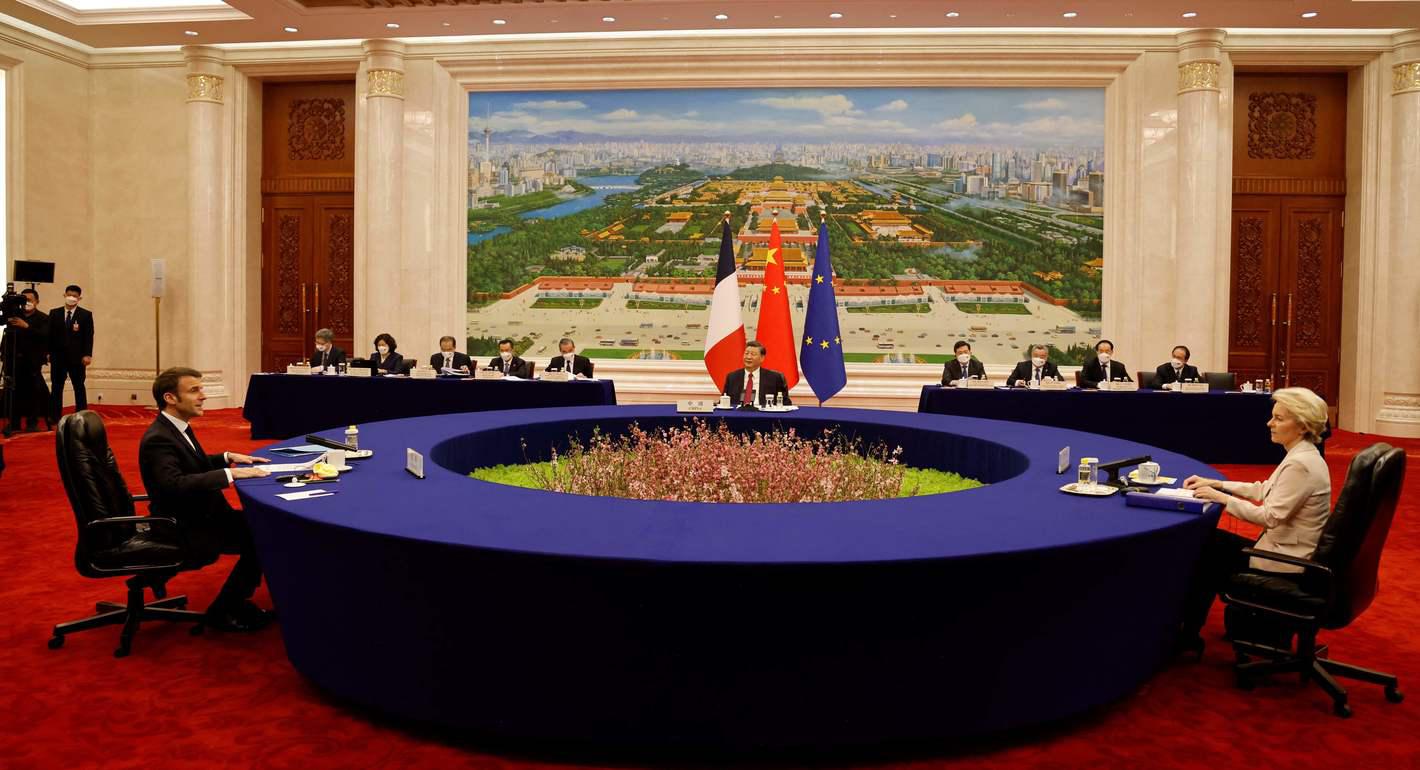
Recent visits by European officials highlight the EU’s lack of internal cohesion.



Paul Haenle, Chan Heng Chee, Liu Yawei, …
“It’s not so clear how we’re going to get out of this.”
Paul Haenle, Philippe Le Corre
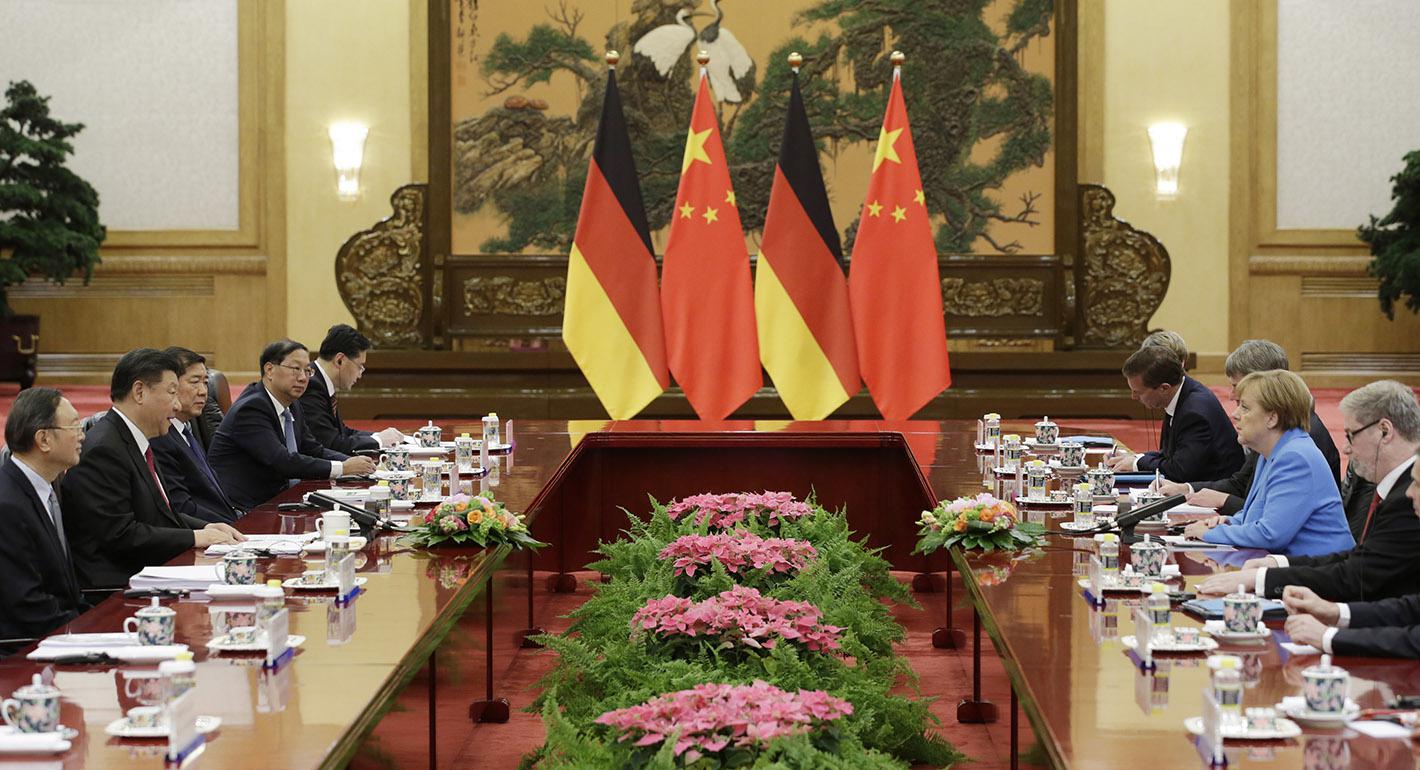
As the United States confronts China more directly, Merkel is exploring deeper cooperation with Xi. Economic upheaval from the coronavirus could reinforce the temptation in Berlin to keep Beijing close.

Noah Barkin
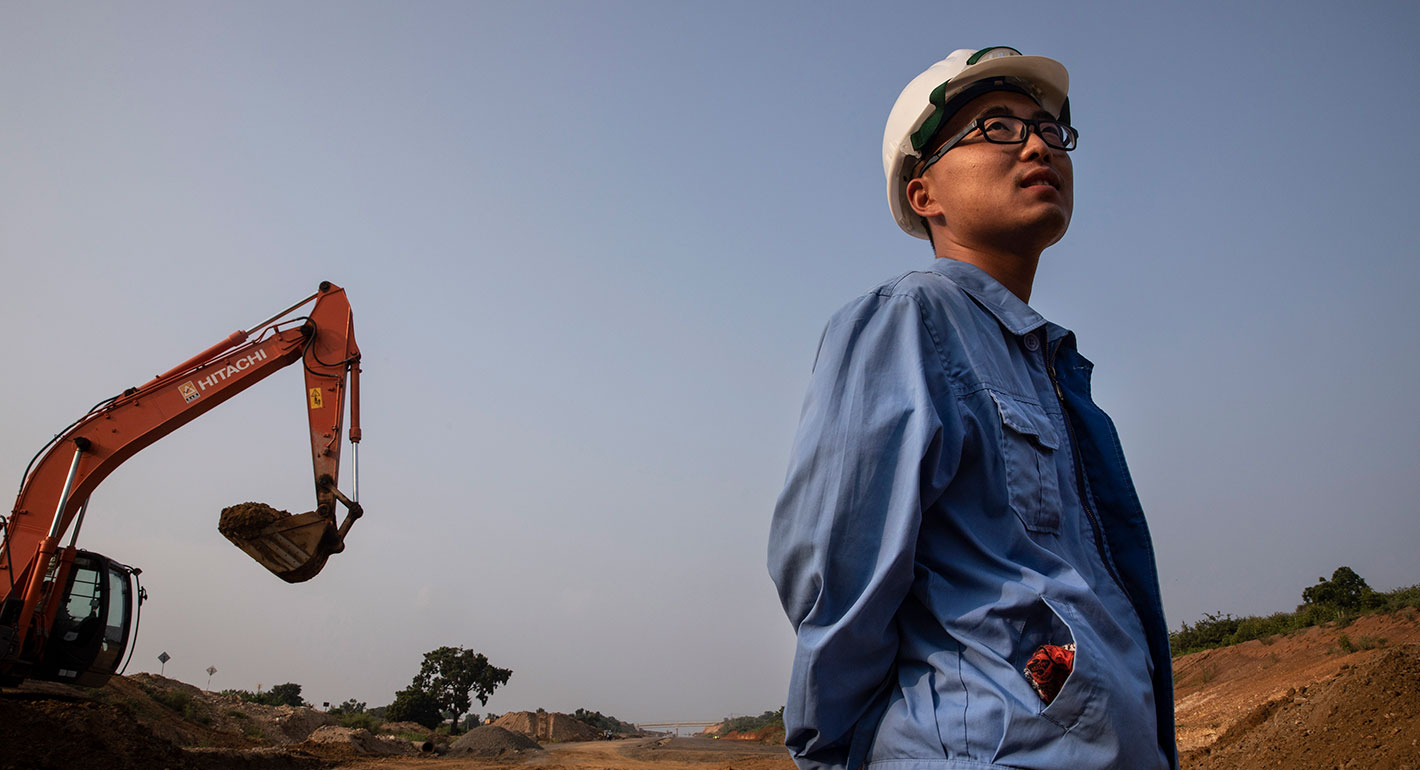
Pitched as a new Silk Road sweeping from Asia to Europe, China’s enormous Belt and Road Initiative is an ambitious, multinational infrastructure project. Experts from four Carnegie global centers explain other countries’ perspectives.

Paul Haenle, Dmitri Trenin, Alexander Gabuev, …