

Other
François Godement, Ashley J. Tellis
{
  "authors": [
    "François Godement"
  ],
  "type": "legacyinthemedia",
  "centerAffiliationAll": "dc",
  "centers": [
    "Carnegie Endowment for International Peace"
  ],
  "collections": [],
  "englishNewsletterAll": "asia",
  "nonEnglishNewsletterAll": "",
  "primaryCenter": "Carnegie Endowment for International Peace",
  "programAffiliation": "AP",
  "programs": [
    "Asia"
  ],
  "projects": [],
  "regions": [
    "East Asia",
    "China",
    "Western Europe"
  ],
  "topics": []
}
Source: Getty
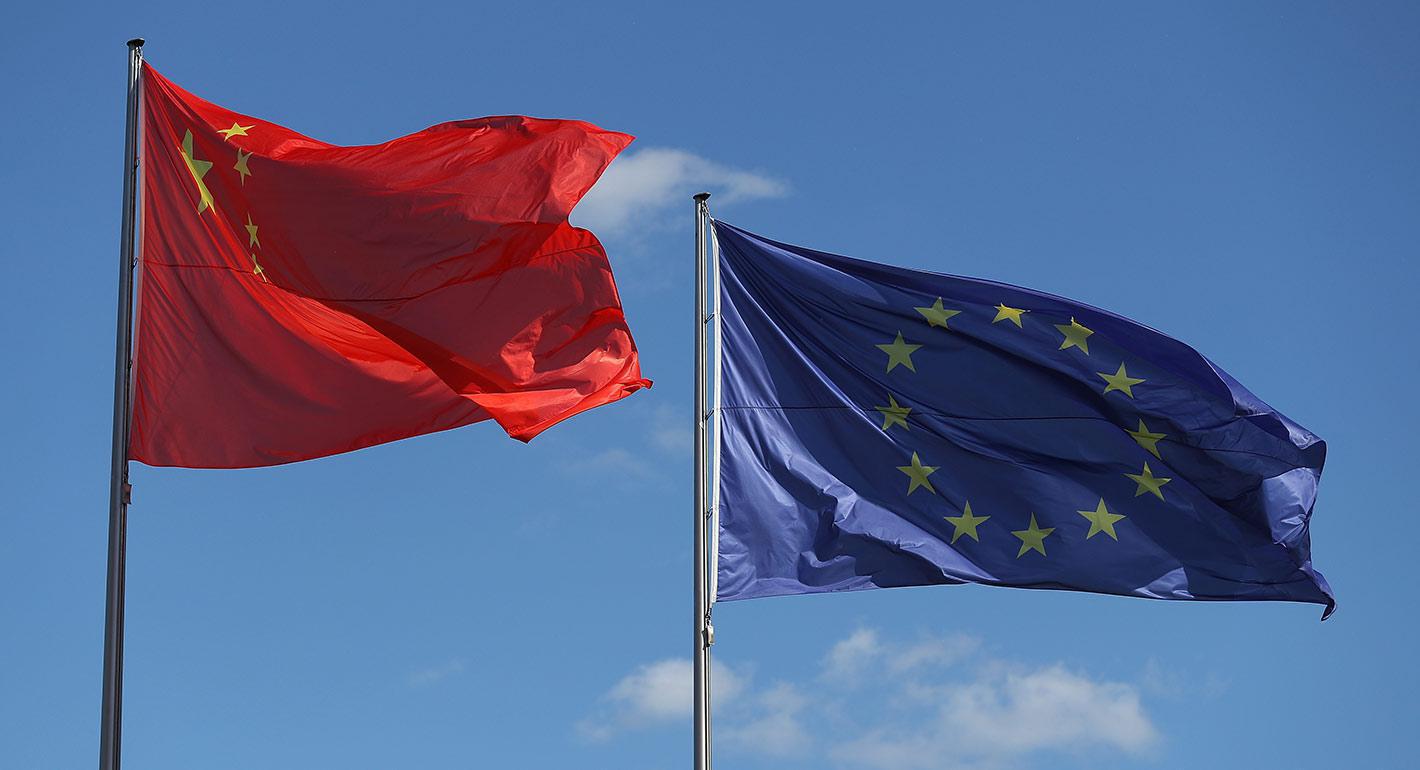
One has to fight the feeling of disappointment at the outcome of the EU-China summit of April 9, 2019.
Source: Institut Montaigne
One has to fight the feeling of disappointment at the outcome of the EU-China summit of April 9. There are genuine advances in the joint statement that was finally agreed in the wee hours. A comprehensive investment agreement by 2020 or earlier; a promised quick wrap-up of the treaty on geographical indications (100 protected origins that would benefit both European and Chinese agriculture); a commitment by China to discuss industrial subsidies in the context of a WTO reform, to improve its offer on a WTO public procurement agreement, and to oppose forced technology transfer. In fact, the statement holds the prospect of results on a host of other, more technical, agreements. It also lists the foreign policy issues on which both parties seem to agree in principle. By inference, and along with six mentions of "international law" and three of "multilateralism", the statement would seem to answer some of the European concerns voiced in the tense weeks after the EU’s March 12 communication branding China as a "systemic rival".
So why is it that we experience a feeling of déjà vu and at least partial let down? First of all, because, in the tradition of China’s public diplomacy, some statements simply do not ring true. "The EU and China reaffirm that all human rights are universal, indivisible, interdependent and interrelated". Beyond the sad howl of laughter that this claim will bring, there is papering over a fundamental divergence: China emphasizes social and economic rights within the context of government action, and certainly not the rights of the individual. In fact, the claim is followed by a telling qualification: cooperation will happen "in particular in UN fora": that is where China has been most successful at engineering coalitions to fight political human rights. This is certainly not enough of a criterium, as the EU has demanded for the first time, to evaluate the "sincerity" of China. To be fair, the EU is also emphasizing lists of detainees.
Another case concerns maritime issues: China, the EU and its member states "respect the maritime order based on international law and uphold freedoms of navigation and overflight enjoyed by all states in accordance with international law". This is in marked retreat to the declaration of G7 foreign affairs ministers adopted only 2 days before the summit with China. On Asia-Europe connectivity (e.g. Silk Road and European funds), cooperation will "comply with established international norms and standards, as well as the law of the countries benefitting from the projects, while taking into account their policies and individual situations". Which will it be ?
This article was originally published by Institut Montaigne.

Former Nonresident Senior Fellow, Asia Program
Godement, an expert on Chinese and East Asian strategic and international affairs, was a nonresident senior fellow in the Asia Program at the Carnegie Endowment for International Peace.
Recent Work
François Godement, Ashley J. Tellis

François Godement, Abigaël Vasselier
Carnegie does not take institutional positions on public policy issues; the views represented herein are those of the author(s) and do not necessarily reflect the views of Carnegie, its staff, or its trustees.

China’s political future will be shaped between now and next October. As the Communist Party enters its intense “campaign season” to prepare for a major political transition in 2027, reading Beijing's actions and responses may become more difficult as domestic politics weigh on its behavior more than usual.

Damien Ma
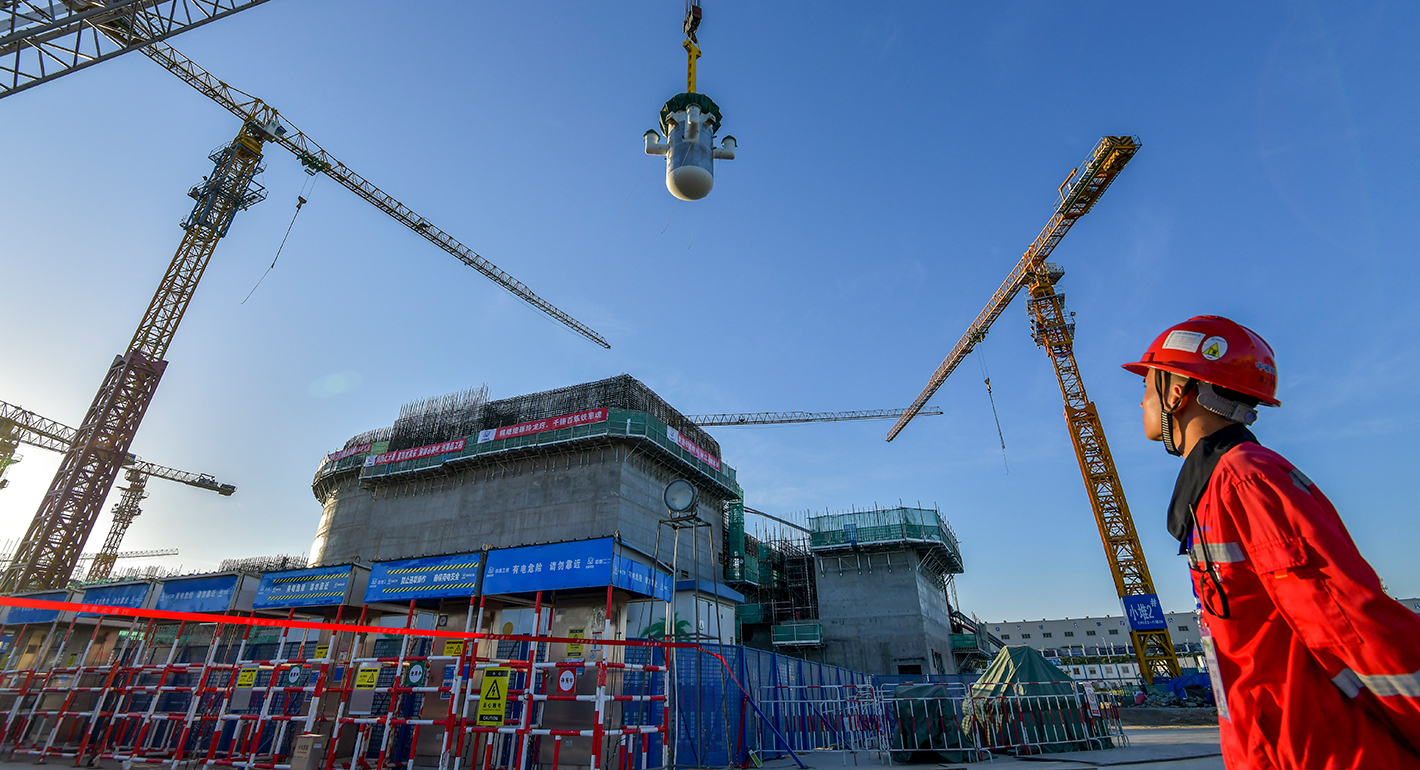
China has showcased its engineering prowess with small modular reactor demonstration projects. But turning these technological achievements into commercial success will be a greater challenge.

Tong Zhao

The Plaza Accord was not an externally imposed punishment of Japan but part of a broader restructuring that Japanese economists and policymakers themselves recognized was necessary. Its effects were undermined, however, when Tokyo responded to the resulting slowdown with policies that exacerbated investment, credit expansion, and the very imbalances the adjustment was intended to resolve.

Michael Pettis
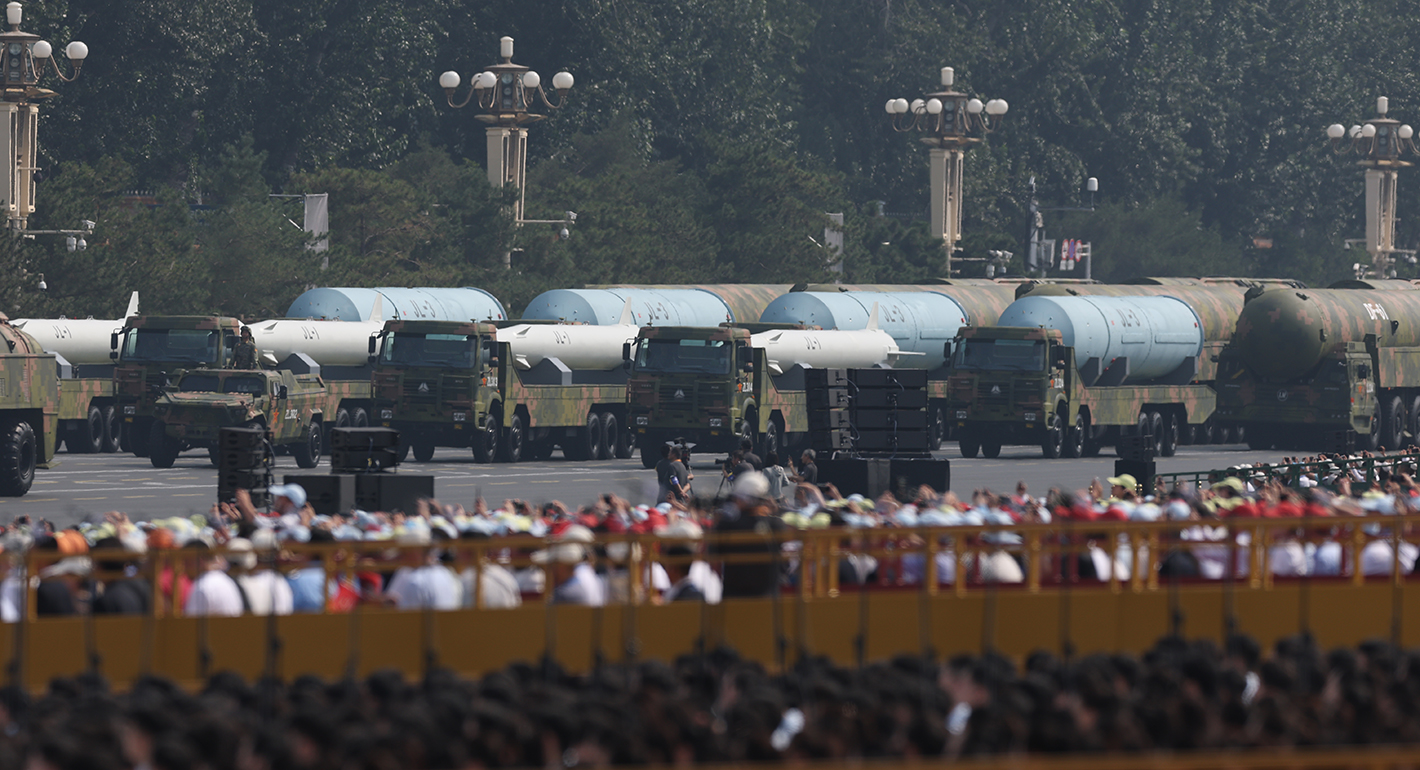
The nuclear relationship between China and the United States is increasingly shaped by widening perception gaps rather than deliberate strategic design.
Tong Zhao
China’s banking crisis in the 2000s was resolved by transferring the costs to households through financial repression—a decision that recapitalized the banks while exacerbating the structural imbalances that continue to shape the Chinese economy today.
Michael Pettis