

Commentary
In the latest Five-Year Plan, the Chinese president cements the shift to an innovation-driven economy over a consumption-driven one.
Damien Ma
{
  "authors": [
    "Anirudh Burman",
    "Bhargavi Zaveri"
  ],
  "type": "legacyinthemedia",
  "centerAffiliationAll": "",
  "centers": [
    "Carnegie Endowment for International Peace",
    "Carnegie India"
  ],
  "collections": [],
  "englishNewsletterAll": "",
  "nonEnglishNewsletterAll": "",
  "primaryCenter": "Carnegie India",
  "programAffiliation": "",
  "programs": [],
  "projects": [
    "Political Economy"
  ],
  "regions": [
    "India"
  ],
  "topics": [
    "Domestic Politics",
    "Economy"
  ]
}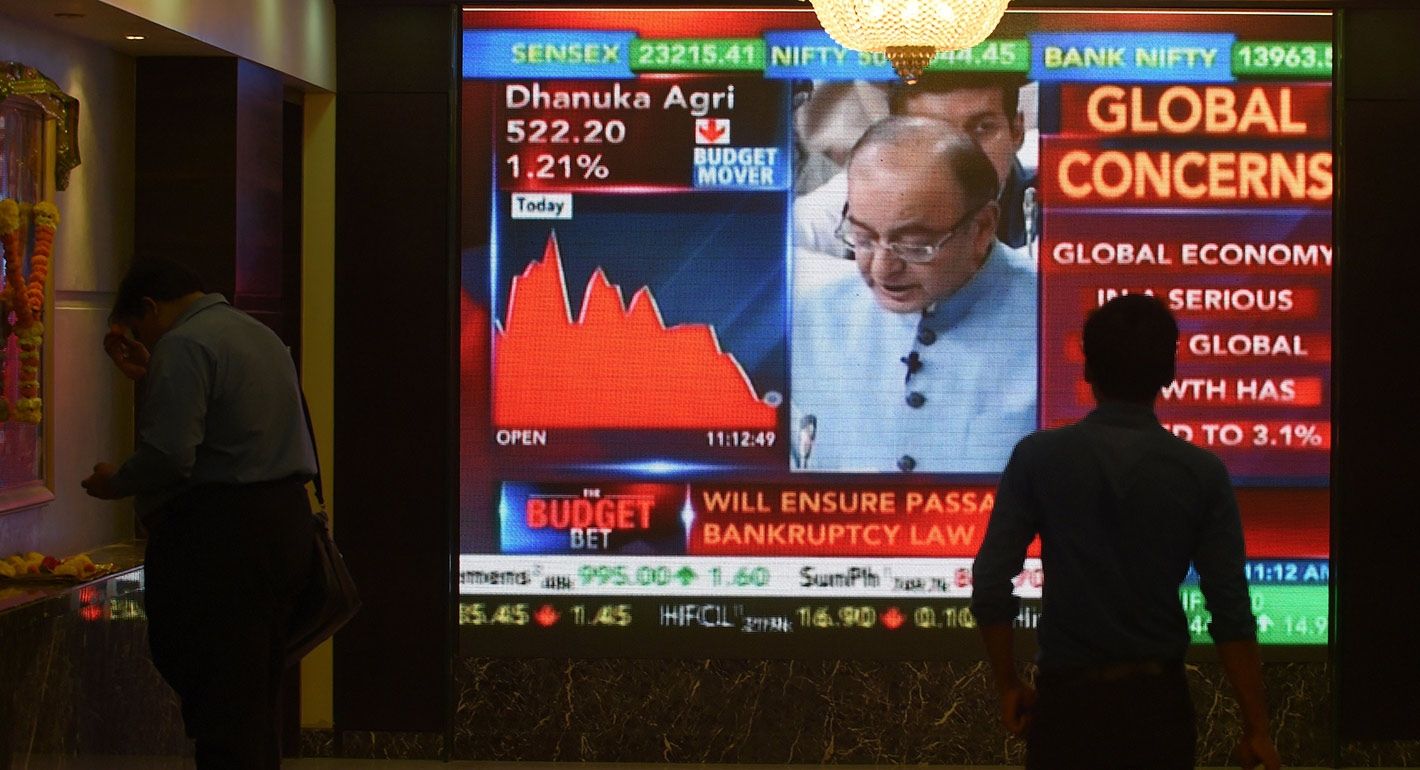
Source: Getty
India’s transition to private markets is predicated on how well it regulates private activities across a range of economic sectors, such as finance, telecom, and infrastructure.
Source: BloombergQuint
India’s transition to private markets is predicated on how well it regulates private activities across a range of economic sectors such as finance, telecom, and infrastructure. Since 1991, the government has signaled its willingness to regulate private markets technocratically and neutrally by creating independent regulators such as the Securities and Exchange Board of India, Telecom Regulatory Authority of India, Insolvency and Bankruptcy Board of India, and others.

Former Associate Research Director and Fellow, Carnegie India
Anirudh Burman was an associate research director and fellow at Carnegie India. He works on key issues relating to public institutions, public administration, the administrative and regulatory state, and state capacity.

Bhargavi Zaveri
Bhargavi Zaveri is part of the Finance Research Group, Mumbai. She works in the areas of financial regulation, land and access to finance and regulatory governance. She has previously held research positions at IGIDR, the National Institute of Public Finance and Policy and the Harvard Law School. She has advised the Ministry of Finance on issues relating to financial regulation. She has published academic work on Indian financial regulation in Indian and international journals. She often writes about land and access to finance in the public media.
Carnegie does not take institutional positions on public policy issues; the views represented herein are those of the author(s) and do not necessarily reflect the views of Carnegie, its staff, or its trustees.

In the latest Five-Year Plan, the Chinese president cements the shift to an innovation-driven economy over a consumption-driven one.

Damien Ma

Rather than climate ambitions, compatibility with investment and exports is why China supports both green and high-emission technologies.

Mathias Larsen
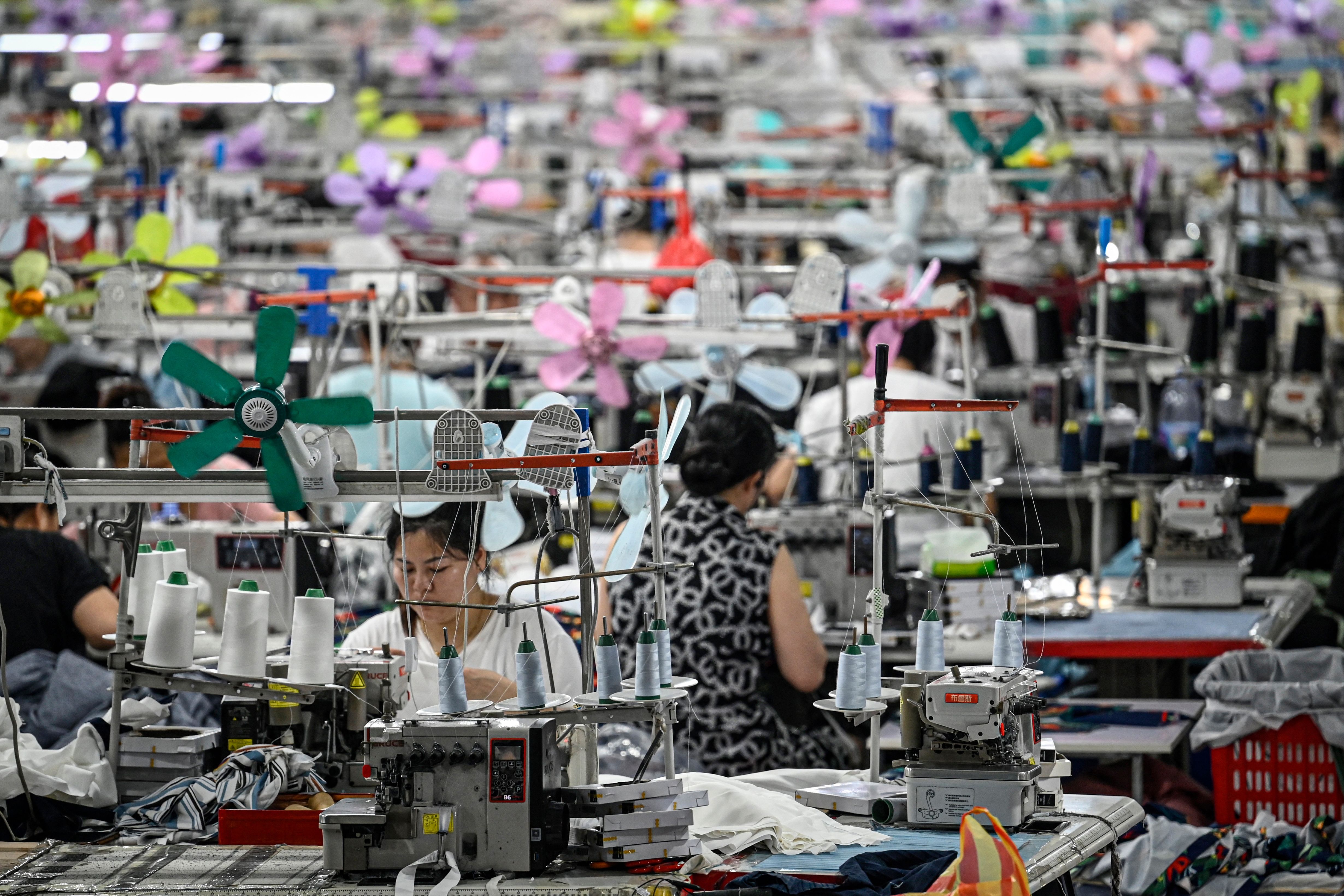
“Involution” is a new word for an old problem, and without a very different set of policies to rein it in, it is a problem that is likely to persist.

Michael Pettis

While China's investment story seems contradictory from the outside, the real answers to Beijing's high-quality growth ambitions are hiding in plain sight across the nation's cities.
Yuhan Zhang
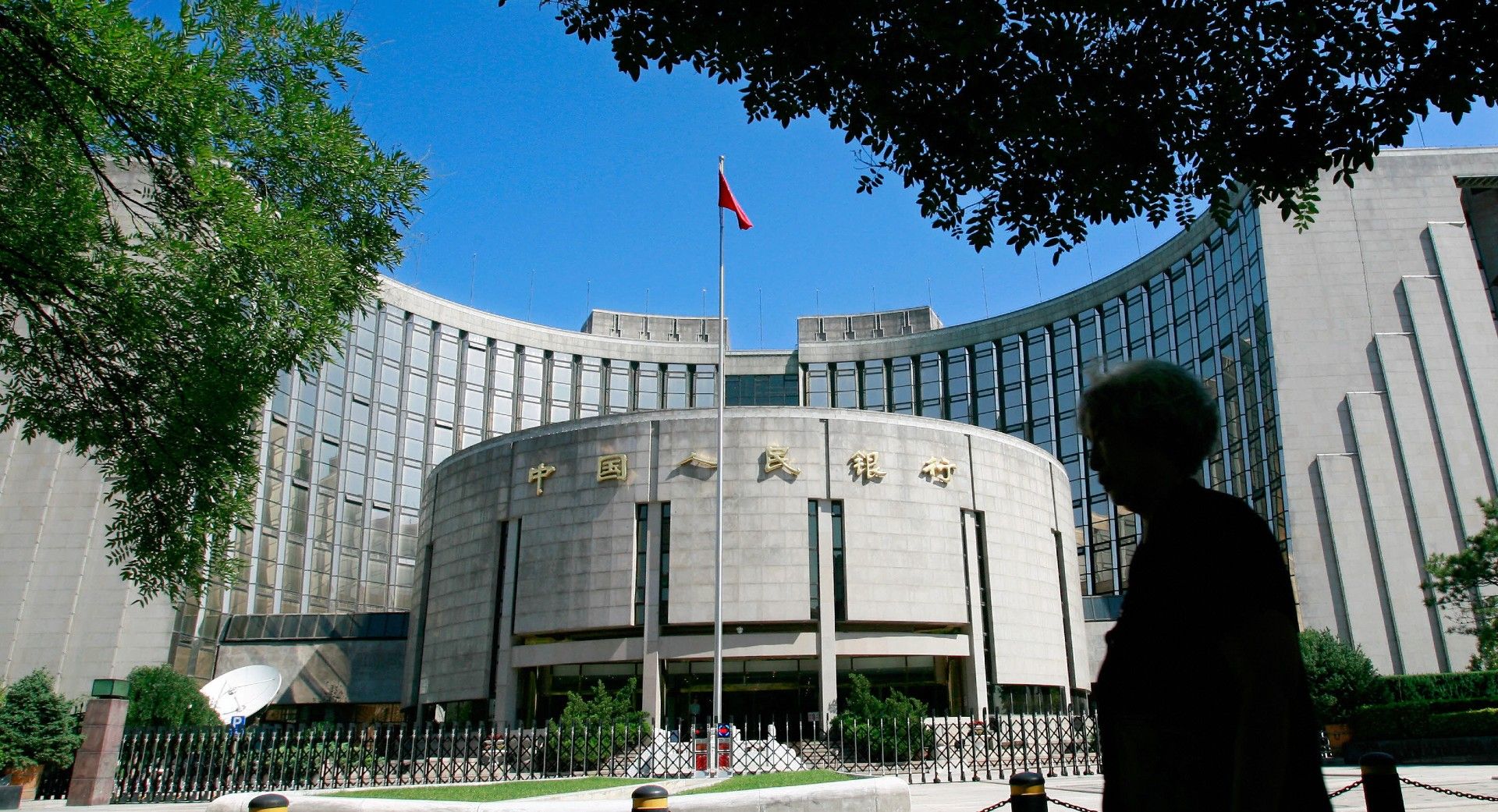
China's stimulus addiction cannot go on forever. Beijing still has policy space to clean up the country's massive debt issue, but time is running short.
Michael Pettis