

Commentary
Andrei Kolesnikov
{
  "authors": [
    "Andrei Kolesnikov"
  ],
  "type": "legacyinthemedia",
  "centerAffiliationAll": "",
  "centers": [
    "Carnegie Endowment for International Peace",
    "Carnegie Russia Eurasia Center"
  ],
  "collections": [
    "Inside Russia"
  ],
  "englishNewsletterAll": "",
  "nonEnglishNewsletterAll": "",
  "primaryCenter": "Carnegie Endowment for International Peace",
  "programAffiliation": "",
  "programs": [],
  "projects": [],
  "regions": [
    "Russia"
  ],
  "topics": [
    "Political Reform"
  ]
}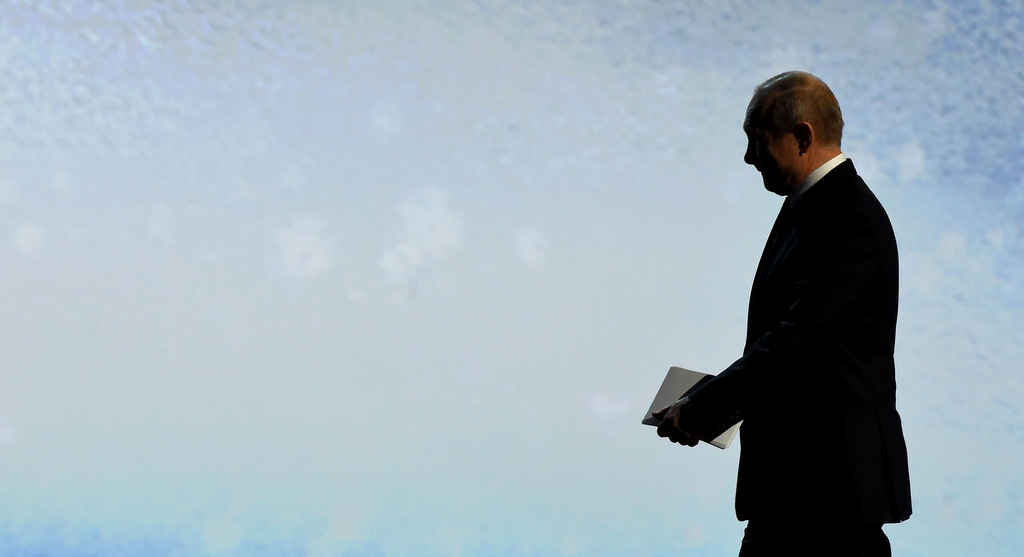
Source: Getty
Russian President Vladimir Putin’s nostalgia for the Soviet Union appears unlimited, and he is now resurrecting perhaps its most notorious feature: the purge. Recalling the Stalin era, the recent arrests and imprisonment of numerous regime figures have fueled a pervasive sense of fear among the country’s elites.
Source: Project Syndicate
High-level political purges are gathering pace in Russia. The latest evidence came in late March, with the arrests of Mikhail Abyzov, a former minister for open government affairs, and – two days later – Viktor Ishayev, a former Far East minister and ex-governor of Russia’s Khabarovsk region. Unsurprisingly, the arrests of such senior figures is having a chilling effect among the country’s elites.
The authorities have now arrested or imprisoned three former federal government ministers and a supporting cast of regional officials – all on corruption or fraud charges. A former economic development minister, Alexei Ulyukayev, is currently serving an eight-year prison sentence. The former head of Russia’s Komi Republic, Vyacheslav Gaizer, is on trial and faces up to 21 years in jail. Alexander Khoroshavin, previously governor of the Sakhalin region, was sentenced to 13 years, while his Kirov region counterpart Nikita Belykh – who led the now-defunct liberal political party SPS – got eight years. And Senator Rauf Arashukov is under investigation for a range of serious crimes.
High-level purges were relatively rare in the Soviet Union following the death of Joseph Stalin in 1953. Until a few years ago, the same had been true of post-Soviet Russia, although several senior statistics officials were imprisoned for corruption in 2004, after a six-year trial. This brought back memories of an earlier era: from 1918 to 1941, there were eight heads of the statistics service, five of whom were shot between 1937 and 1939, under Stalin’s watch.
True, lower-level purges, dismissals, and prosecutions are par for the course in Russia. According to the political analyst Nikolai Petrov, the authorities launch 18-20 criminal investigations per year into governors, deputy governors, and mayors.
But in the post-Soviet era, former prime ministers, deputy premiers, and ministers generally considered themselves more or less safe from this risk. They counted on crony solidarity, and assumed that the system would not discredit itself by allowing the arrests of retired high-ranking officials. Even the opposition politician Boris Nemtsov, who was gunned down in central Moscow in 2015, believed that he was in no danger from the state because he was a former deputy prime minister.
Whether or not the state was involved in ordering Nemtsov’s murder, the recent arrests of Abyzov and Ishayev have shattered these assumptions. They signal that Putin’s purge now extends to former members of the federal government, who have appeared in numerous official photographs alongside Putin, Prime Minister Dmitry Medvedev, and other members of Russia’s ruling class.
At first glance, these latest arrests would seem to discredit the authorities. After all, Russia’s law-enforcement agencies were gathering evidence against Abyzov and Ishayev for years while they continued to serve as ministers. Furthermore, Abyzov’s last position in 2018 was as an adviser to Putin. Are we really to believe that the head of state knew nothing about the business shenanigans (if indeed there were any) of a high-ranking Kremlin official?
Yet public opinion remains indifferent. Most Russians do not see a connection between the prosecution of key figures and the credibility of the authorities. On the contrary, people seem to identify with Putin’s message that the establishment is finally tackling corruption.
But it is the message to Russia’s shaken elites that is more relevant. And that message is straightforward: no one is safe from prosecution, even if – like Abyzov and Ishayev – they have retired from public service and no longer have any influence.
Moreover, selective repression has become harsher. A few years ago, the guilty party would simply be disgraced – as the former head of the Federal Customs Service, Andrei Belyaninov, was when the authorities released a video of their search of his luxury mansion, complete with images of shoeboxes full of dollars. These days, suspects are arrested immediately, especially if Putin is entirely unconcerned about them. This was the case with Ulyukayev and Belykh, who belonged to the group of in-system liberals, and Abyzov, who was considered to be a Medvedev man. And if Abyzov’s arrest keeps Medvedev on edge, all the better.
For Putin, reminding Russia’s elites that no one is untouchable is the best way to keep them on their toes. Any sensible people’s commissar serving under Stalin kept a bundle of essentials packed and ready in case of sudden arrest. Putin’s underlings would be well advised to do the same. Moreover, they should understand that dismissal from their post, far from being the end of an unpleasant episode, may turn out to be just the start of something worse.
The current purges also send a message to Russia’s next generation of officials, namely that inappropriate political behavior or excessive focus on their own business interests will be punished. Purges played nearly the same role under Stalin. Back then, fresh-faced people’s commissars and their deputies knew that they had drawn a winning ticket when their former bosses were arrested (or worse). But the young commissars also understood that in this state-sanctioned lottery, their ticket might just as easily become an arrest warrant.
Similarly, Putin prefers to have new technocrats in ministerial and gubernatorial positions. They are loyal officials aged between 40 and 50, preferably unconnected to any local elites, driven to meet their targets, and with no ambition to tackle political issues.
These newcomers are already scared by the continuing purges, and will not undertake anything without the leadership’s approval. That will put any genuine modernization in Russia on hold – just as Putin intends.
Former Senior Fellow, Carnegie Russia Eurasia Center
Kolesnikov was a senior fellow at the Carnegie Russia Eurasia Center.
Recent Work
Andrei Kolesnikov
Andrei Kolesnikov
Carnegie does not take institutional positions on public policy issues; the views represented herein are those of the author(s) and do not necessarily reflect the views of Carnegie, its staff, or its trustees.
Beijing is trying to navigate the overall situation regarding Ukraine, especially the substance of interactions between Washington and Moscow.
Ellen Nakashima, Zhao Long, Pavlo Klimkin, …
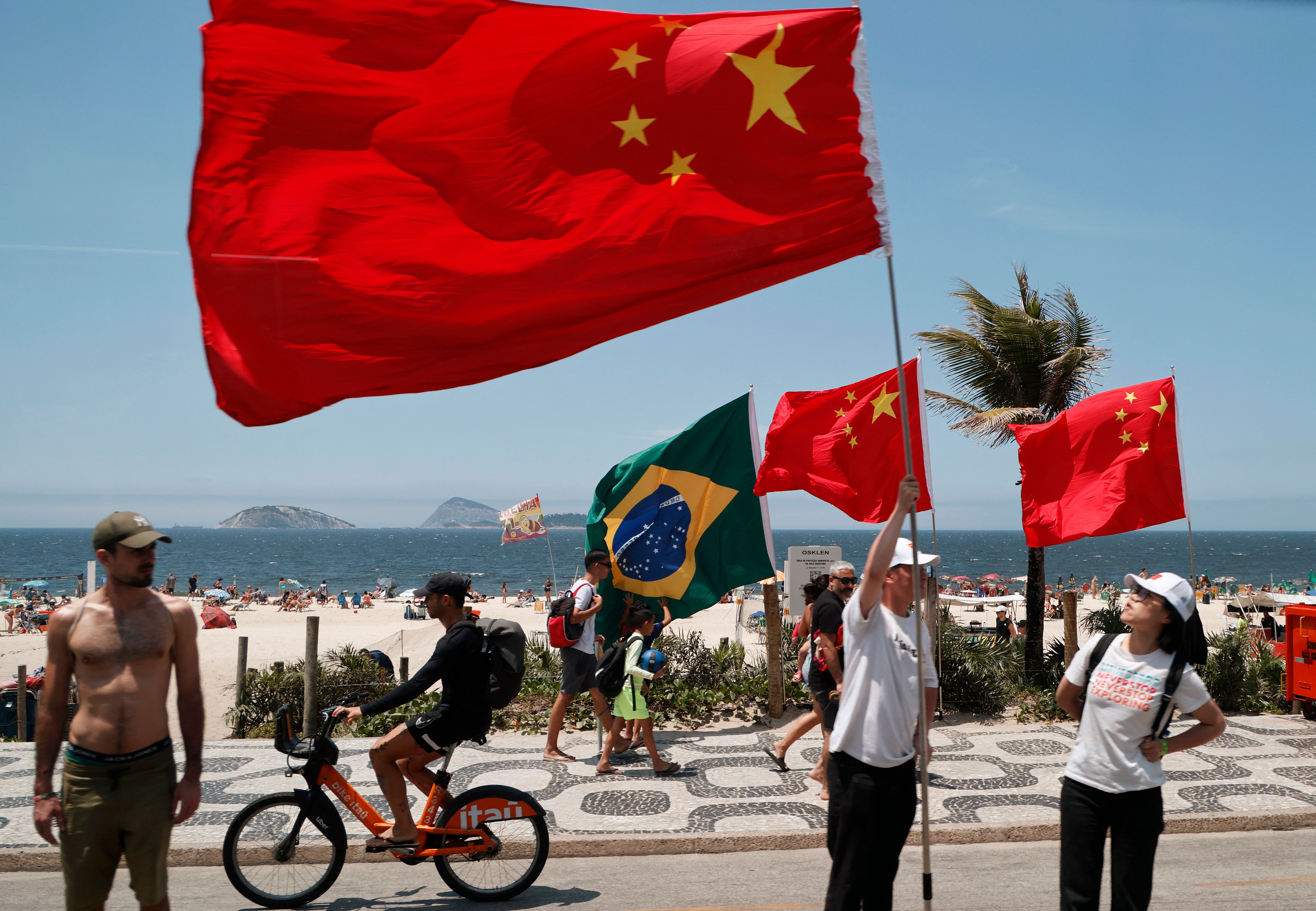
While China will remain a significant political and economic force in the Global South, its ambition to leverage the Global South as a counterbalance to the United States and the Global North is far from assured.

Xue Gong
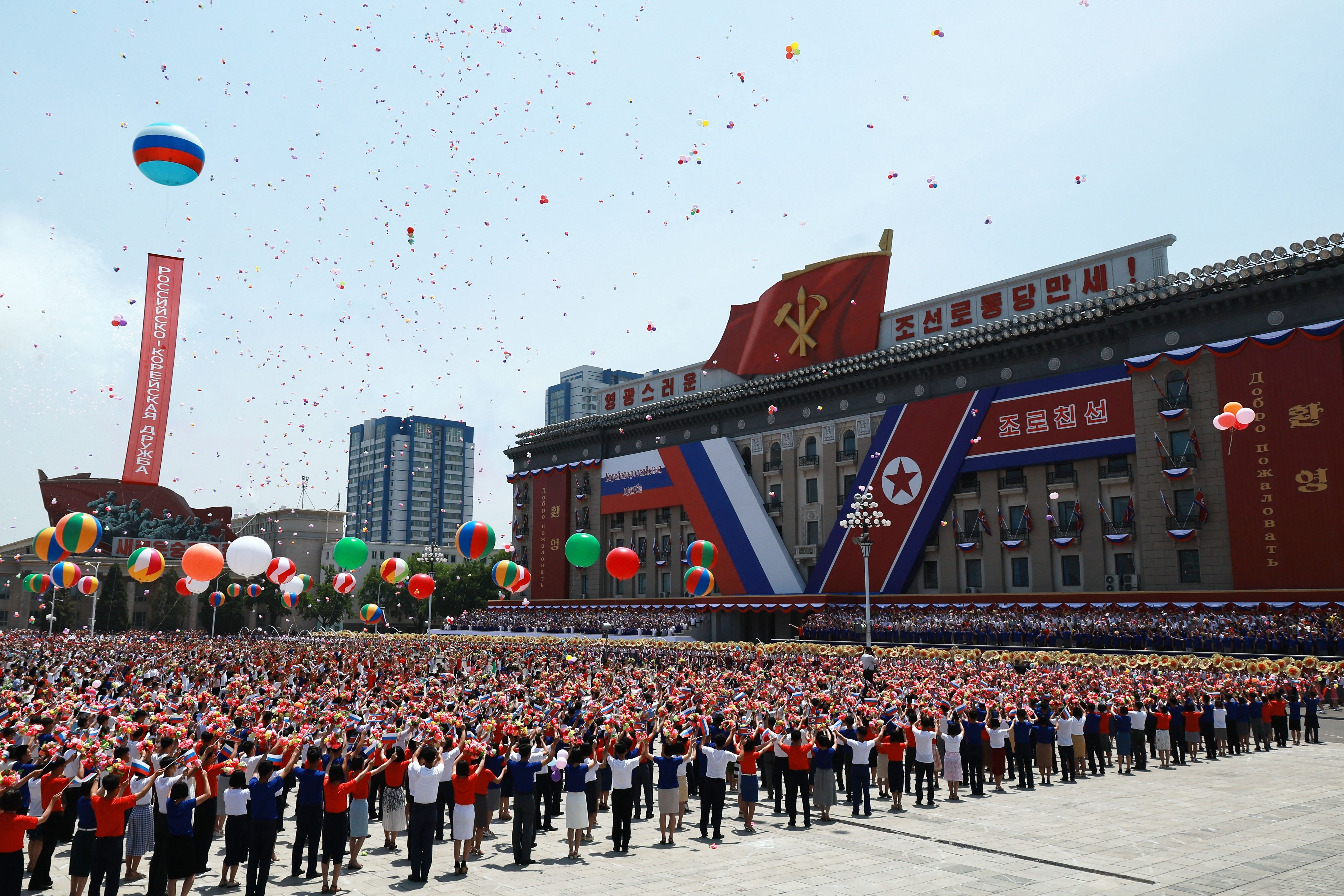
Faced with an increase in strategic maneuvering by Moscow and Pyongyang, Beijing will not sit idly by and allow Putin and Kim to shape the security environment on its behalf.

Tong Zhao
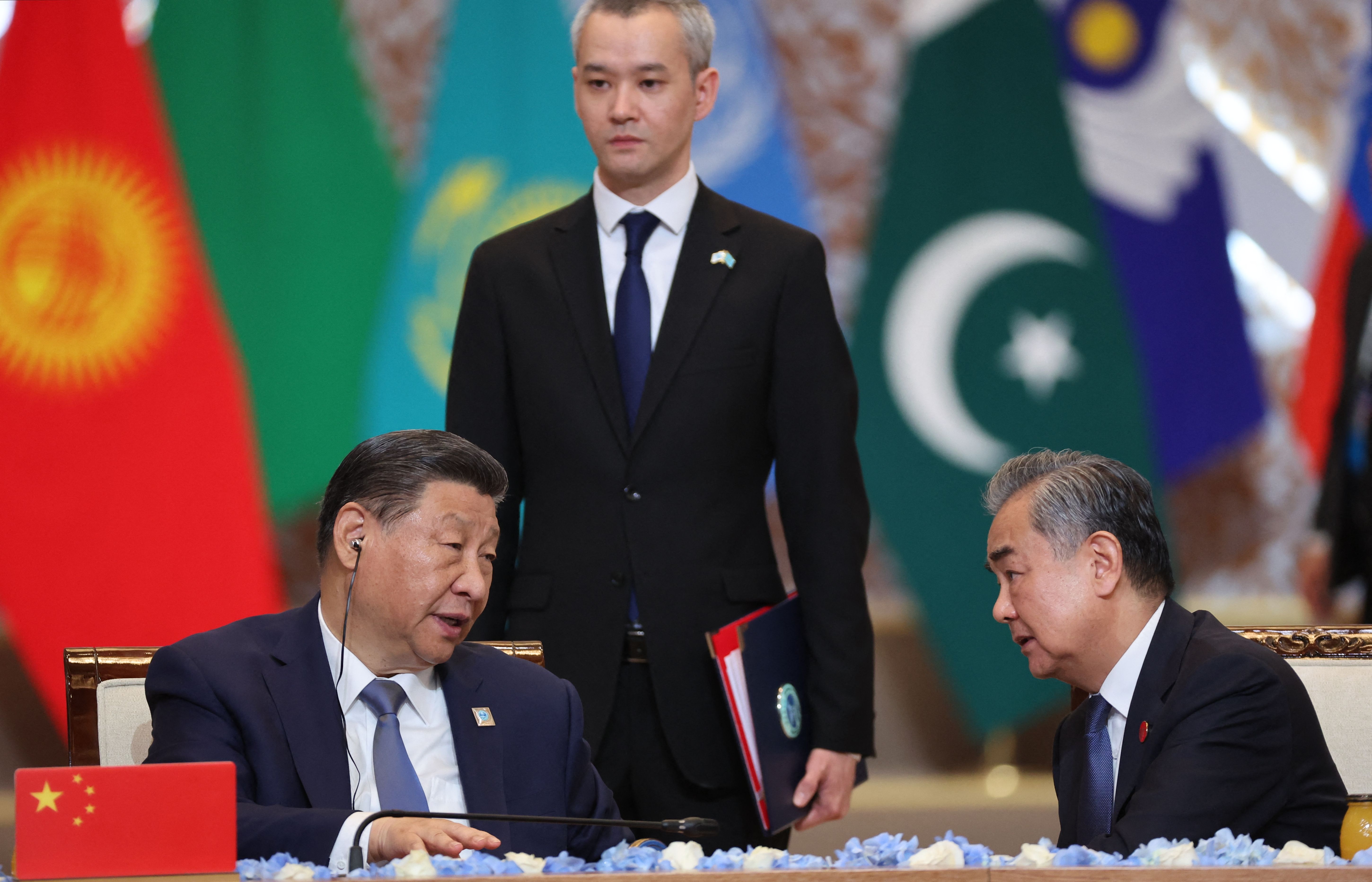
China’s growing attention to Central Asia is perceived as a harbinger of tectonic shifts in regional geopolitics.

Temur Umarov
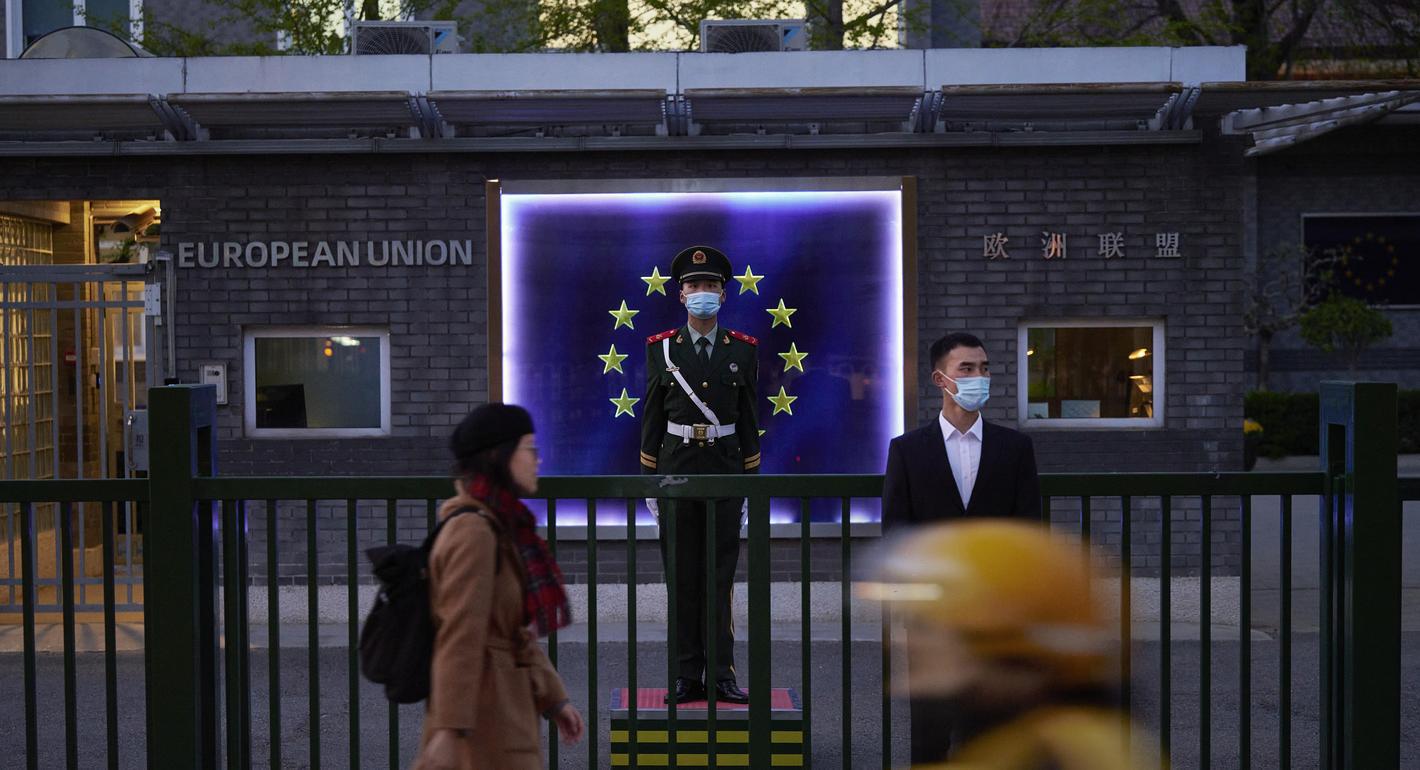
The Russian invasion of Ukraine is a turning point in the EU-China relationship, and evolution of the China-Russia relationship will continue to impact EU-China relations.
Yifan Ding, Alice Ekman