

Paper
Sarah Yerkes, Natalie Triche, Amr Hamzawy
{
  "authors": [
    "Sarah Yerkes"
  ],
  "type": "commentary",
  "centerAffiliationAll": "dc",
  "centers": [
    "Carnegie Endowment for International Peace",
    "Malcolm H. Kerr Carnegie Middle East Center"
  ],
  "collections": [],
  "englishNewsletterAll": "menaTransitions",
  "nonEnglishNewsletterAll": "",
  "primaryCenter": "Carnegie Endowment for International Peace",
  "programAffiliation": "MEP",
  "programs": [
    "Middle East"
  ],
  "projects": [
    "Tunisia Monitor"
  ],
  "regions": [
    "North Africa",
    "Tunisia",
    "Maghreb"
  ],
  "topics": [
    "Political Reform"
  ]
}
Source: Getty
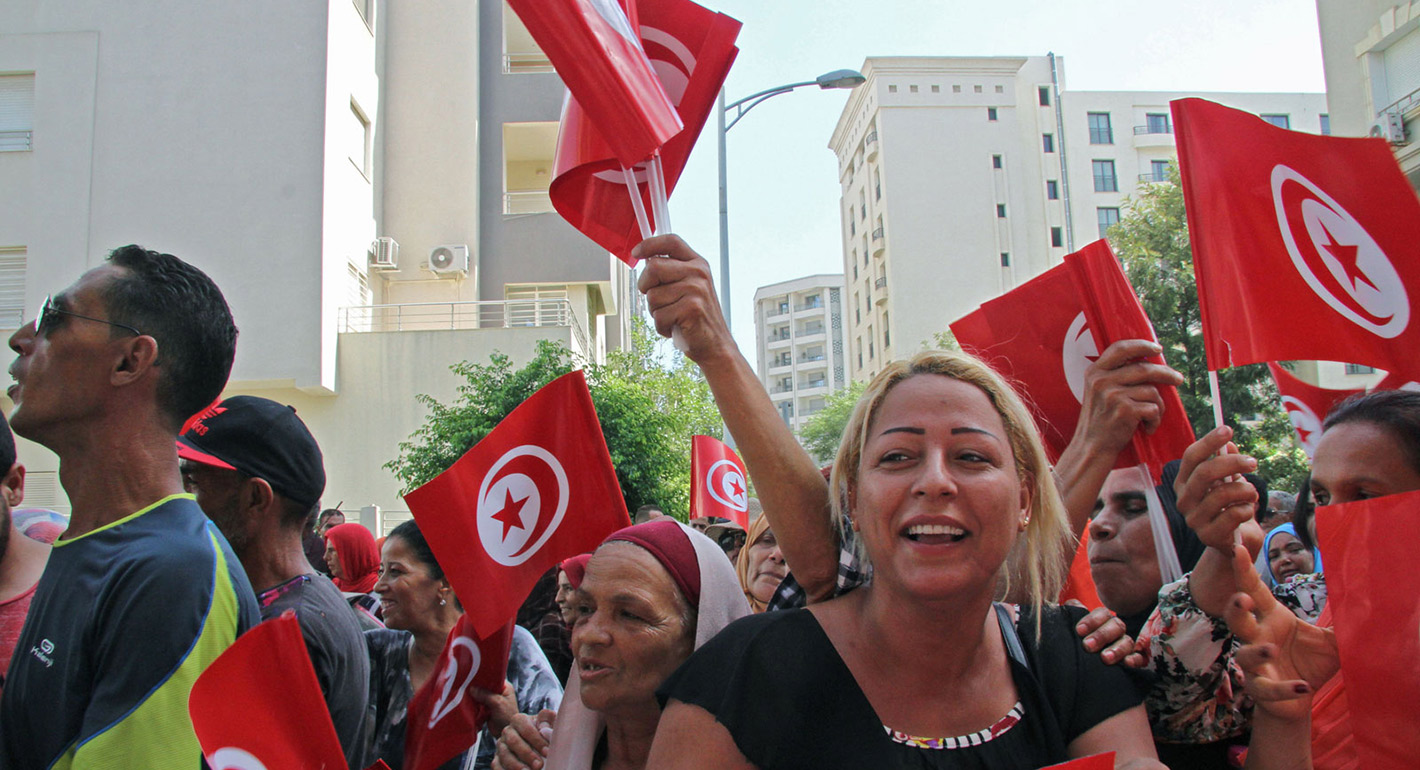
Tunisia’s first democratically elected president died on July 25. His death has squeezed even tighter what was already a narrow window for the election campaign, with far-reaching consequences.
When Beji Caid Essebsi died, the Tunisian president had almost reached the end of his term. The next presidential elections were scheduled for November 17. His death has forced the country to hold the elections earlier, because the interim president can only legally hold that office for a maximum of ninety days—until October 23.

To meet this new deadline, the electoral body, in consultation with Interim President Mohamed Ennaceur, chose to move the presidential elections up by two months, to September 15. That decision has serious political and logistical implications.
Before Essebsi’s death, the presidential elections were supposed to take place six weeks after separate legislative (or parliamentary) elections.
Because many parties putting forward a presidential candidate would also compete for parliamentary seats, having the presidential elections first was intentional. The Tunisian political landscape is crowded with more than 220 parties, and parties only need to win 3 percent of the vote to enter parliament.
This means that no clear winner will emerge from the legislative elections—even the most popular parties such as Ennahda, Heart of Tunisia, or Tahya Tounes are likely to secure no more than 25 to 30 percent of the vote.
But with presidential elections coming first, the winner’s party might receive a big boost—and the losers will face an uphill battle to regain momentum in the short window before the legislative elections.
By holding the presidential contest before the legislative elections, many parties will enter the legislative race right after their presidential candidate has just suffered a loss.
Conversely, independent lists, which make up nearly half of those running for parliament, will enter the legislative elections with a clean slate.
Tunisia’s electoral body, the Independent High Authority for Elections (ISIE), now must pull off an election two months earlier than planned.
The ISIE has faced logistical challenges in the past, and had to delay municipal elections four separate times over two and a half years. Moving the elections up by two months puts tremendous pressure on the ISIE to prepare the voting materials and polling stations, as well as on international and domestic observers.
Shortly before Essebsi’s death, the Tunisian parliament passed a law changing the criteria for presidential candidates. This would have effectively prohibited some of the top candidates from running, including frontrunner Nabil Karoui, a media magnate.
But the president never signed the law, so it did not take effect. Many in the political sphere would still like to stop Karoui and other political outsiders from running. But with only five weeks between when presidential candidates declare and the new date of the election, there is very little time for a robust legal process to vet candidates.
Tunisia is already suffering from massive public mistrust of the political system, and party politics in particular.
Voter turnout has dramatically declined in each of the three post-revolution elections.
By changing the order of elections and cutting the presidential campaign period in half, there is little time to educate voters on the differences between candidates, and why it is so important to take part in the country’s second-ever democratic presidential elections.

Acting Co-Director and Senior Fellow, Middle East Program
Sarah Yerkes is acting co-director and a senior fellow in the Middle East Program at the Carnegie Endowment for International Peace. Her research focuses on democracy and governance, U.S. foreign policy towards the Middle East and North Africa, and political and economic reform in Tunisia.
Recent Work

Sarah Yerkes, Natalie Triche, Amr Hamzawy
Carnegie does not take institutional positions on public policy issues; the views represented herein are those of the author(s) and do not necessarily reflect the views of Carnegie, its staff, or its trustees.

China’s political future will be shaped between now and next October. As the Communist Party enters its intense “campaign season” to prepare for a major political transition in 2027, reading Beijing's actions and responses may become more difficult as domestic politics weigh on its behavior more than usual.

Damien Ma
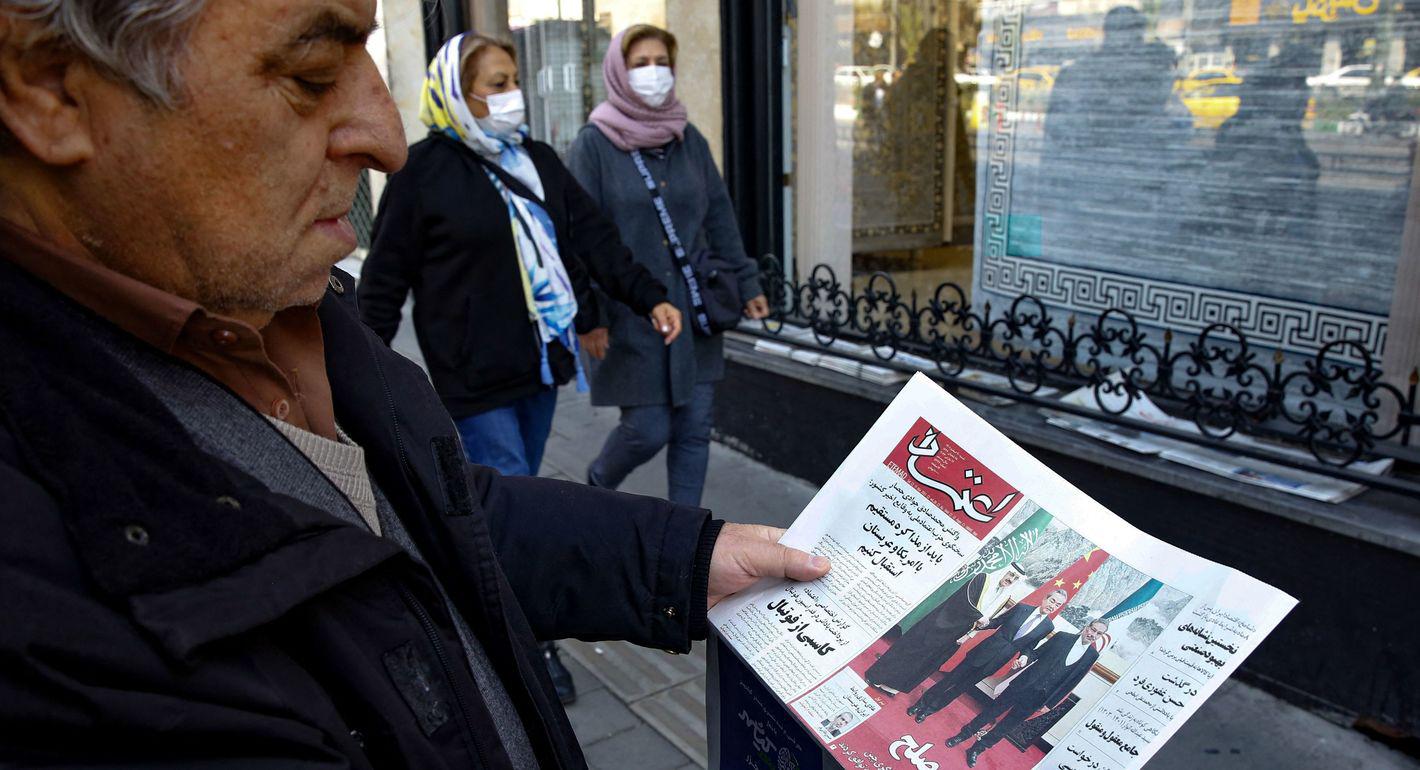
Transactional relationships are stable but can be shallow.


Paul Haenle, Maha Yahya, Benjamin Ho, …
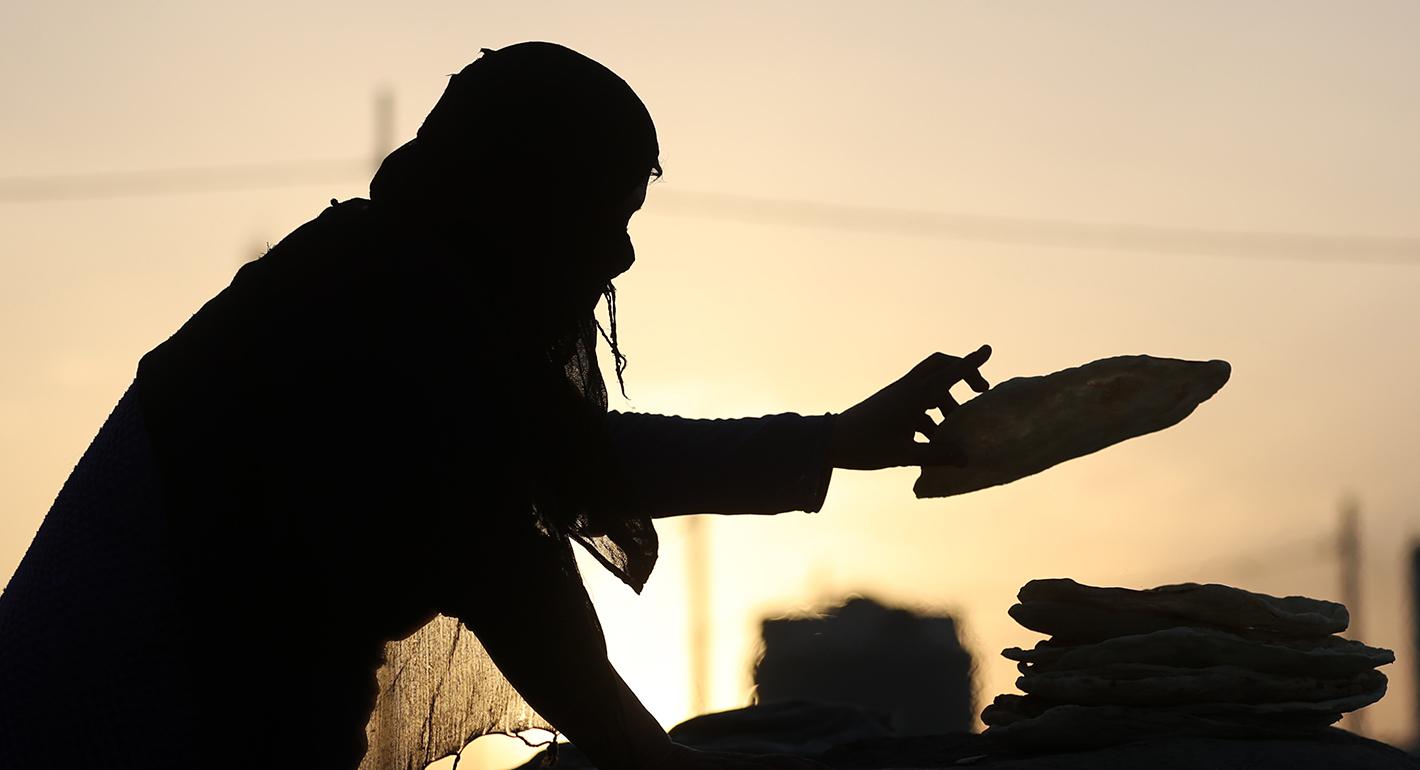
It’s about managing oil prices, bread prices, and strategic partnerships.


Amr Hamzawy, Karim Sadjadpour, Aaron David Miller, …
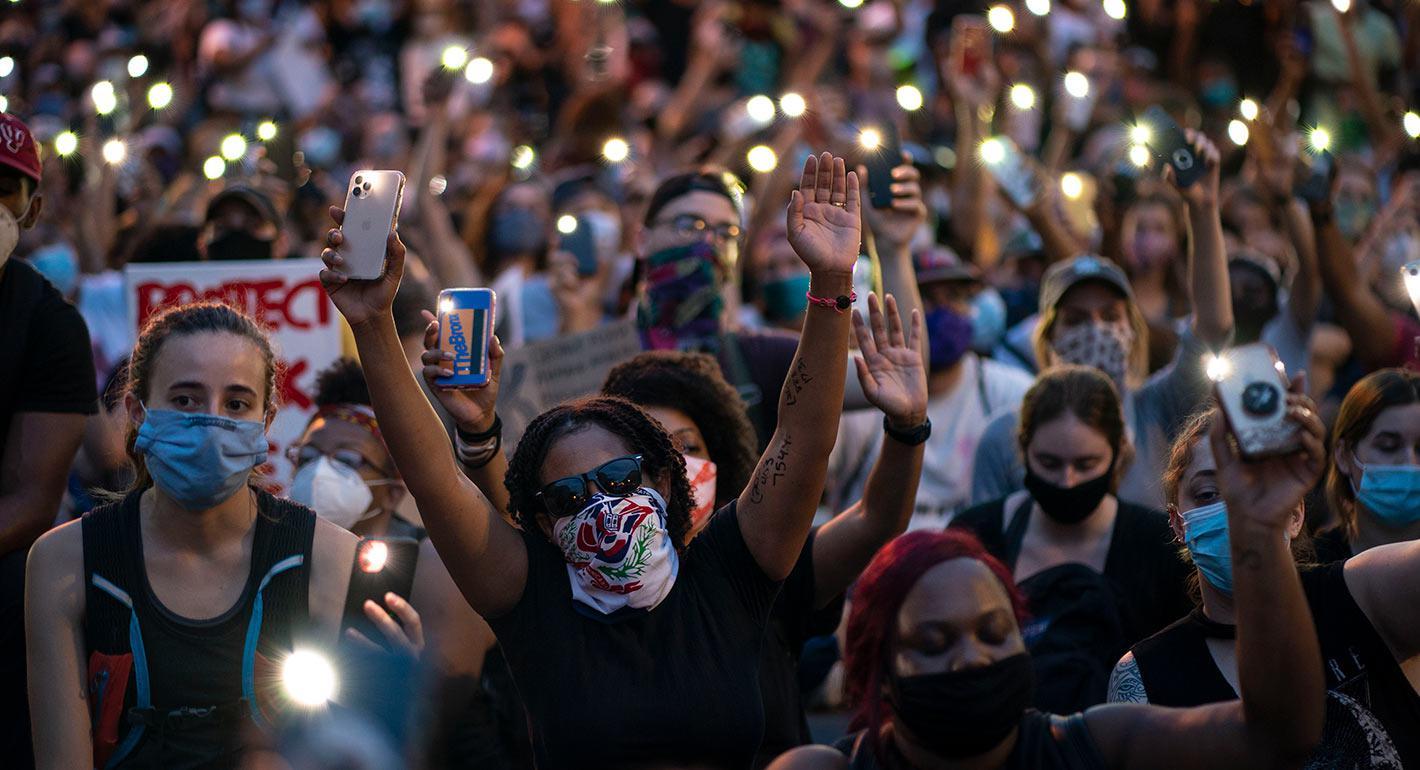
The murder of George Floyd has underscored the deep inequities that have long plagued American society. In a note to the Carnegie community, Bill Burns reflects on Carnegie’s commitment to build a more just future here at home and around the world, without which peace will remain beyond our grasp.
William J. Burns
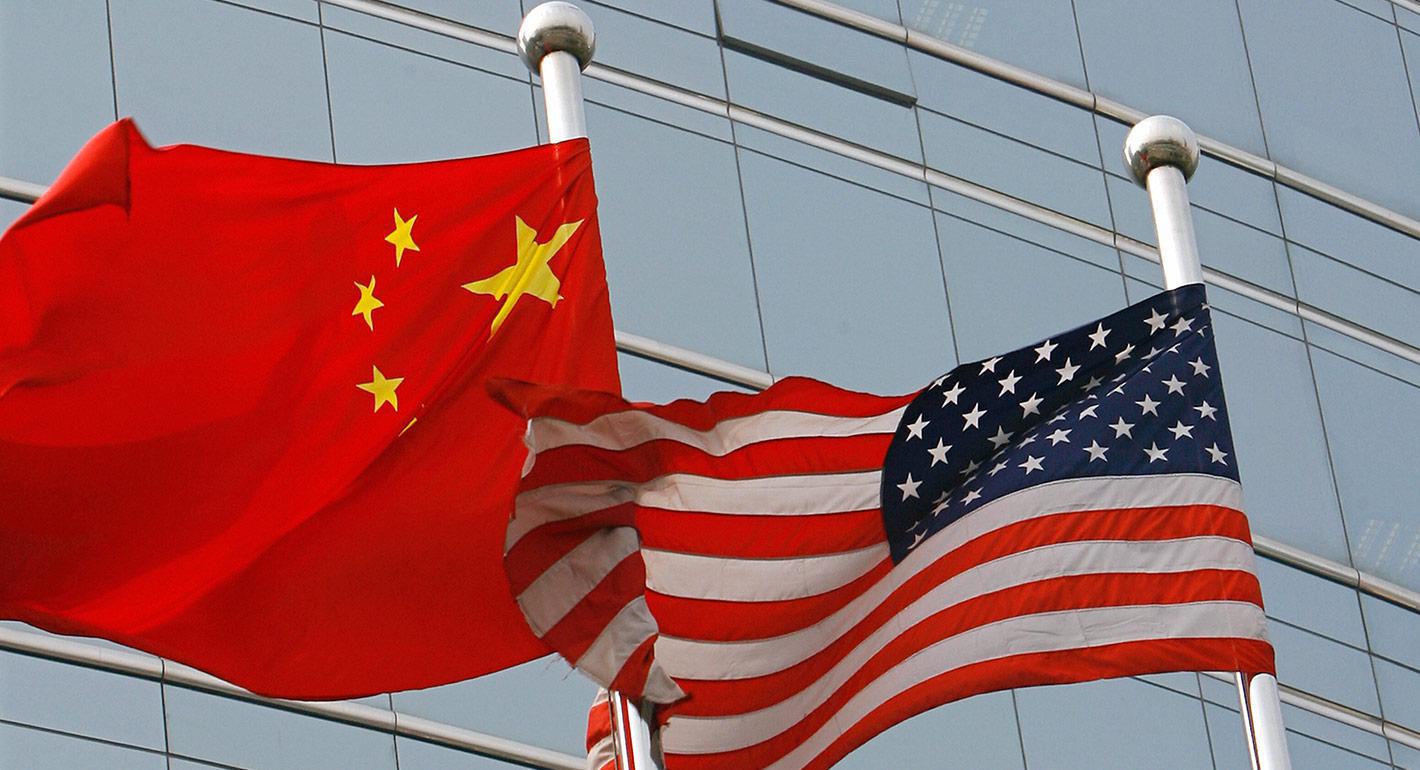
While the world hoped this pandemic might lead to more cooperation between these two great powers, American and Chinese leaders instead fell into a blame game and allowed their increasing suspicions to guide their decision-making.
Lyu Jinghua