
• Commentary
  • Research
  • Experts
  • Events
Carnegie China logoCarnegie lettermark logo
{
  "authors": [
    "Rajesh Bansal",
    "Arjun Kang Joseph"
  ],
  "type": "legacyinthemedia",
  "centerAffiliationAll": "",
  "centers": [
    "Carnegie Endowment for International Peace",
    "Carnegie India"
  ],
  "collections": [],
  "englishNewsletterAll": "",
  "nonEnglishNewsletterAll": "",
  "primaryCenter": "Carnegie India",
  "programAffiliation": "",
  "programs": [],
  "projects": [
    "Technology and Society"
  ],
  "regions": [
    "South Asia",
    "India"
  ],
  "topics": [
    "Technology"
  ]
}

Source: Getty

In The Media
Carnegie India

Reconciling a Child’s Right to Privacy and Autonomy

It has been estimated that children and adolescents under the age of 18 account for one in three Internet users around the world.

Link Copied
By Rajesh Bansal and Arjun Kang Joseph
Published on Dec 18, 2019
Project hero Image

Project

Technology and Society

This program focuses on five sets of imperatives: data, strategic technologies, emerging technologies, digital public infrastructure, and strategic partnerships.

Learn More

Source: Hindustan Times

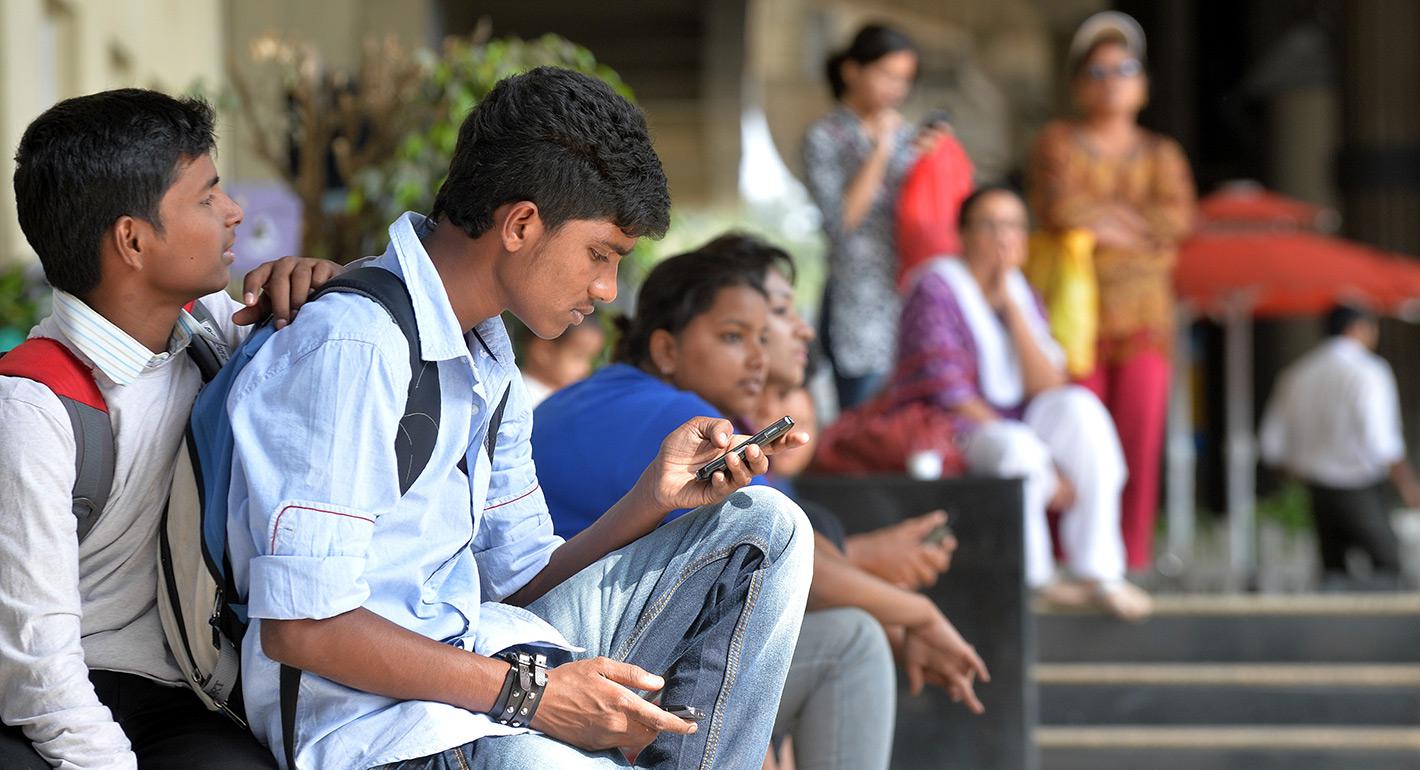
It has been estimated that children and adolescents under the age of 18 account for one in three Internet users around the world. Adolescence is the transitional period during which children mature into young adults, and it is in this time that they acquire knowledge, develop attributes and skills, and, most important, learn to manage emotions and relationships. This also extends to their activity over the Internet and their digital identity. Most children and adolescents tend to use the Internet as a source for entertainment and information, and believe that they have a right to access it. In most cases, they are also aware of the risks of using the Internet, and have a level of consciousness about their right to privacy. However, they seem to be more concerned about their right to privacy being infringed upon by their parents or peers, rather than the State or commercial actors.

Read the Full Text

This article was originally published by the Hindustan Times.

About the Authors

Rajesh Bansal

Former Senior Adviser, Carnegie India

Rajesh Bansal was a senior adviser at Carnegie India. His research focuses on financial technologies, particularly electronic payment systems, electronic cash transfers, and digital financial services to enable inclusive development. He leads the center’s technology and society program.

Arjun Kang Joseph

Former Senior Research Analyst and Co-Convenor, Global Technology Summit, Carnegie India

Arjun Kang Joseph is a senior research analyst with the Technology and Society Program at the Carnegie Endowment for International Peace India. He works primarily on data, privacy, and the intersection of health and technology.

Authors

Rajesh Bansal
Former Senior Adviser, Carnegie India
Rajesh Bansal
Arjun Kang Joseph
Former Senior Research Analyst and Co-Convenor, Global Technology Summit, Carnegie India
TechnologySouth AsiaIndia

Carnegie does not take institutional positions on public policy issues; the views represented herein are those of the author(s) and do not necessarily reflect the views of Carnegie, its staff, or its trustees.

More Work from Carnegie China

  • Commentary
    ASEAN-China Digital Cooperation: Deeper but Clear-Eyed Engagement

    ASEAN needs to determine how to balance perpetuating the benefits of technology cooperation with China while mitigating the risks of getting caught in the crosshairs of U.S.-China gamesmanship.

      Elina Noor

  • Article
    Biopharmaceuticals Rising: China’s Strategic Pivot to Southeast Asia Amid Great Power Tech Competition

    As tech competition moves into the biotech sector, China is increasingly shifting its focus to nearby regions to alleviate U.S.-induced supply chain pressures. As part of this transition, Southeast Asia has emerged as a favored destination.

      Xue Gong

  • Commentary
    The Challenges Behind China’s Global South Policies

    While China will remain a significant political and economic force in the Global South, its ambition to leverage the Global South as a counterbalance to the United States and the Global North is far from assured.

      Xue Gong

  • Commentary
    Will Technology Differentiate China Today from Japan in the 1990s?

    Ignoring the problems of its historical precedents won’t make China’s success any more likely.

      Michael Pettis

  • Commentary
    The Potential Chinese Responses to a U.S. Ban on TikTok

    Beijing’s reaction to Washington’s proposed ban on TikTok could manifest in three distinct scenarios.

      Xing Jiaying, Li Mingjiang

Get more news and analysis from
Carnegie China
Carnegie China logo, white
Keck Seng Tower133 Cecil Street #10-01ASingapore, 069535Phone: +65 9650 7648
  • Research
  • About
  • Experts
  • Events
  • Contact
  • Careers
  • Privacy
  • For Media
Get more news and analysis from
Carnegie China
© 2026 Carnegie Endowment for International Peace. All rights reserved.