

Article
- +1
Toby Dalton, Mark Hibbs, Nicole Grajewski, …
{
  "authors": [
    "Mark Hibbs"
  ],
  "type": "other",
  "centerAffiliationAll": "dc",
  "centers": [
    "Carnegie Endowment for International Peace"
  ],
  "collections": [
    "U.S. Nuclear Policy"
  ],
  "englishNewsletterAll": "ctw",
  "nonEnglishNewsletterAll": "",
  "primaryCenter": "Carnegie Endowment for International Peace",
  "programAffiliation": "NPP",
  "programs": [
    "Nuclear Policy"
  ],
  "projects": [],
  "regions": [
    "North America",
    "United States",
    "South America",
    "Middle East",
    "Iran"
  ],
  "topics": [
    "Political Reform",
    "Foreign Policy",
    "Nuclear Policy"
  ]
}
Source: Getty
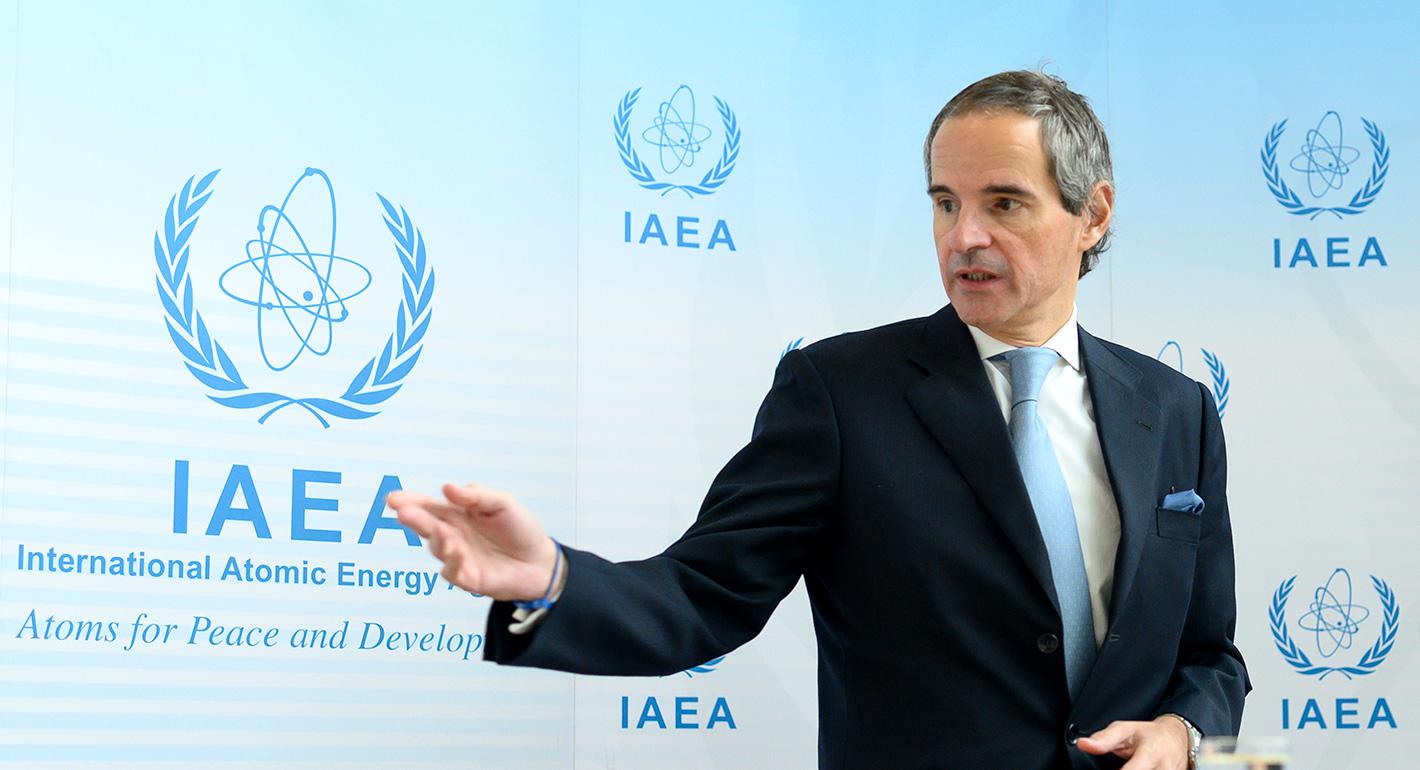
Differences between Russia and the United States in the Board of Governors at the International Atomic Energy Agency (IAEA) may inhibit multilateral verification of Iran’s safeguards obligations under the Treaty on the Non-Proliferation of Nuclear Weapons (NPT).
Source: European Leadership Network
Argentinian Ambassador Rafael Grossi, who took charge of the International Atomic Energy Agency on 3 December 2019, is staring down the barrel at perhaps his agency’s most immanent challenge: managing re-emerging conflict in the IAEA Board of Governors over nuclear verification in Iran. The technical and political challenges of dealing with Iran at the IAEA have always been difficult, but now these are stoked by rivalry and conflict between Russia and the United States.
Grossi will convene his first board meeting as IAEA Director General the week of 9 March 2020. Looking toward and beyond that encounter, Grossi said during a public appearance at the Carnegie Endowment for International Peace, in Washington, D.C., on 5 February 2020, “There will be a time when I come… to Iran asking them to do the right thing: to work with the agency. And at that moment, not only just the subscribers [to the JCPOA] but other countries, especially in the Board of Governors, will have to stand with the agency. That is what I hope.”
Iran may or may not “do the right thing,” and how far the IAEA can go in pressuring Iran will be in large part be determined by US-Russian relations. At the level of high politics, what has been unfolding in the boardroom reflects growing tensions between two powerful IAEA member states; their different assessments of the international security threat posed by Iran; and Iran’s growing political and military influence in the Middle East. Geopolitics aside, tensions between the US and Russia also centre on nuclear verification; for about a decade Washington and Moscow have been drifting apart over how the IAEA is adapting its safeguards system to changes in the international nuclear landscape.
This brief was originally published by the European Leadership Network.
Nonresident Senior Fellow, Nuclear Policy Program
Hibbs is a Germany-based nonresident senior fellow in Carnegie’s Nuclear Policy Program. His areas of expertise are nuclear verification and safeguards, multilateral nuclear trade policy, international nuclear cooperation, and nonproliferation arrangements.
Recent Work

Toby Dalton, Mark Hibbs, Nicole Grajewski, …
Mark Hibbs
Carnegie does not take institutional positions on public policy issues; the views represented herein are those of the author(s) and do not necessarily reflect the views of Carnegie, its staff, or its trustees.
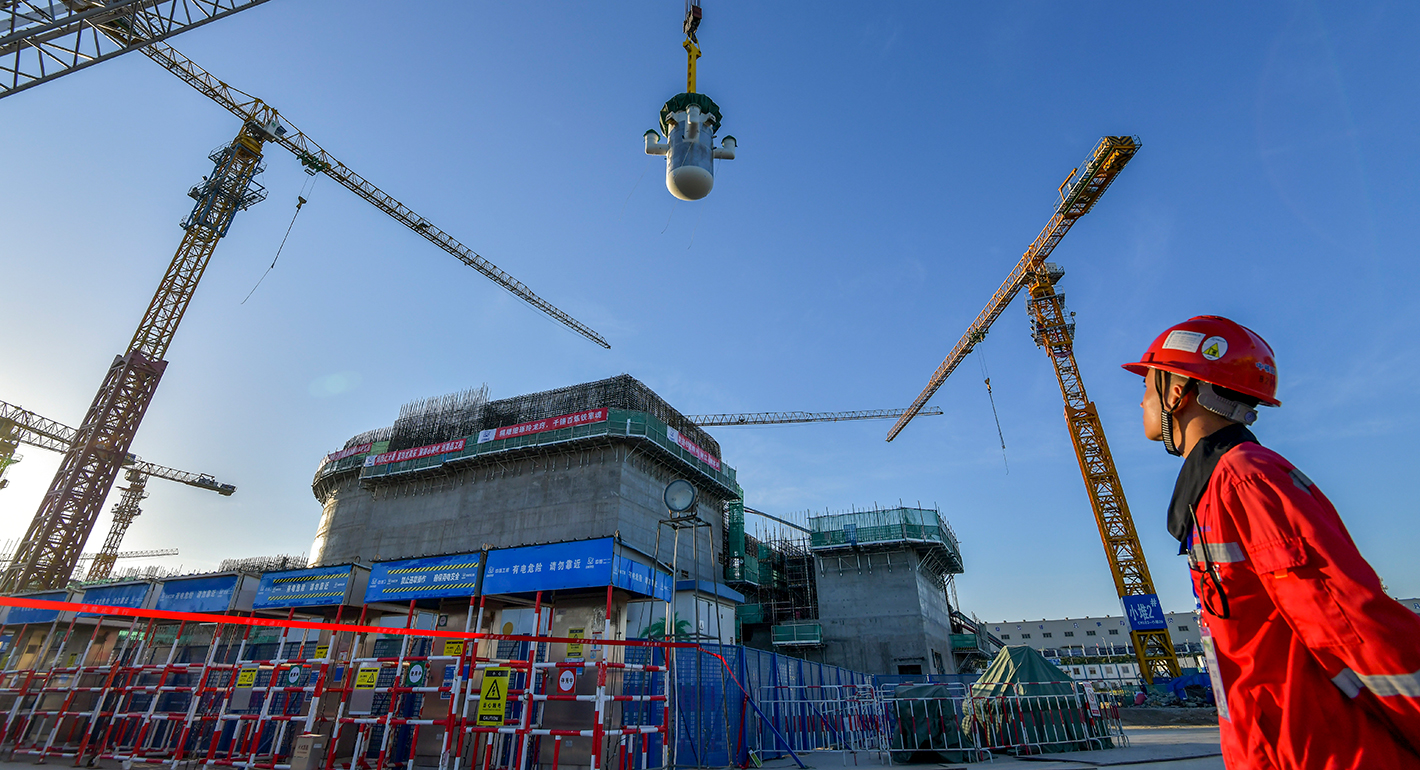
China has showcased its engineering prowess with small modular reactor demonstration projects. But turning these technological achievements into commercial success will be a greater challenge.

Tong Zhao

The nuclear relationship between China and the United States is increasingly shaped by widening perception gaps rather than deliberate strategic design.
Tong Zhao

But their "principal to principal" model will only be as effective as the political strength of each leader back home.

Damien Ma

U.S. unpredictability has allowed China to capitalize on its positioning as the “responsible great power”. Paradoxically, the more China wins the perception game, the more likely expectations will rise for Beijing to deliver not just words but to demonstrate with its deeds.

Chong Ja Ian

Hanoi and Beijing have long treated each other as distant cousins rather than comrades in arms. That might be changing as both sides draw closer to hedge against uncertainty and America’s erratic behavior.

Nguyễn Khắc Giang