

Article
- +1
Rudra Chaudhuri, Tejas Bharadwaj, Konark Bhandari, …
{
  "authors": [
    "Rudra Chaudhuri"
  ],
  "type": "legacyinthemedia",
  "centerAffiliationAll": "",
  "centers": [
    "Carnegie Endowment for International Peace",
    "Carnegie India"
  ],
  "collections": [],
  "englishNewsletterAll": "",
  "nonEnglishNewsletterAll": "",
  "primaryCenter": "Carnegie India",
  "programAffiliation": "",
  "programs": [],
  "projects": [
    "Security Studies"
  ],
  "regions": [
    "United States",
    "South Asia",
    "India"
  ],
  "topics": [
    "Foreign Policy"
  ]
}
Source: Getty
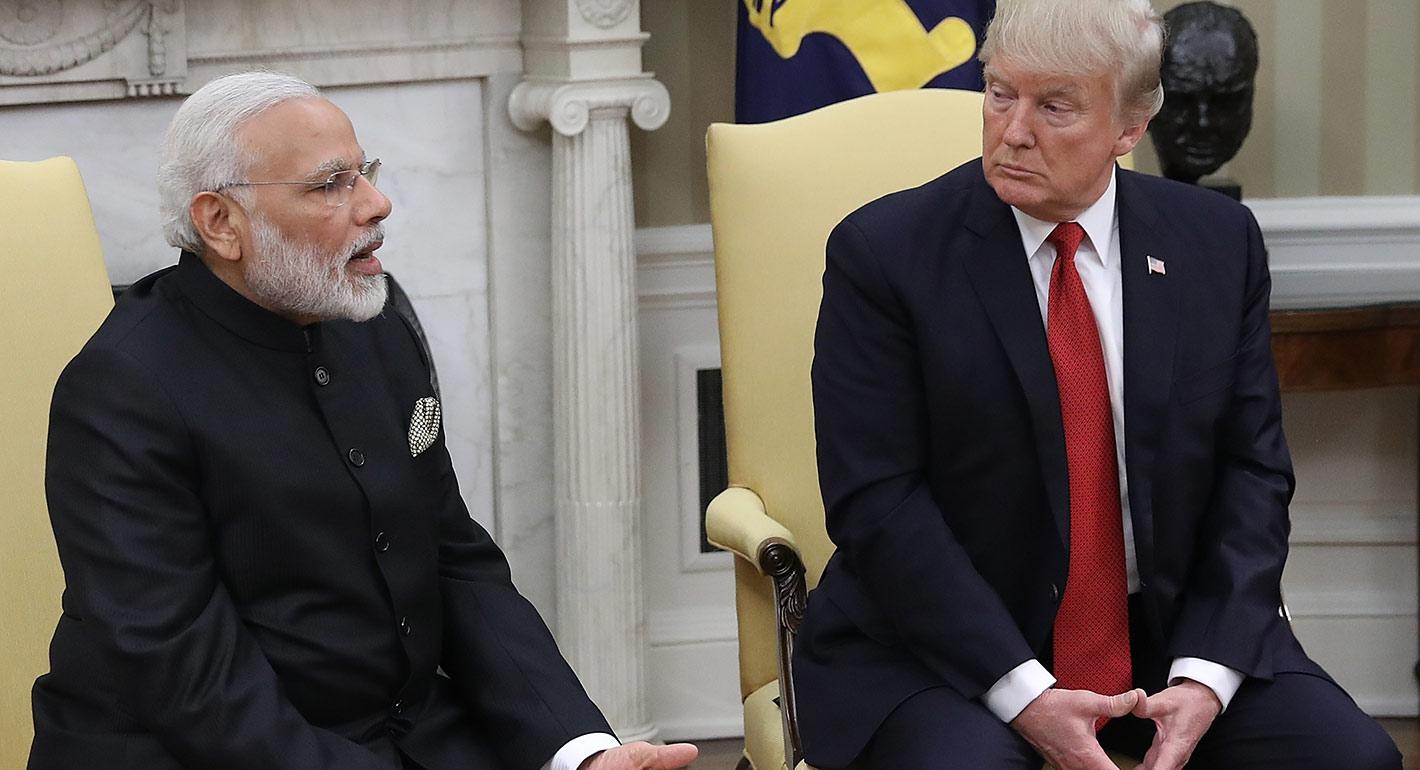
U.S. President Donald Trump’s two-day visit is designed to partially tickle his vanity, but, as importantly, it is to boost his chances of returning to office in the 2020 U.S. general election.
Source: BBC
Mr Trump's two-day visit is designed to partially tickle his vanity, but, as importantly, it is to boost his chances of returning to office in the 2020 US general election.
He will visit three cities in India: the national capital, Delhi; Agra, where he will see the Taj Mahal; and Ahmedabad, the main city in the western state of Gujarat, where he is expected to address an audience of more than 100,000 people in an event aptly called "Namaste Trump".
Former Director, Carnegie India
Rudra Chaudhuri was the director of Carnegie India. His research focuses on the diplomatic history of South Asia, contemporary security issues, and the important role of emerging technologies and digital public infrastructure in diplomacy, statecraft, and development. He and his team at Carnegie India chair and convene the Global Technology Summit, co-hosted with the Ministry of External Affairs, Government of India.
Recent Work


Rudra Chaudhuri, Tejas Bharadwaj, Konark Bhandari, …
Rudra Chaudhuri
Carnegie does not take institutional positions on public policy issues; the views represented herein are those of the author(s) and do not necessarily reflect the views of Carnegie, its staff, or its trustees.

Malaysia’s chairmanship sought to fend off short-term challenges while laying the groundwork for minimizing ASEAN’s longer-term exposure to external stresses.

Elina Noor

For Malaysia, the conjunction that works is “and” not “or” when it comes to the United States and China.
Elina Noor
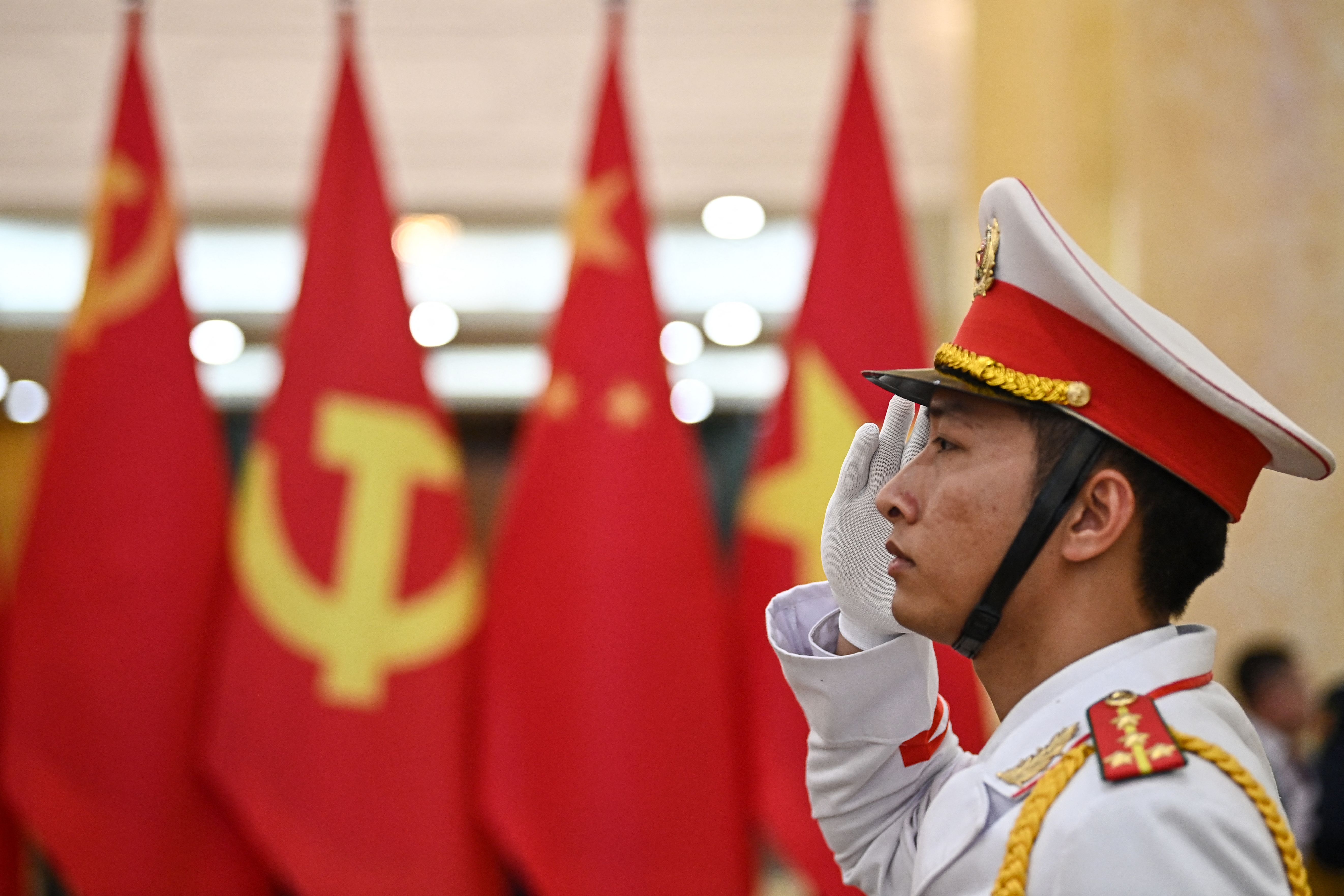
In July 2025, Vietnam and China held their first joint army drill, a modest but symbolic move reflecting Hanoi’s strategic hedging amid U.S.–China rivalry.

Nguyễn Khắc Giang
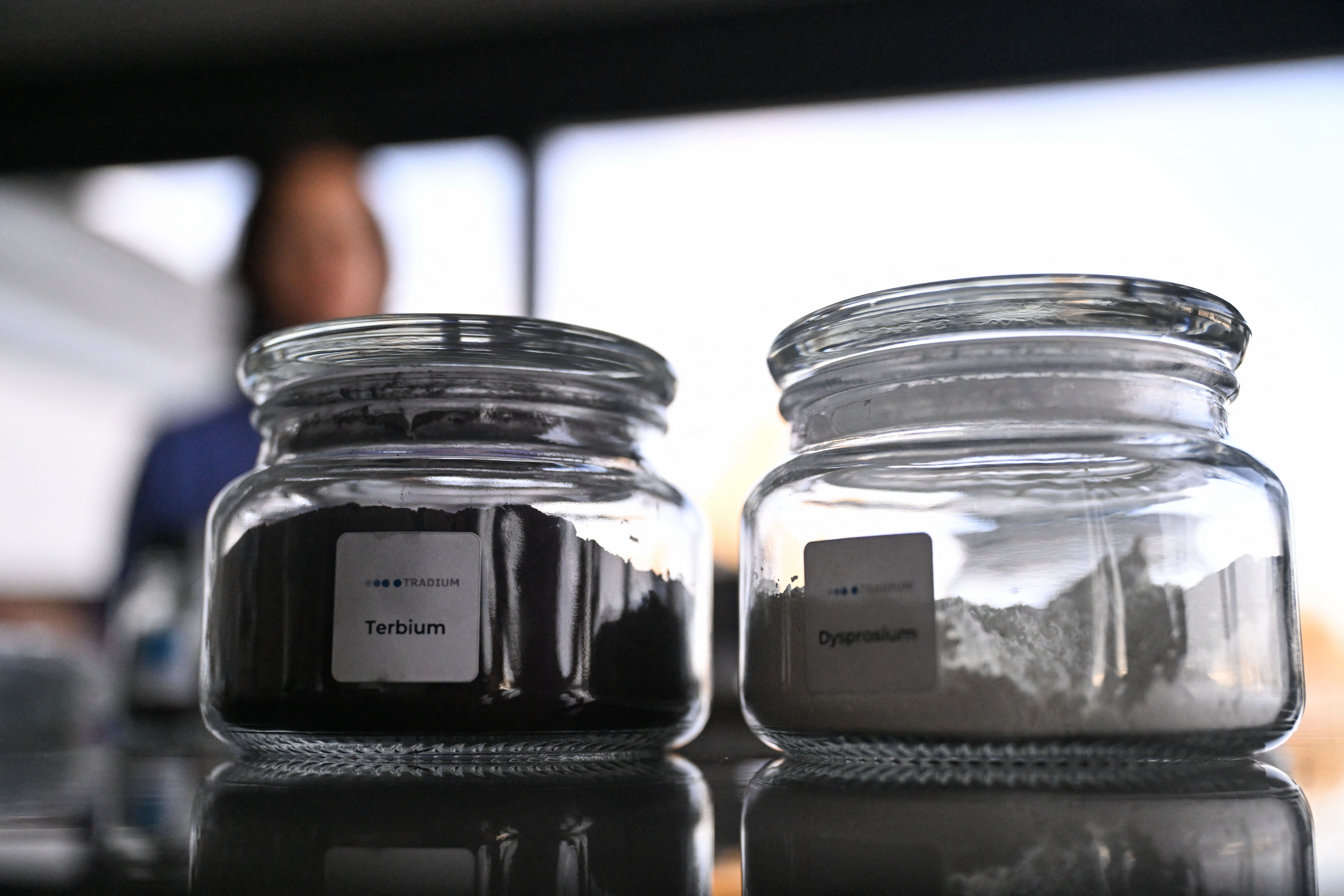
Regulation, not embargo, allows Beijing to shape how other countries and firms adapt to its terms.
Alvin Camba
The Thai-Cambodian conflict highlights the limits to China's peacemaker ambition and the significance of this role on Southeast Asia’s balance of power.

Pongphisoot (Paul) Busbarat