

Paper
Rajesh Bansal, Somya Singh
{
  "authors": [
    "Rajesh Bansal"
  ],
  "type": "legacyinthemedia",
  "centerAffiliationAll": "",
  "centers": [
    "Carnegie Endowment for International Peace",
    "Carnegie India"
  ],
  "collections": [],
  "englishNewsletterAll": "",
  "nonEnglishNewsletterAll": "",
  "primaryCenter": "Carnegie India",
  "programAffiliation": "",
  "programs": [],
  "projects": [],
  "regions": [
    "South Asia",
    "India"
  ],
  "topics": [
    "Domestic Politics"
  ]
}
Source: Getty
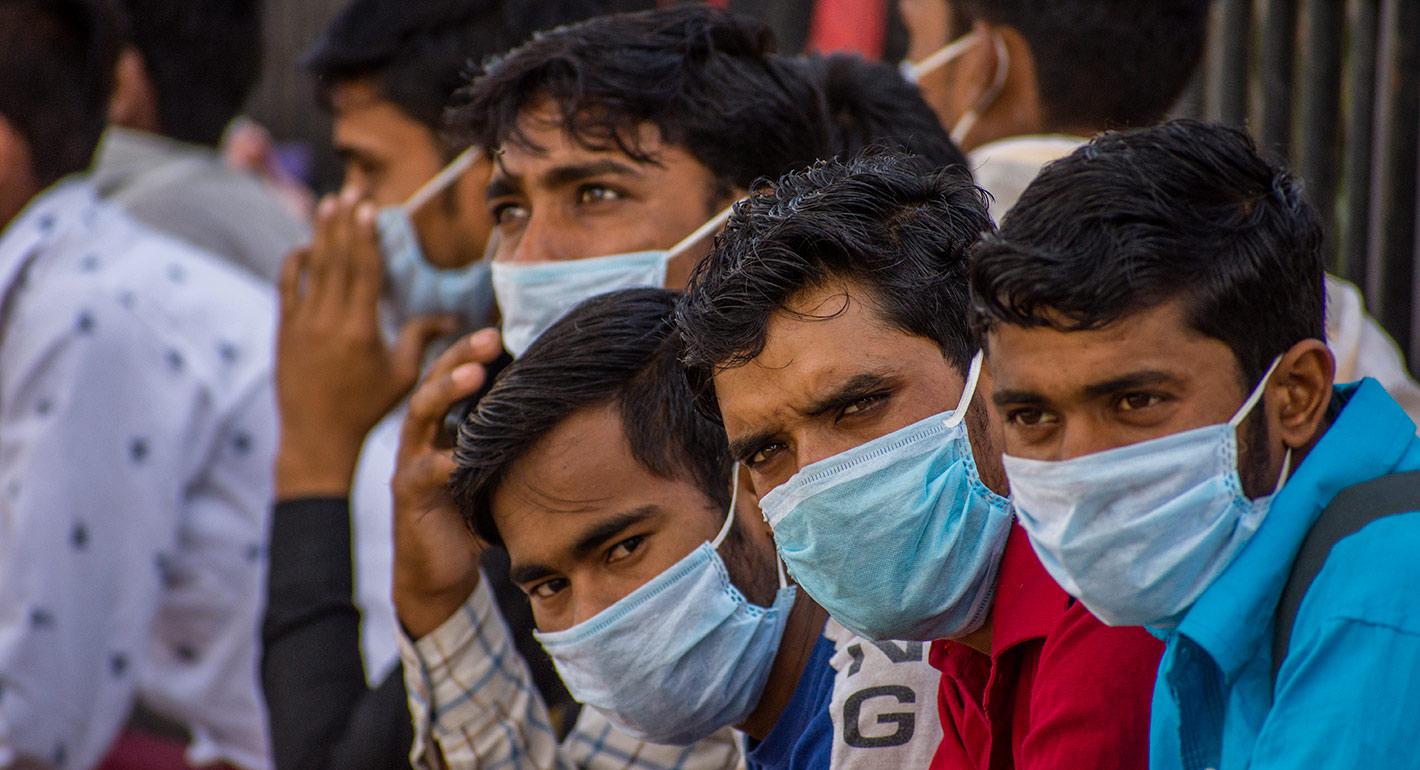
Large sections of India’s population are invisible to the state. That is why in crises like Covid and lockdown, we need one common social database.
Source: Print
In the current coronavirus crisis and the ensuing lockdown, most migrants in India find themselves suddenly jobless as factories close, supply chains shut down and services freeze. The Narendra Modi government has responded to the crisis by announcing several social protection schemes, including direct benefit transfers for certain sections of the population and free LPG refills, grains and pulses for the poor.
Former Senior Adviser, Carnegie India
Rajesh Bansal was a senior adviser at Carnegie India. His research focuses on financial technologies, particularly electronic payment systems, electronic cash transfers, and digital financial services to enable inclusive development. He leads the center’s technology and society program.
Recent Work
Rajesh Bansal, Somya Singh
Rajesh Bansal, Somya Singh
Carnegie does not take institutional positions on public policy issues; the views represented herein are those of the author(s) and do not necessarily reflect the views of Carnegie, its staff, or its trustees.

In the latest Five-Year Plan, the Chinese president cements the shift to an innovation-driven economy over a consumption-driven one.

Damien Ma
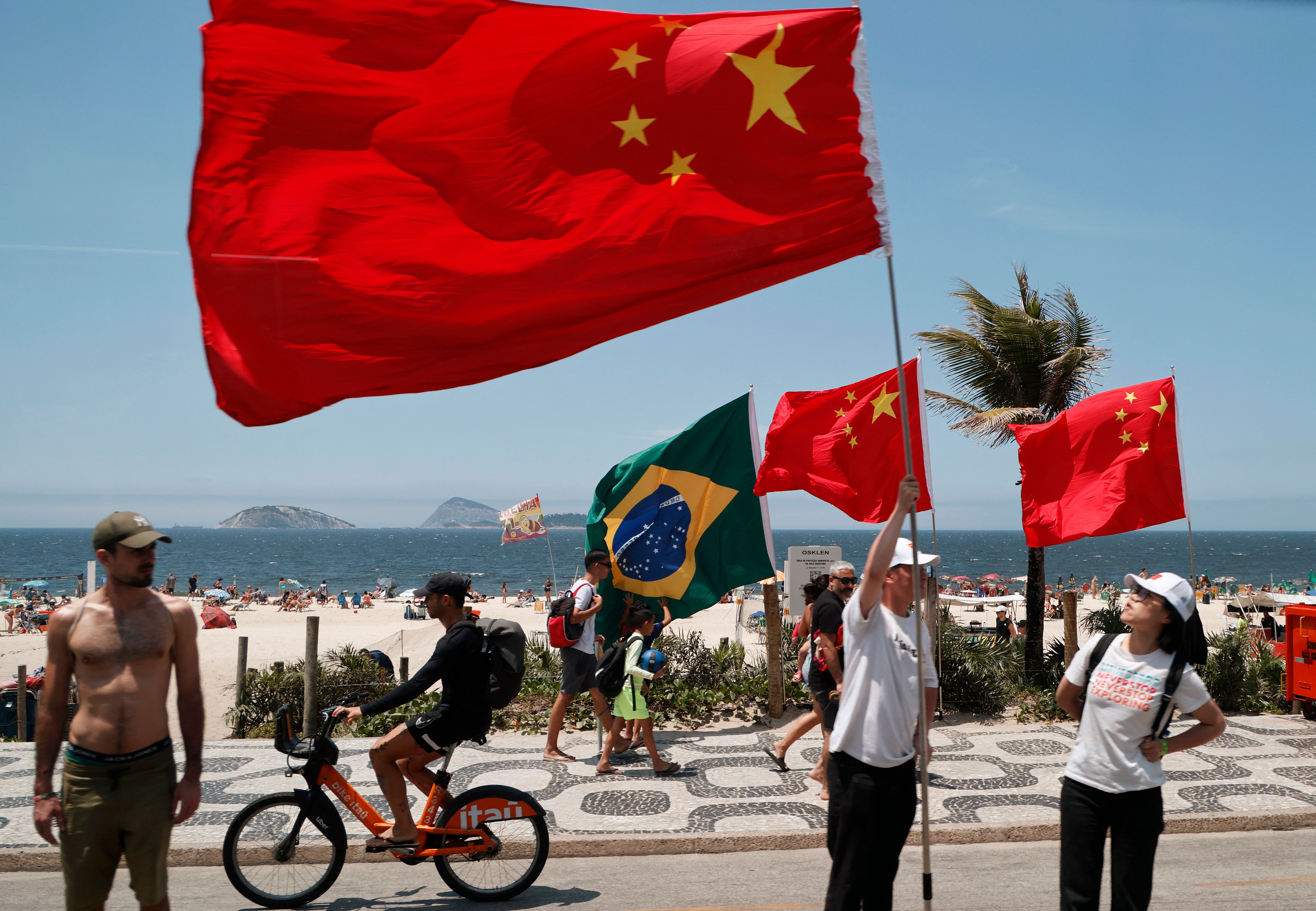
While China will remain a significant political and economic force in the Global South, its ambition to leverage the Global South as a counterbalance to the United States and the Global North is far from assured.

Xue Gong

Can China and India disengage from contested territories along the border?

Paul Haenle, Ashley J. Tellis, Han Hua, …
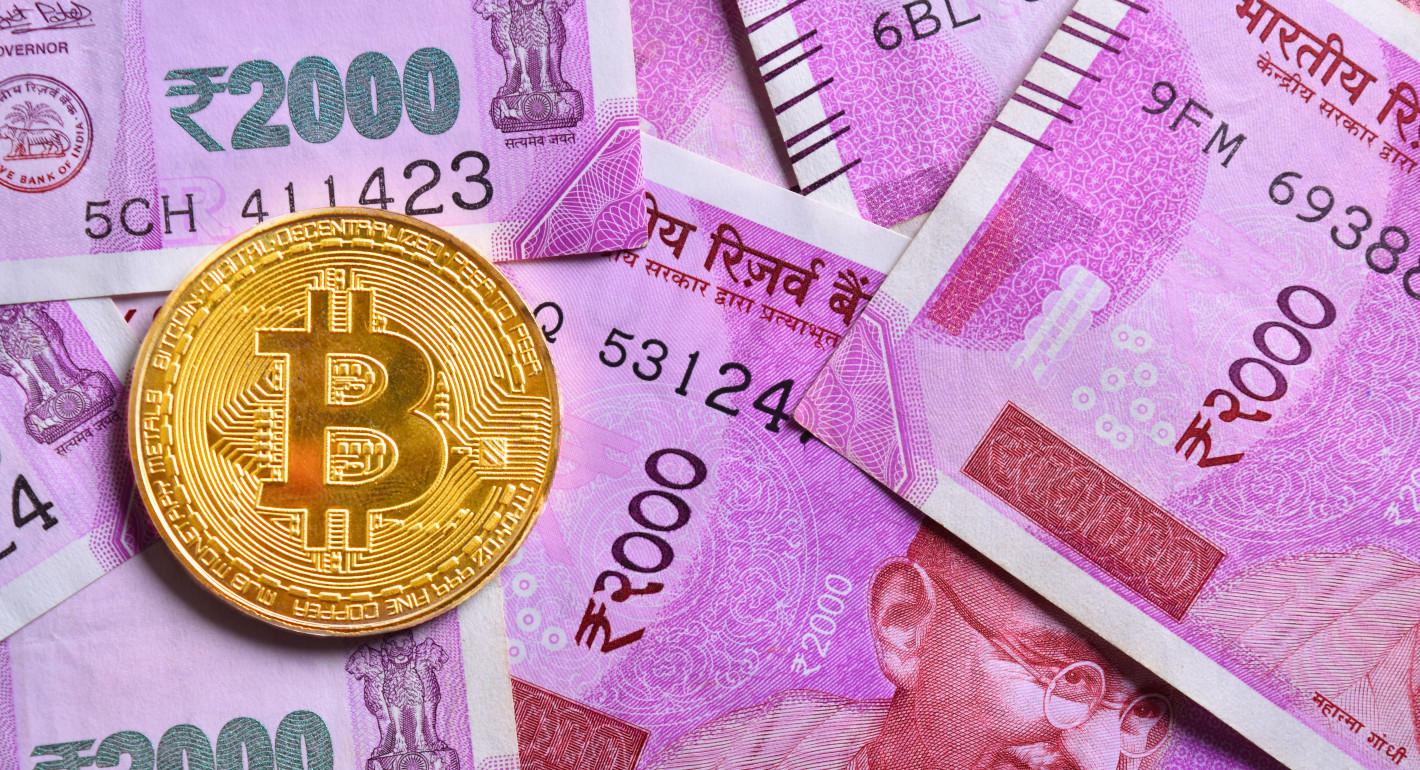
The government extends the uncertainty with its two new taxes and digital rupee.

Anirudh Burman, Priyadarshini D.
China and Pakistan should strive to build a RMB closed-chain cycle based on capital exports and trade returns.

Lu Yang