

Commentary
Andrei Kolesnikov
{
  "authors": [
    "Andrei Kolesnikov"
  ],
  "type": "legacyinthemedia",
  "centerAffiliationAll": "",
  "centers": [
    "Carnegie Endowment for International Peace",
    "Carnegie Russia Eurasia Center"
  ],
  "collections": [],
  "englishNewsletterAll": "",
  "nonEnglishNewsletterAll": "",
  "primaryCenter": "Carnegie Endowment for International Peace",
  "programAffiliation": "",
  "programs": [],
  "projects": [],
  "regions": [
    "Russia"
  ],
  "topics": [
    "Political Reform"
  ]
}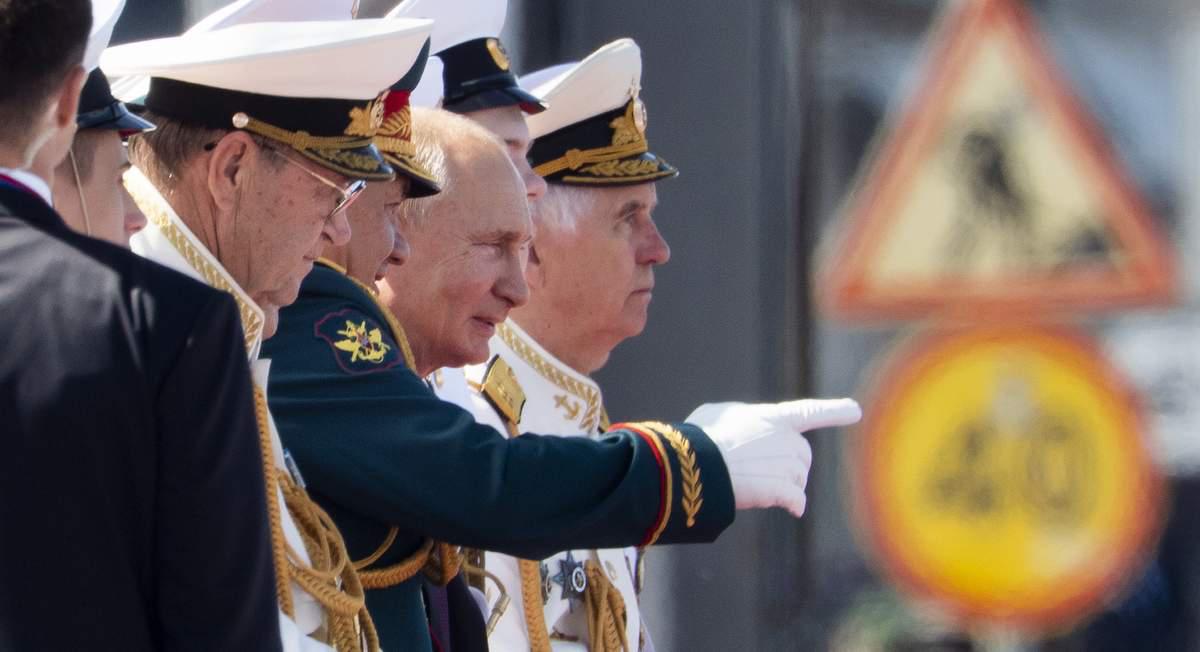
Source: Getty
By laying the constitutional groundwork to remain president for life, Vladimir Putin is engineering a further “Francoization” of his regime. But while Francisco Franco at least had a successor in King Juan Carlos, Putin has no such thing, which could spell chaos for Russia.
Source: Project Syndicate
Russian President Vladimir Putin has shown his regime’s real intentions. By changing the constitution to allow him to remain in office until 2036 and incorporating conservative new language, it has cast off its teetering mask of democratic legitimacy. But just as Putin has sought to entrench his rule, his regime is looking weaker than ever.
In the city of Khabarovsk, tens of thousands of protesters have taken to the streets in recent weeks, chanting, “Putin resign!” They are not alone. While Putin’s approval rating may seem high, it is low by Russian standards. In fact, his 59-60% approval rating in recent months is his lowest since October 1999, when he was prime minister. And it is unlikely to improve significantly for a simple reason: Putin tried-and-tested methods to win support have lost their firepower.
The COVID-19 pandemic has hit Russia hard, in terms of both public health and economic fallout. With oil exports, the mainstay of Russia’s economy, down sharply, the government’s budget revenues have cratered. As a result, the Kremlin’s tacit pact with the public – we ensure your basic wellbeing, and you don’t complain – is unraveling.
Putin’s regime has long sought to divert public attention from domestic problems by touting its foreign-policy victories and its unrelenting battle against a domestic “fifth column.” Putin’s annexation of Crimea in 2014 embodied what have long been his most effective tactics for securing support: xenophobia, anti-Western hysteria, and the invocation of a glorious past. His approval rating skyrocketed to more than 85%.
For Putin, however, the impression of broad public support is arguably more important than the support itself. The July 1 plebiscite on the constitutional amendments meant little in practice. The changes had been ratified by the Duma (parliament) and regional legislatures months before.
But the popular vote gave the Kremlin the opportunity to claim that nearly 78% of Russia’s citizens supported the changes. And it could cite the 21% who, according to official figures, voted against the changes to refute the many accusations – including from the European Union – that the vote was rigged.
High voter turnout enhanced the façade. But the fact that so many people participated under duress – they often had to report to their employers that they had voted – could end up hurting Putin in regional elections this year and in 2021, when federal parliamentary elections will also be held. Unlike in a plebiscite, people will be able to cast protest votes.
The Kremlin’s heavy use of another favorite tactic – firing, arresting, or otherwise removing ideological opponents – could also backfire. In early July, the authorities detained two activists – including Andrei Pivovarov, the executive director of exiled oligarch Mikhail Khodorkovsky’s Open Russia pro-democracy movement – who were campaigning against Putin’s plans to prolong his rule. Four others had their homes searched.
Several journalists have also been targeted in recent weeks, including Svetlana Prokopyeva (fined for supposedly inciting terrorism) and Ivan Safronov (charged with treason). Pyotr Verzilov, the publisher of Mediazona, a news site that chronicles abuse in Russia’s justice system, has had his home searched repeatedly.
Likewise, the historian Yuri Dmitriev, whose work exposing Stalin’s crimes has cast doubt on Kremlin hagiography, received a prison sentence for sexual violence against a minor. And last month, celebrated theater director Kirill Serebrennikov was convicted of embezzlement – part of an effort to crack down on independent theater.
These are proven tactics, but they are also transparent. And, though a loyal segment of society approves, others – including formerly loyal constituencies – are pushing back. The Khabarovsk protests were triggered by the sudden arrest of the popular governor, Sergei Furgal, for his alleged involvement in murders dating back to 2004-05, when he worked in business.
Furgal is no liberal; he is a member of the nationalist Liberal Democratic Party, part of the “systemic opposition” in the Duma. But he won his position in 2018 by defeating a Kremlin-backed candidate. By arresting him, the Kremlin likely wanted to send a message to regional leaders who might try to capitalize on the national government’s failures during the COVID-19 crisis. Instead, the arrest immediately tarnished the image of national unity that the plebiscite result was supposed to project.
To be sure, the Khabarovsk protests alone do not pose a threat to Putin’s rule. Their effects will be felt nationwide only if they spread to other cities, especially Moscow. But they should worry the Kremlin nonetheless. In Khabarovsk, it is not just professionals who are protesting, as has usually been the case. Мany protesters can hardly be considered politicized intelligentsia from Moscow or Saint Petersburg. Those in the streets previously would have been part of Putin’s social base. And they are setting an example for other regions.
Yet Putin’s sclerotic regime has little choice but to continue relying on the same approaches. The line between those the Kremlin supports (the millions of law-enforcement and security officers, bureaucrats, and other state employees, not to mention loyal oligarchs) and those it doesn’t (virtually everyone else) is growing sharper.
Still, there is no clear political or social force in place that will hasten the regime’s erosion. If a fatal blow comes, it will be dealt by an unlikely source. As the Khabarovsk protests have shown, however, unexpected surges of resistance are hardly beyond the realm of possibility.
In any case, Putin’s strategy of preserving power by any means necessary will not solve Russia’s many problems. And there remains the question of what will happen to the system after him.
What we are witnessing is a further “Francoization” of the Russian political regime: Putin is laying the groundwork to remain head of state for life, as Spain’s Francisco Franco did with the 1947 Law of Succession. But as Europe grew wealthy in the postwar era, Spain atrophied decade after decade under Franco’s increasingly dozy regime. Putin seems set on achieving the same level of inertia – in politics, the economy, and society.
But Franco at least had a successor in mind. By having the monarchy restored on Franco’s death, King Juan Carlos could ascend the throne. Putin, however, is leading Russia into a dead end. After all, he cannot bring back the czar. So he has simply postponed the problem of succession. Après lui, le déluge.
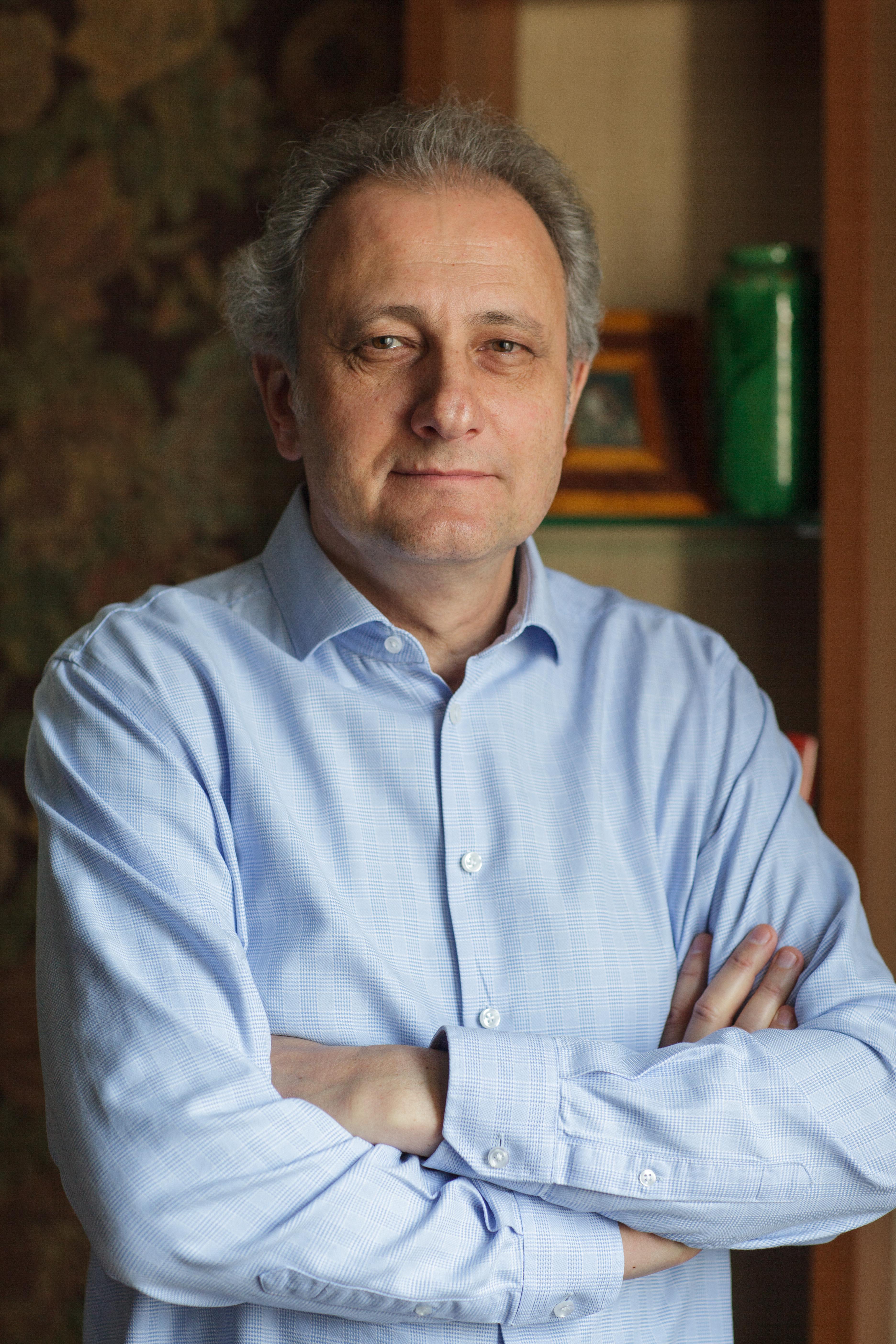
Former Senior Fellow, Carnegie Russia Eurasia Center
Kolesnikov was a senior fellow at the Carnegie Russia Eurasia Center.
Recent Work
Andrei Kolesnikov
Andrei Kolesnikov
Carnegie does not take institutional positions on public policy issues; the views represented herein are those of the author(s) and do not necessarily reflect the views of Carnegie, its staff, or its trustees.
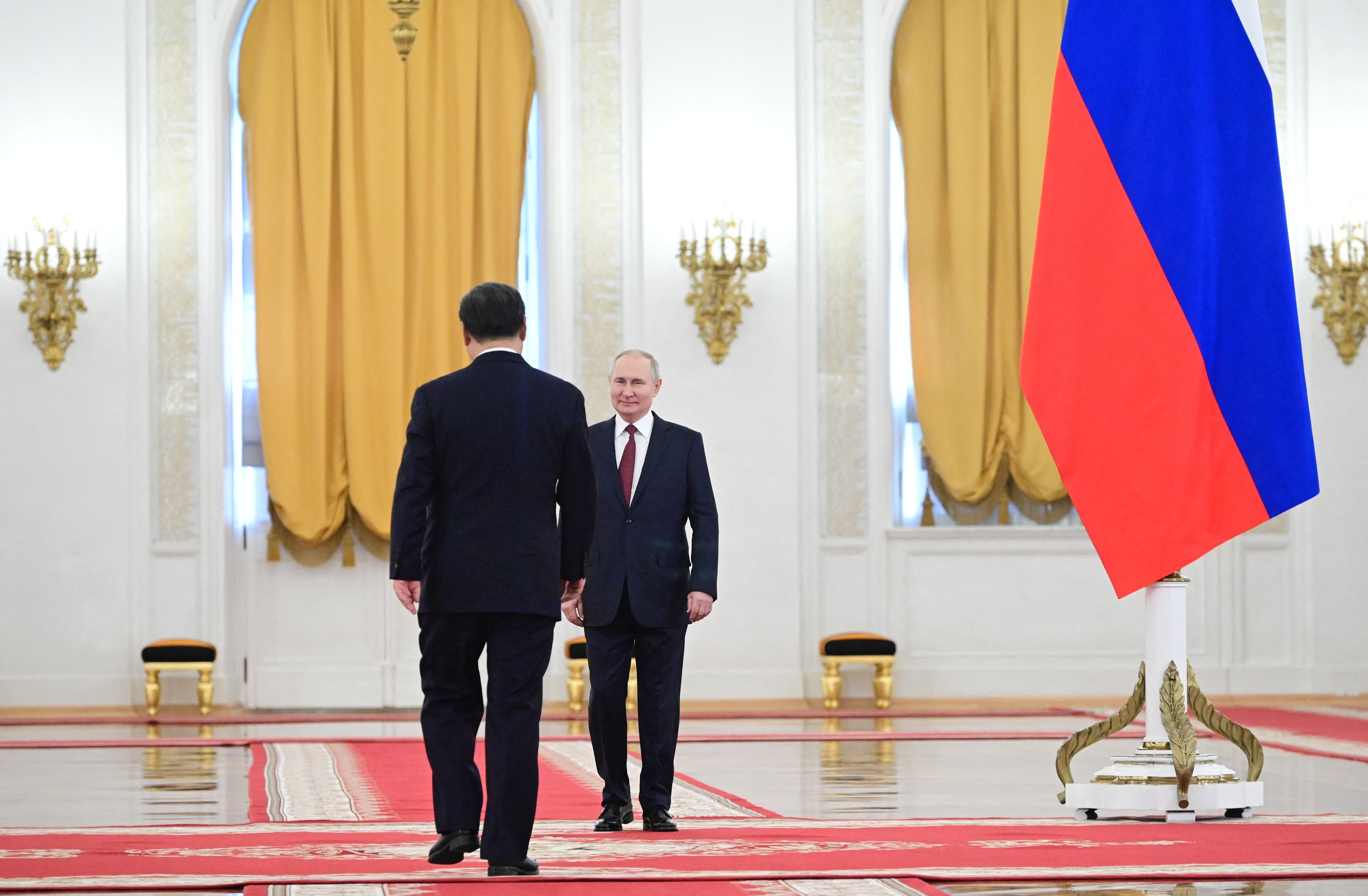
Beijing is trying to navigate the overall situation regarding Ukraine, especially the substance of interactions between Washington and Moscow.
Ellen Nakashima, Zhao Long, Pavlo Klimkin, …
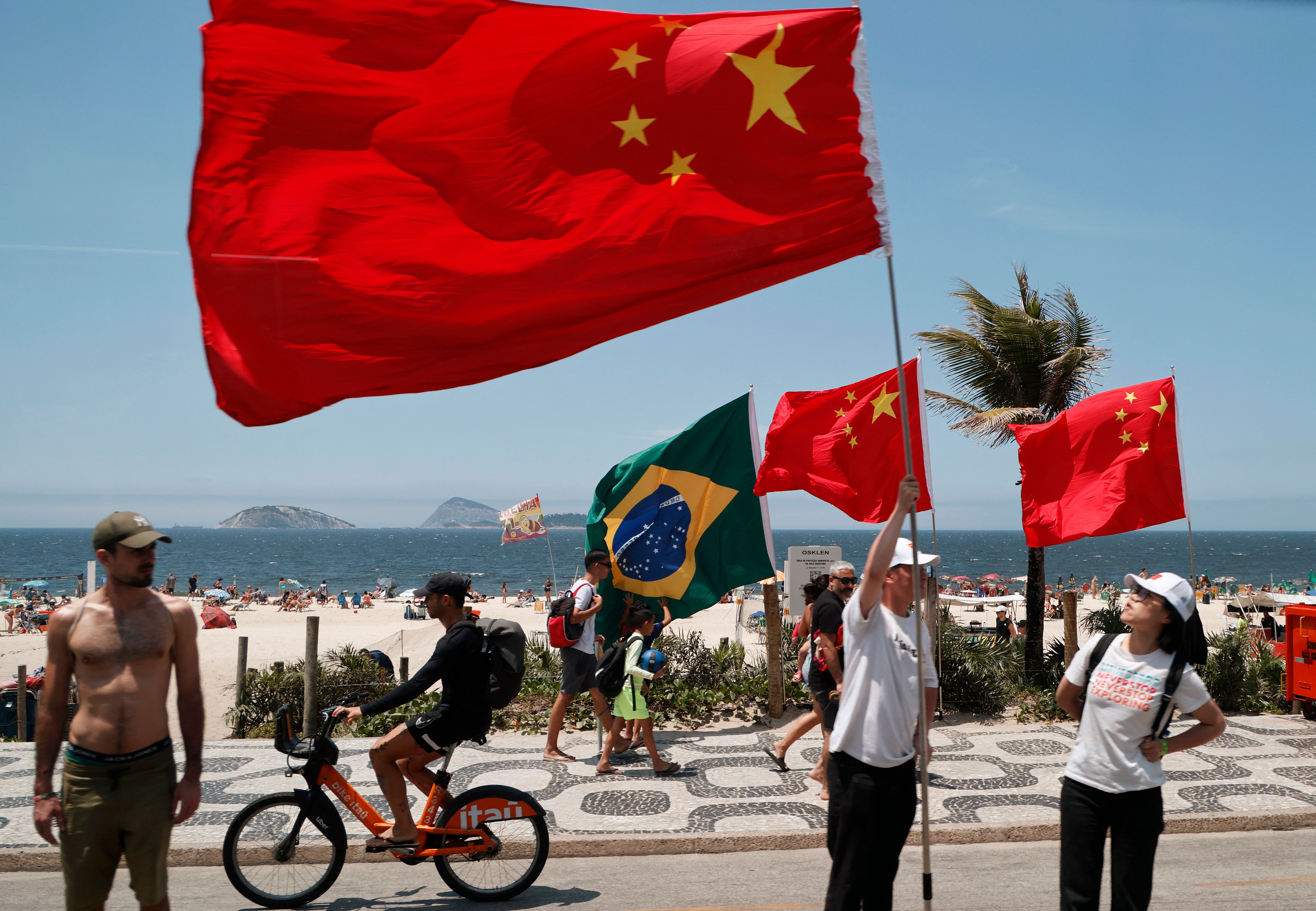
While China will remain a significant political and economic force in the Global South, its ambition to leverage the Global South as a counterbalance to the United States and the Global North is far from assured.

Xue Gong
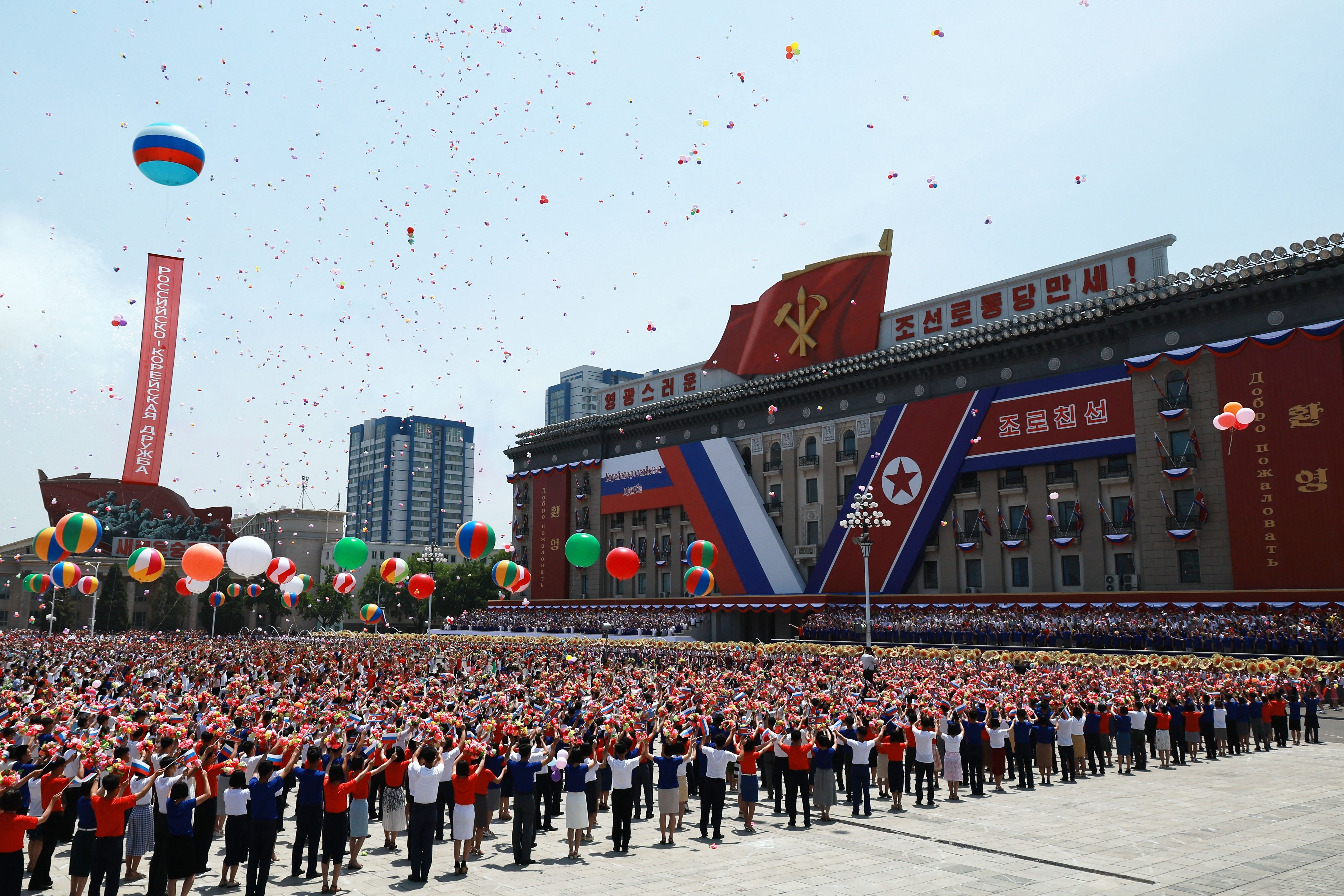
Faced with an increase in strategic maneuvering by Moscow and Pyongyang, Beijing will not sit idly by and allow Putin and Kim to shape the security environment on its behalf.

Tong Zhao
China’s growing attention to Central Asia is perceived as a harbinger of tectonic shifts in regional geopolitics.

Temur Umarov
The Russian invasion of Ukraine is a turning point in the EU-China relationship, and evolution of the China-Russia relationship will continue to impact EU-China relations.
Yifan Ding, Alice Ekman