

Article
China has showcased its engineering prowess with small modular reactor demonstration projects. But turning these technological achievements into commercial success will be a greater challenge.
Tong Zhao
{
  "authors": [
    "Lyu Jinghua",
    "Gaurav Kalwani"
  ],
  "type": "other",
  "centerAffiliationAll": "dc",
  "centers": [
    "Carnegie Endowment for International Peace"
  ],
  "collections": [
    "Major Power Tech Relations",
    "Cyber and Digital Policy"
  ],
  "englishNewsletterAll": "ctw",
  "nonEnglishNewsletterAll": "",
  "primaryCenter": "Carnegie Endowment for International Peace",
  "programAffiliation": "TIA",
  "programs": [
    "Technology and International Affairs"
  ],
  "projects": [],
  "regions": [
    "North America",
    "United States",
    "East Asia",
    "China",
    "Iran"
  ],
  "topics": [
    "Foreign Policy",
    "Technology"
  ]
}
Source: Getty
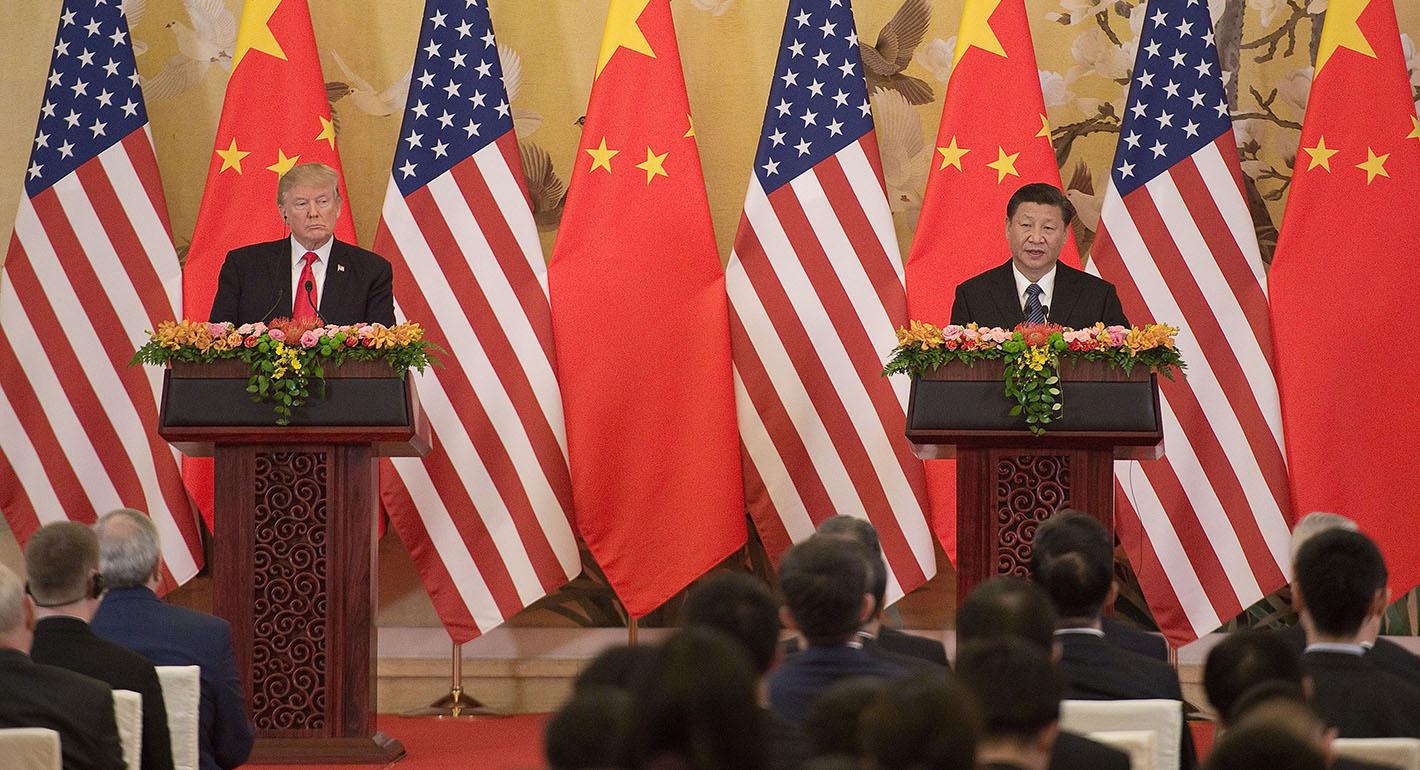
Although cyberspace represents a relatively new facet of the U.S.-China relationship, controversies within this domain have rapidly evolved into critical and contentious issues in the eyes of both parties, affecting a wide swath of policy areas such as trade, defense, transparency, and the rule of law.
Source: Turkish Policy Quarterly
Although cyberspace represents a relatively new facet of the US-China relationship, controversies within this domain have rapidly evolved into critical and contentious issues in the eyes of both parties, affecting a wide swath of policy areas such as trade, defense, transparency, and the rule of law. Understanding the development and underlying factors of tensions, the concerns of both sides, and the way in which these problems combine in the poorly managed competition over 5G will be crucial to moderating friction and building the future digital world.
This publication was originally published in the Turkish Policy Quarterly.
Former Visiting Scholar, Cyber Policy Initiative
Lyu Jinghua was a visiting scholar with Carnegie’s Cyber Policy Initiative. Her research focuses primarily on cybersecurity and China-U.S. defense relations.
Gaurav Kalwani
Former Research Assistant, Nuclear Policy Program
Gaurav Kalwani was a research assistant with the Nuclear Policy Program.
Carnegie does not take institutional positions on public policy issues; the views represented herein are those of the author(s) and do not necessarily reflect the views of Carnegie, its staff, or its trustees.

China has showcased its engineering prowess with small modular reactor demonstration projects. But turning these technological achievements into commercial success will be a greater challenge.

Tong Zhao

The Plaza Accord was not an externally imposed punishment of Japan but part of a broader restructuring that Japanese economists and policymakers themselves recognized was necessary. Its effects were undermined, however, when Tokyo responded to the resulting slowdown with policies that exacerbated investment, credit expansion, and the very imbalances the adjustment was intended to resolve.

Michael Pettis

The nuclear relationship between China and the United States is increasingly shaped by widening perception gaps rather than deliberate strategic design.
Tong Zhao
China’s banking crisis in the 2000s was resolved by transferring the costs to households through financial repression—a decision that recapitalized the banks while exacerbating the structural imbalances that continue to shape the Chinese economy today.
Michael Pettis

Chinese biotech companies have been on the receiving end of U.S. economic coercion. Yet their responses have differed significantly because firm and state interests are not uniformly aligned. For Washington, treating all Chinese tech firms the same, irrespective of their actual interests, risks pushing them farther into Beijing’s corner.

Xue Gong