

Commentary
H. A. Hellyer
{
  "authors": [
    "H. A. Hellyer"
  ],
  "type": "legacyinthemedia",
  "centerAffiliationAll": "",
  "centers": [
    "Carnegie Endowment for International Peace"
  ],
  "collections": [],
  "englishNewsletterAll": "",
  "nonEnglishNewsletterAll": "",
  "primaryCenter": "Carnegie Endowment for International Peace",
  "programAffiliation": "",
  "programs": [],
  "projects": [],
  "regions": [
    "Western Europe",
    "France"
  ],
  "topics": [
    "Political Reform",
    "Religion"
  ]
}
Source: Getty
Far too many prominent European Union politicians, including those committed to liberal democratic values, no longer pause before pinning the blame for social problems on Muslim minorities.
Source: Foreign Policy
Last Friday, French President Emmanuel Macron warned that a minority of France’s estimated 6 million Muslims could form a “counter-society,” and that Islam was facing a “crisis” all around the world, before unveiling his plan to tackle what he considered to be a “parallel society” in France.
It’s not a new argument in the country, which has the largest Muslim population in Western Europe. Macron has another, singular purpose: to brandish his tough-on-Islam credentials in a populist political environment at the expense of an already embattled French Muslim minority.
Ironically, Macron has failed to recognize that the cardinal principle of separation between church and state in France (laicité) and the state’s neutrality toward organized religion actually prohibit him from engaging in what is essentially a community’s own private religious discourse. But the situation is far more serious than that.

Former Nonresident Scholar, Middle East Program
Dr. H.A. Hellyer was a nonresident scholar at the Carnegie Endowment for International Peace. He serves as a senior associate fellow at the Royal United Services Institute for Defence and Security Studies in London, and as a Cambridge University fellow.
Recent Work
H. A. Hellyer
H. A. Hellyer
Carnegie does not take institutional positions on public policy issues; the views represented herein are those of the author(s) and do not necessarily reflect the views of Carnegie, its staff, or its trustees.

China’s political future will be shaped between now and next October. As the Communist Party enters its intense “campaign season” to prepare for a major political transition in 2027, reading Beijing's actions and responses may become more difficult as domestic politics weigh on its behavior more than usual.

Damien Ma
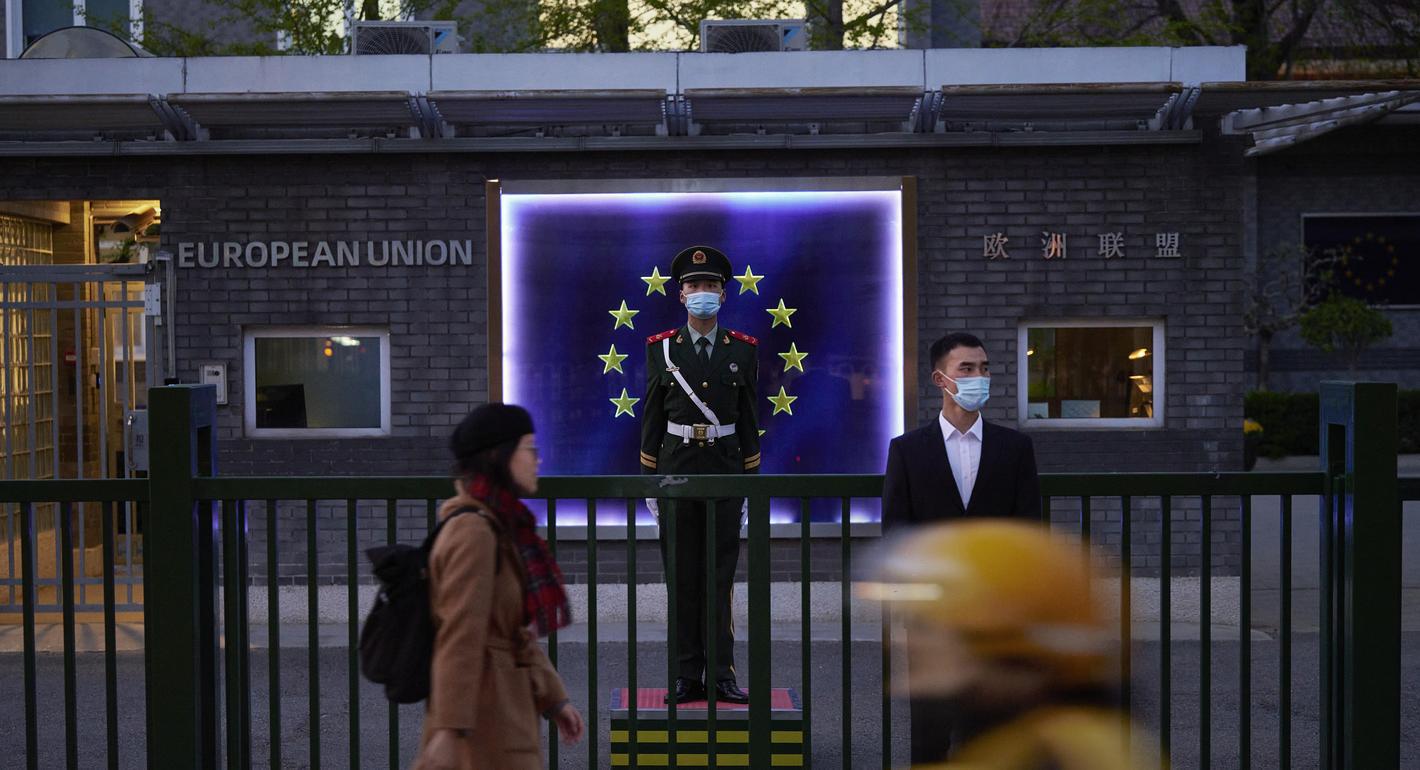
The Russian invasion of Ukraine is a turning point in the EU-China relationship, and evolution of the China-Russia relationship will continue to impact EU-China relations.
Yifan Ding, Alice Ekman
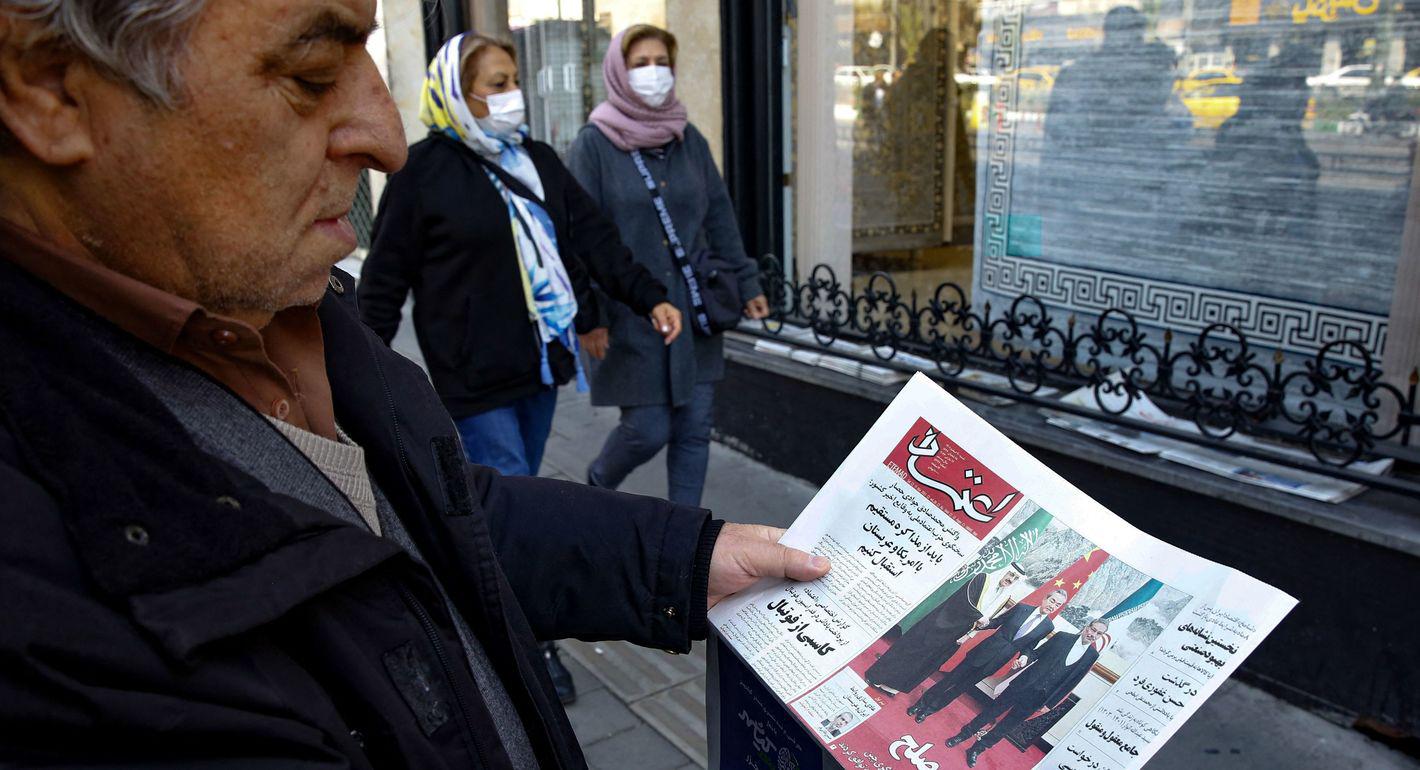
Transactional relationships are stable but can be shallow.



Paul Haenle, Maha Yahya, Benjamin Ho, …
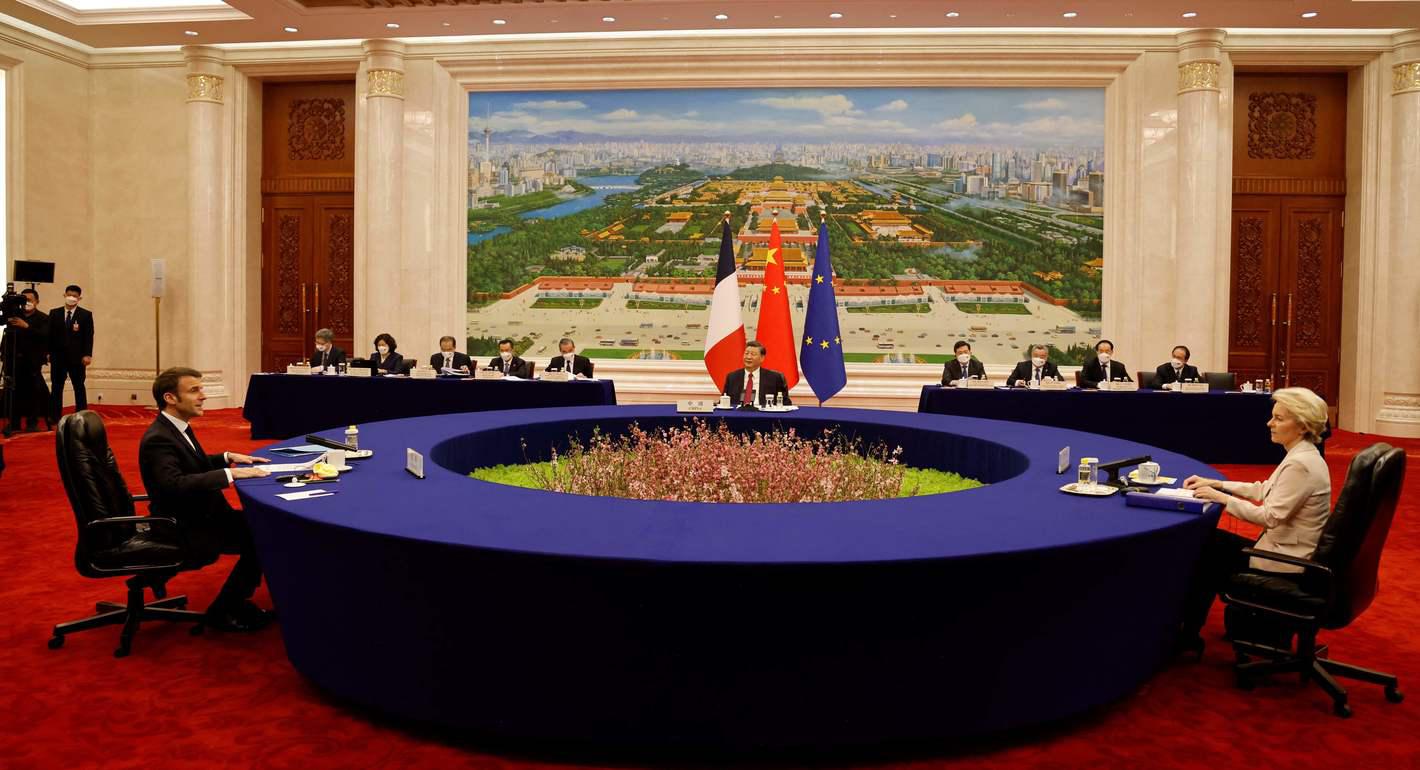
Recent visits by European officials highlight the EU’s lack of internal cohesion.
Paul Haenle, Chan Heng Chee, Liu Yawei, …
“It’s not so clear how we’re going to get out of this.”
Paul Haenle, Philippe Le Corre