

Paper
Yezid Sayigh
{
  "authors": [
    "Yezid Sayigh"
  ],
  "type": "other",
  "centerAffiliationAll": "dc",
  "centers": [
    "Carnegie Endowment for International Peace",
    "Malcolm H. Kerr Carnegie Middle East Center"
  ],
  "collections": [
    "Civil-Military Relations in Arab States"
  ],
  "englishNewsletterAll": "menaTransitions",
  "nonEnglishNewsletterAll": "",
  "primaryCenter": "Malcolm H. Kerr Carnegie Middle East Center",
  "programAffiliation": "MEP",
  "programs": [
    "Middle East"
  ],
  "projects": [],
  "regions": [
    "Egypt",
    "North Africa"
  ],
  "topics": [
    "Political Reform",
    "Security",
    "Economy"
  ]
}
Source: Getty
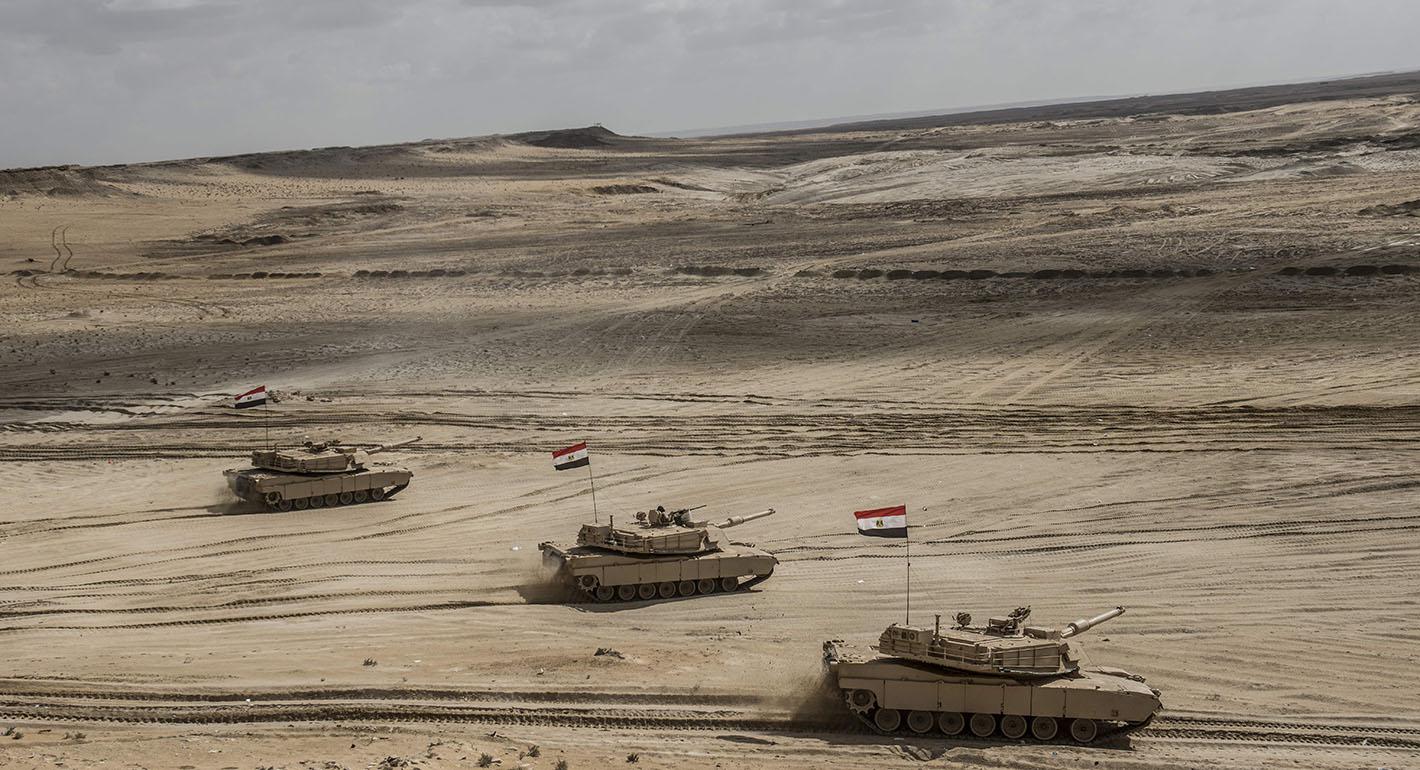
The Egyptian military’s involvement in the economy has come at a high cost, contributing to underperformance in development and auguring a new ruling class of military officers.
The Carnegie report “Owners of the Republic: An Anatomy of Egypt’s Military Economy” details how the involvement of the Egyptian Armed Forces in the economy has undergone a transformation in scope and scale under President Abdel-Fattah el-Sisi, giving rise to a new version of Egyptian state capitalism. The Egyptian military’s involvement in the economy has come at a high cost, contributing to underperformance in development and auguring a new ruling class of military officers. The Egyptian economy relies heavily on the military-led public sector, which has proven unable to provide the long-term, quality growth necessary to pull millions out of poverty. The Sisi administration has expanded its business interests to sideline cronies of the government it overthrew, but its economic activities will make it difficult to implement the reforms necessary to stimulate growth.
Egypt’s Military as the Spearhead of State Capitalism, Yezid Sayigh
The Chronic Underperformance of Egypt’s Military Economy, Bessma Momani
Egypt’s Emerging Ruling Class, Shana Marshall
The Egyptian Economy: In the Clutches of the Deep State, George T. Abed
Armed Forces in Power and in Business, Ishac Diwan

Senior Fellow, Malcolm H. Kerr Carnegie Middle East Center
Yezid Sayigh is a senior fellow at the Malcolm H. Kerr Carnegie Middle East Center in Beirut, where he leads the program on Civil-Military Relations in Arab States (CMRAS). His work focuses on the comparative political and economic roles of Arab armed forces, the impact of war on states and societies, the politics of postconflict reconstruction and security sector transformation in Arab transitions, and authoritarian resurgence.
Recent Work
Yezid Sayigh
Yezid Sayigh
Carnegie does not take institutional positions on public policy issues; the views represented herein are those of the author(s) and do not necessarily reflect the views of Carnegie, its staff, or its trustees.

The Plaza Accord was not an externally imposed punishment of Japan but part of a broader restructuring that Japanese economists and policymakers themselves recognized was necessary. Its effects were undermined, however, when Tokyo responded to the resulting slowdown with policies that exacerbated investment, credit expansion, and the very imbalances the adjustment was intended to resolve.

Michael Pettis
China’s banking crisis in the 2000s was resolved by transferring the costs to households through financial repression—a decision that recapitalized the banks while exacerbating the structural imbalances that continue to shape the Chinese economy today.
Michael Pettis

In the latest Five-Year Plan, the Chinese president cements the shift to an innovation-driven economy over a consumption-driven one.

Damien Ma

Rather than climate ambitions, compatibility with investment and exports is why China supports both green and high-emission technologies.

Mathias Larsen
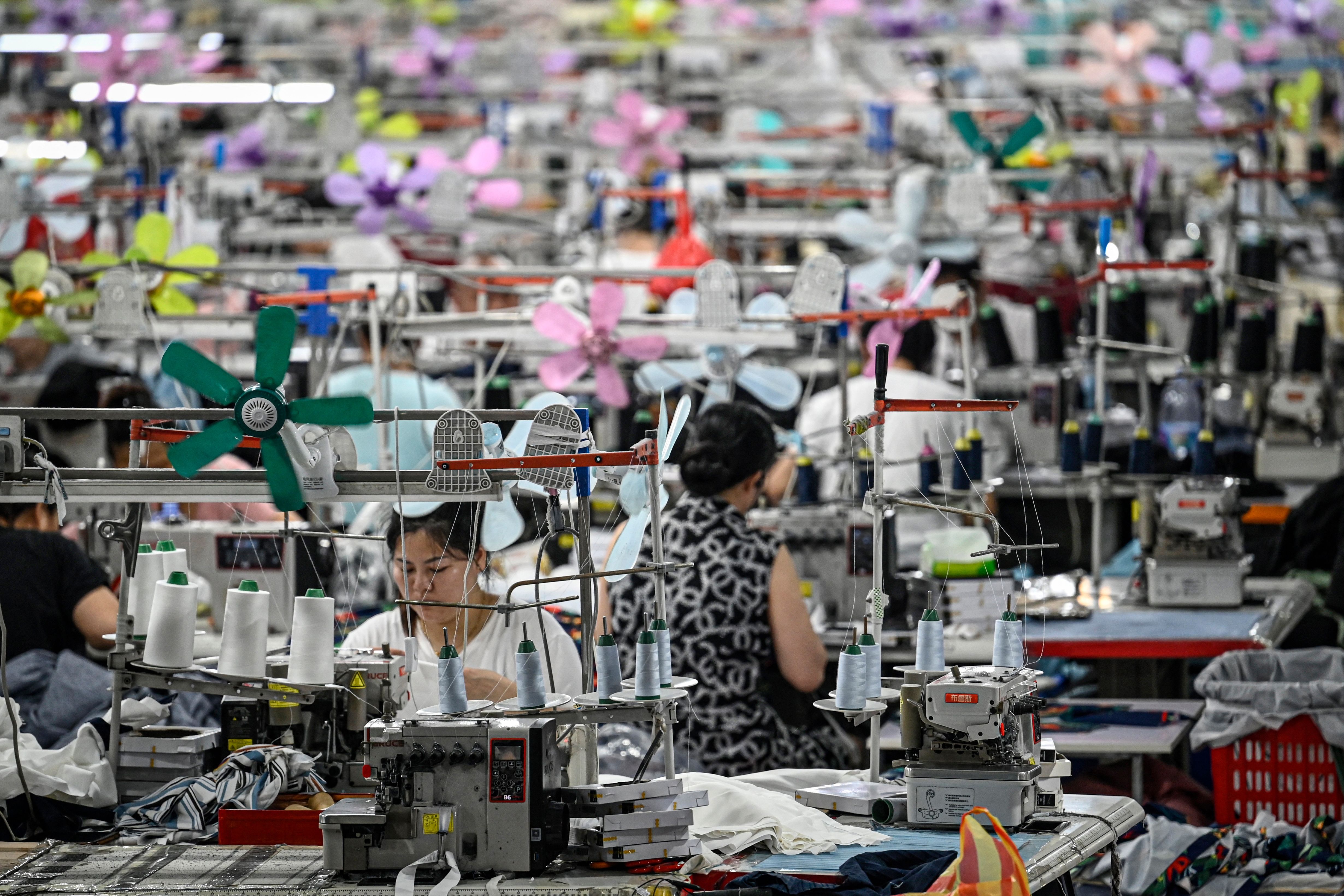
“Involution” is a new word for an old problem, and without a very different set of policies to rein it in, it is a problem that is likely to persist.
Michael Pettis