

Commentary
H. A. Hellyer
{
  "authors": [
    "H. A. Hellyer"
  ],
  "type": "legacyinthemedia",
  "centerAffiliationAll": "dc",
  "centers": [
    "Carnegie Endowment for International Peace",
    "Malcolm H. Kerr Carnegie Middle East Center"
  ],
  "collections": [],
  "englishNewsletterAll": "menaTransitions",
  "nonEnglishNewsletterAll": "",
  "primaryCenter": "Carnegie Endowment for International Peace",
  "programAffiliation": "MEP",
  "programs": [
    "Middle East"
  ],
  "projects": [],
  "regions": [
    "Western Europe"
  ],
  "topics": [
    "Political Reform",
    "Religion"
  ]
}
Source: Getty
No community wants to feel it is being engaged with because it is a “problem”—a “difficulty” that has come from “outside.” Rather, they want to be recognized as integral to the society of which they are a part, and given assistance in order to excel—not because the establishment fears them.
Source: Politico
By definition, something that’s “counterproductive” achieves the opposite result from the one that you want to achieve. As I’ve pondered European Council President Charles Michel’s call for the creation of a European institute to train imams, it’s that word — counterproductive — that has come to mind again and again.
There’s nothing untoward, intrinsically speaking, to favor the establishment and development of Muslim institutions of religious authority in Europe. That simply follows an existing pattern for Muslim communities historically and worldwide.
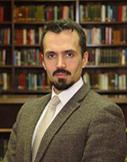
Former Nonresident Scholar, Middle East Program
Dr. H.A. Hellyer was a nonresident scholar at the Carnegie Endowment for International Peace. He serves as a senior associate fellow at the Royal United Services Institute for Defence and Security Studies in London, and as a Cambridge University fellow.
Recent Work
H. A. Hellyer
H. A. Hellyer
Carnegie does not take institutional positions on public policy issues; the views represented herein are those of the author(s) and do not necessarily reflect the views of Carnegie, its staff, or its trustees.
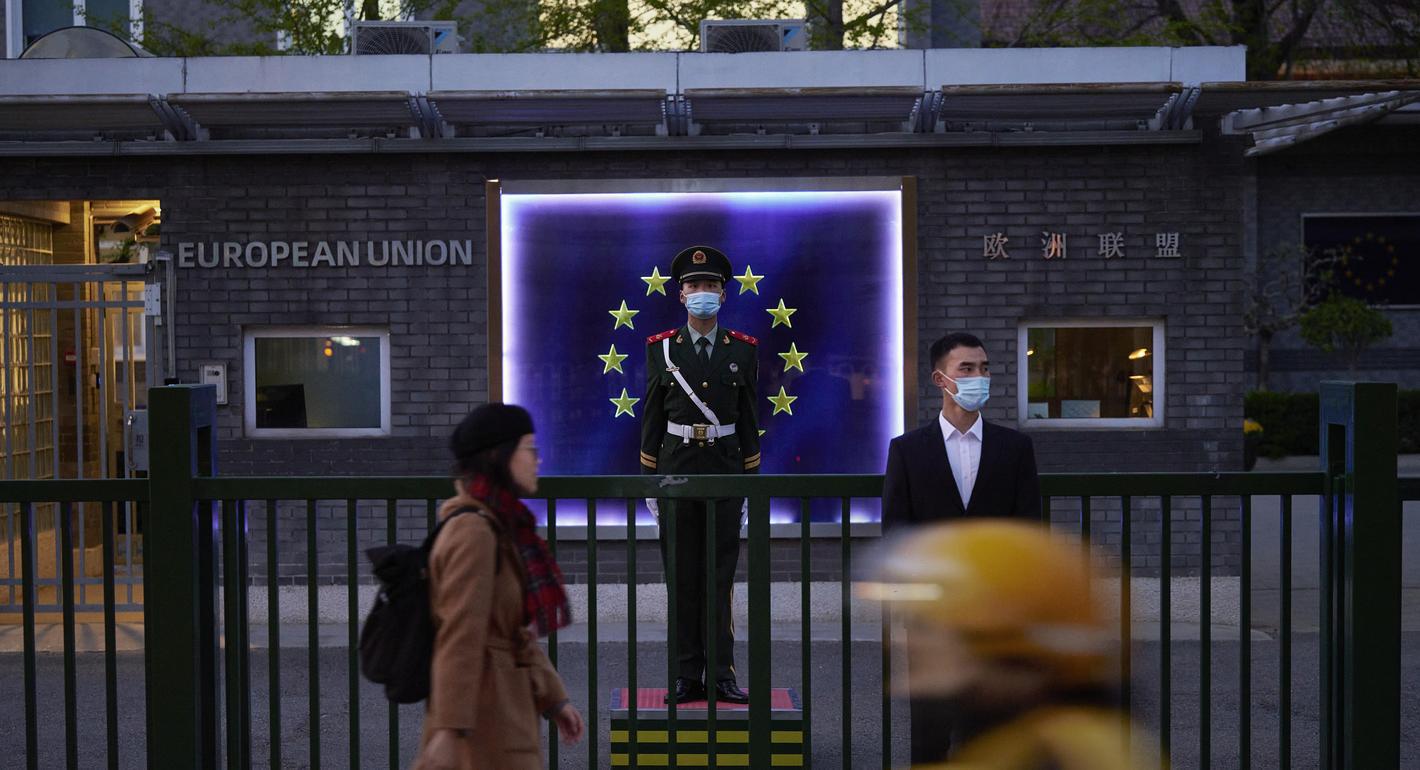
The Russian invasion of Ukraine is a turning point in the EU-China relationship, and evolution of the China-Russia relationship will continue to impact EU-China relations.
Yifan Ding, Alice Ekman

Transactional relationships are stable but can be shallow.



Paul Haenle, Maha Yahya, Benjamin Ho, …
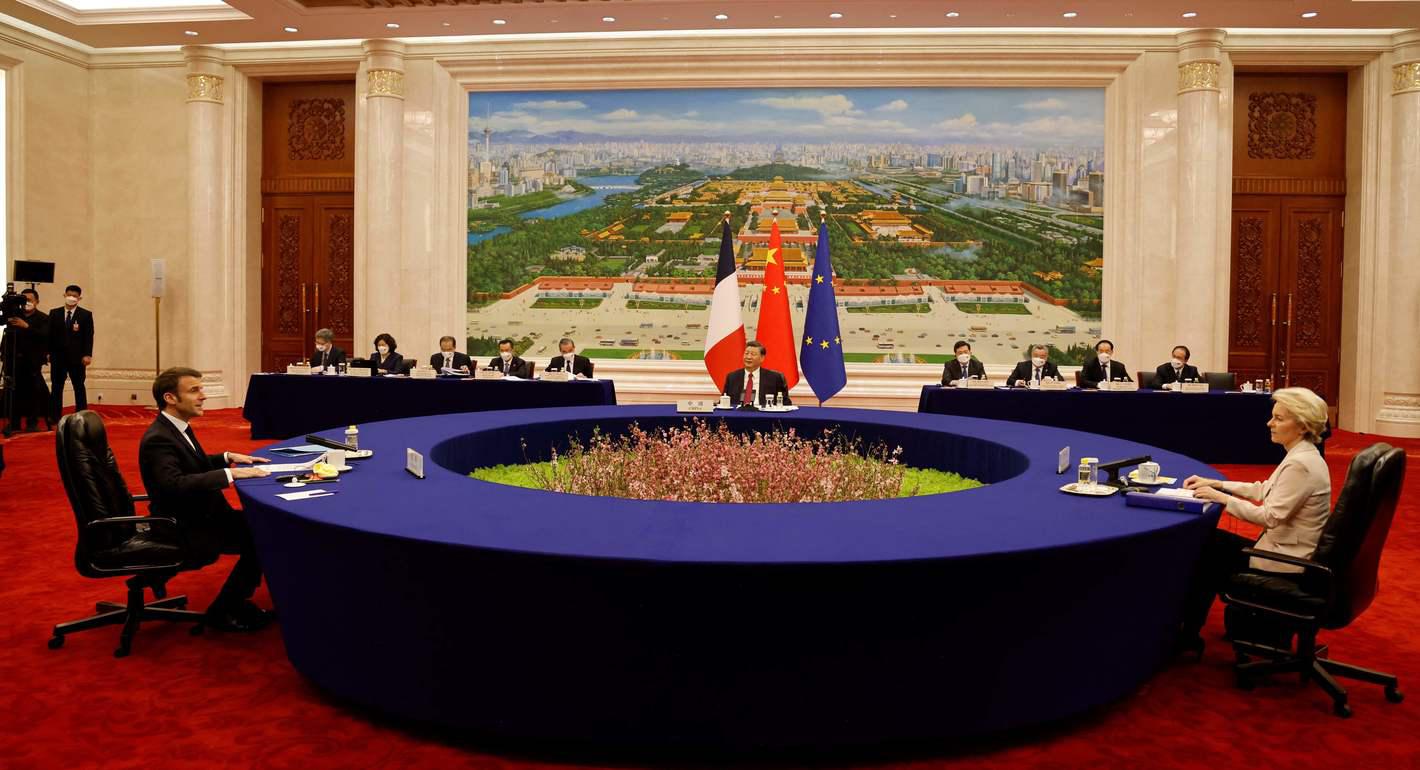
Recent visits by European officials highlight the EU’s lack of internal cohesion.

Paul Haenle, Chan Heng Chee, Liu Yawei, …
“It’s not so clear how we’re going to get out of this.”
Paul Haenle, Philippe Le Corre

It’s about managing oil prices, bread prices, and strategic partnerships.



Amr Hamzawy, Karim Sadjadpour, Aaron David Miller, …