

Commentary
“It’s not so clear how we’re going to get out of this.”
Paul Haenle, Philippe Le Corre
{
  "authors": [],
  "type": "legacyinthemedia",
  "centerAffiliationAll": "dc",
  "centers": [
    "Carnegie Endowment for International Peace",
    "Carnegie Europe"
  ],
  "collections": [],
  "englishNewsletterAll": "ctw",
  "nonEnglishNewsletterAll": "",
  "primaryCenter": "Carnegie Endowment for International Peace",
  "programAffiliation": "EP",
  "programs": [
    "Europe"
  ],
  "projects": [
    "Future of Georgia"
  ],
  "regions": [
    "Iran"
  ],
  "topics": []
}
REQUIRED IMAGE
To better understand the future of Georgia, the Caucasus Research Resource Center surveyed 1928 respondents on ethnic tolerance and identity, the role of the Georgian Orthodox Church in society, attitudes toward the recent past, and views of the West.
Carnegie does not take institutional positions on public policy issues; the views represented herein are those of the author(s) and do not necessarily reflect the views of Carnegie, its staff, or its trustees.
“It’s not so clear how we’re going to get out of this.”

Paul Haenle, Philippe Le Corre

It’s about managing oil prices, bread prices, and strategic partnerships.



Amr Hamzawy, Karim Sadjadpour, Aaron David Miller, …

With the potential of enabling not only significant economic growth but also the innovation of critical technologies in various fields, both the United States and China view 5G as one of the key influencing factors in the “great power competition.”
Lyu Jinghua
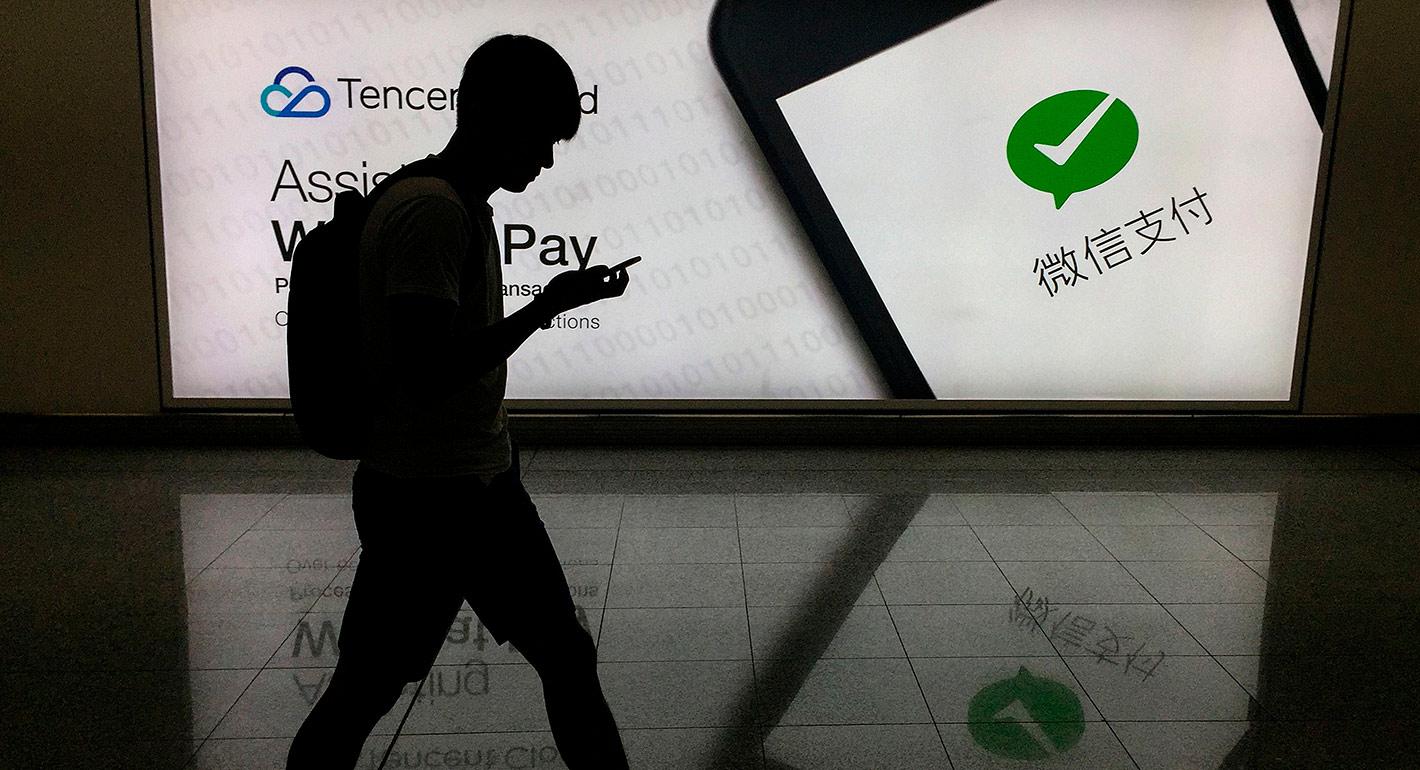
Two experts, one Chinese one American, weigh in on the TikTok and WeChat ban. This high-stakes contest reflects a wider technological decoupling that could splinter the internet
Jon Bateman, Lyu Jinghua
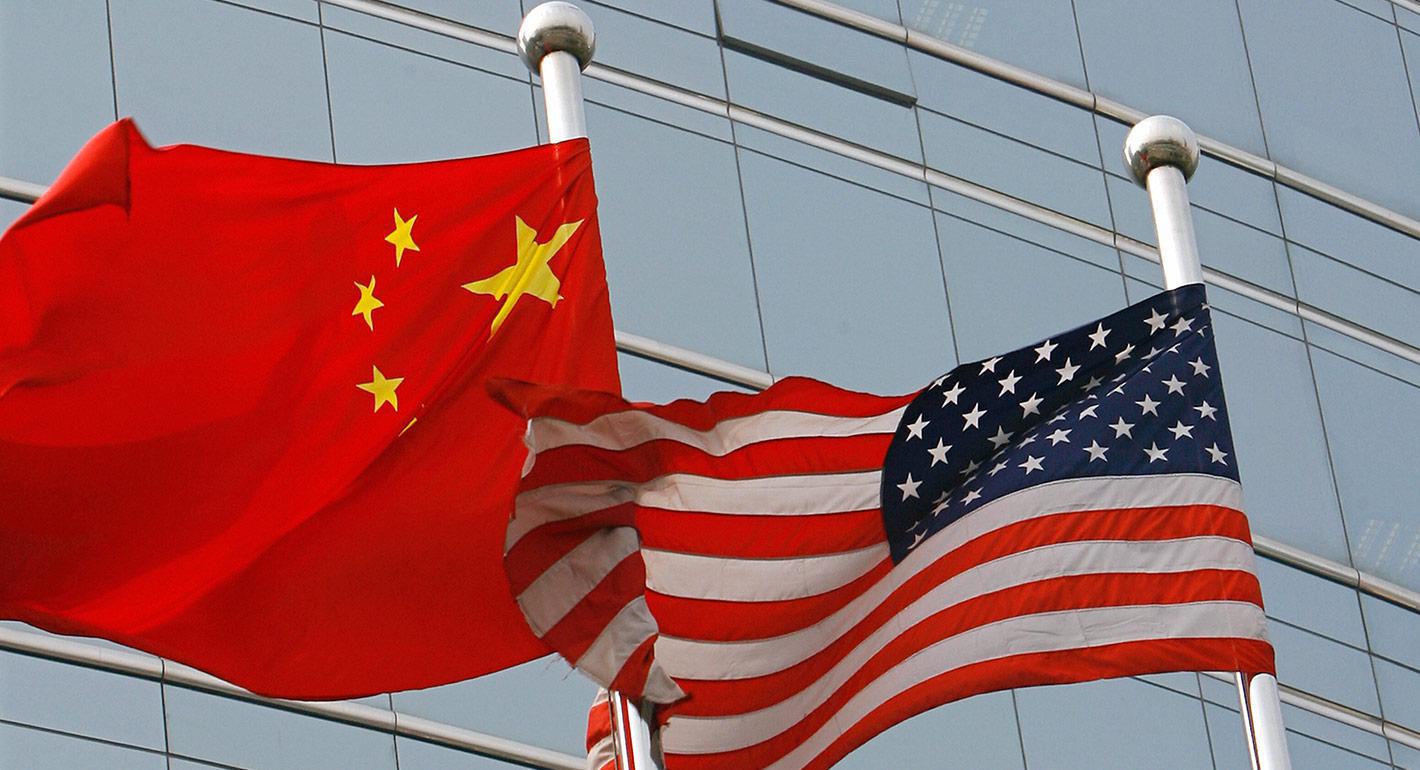
While the world hoped this pandemic might lead to more cooperation between these two great powers, American and Chinese leaders instead fell into a blame game and allowed their increasing suspicions to guide their decision-making.
Lyu Jinghua