

Article
Philip Remler
{
  "authors": [
    "Philip Remler"
  ],
  "type": "legacyinthemedia",
  "centerAffiliationAll": "dc",
  "centers": [
    "Carnegie Endowment for International Peace"
  ],
  "collections": [],
  "englishNewsletterAll": "ctw",
  "nonEnglishNewsletterAll": "",
  "primaryCenter": "Carnegie Endowment for International Peace",
  "programAffiliation": "russia",
  "programs": [
    "Russia and Eurasia"
  ],
  "projects": [],
  "regions": [
    "Eastern Europe"
  ],
  "topics": []
}
REQUIRED IMAGE
Over the past decade, the Organization for Security and Co-operation in Europe has been returning to its origins as a Cold War–era conference—a forum where states and blocs can air their frictions and hostilities. If the OSCE’s participating States want it to remain an organization, not a conference, they must take action to secure its executive autonomy.
Nonresident Scholar, Russia and Eurasia Program
Philip Remler is a nonresident scholar at the Carnegie Endowment for International Peace.
Recent Work
Philip Remler
Philip Remler
Carnegie does not take institutional positions on public policy issues; the views represented herein are those of the author(s) and do not necessarily reflect the views of Carnegie, its staff, or its trustees.
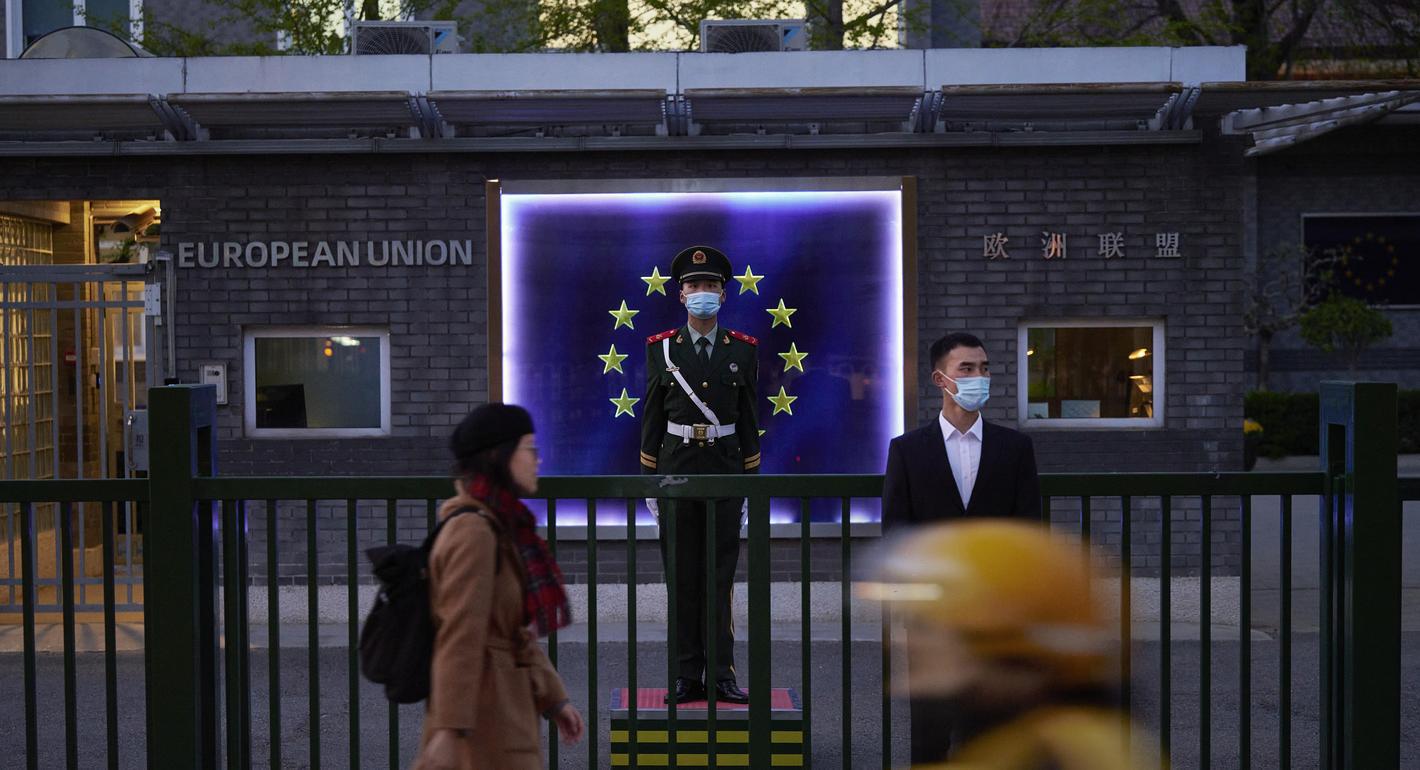
The Russian invasion of Ukraine is a turning point in the EU-China relationship, and evolution of the China-Russia relationship will continue to impact EU-China relations.


Yifan Ding, Alice Ekman
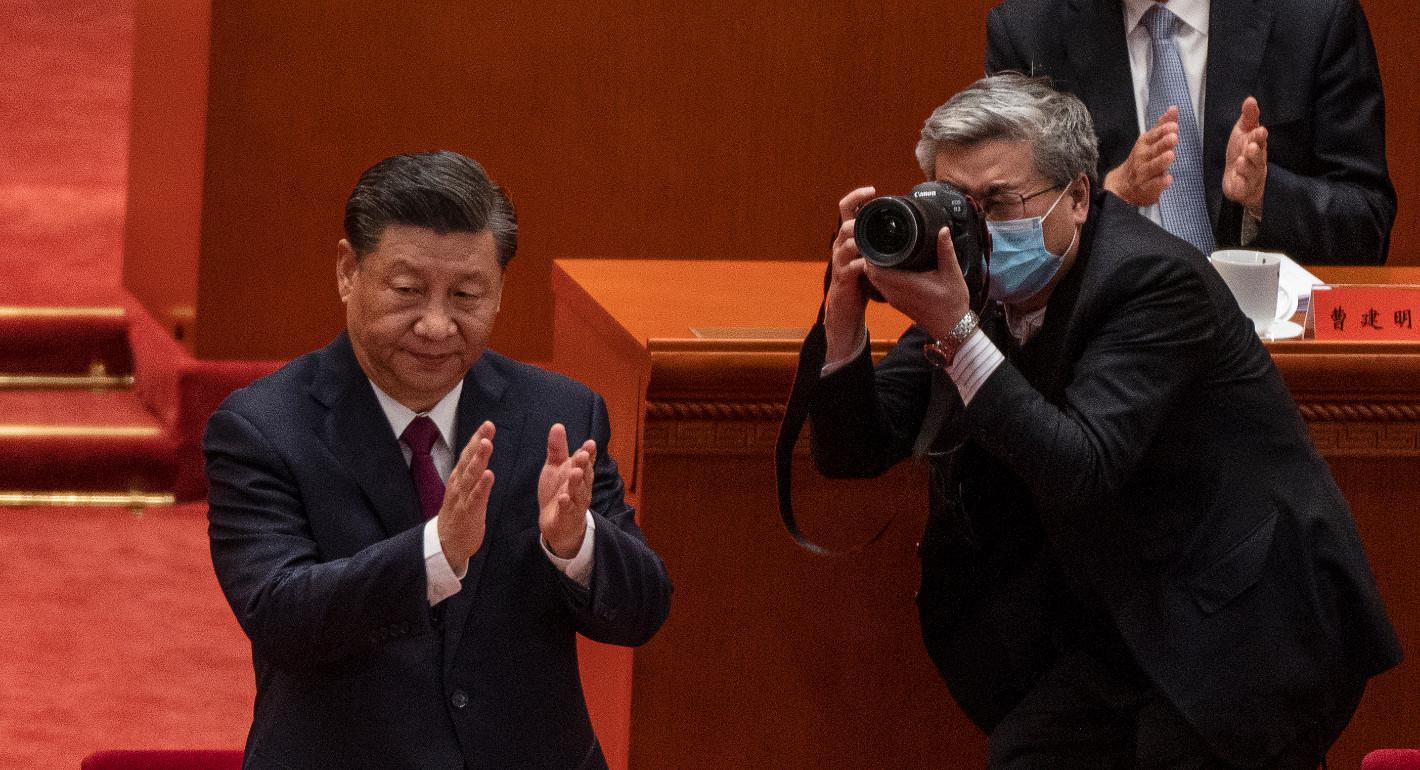
The war in Ukraine is increasing Beijing’s concern about Washington’s intentions.


Paul Haenle, Tong Zhao

It’s about managing oil prices, bread prices, and strategic partnerships.



Amr Hamzawy, Karim Sadjadpour, Aaron David Miller, …
Concerns about China’s mercantilist trade and investment policies have been at the forefront of growing frictions between China, the EU and the United States, but the Belt and Road Initiative has also highlighted worries about the lending of billions of dollars for infrastructure projects by its “policy banks”.

Matt Ferchen
The internationalization of China, and of its companies in particular, is one of the most important phenomena of the beginning of the twenty-first century.
Philippe Le Corre