
ASEAN needs to determine how to balance perpetuating the benefits of technology cooperation with China while mitigating the risks of getting caught in the crosshairs of U.S.-China gamesmanship.
Elina Noor
{
"authors": [
"Mariano-Florentino (Tino) Cuéllar",
"Aziz Z. Huq"
],
"type": "other",
"centerAffiliationAll": "",
"centers": [
"Carnegie Endowment for International Peace"
],
"collections": [
"Artificial Intelligence"
],
"englishNewsletterAll": "",
"nonEnglishNewsletterAll": "",
"primaryCenter": "Carnegie Endowment for International Peace",
"programAffiliation": "",
"programs": [],
"projects": [],
"regions": [],
"topics": [
"Technology"
]
}REQUIRED IMAGE
In democracies, conflicts about AI regulation will transcend technical disagreements; they will also provoke value-laden disagreements about how society regulates values and practices that may initially seem to implicate “private” decisions about speech or association that obviously shape what people value.
President, Carnegie Endowment for International Peace
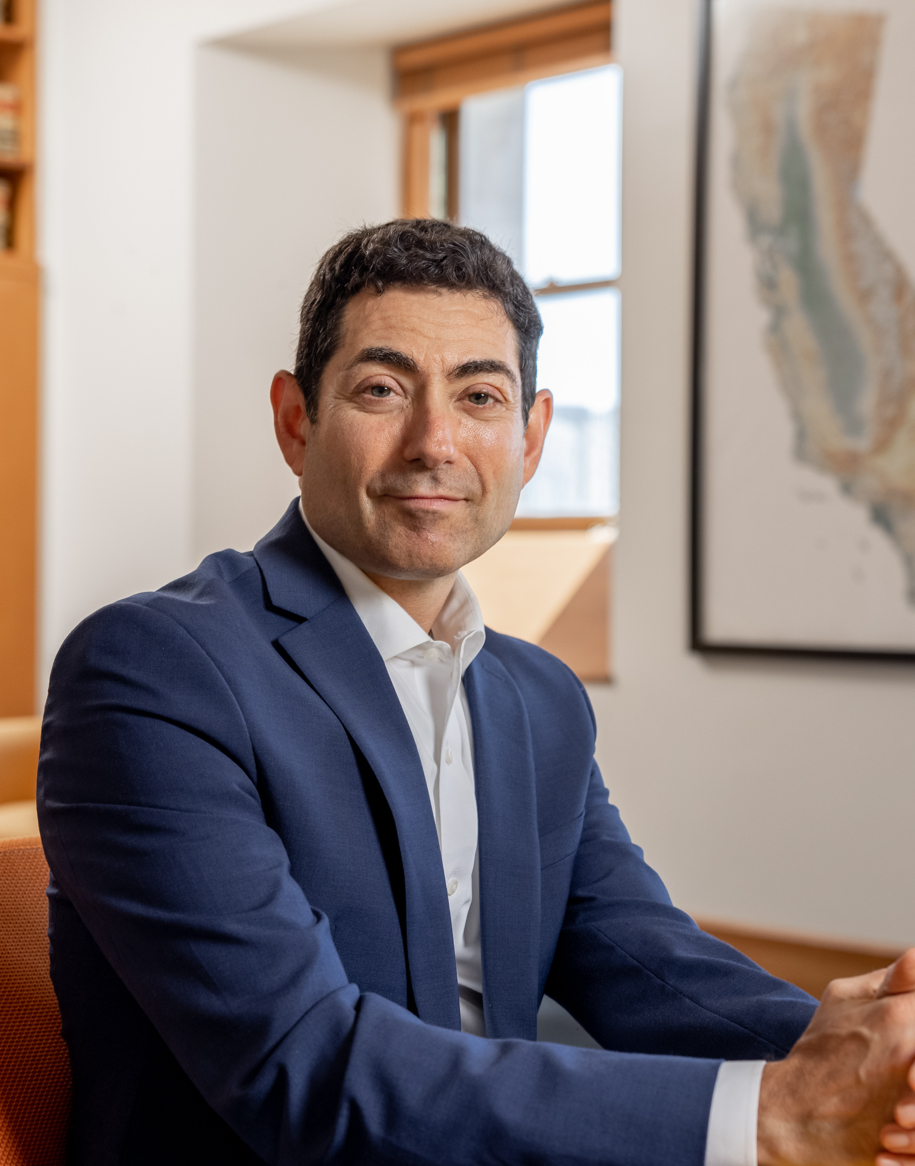
Mariano-Florentino (Tino) Cuéllar is the tenth president of the Carnegie Endowment for International Peace. A former justice of the Supreme Court of California, he has served three U.S. presidential administrations at the White House and in federal agencies, and was the Stanley Morrison Professor at Stanford University, where he held appointments in law, political science, and international affairs and led the university’s Freeman Spogli Institute for International Studies.
Aziz Z. Huq
Carnegie does not take institutional positions on public policy issues; the views represented herein are those of the author(s) and do not necessarily reflect the views of Carnegie, its staff, or its trustees.
ASEAN needs to determine how to balance perpetuating the benefits of technology cooperation with China while mitigating the risks of getting caught in the crosshairs of U.S.-China gamesmanship.
Elina Noor
As tech competition moves into the biotech sector, China is increasingly shifting its focus to nearby regions to alleviate U.S.-induced supply chain pressures. As part of this transition, Southeast Asia has emerged as a favored destination.
Xue Gong
Ignoring the problems of its historical precedents won’t make China’s success any more likely.
Michael Pettis
Beijing’s reaction to Washington’s proposed ban on TikTok could manifest in three distinct scenarios.
Xing Jiaying, Li Mingjiang
The government extends the uncertainty with its two new taxes and digital rupee.
Anirudh Burman, Priyadarshini D.