

Research
- +10
Rosa Balfour, Frances Z. Brown, Yasmine Farouk, …

Weakened public institutions, military reform, and public opinion in the face of rapid change have opened the door for corruption, inequitable distribution of burdens, and political instability in South America. Countries in the region are facing painful and sometimes dangerous reform.
Source: Washington

“This book is a timely and relevant contribution for rethinking both the content and the process of future reform attempts.”
—Miriam Kornblith, Universidad Central de Venezuela
“The story is well-told and the lessons valuable for those interested in under-standing, as well as making, economic policy."
—Robert Grosse, University of Miami

Distinguished Fellow
Moisés Naím is a distinguished fellow at the Carnegie Endowment for International Peace, a best-selling author, and an internationally syndicated columnist.
Recent Work



Rosa Balfour, Frances Z. Brown, Yasmine Farouk, …
Moisés Naím
Carnegie does not take institutional positions on public policy issues; the views represented herein are those of the author(s) and do not necessarily reflect the views of Carnegie, its staff, or its trustees.

Regulation, not embargo, allows Beijing to shape how other countries and firms adapt to its terms.
Alvin Camba
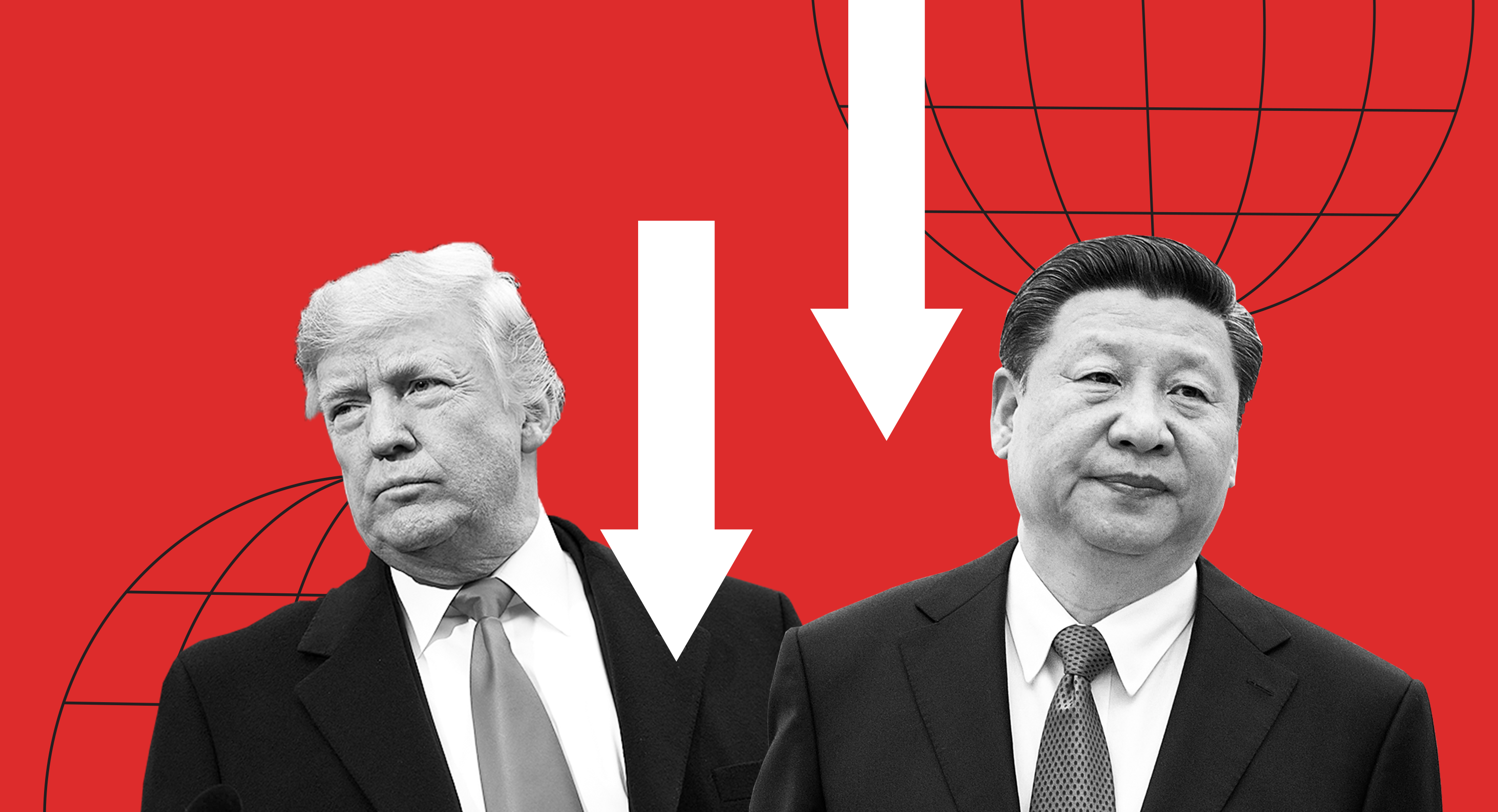
Beijing believes that Washington is overestimating its own leverage and its ability to handle the trade war’s impacts.


Rick Waters, Sheena Chestnut Greitens
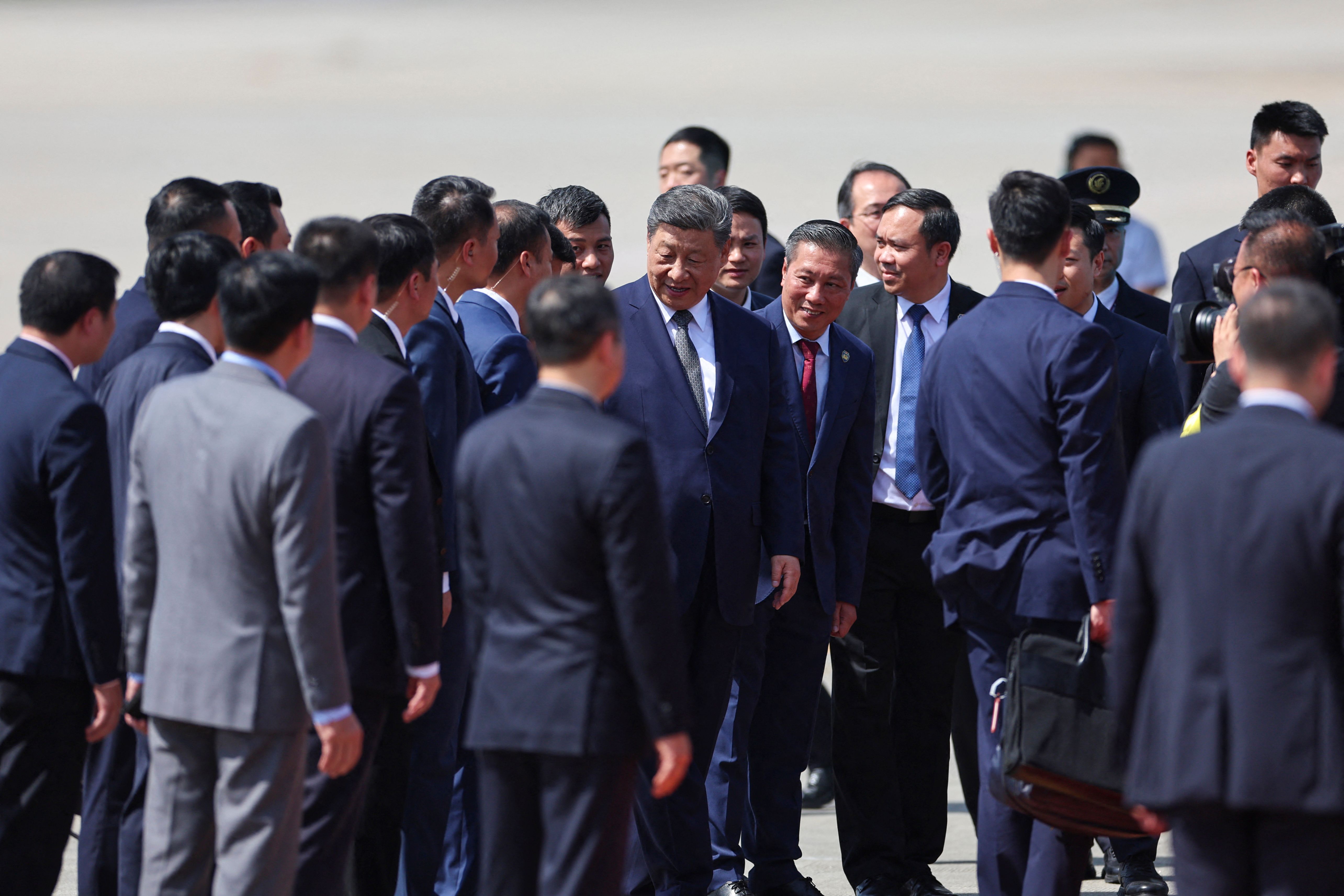
Tapping our network of China experts in the region, Carnegie China offers this latest “China Through a Southeast Asian Lens” report to offer preliminary assessments of whether the U.S. effort to reshape the global trading order will lead countries in the region to tilt toward Beijing.


Selina Ho, Khin Khin Kyaw Kyee, Joseph Ching Velasco, …
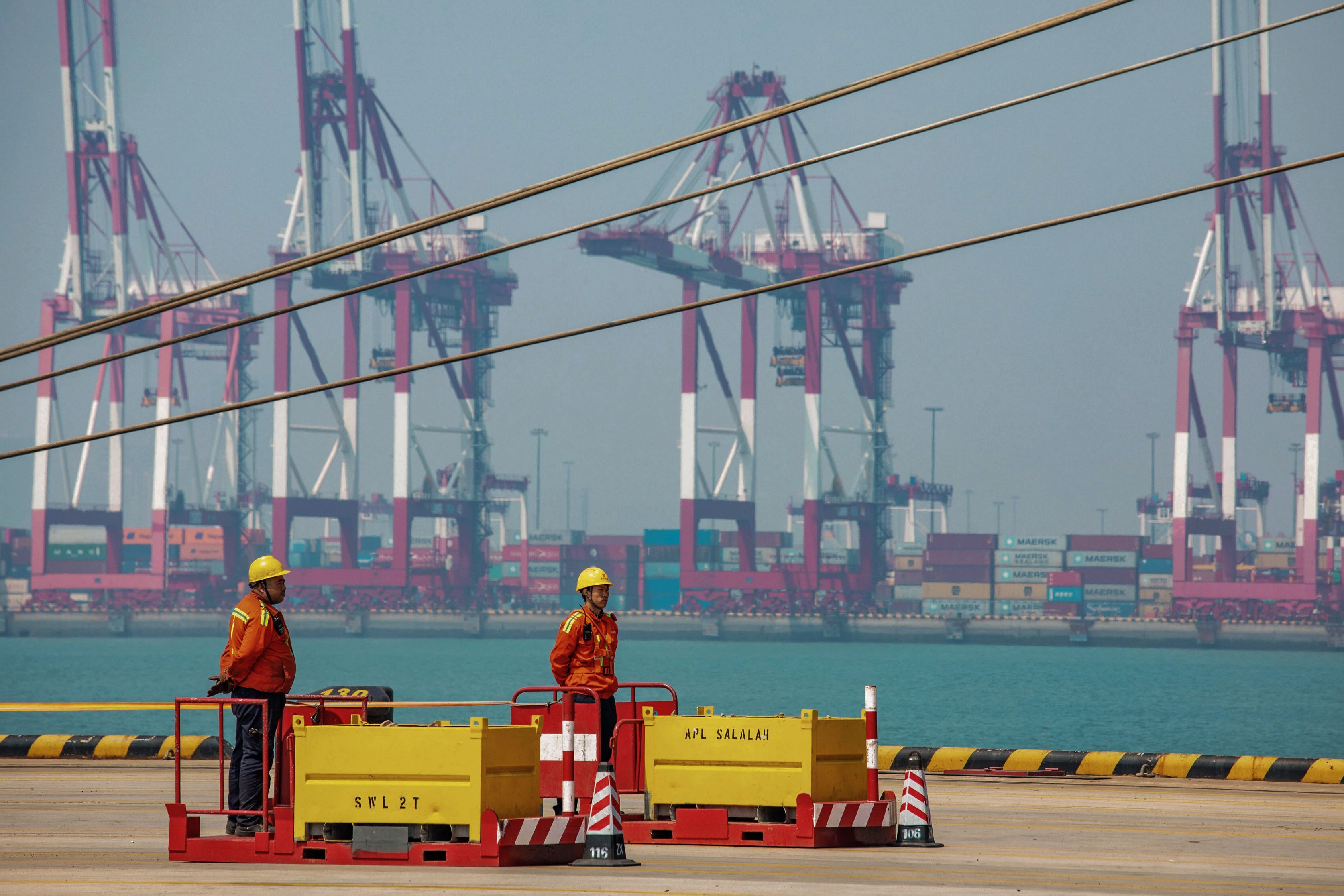
In order to keep production growing, China must either increase investment, and with it its debt burden, or increase its trade surplus.

Michael Pettis
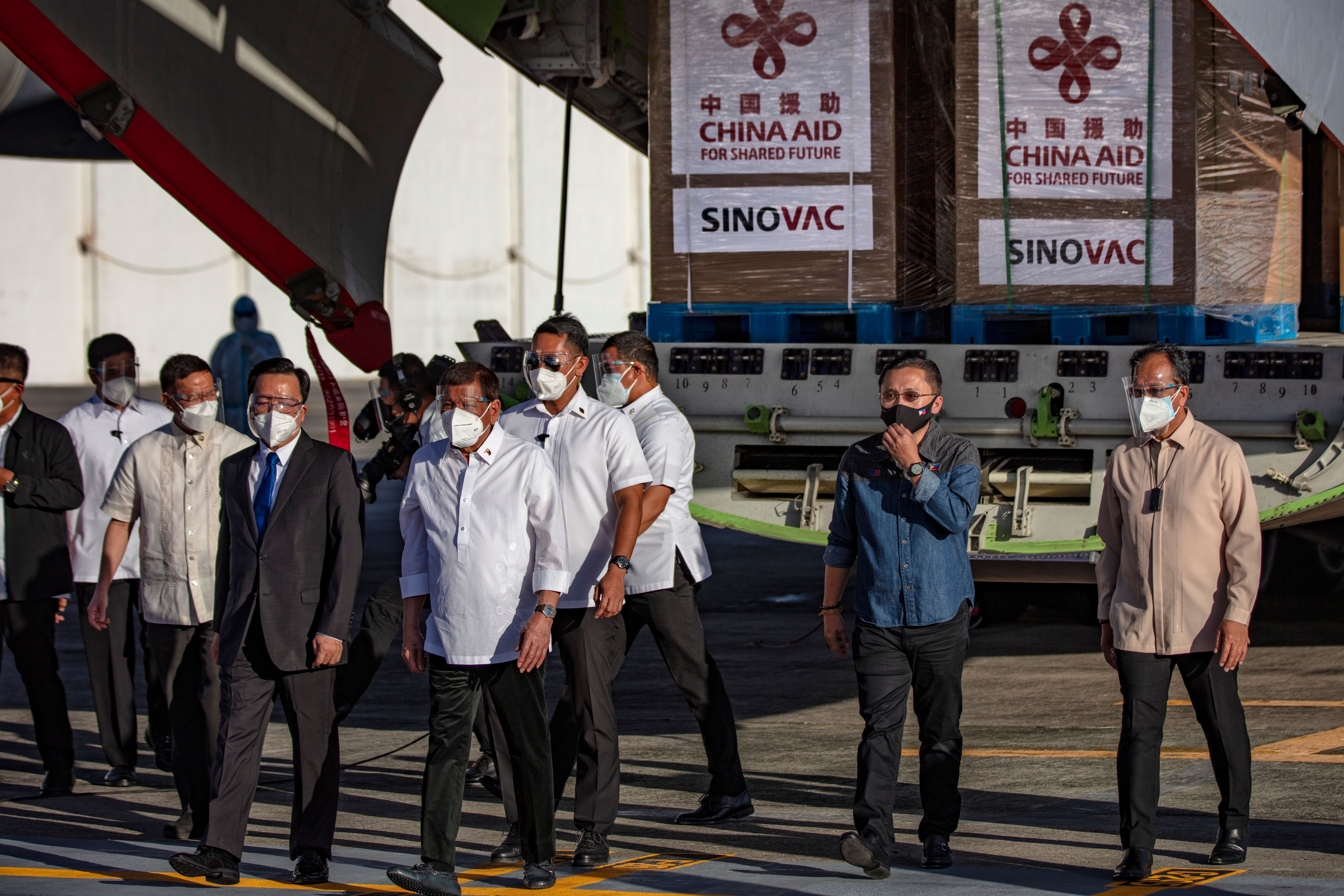
As tech competition moves into the biotech sector, China is increasingly shifting its focus to nearby regions to alleviate U.S.-induced supply chain pressures. As part of this transition, Southeast Asia has emerged as a favored destination.

Xue Gong