

Article
China has showcased its engineering prowess with small modular reactor demonstration projects. But turning these technological achievements into commercial success will be a greater challenge.
Tong Zhao

REQUIRED IMAGE
Amidst the debris left by the final days of the 105th Congress may be our best chance to stabilize a dangerous situation on the Korean Peninsula. Congress is balking at providing $35 million for the shipment of fuel oil to North Korea in exchange for the shipment of plutonium out of that country.
Source: Carnegie
Amidst the debris left by the final days of the 105th Congress may be our best chance to stabilize a dangerous situation on the Korean Peninsula. Congress is balking at providing $35 million for the shipment of fuel oil to North Korea in exchange for the shipment of plutonium out of that country. Oil for plutonium should be a good deal in anyone’s book, but this trade has gotten wrapped up in ideological disputes that have blurred the national security interests served by the agreement.
Chairman of the Joint Chiefs of Staff Henry Shelton is perfectly clear on the benefits of the Agreed Framework, as the deal is known. He told the Senate Armed Services Committee on October 6: "We’ve accomplished three main things… We’ve stopped the reprocessing, we’ve got the canned fuel rods, and we’ve got the inspectors there at the time so that we can monitor that site."
Secretary of Defense William Cohen is equally certain: "Without the Agreed Framework, …North Korea would now be in possession of a number of nuclear weapons…If we fail to provide the money necessary to complete our obligation…if they point to that as a breach of the Agreed Framework, in a matter of a few weeks, they can be back in the business of producing plutonium."
Background to the 1994 Agreed Framework
North Korea became a member state of the Nuclear Non-Proliferation Treaty in 1985, but its nuclear ambitions and its threat to withdraw from the regime precipitated a proliferation crisis in 1993. To avoid a costly military confrontation, the Clinton Administration embarked on a diplomatic initiative that came to be known as the Agreed Framework.
Under the Framework, North Korea agreed to freeze its nuclear program (notably the reprocessing efforts at Yongbyon and the construction of both a 50 MWe and 200 MWe graphite reactor) and to ship its remaining spent fuel out of the country, all under IAEA supervision. In exchange, the United States pledged to lead an international coalition to provide two proliferation-resistant light water reactors and to supply 500,000 tons of heavy fuel oil each year for North Korea’s interim energy needs.
The Agreed Framework has been successful at its most important purpose – freezing the known North Korean nuclear program. According to the IAEA and U.S. intelligence community, North Korea has halted the reprocessing of spent fuel and all reactor construction. While North Korea probably maintains enough hidden plutonium for the construction of one to two nuclear devices, the alternative would be far worse: renewed reprocessing and the construction of reactors with the potential to provide enough material for 10-12 devices per year.
_________________________________
Without the Agreed Framework, North Korea would now be in the possession of several nuclear weapons.
_________________________________
The U.S. has also succeeded in garnering international support for the project. South Korea has agreed to pay 70% of the estimated $4.6 billion cost of the new reactors, with Japan contributing an additional $1 billion. A Korean Energy Development Organization (KEDO) cost-sharing meeting this July reportedly resolved questions about the remaining $380 million. Contrary to many who believe that the United States has shouldered the lion’s share of the burden, the U.S. has only spent approximately $134 million thus far, a paltry sum in comparison.
Funding Woes
Adequate funding has been a constant problem for the U.S. commitment to the Agreed Framework. Prior funding dramas, however, do not compare to the Framework’s current dire straits. Two versions of funding legislation are currently competing in legislative conference, each equally troubling for the survival of a U.S. commitment to the project.
The House legislation simply fails to fund U.S. obligations. The Senate version is more complicated. The Senate approved the Administration’s request, but with strings attached. Amendments to the legislation require the President to certify that North Korea is not providing ballistic missiles or related technology to countries that sponsor terrorism and that it is not pursuing any nuclear capability outside of the light-water reactors provided by the Agreed Framework.
The latter condition, clearly targeted at press reports describing a U.S. intelligence discovery of a massive underground construction site, could be met if negotiations currently aimed at gaining access to the site continue. According to the United States chief negotiator, Ambassador Charles Kartman, North Korean officials have been warned that access to the site will be required for the verification of their compliance with the Agreed Framework. Were the United States to abandon the Agreed Framework, however, the true nature of this site could remain a mystery.
The missile export certification, a response to the August 31 test launch of the Taepo Dong I ballistic missile, will prove much more difficult, if not impossible. While a concerted attempt to rein in North Korea’s missile exports is necessary, the Agreed Framework has never had anything to do with missiles. To load that onto the deal would only complicate matters – the United States will lose the assurance that North Korea’s nuclear weapons program has been frozen, and will lose a window of opportunity to press its demands in other areas of concern.
Narrow the Agenda
The Agreed Framework has become the target every time a dispute arises with North Korea. The concerns are legitimate, but the process is detrimental to US security interests. A new report from a high-level Task Force of the Council on Foreign Relations concludes, "The Agreed Framework is a necessary-but-not-sufficient component of a policy designed to enhance stability on the peninsula….Although the Agreed Framework does not, in itself, address the larger threat represented by North Korean terrorism, missiles, conventional weapons, and weapons of mass destruction (WMD), we recognize that these issues will be more difficult to address if we unilaterally dismantle the Agreed Framework and attempt to start over from square one." The agreement is troubled but should not be scuttled unless the Congress has an alternative framework to erect in its place.

Former Senior Associate, Director for NonProliferation

Former Nonresident Scholar, Nuclear Policy Program
Jon Wolfsthal was a nonresident scholar with the Nuclear Policy Program.
Carnegie does not take institutional positions on public policy issues; the views represented herein are those of the author(s) and do not necessarily reflect the views of Carnegie, its staff, or its trustees.

China has showcased its engineering prowess with small modular reactor demonstration projects. But turning these technological achievements into commercial success will be a greater challenge.

Tong Zhao
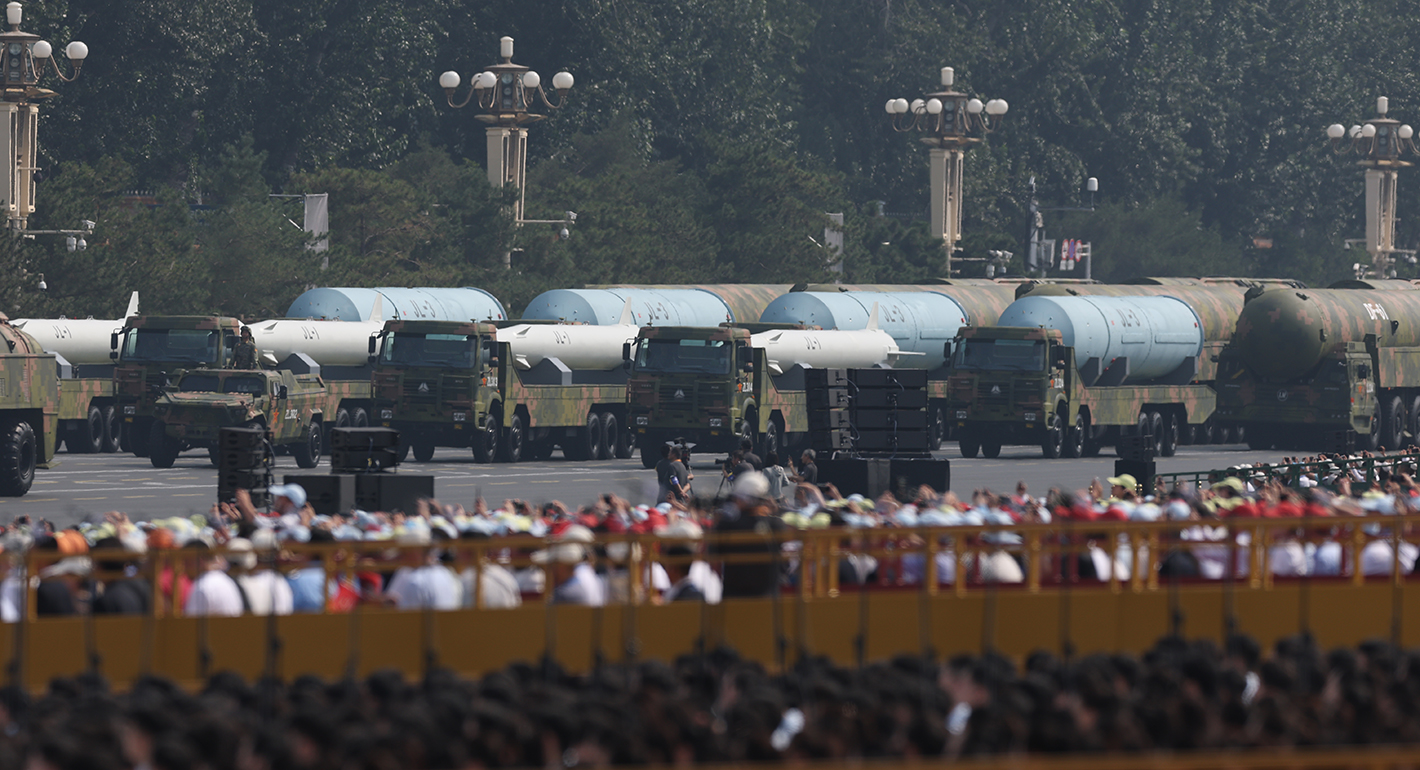
The nuclear relationship between China and the United States is increasingly shaped by widening perception gaps rather than deliberate strategic design.
Tong Zhao
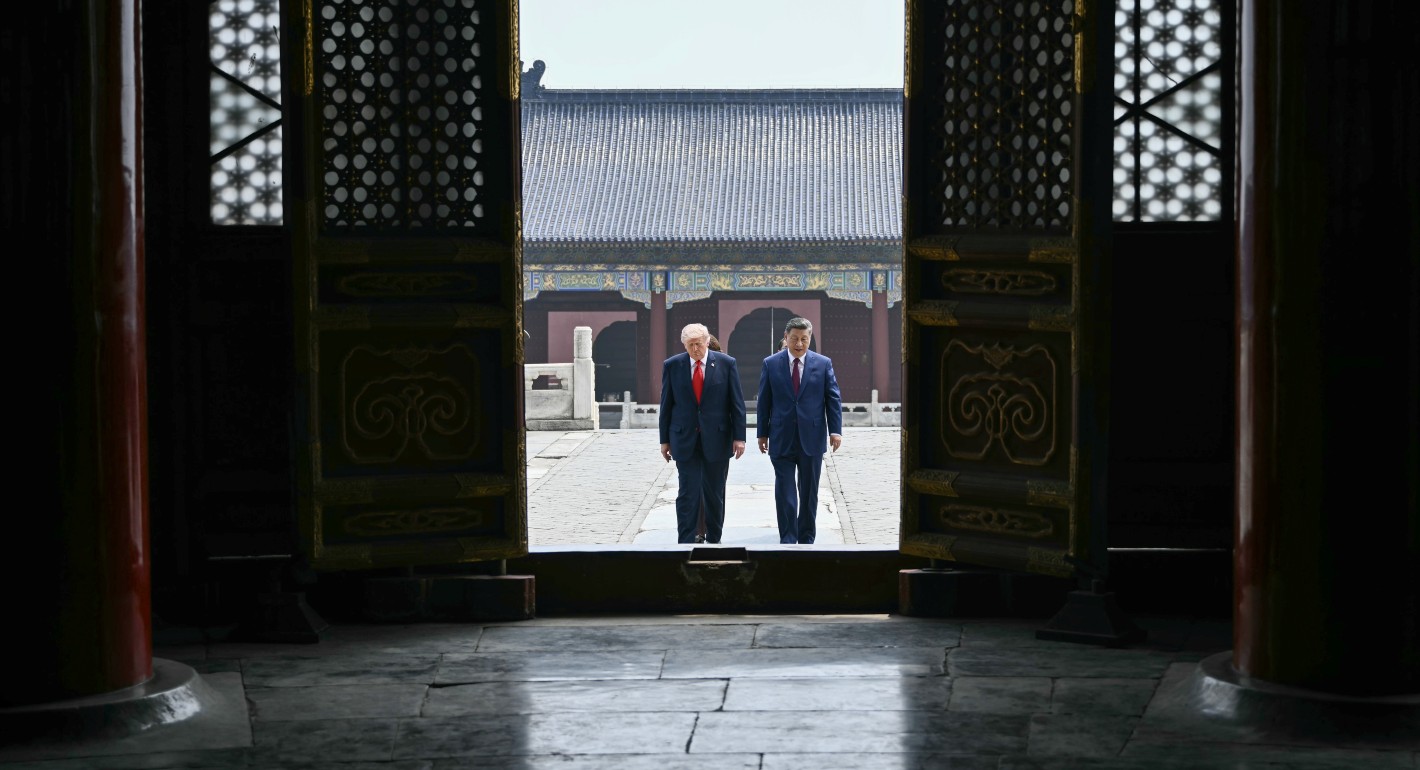
But their "principal to principal" model will only be as effective as the political strength of each leader back home.

Damien Ma
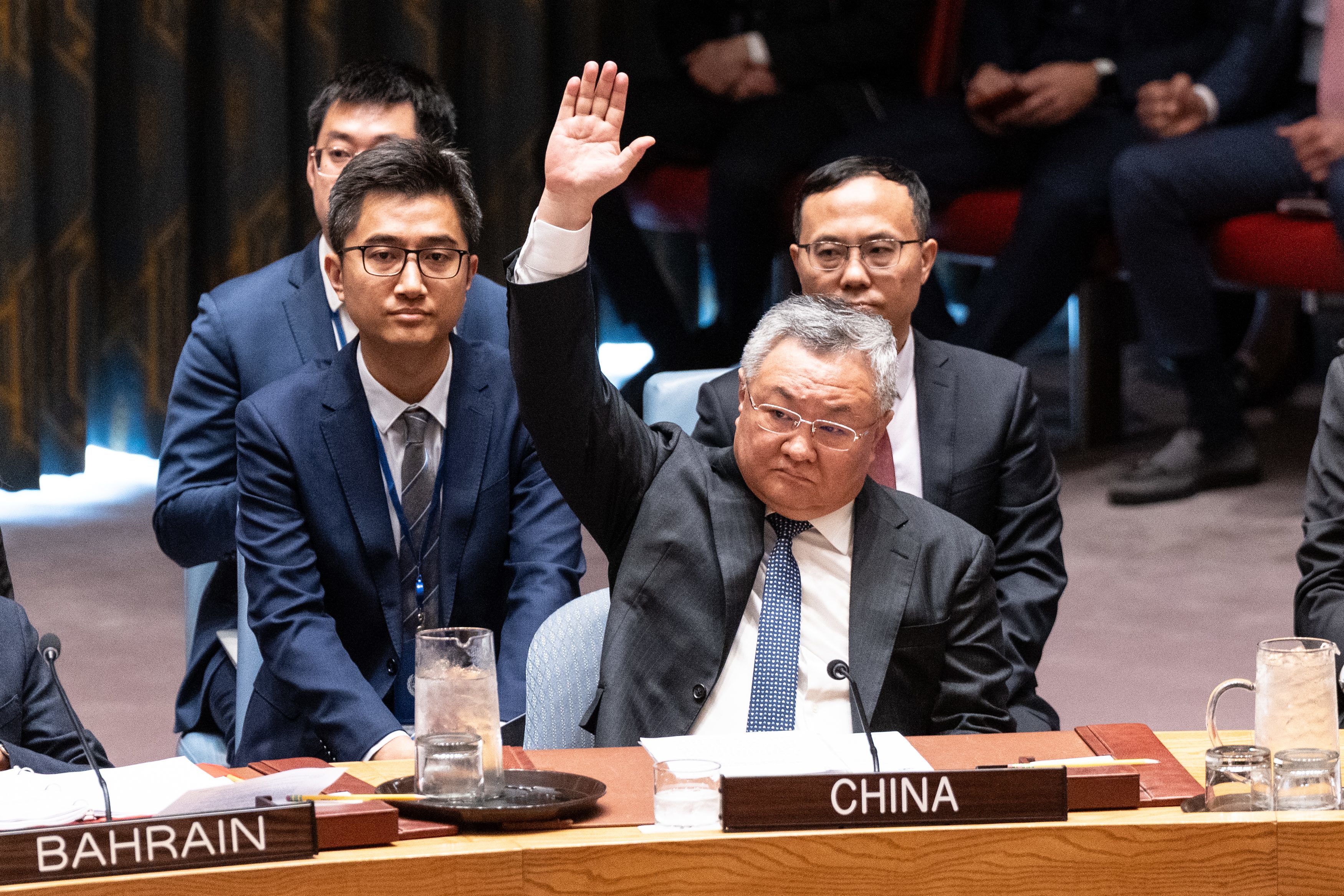
U.S. unpredictability has allowed China to capitalize on its positioning as the “responsible great power”. Paradoxically, the more China wins the perception game, the more likely expectations will rise for Beijing to deliver not just words but to demonstrate with its deeds.

Chong Ja Ian
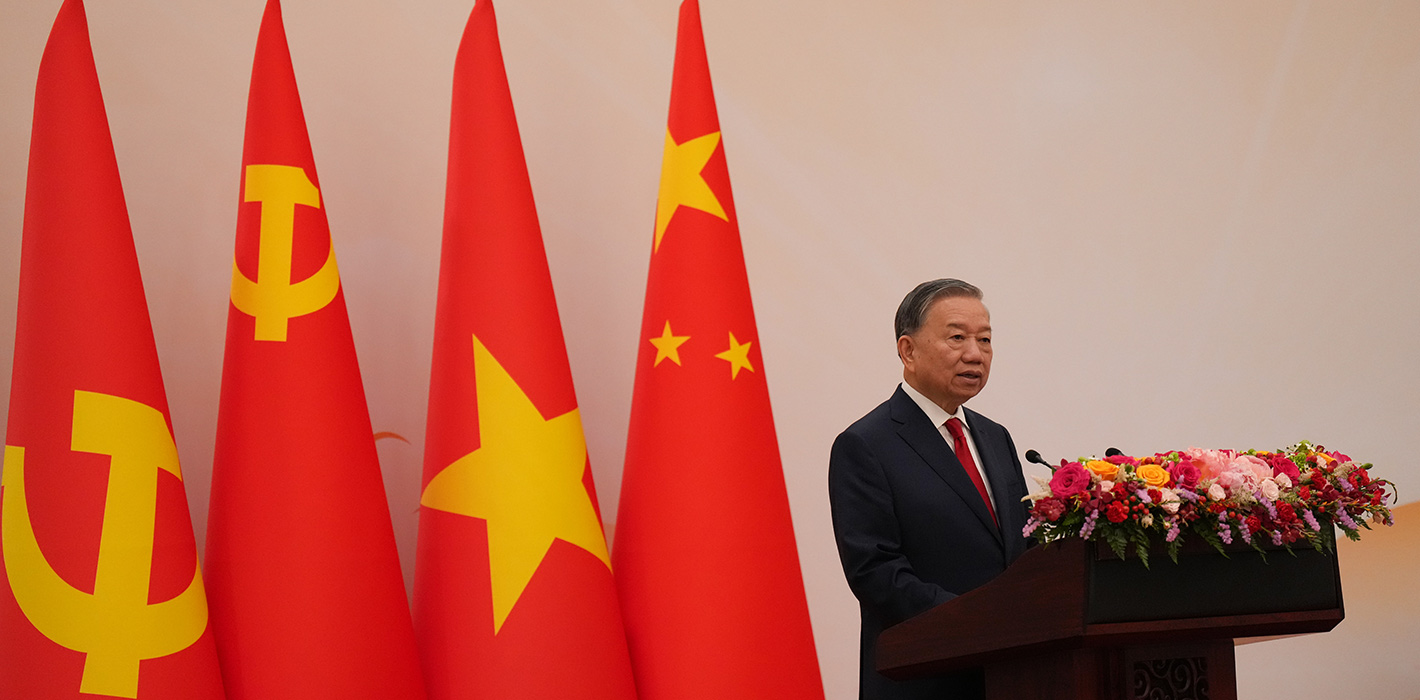
Hanoi and Beijing have long treated each other as distant cousins rather than comrades in arms. That might be changing as both sides draw closer to hedge against uncertainty and America’s erratic behavior.

Nguyễn Khắc Giang