

Other
Ann M. Florini, Mr. John Audley

The book's six case studies investigate the role of transnational civil society in the global anti-corruption movement, nuclear arms control, dam-building and sustainability, democracy movements, landmines, and human rights.
Source: Washington

“An excellent, comprehensive, and timely analysis of a phenomenon that could redraw the contours of global governance in inspiring and challenging ways in the twenty-first century.”
—Kumi Naidoo, Secretary General and CEO of CIVICUS: World Alliance for Citizen Participation
“Provides an excellent overview to the issues and trends in the rise of transnational civil society. Policy makers, students, and academics will appreciate the lively prose, diverse and well-documented case studies, lucid conclusions, and useful annotated bibliography.”
—Kathryn Sikkink, University of Minnesota
Former Senior Associate
Recent Work
Ann M. Florini, Mr. John Audley
Ann M. Florini, Yahya A. Dehqanzada
Carnegie does not take institutional positions on public policy issues; the views represented herein are those of the author(s) and do not necessarily reflect the views of Carnegie, its staff, or its trustees.
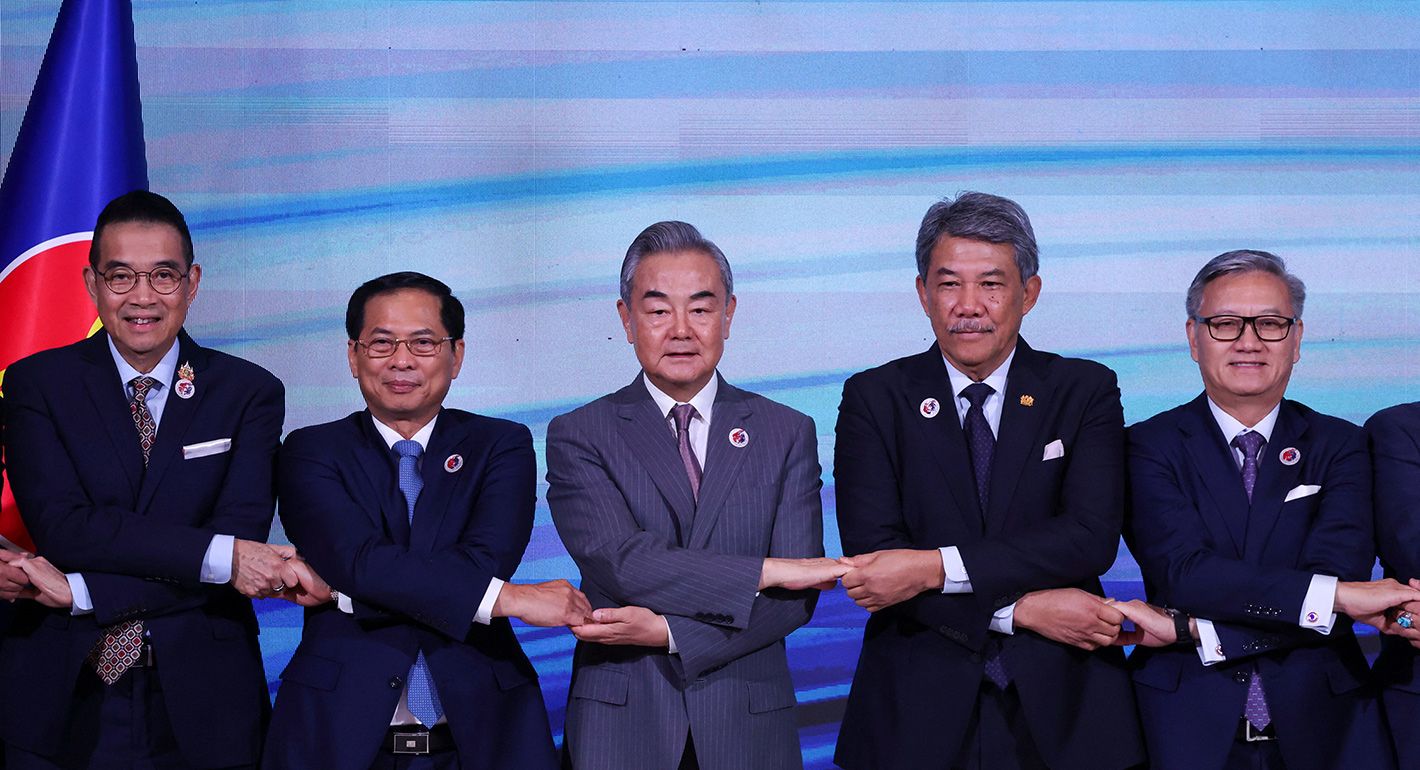
The Thai-Cambodian conflict highlights the limits to China's peacemaker ambition and the significance of this role on Southeast Asia’s balance of power.

Pongphisoot (Paul) Busbarat
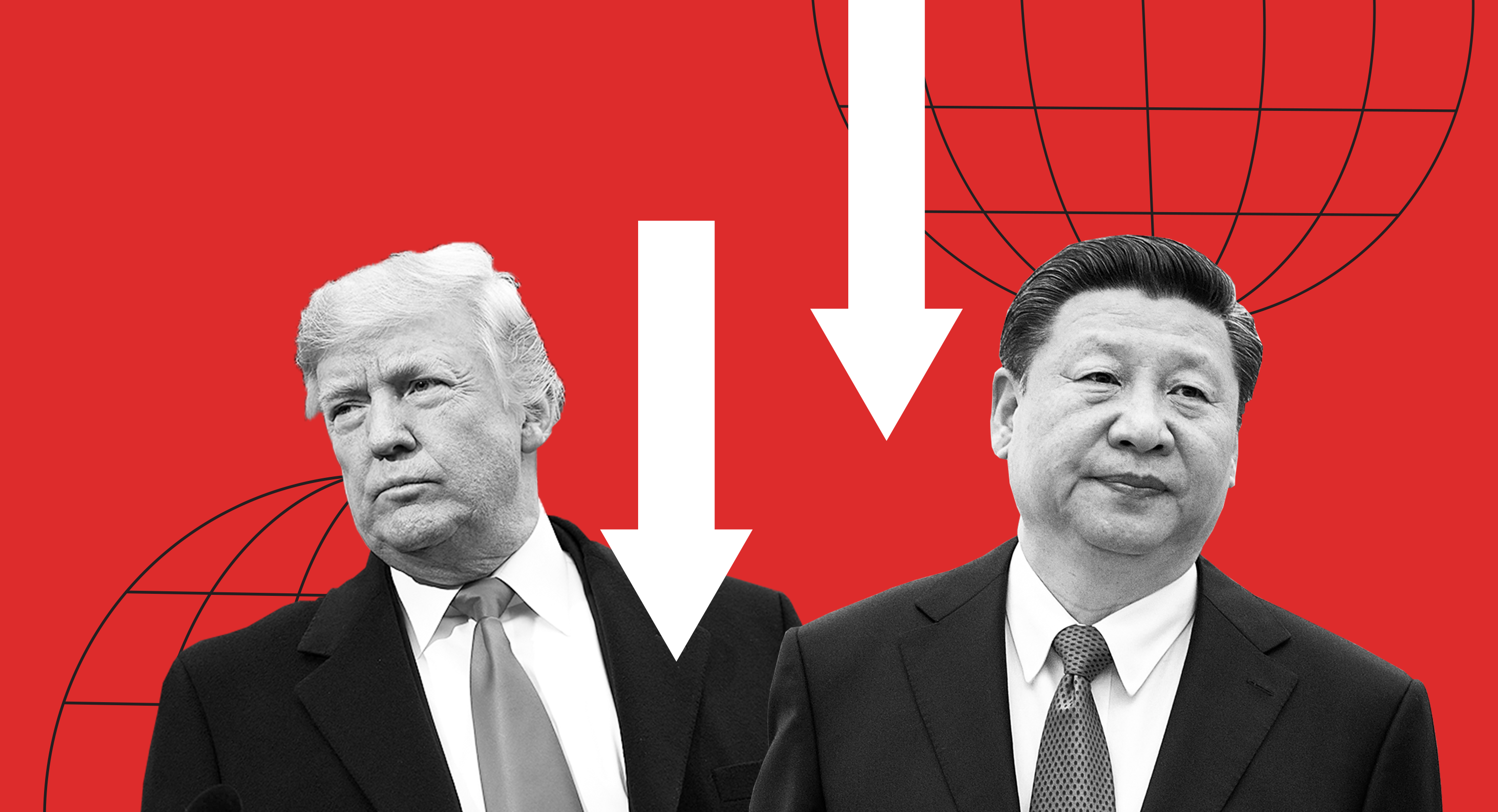
Beijing believes that Washington is overestimating its own leverage and its ability to handle the trade war’s impacts.


Rick Waters, Sheena Chestnut Greitens
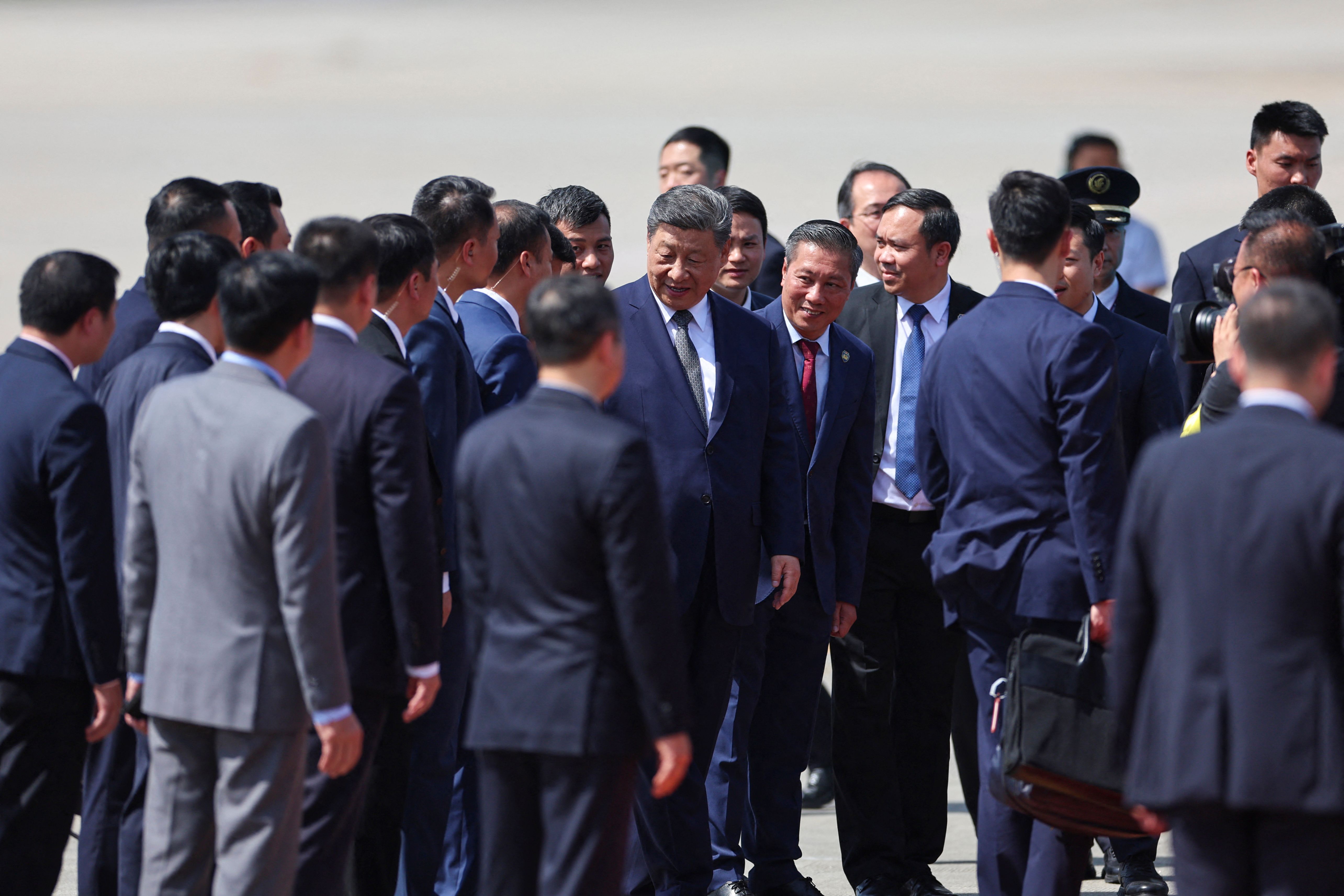
Tapping our network of China experts in the region, Carnegie China offers this latest “China Through a Southeast Asian Lens” report to offer preliminary assessments of whether the U.S. effort to reshape the global trading order will lead countries in the region to tilt toward Beijing.



Selina Ho, Khin Khin Kyaw Kyee, Joseph Ching Velasco, …
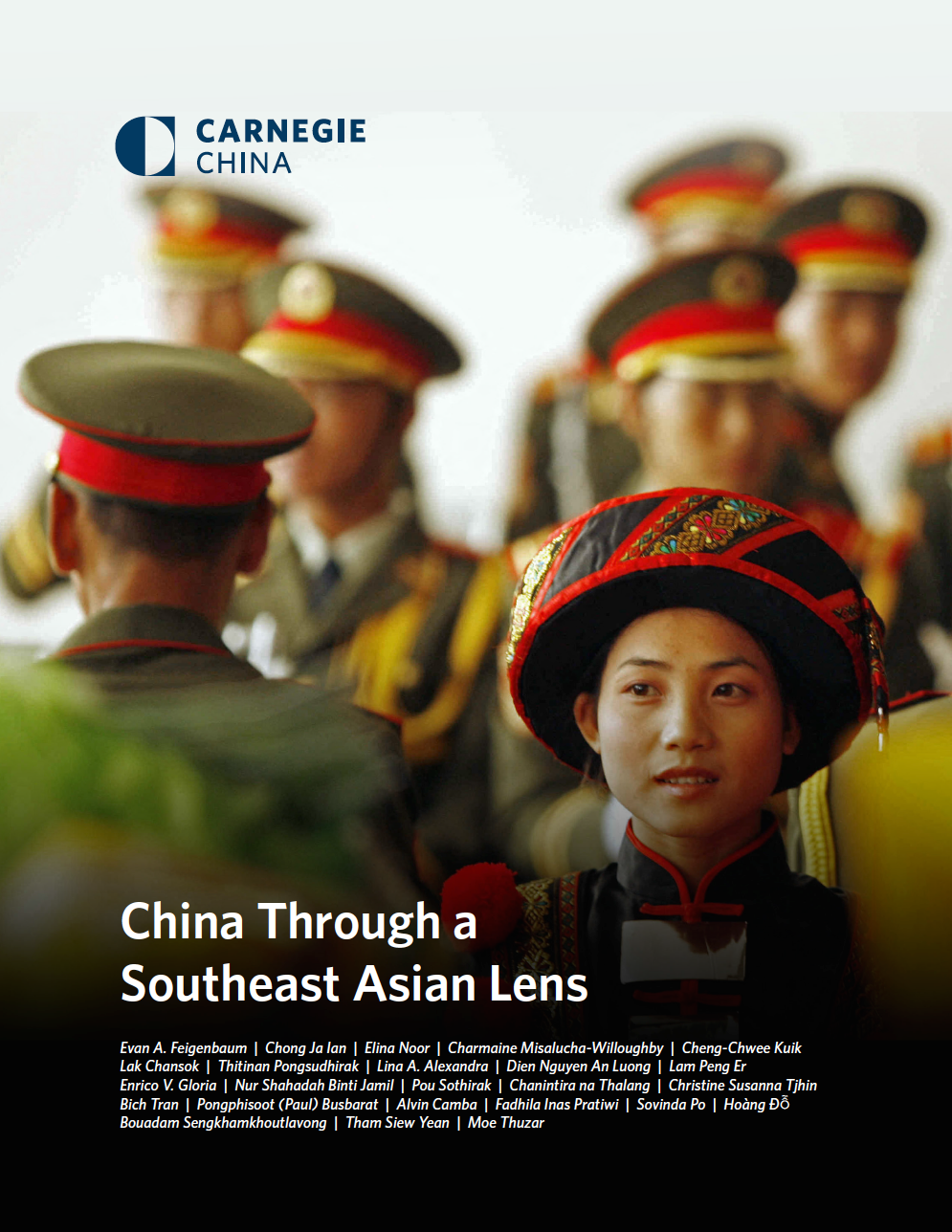
Because strategic, economic, and ideological perceptions of China contain multiple, sometimes contradictory facets in Southeast Asia, receptions of and responses to Beijing diverge across and within state lines.



Evan A. Feigenbaum, Chong Ja Ian, Elina Noor
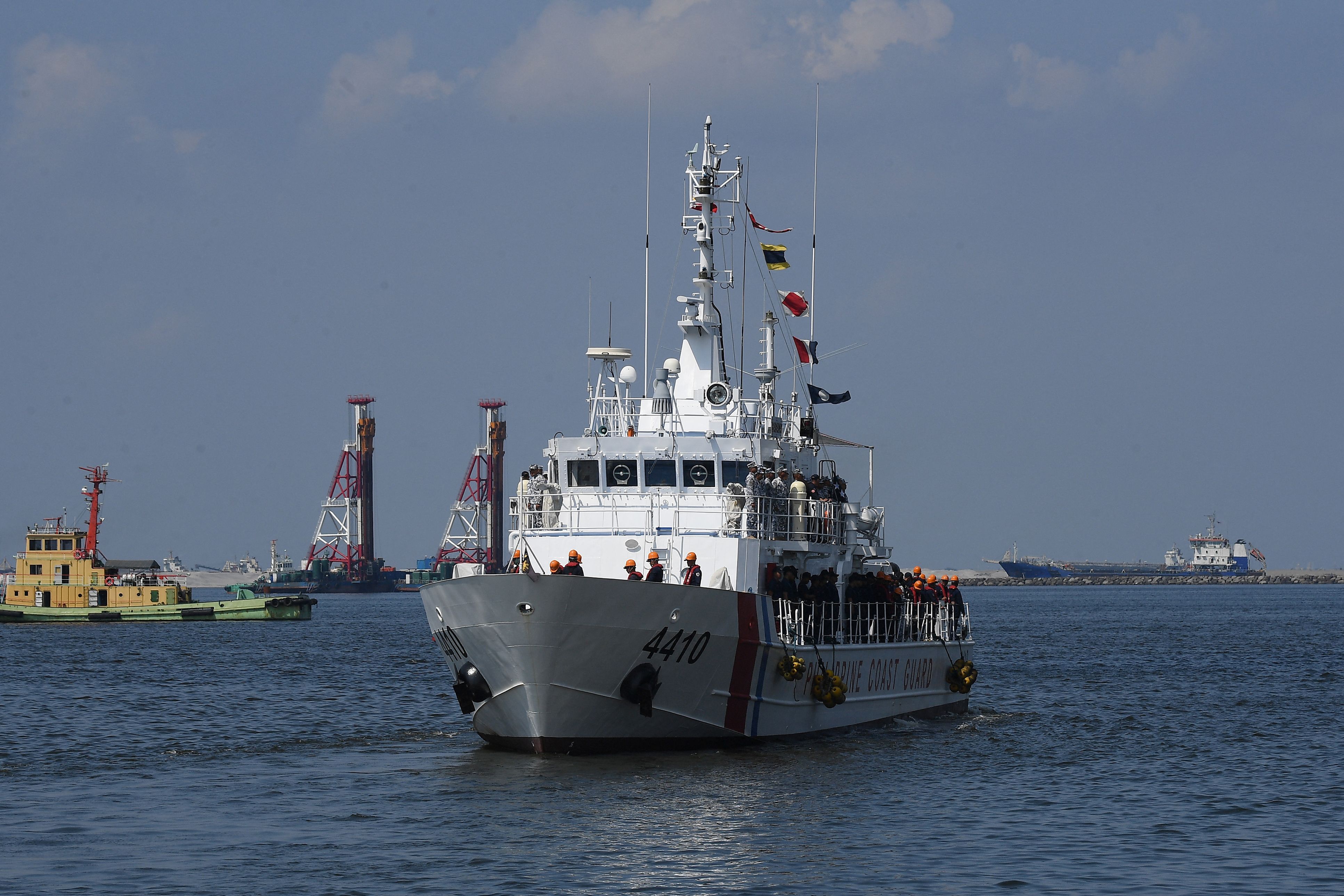
Most Southeast Asian states behave as if the actions of their Northeast Asian neighbors and the Philippines will be sufficient to maintain a regional status quo from which they can benefit.
Chong Ja Ian