


Commentary
Malaysia’s chairmanship sought to fend off short-term challenges while laying the groundwork for minimizing ASEAN’s longer-term exposure to external stresses.
Elina Noor

Source: Carnegie
|
|
A Report by the Russian and Eurasian Program of the Carnegie Endowment for International Peace | |
| Format: Paperback, 52pp. | ||
| Pub Date: December 2000 | ||

U.S.-Russian relations are in a period of change. An Agenda for Renewal: U.S.-Russian Relations, produced by the Russian and Eurasian Program of the Carnegie Endowment, sets out an innovative agenda for the renewal of the U.S.-Russian relationship, based on policies that capitalize on areas of mutual interest and affirm the long-term vision of a Russia integrated into Western economic, political, and security structures.
This report is a product of the Russian and Eurasian Program of the Carnegie Endowment for International Peace. The following persons contributed to it through writing or discussion: Anders Åslund, Thomas Carothers, Thomas Graham, Stephen Holmes, Andrew Kuchins, Anatol Lieven, Michael McFaul, Martha Brill Olcott, and Jon Wolfsthal
Carnegie Endowment for International Peace
December 2000 / c. 52 pp.
Carnegie does not take institutional positions on public policy issues; the views represented herein are those of the author(s) and do not necessarily reflect the views of Carnegie, its staff, or its trustees.

Malaysia’s chairmanship sought to fend off short-term challenges while laying the groundwork for minimizing ASEAN’s longer-term exposure to external stresses.

Elina Noor

For Malaysia, the conjunction that works is “and” not “or” when it comes to the United States and China.
Elina Noor
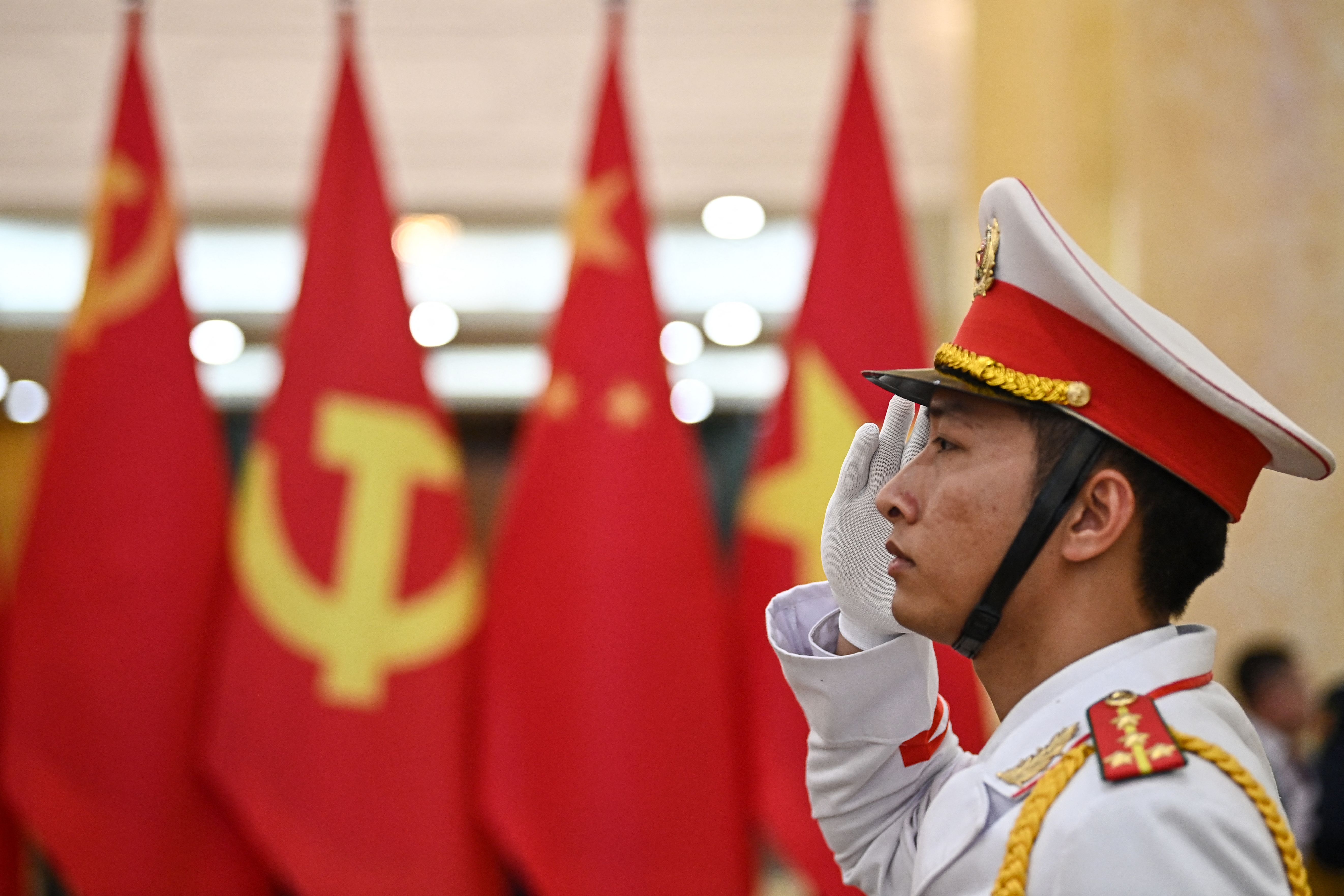
In July 2025, Vietnam and China held their first joint army drill, a modest but symbolic move reflecting Hanoi’s strategic hedging amid U.S.–China rivalry.

Nguyễn Khắc Giang
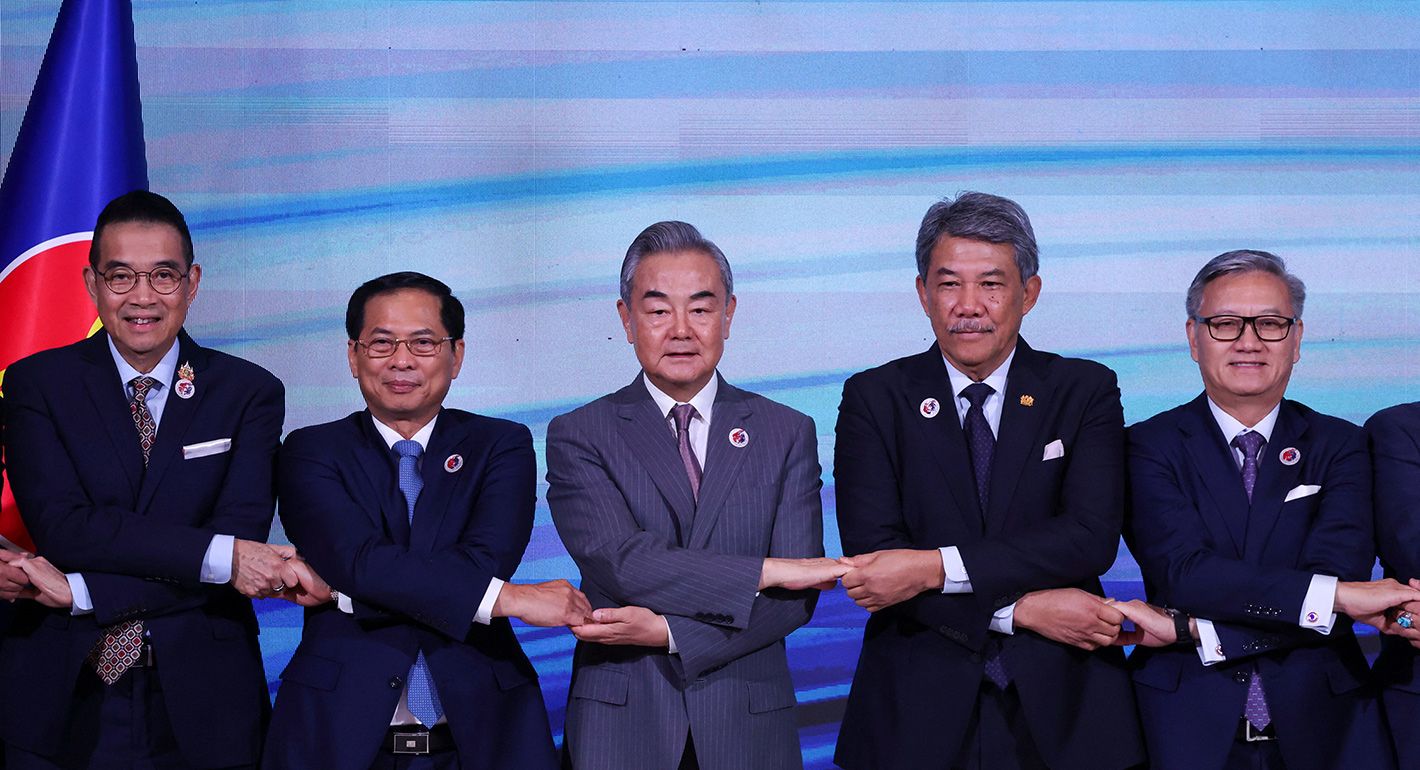
The Thai-Cambodian conflict highlights the limits to China's peacemaker ambition and the significance of this role on Southeast Asia’s balance of power.

Pongphisoot (Paul) Busbarat
Beijing believes that Washington is overestimating its own leverage and its ability to handle the trade war’s impacts.


Rick Waters, Sheena Chestnut Greitens