

Article
Леонид Гозман, Michael McFaul

REQUIRED IMAGE
Source: Carnegie
Summary
A new narrative about post-Soviet Russia is taking hold in policy, media, and academic circles and shows signs of entrenching as a new conventional wisdom. By this reading, Russia's experiment with democracy has flat-out failed. So misconceived and mismanaged were the political and economic reforms of the 1990s that they have fueled mass disenchantment with democratic norms and brought authoritarianism back into repute. Russians, in short, are said to be giving up on democracy.
In this working paper, Timothy J. Colton and Michael McFaul agree that Russian democratic institutions are performing miserably and that leaders, especially since Putin's ascent to power, have done much to compromise and erode democratic practices. Colton and McFaul's findings suggest, however, that the many and obvious limitations of Russia's political system are not caused by, or consistently reinforced by, popular attitudes toward democracy.
Click on link above for full text of this Carnegie Paper.
Former Senior Associate
In addition to his role at Carnegie, McFaul is Peter and Helen Bing Senior Fellow at the Hoover Institution and associate professor of political science at Stanford University.
Recent Work
Леонид Гозман, Michael McFaul
Michael McFaul, Sanja Tatic
Carnegie does not take institutional positions on public policy issues; the views represented herein are those of the author(s) and do not necessarily reflect the views of Carnegie, its staff, or its trustees.
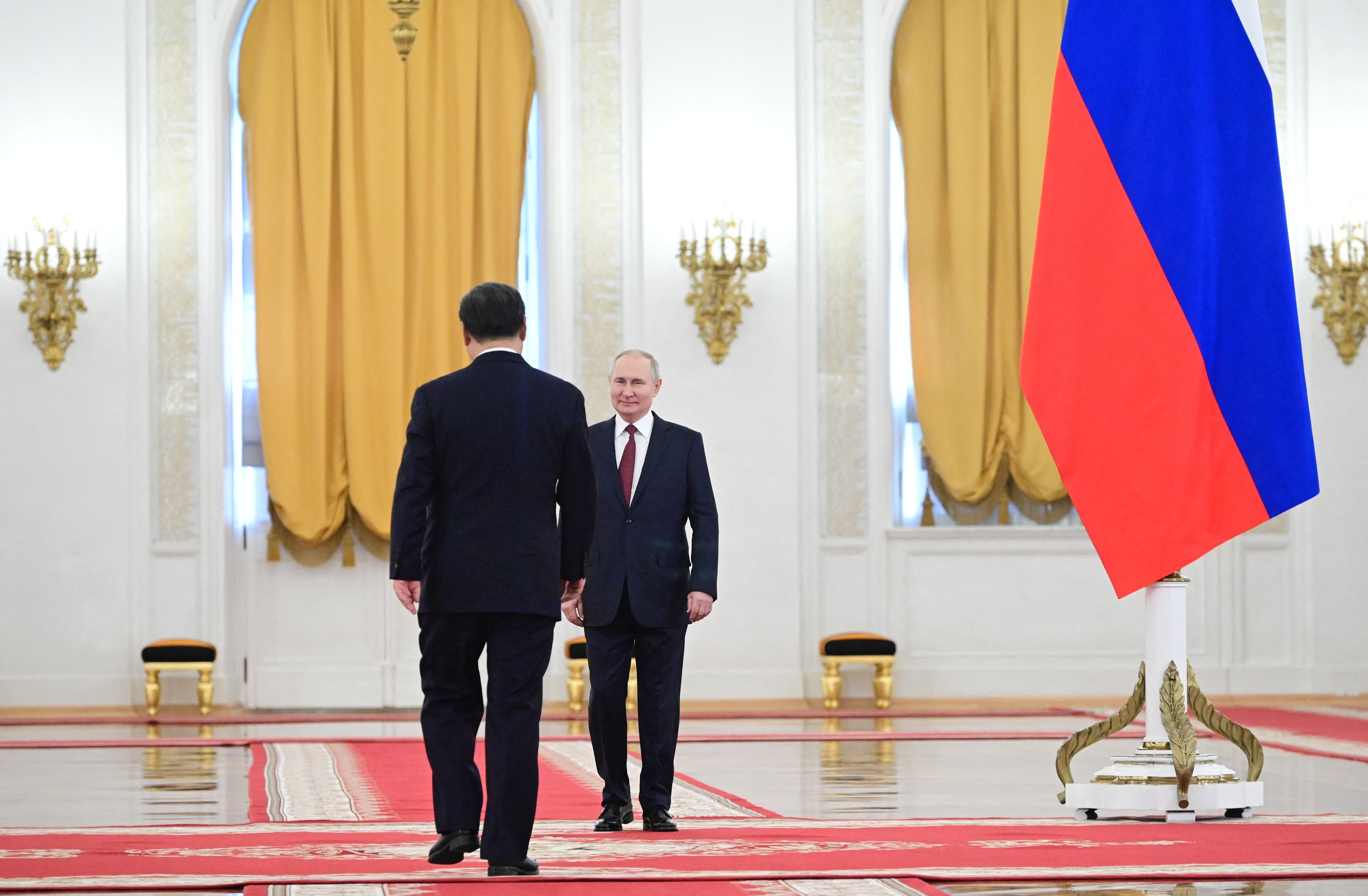
Beijing is trying to navigate the overall situation regarding Ukraine, especially the substance of interactions between Washington and Moscow.

Ellen Nakashima, Zhao Long, Pavlo Klimkin, …
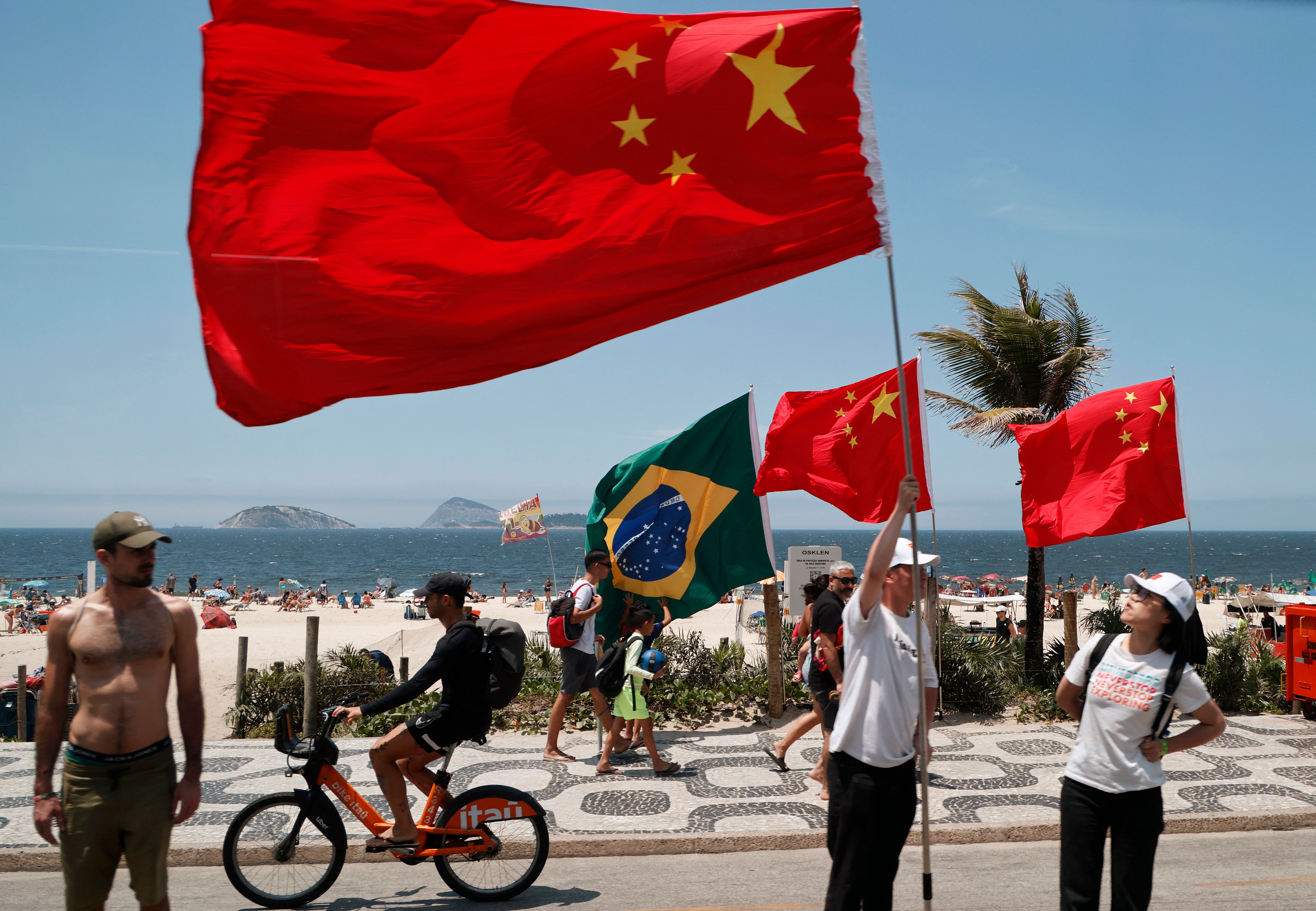
While China will remain a significant political and economic force in the Global South, its ambition to leverage the Global South as a counterbalance to the United States and the Global North is far from assured.

Xue Gong
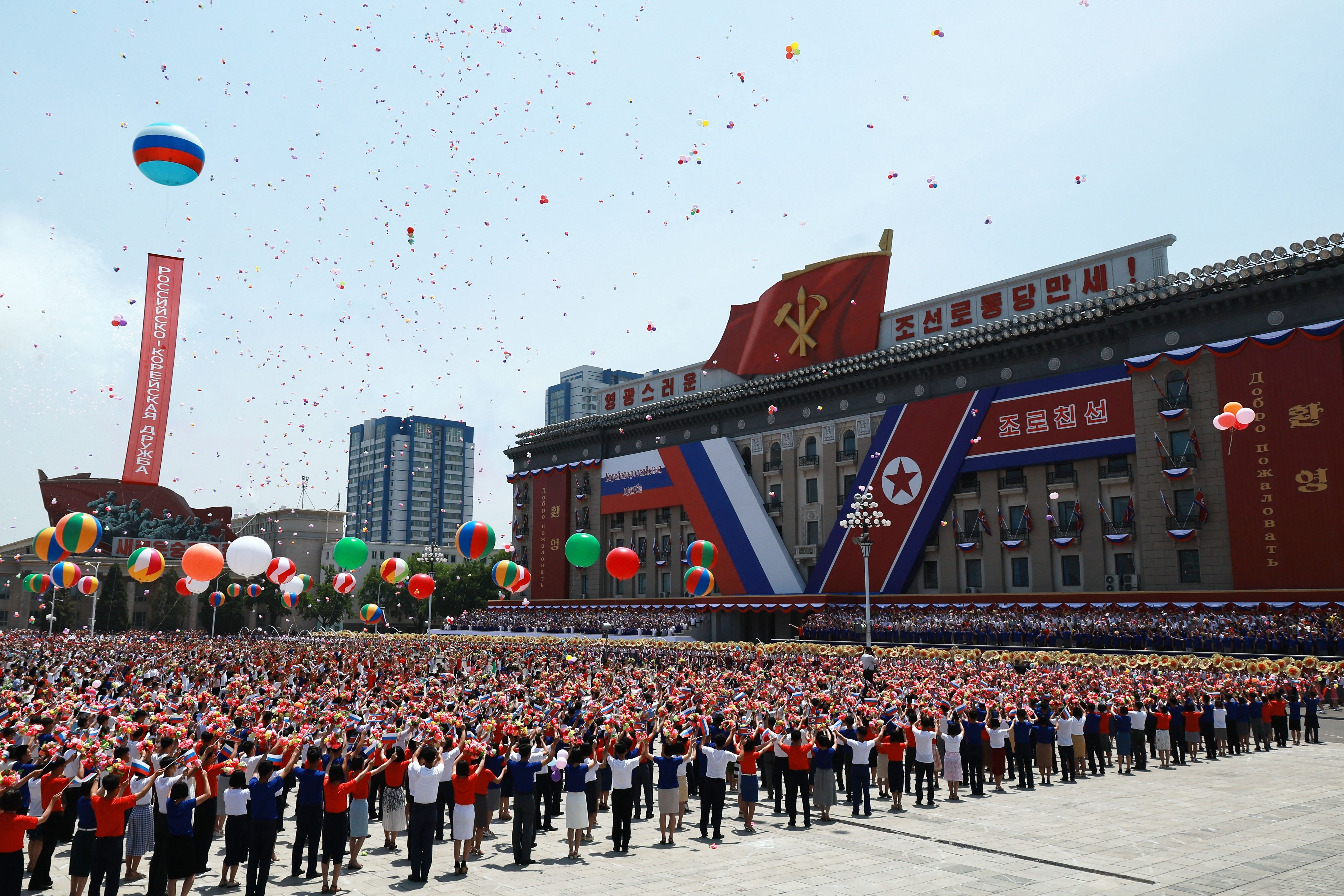
Faced with an increase in strategic maneuvering by Moscow and Pyongyang, Beijing will not sit idly by and allow Putin and Kim to shape the security environment on its behalf.

Tong Zhao
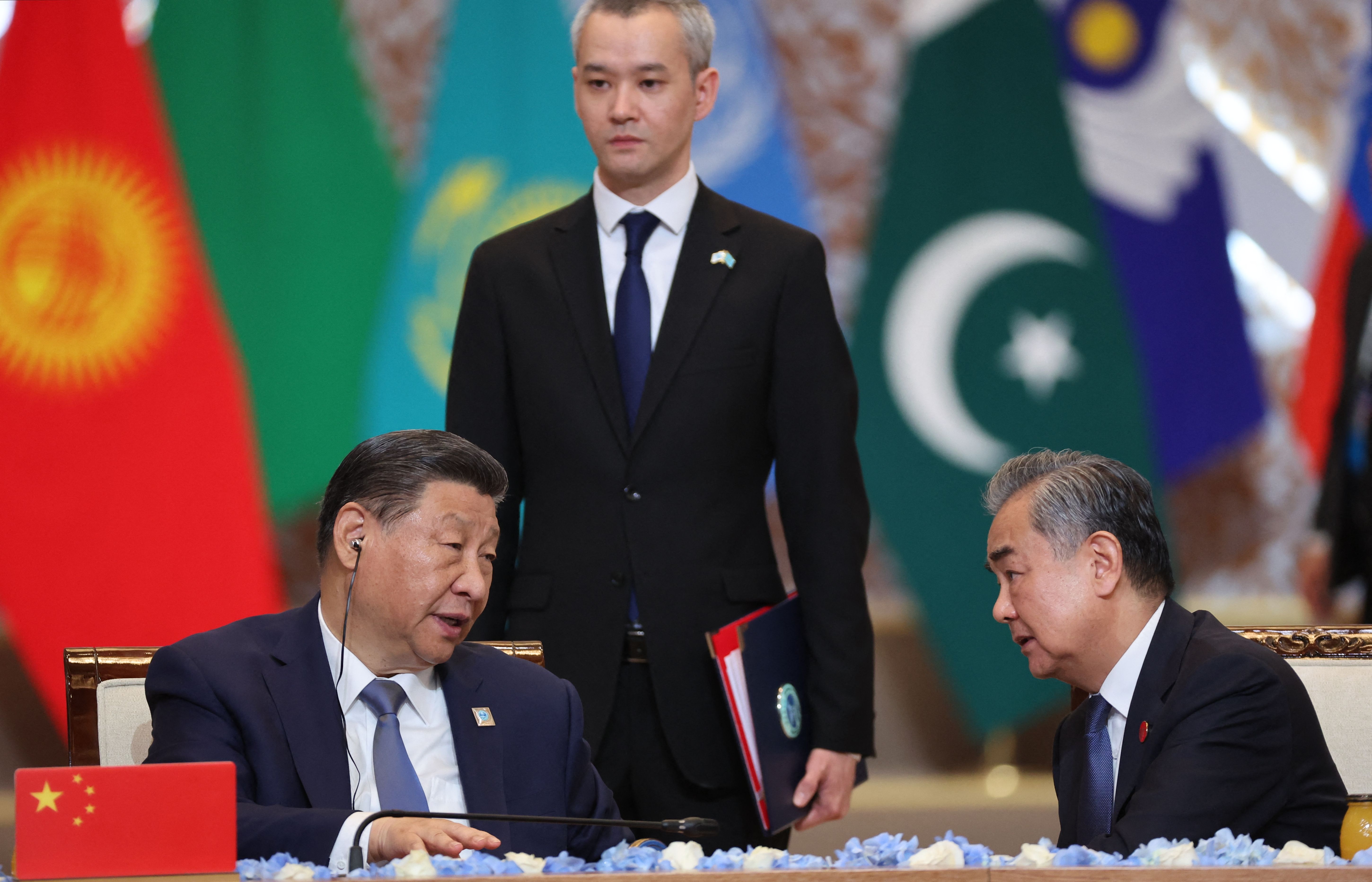
China’s growing attention to Central Asia is perceived as a harbinger of tectonic shifts in regional geopolitics.

Temur Umarov
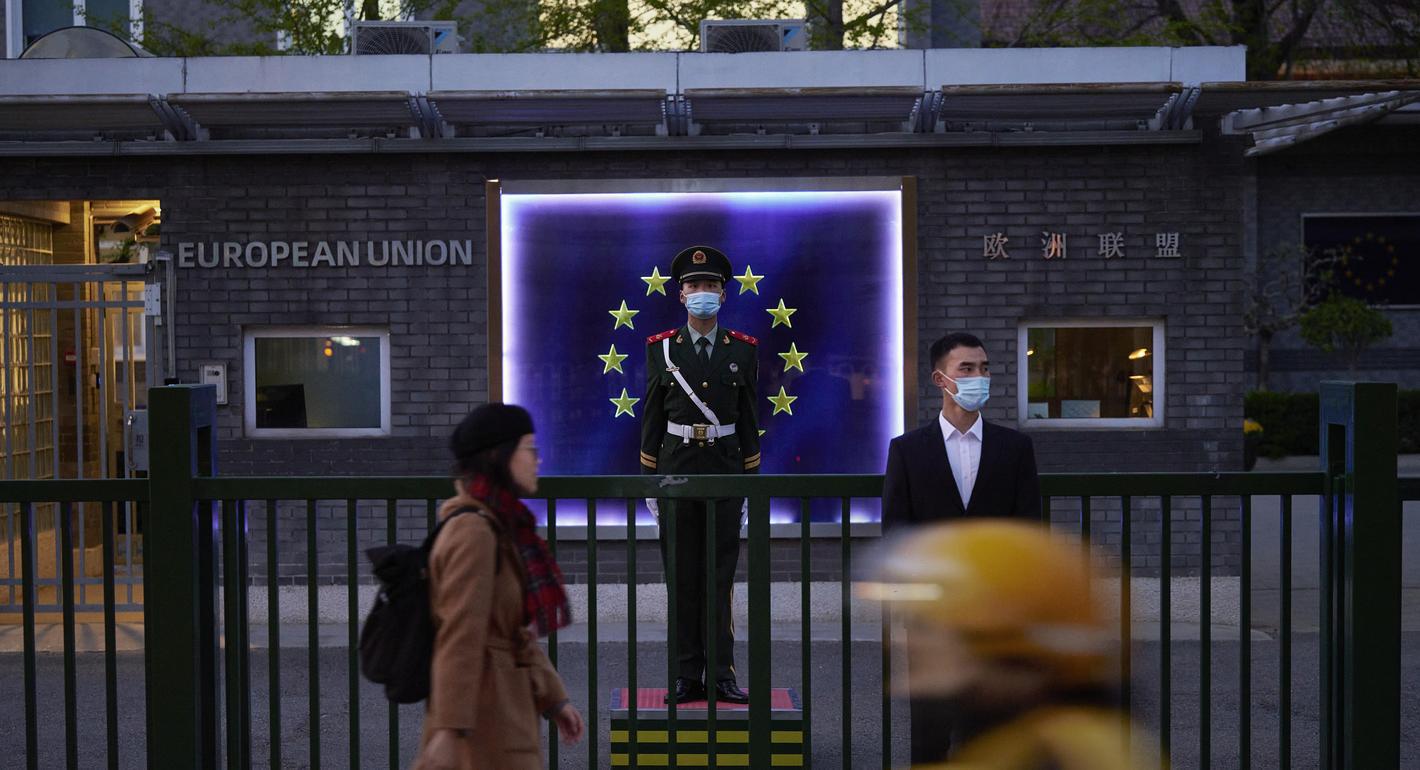
The Russian invasion of Ukraine is a turning point in the EU-China relationship, and evolution of the China-Russia relationship will continue to impact EU-China relations.
Yifan Ding, Alice Ekman