

Commentary
Beijing is trying to navigate the overall situation regarding Ukraine, especially the substance of interactions between Washington and Moscow.
- +1
Ellen Nakashima, Zhao Long, Pavlo Klimkin, …

REQUIRED IMAGE
like virtually all state institutions inherited by the newly cast Russian Federation, the scientific establishment's capacity to provide for basic training and research suffered mightily from the economic collapse of the 1990s. Many to fear the possible death of Russian science.
The Soviet scientific establishment, while not without defects, stood as one of the more solid achievements of the Soviet Union. It was one of the world's largest and possessed world-class strengths in a number of fields, notably theoretical physics and mathematics. But like virtually all state institutions inherited by the newly cast Russian Federation, the scientific establishment's capacity to provide for basic training and research suffered mightily from the economic collapse of the 1990s. Many leading scientists left the country for top positions in the United States, Europe, and elsewhere, while thousands of others simply left science altogether. All of this led many to fear the possible death of Russian science.
This new working paper presents a ten-year perspective (since the fall of the Soviet Union) on changes in the organization and financing of Russian fundamental science and on international support for that science in the same period. Authors Irina Dezhina and Loren Graham assess the impact of international support during these years and suggest ways of continuing and improving that support.
About the Authors
Irina Dezhina is a senior researcher at the Institute for the Economy in Transition in Moscow, Russia.
Loren Graham is professor of the history of science at the Massachusetts Institute of Technology, Cambridge, Massachusetts.
A limited number of print copies are also available.
Request a copy
Graham Loren
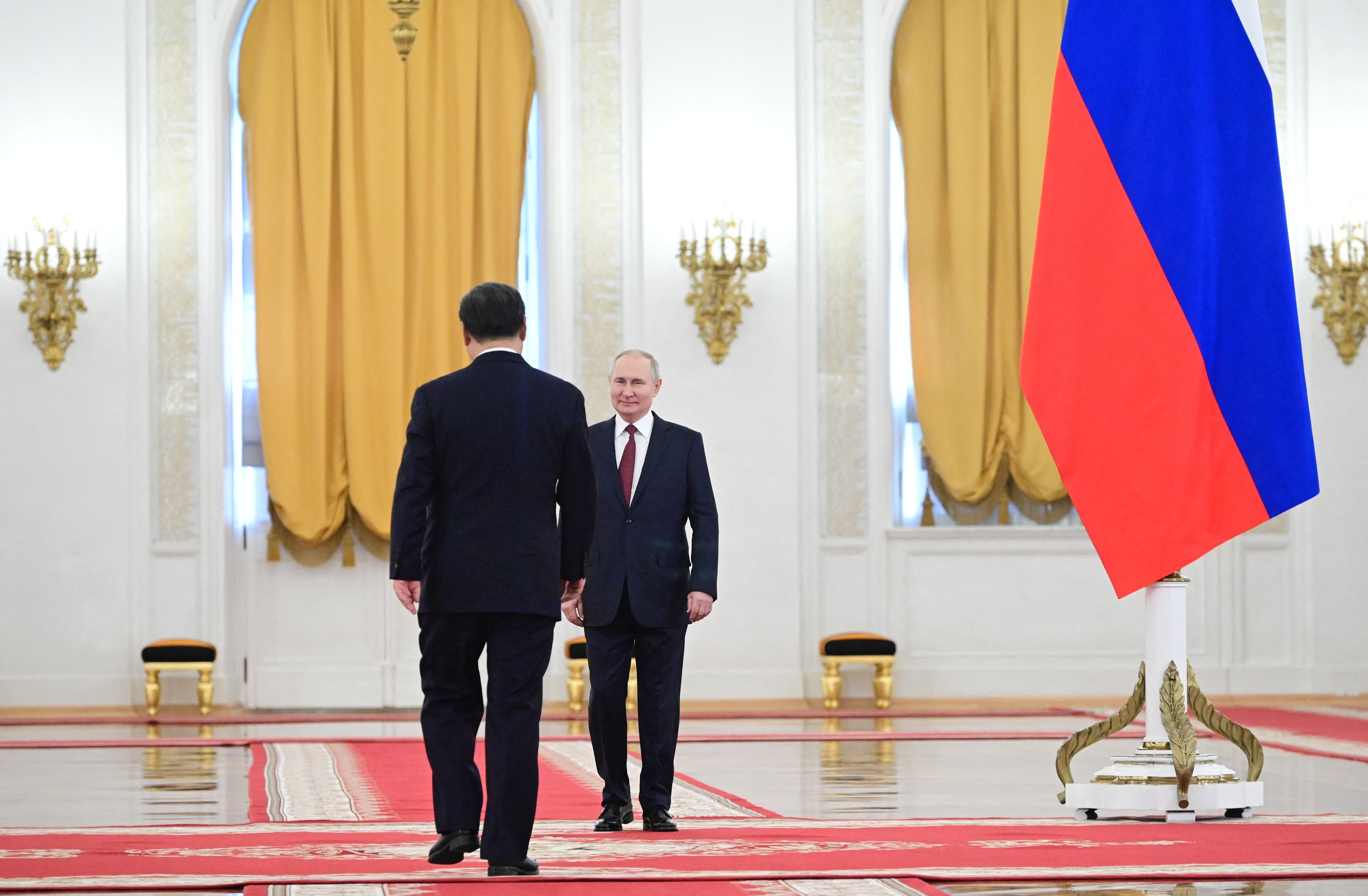
Beijing is trying to navigate the overall situation regarding Ukraine, especially the substance of interactions between Washington and Moscow.

Ellen Nakashima, Zhao Long, Pavlo Klimkin, …
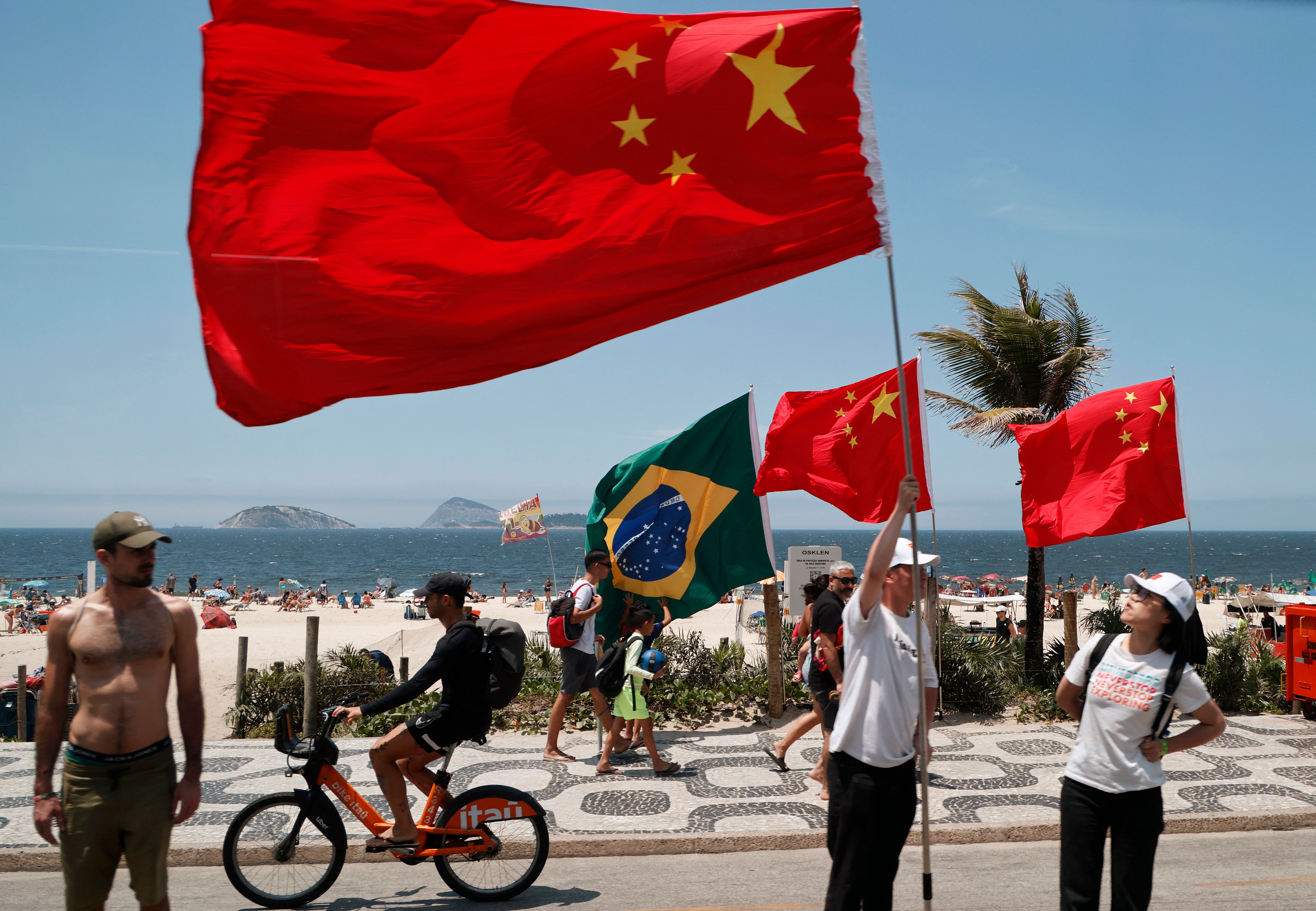
While China will remain a significant political and economic force in the Global South, its ambition to leverage the Global South as a counterbalance to the United States and the Global North is far from assured.

Xue Gong
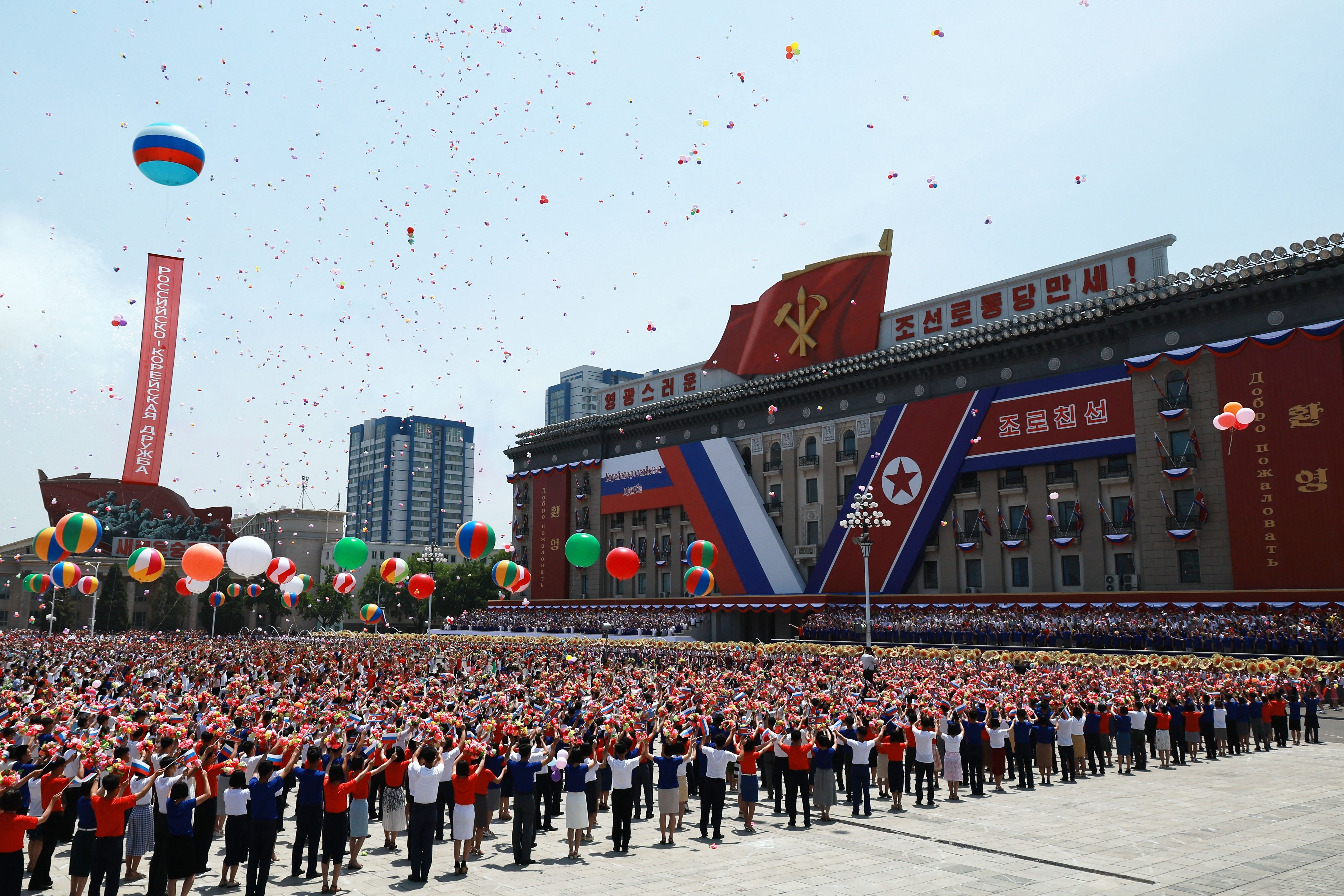
Faced with an increase in strategic maneuvering by Moscow and Pyongyang, Beijing will not sit idly by and allow Putin and Kim to shape the security environment on its behalf.

Tong Zhao
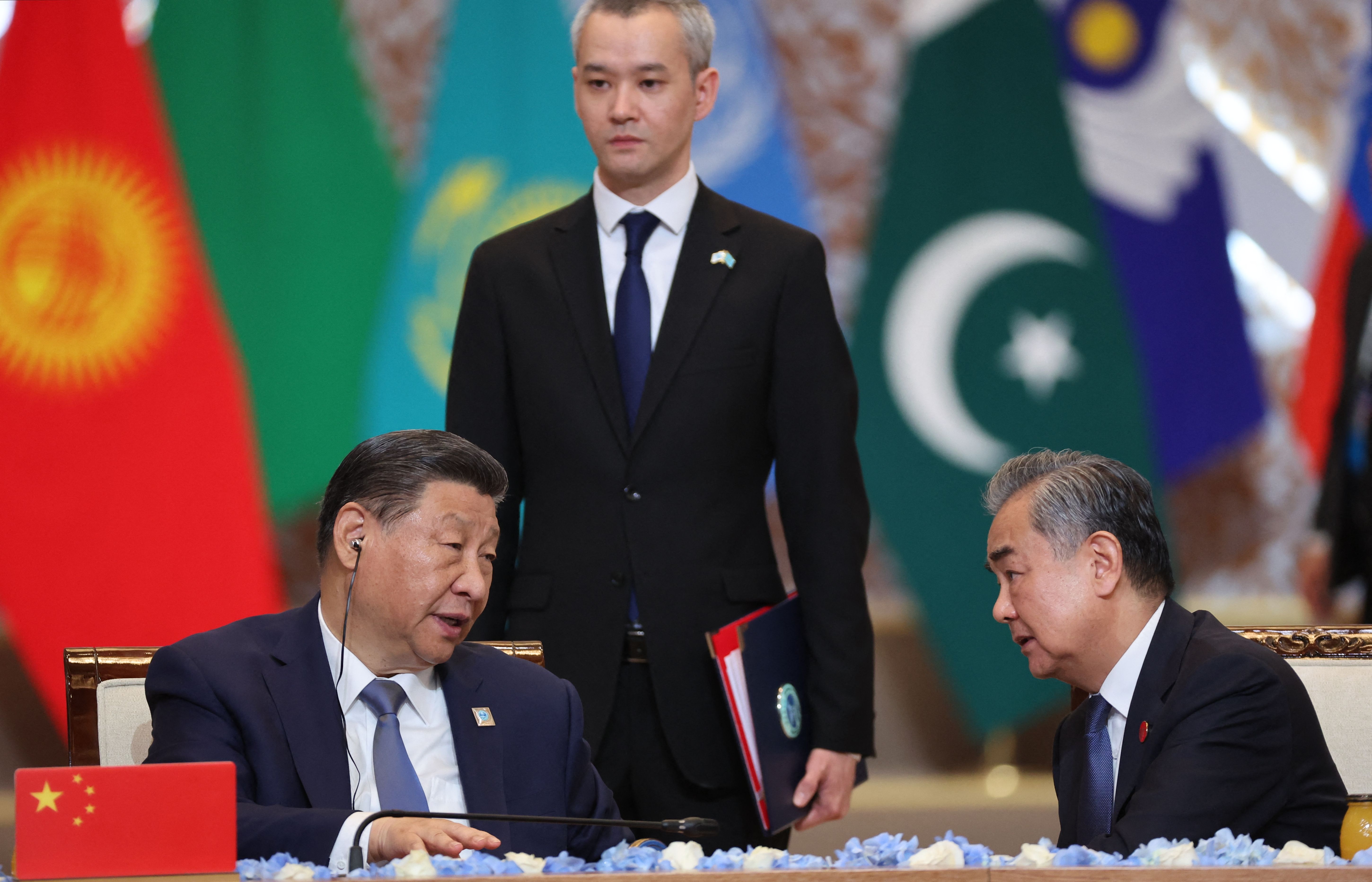
China’s growing attention to Central Asia is perceived as a harbinger of tectonic shifts in regional geopolitics.

Temur Umarov
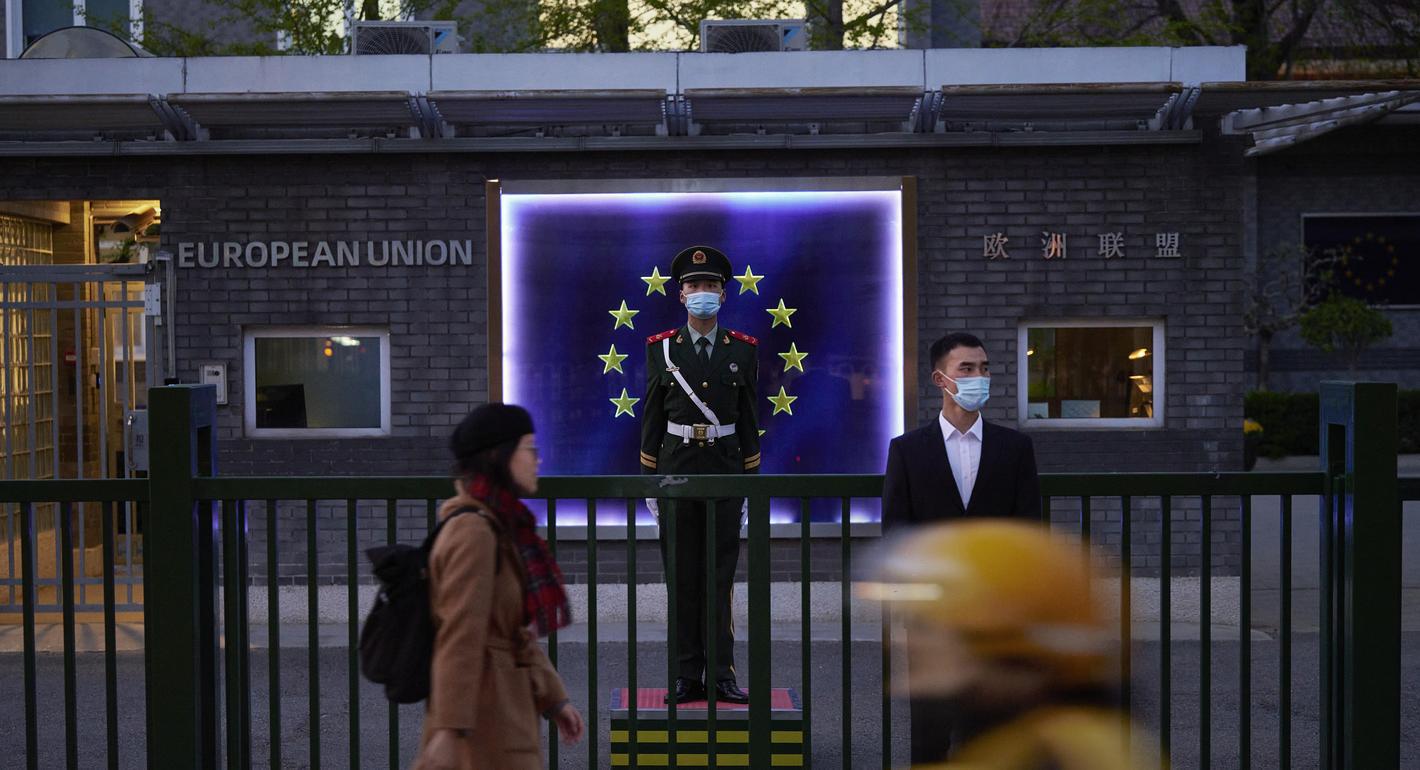
The Russian invasion of Ukraine is a turning point in the EU-China relationship, and evolution of the China-Russia relationship will continue to impact EU-China relations.
Yifan Ding, Alice Ekman