

Commentary
In July 2025, Vietnam and China held their first joint army drill, a modest but symbolic move reflecting Hanoi’s strategic hedging amid U.S.–China rivalry.
Nguyễn Khắc Giang

REQUIRED IMAGE
Source: Carnegie
Summary
The Bush Administration's Nuclear Posture Review, leaked earlier this year, advocates new nuclear weapons designed to destroy underground bunkers and neutralize caches of chemical and biological weapons. A new approach to developing non-nuclear weapons for attacking underground bunkers and chemical and biological weapons is urgently needed. Research currently is too focused on weapons systems to the neglect of intelligence assets, and non-nuclear weapons are not being sufficiently explored. This new working paper compares the potential of new nuclear weapons with that of innovative non-nuclear weapons, demonstrating that proponents of tactical nuclear weapons have consistently overestimated their destructive potential while underestimating the battlefield problems they would pose. The report's comprehensive review of non-nuclear technologies will be of immense assistance to anyone addressing weapons that might be used in a war with Iraq.
Click on link above for full text of this Carnegie Paper.
About the Author
Michael A. Levi is Director of the Strategic Security Project at the Federation of American Scientists. His current research focuses on nuclear weapons development and on nuclear terrorism. He is a doctoral candidate in physics at Princeton University.
Also published by Carnegie, Deadly Arsenals: Tracking Weapons of Mass Destruction provides the most comprehensive assessment available on WMD, and charts the spread of nuclear, chemical, and biological weapons and missile delivery systems. Click here to read an excerpt.
For more information on weapons of mass destruction, visit the Carnegie Endowment's Non-Proliferation Project page.
A limited number of print copies are available of this report.
Request a copy.
Michael A. Levi
Carnegie does not take institutional positions on public policy issues; the views represented herein are those of the author(s) and do not necessarily reflect the views of Carnegie, its staff, or its trustees.
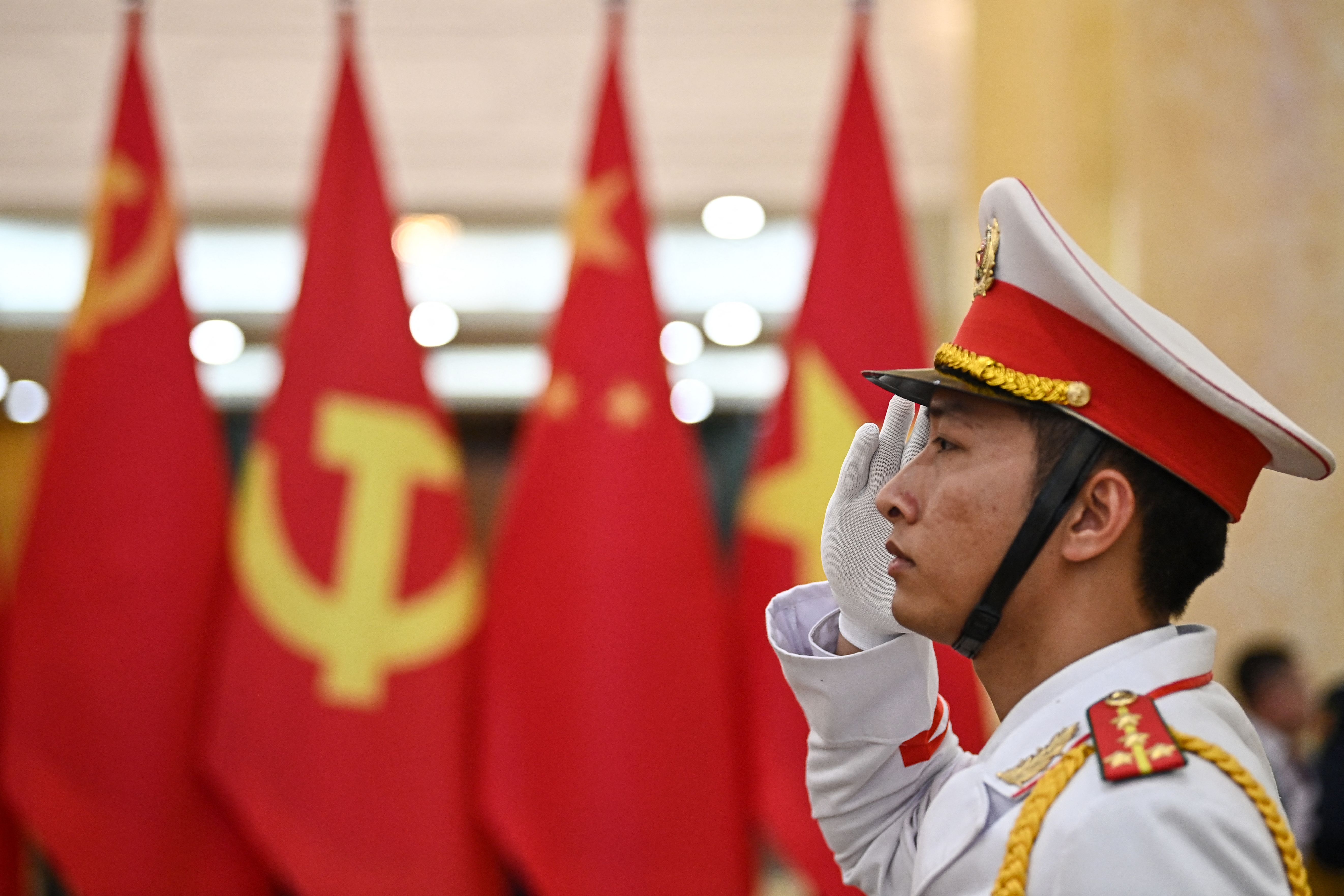
In July 2025, Vietnam and China held their first joint army drill, a modest but symbolic move reflecting Hanoi’s strategic hedging amid U.S.–China rivalry.

Nguyễn Khắc Giang

Most Southeast Asian states behave as if the actions of their Northeast Asian neighbors and the Philippines will be sufficient to maintain a regional status quo from which they can benefit.

Chong Ja Ian
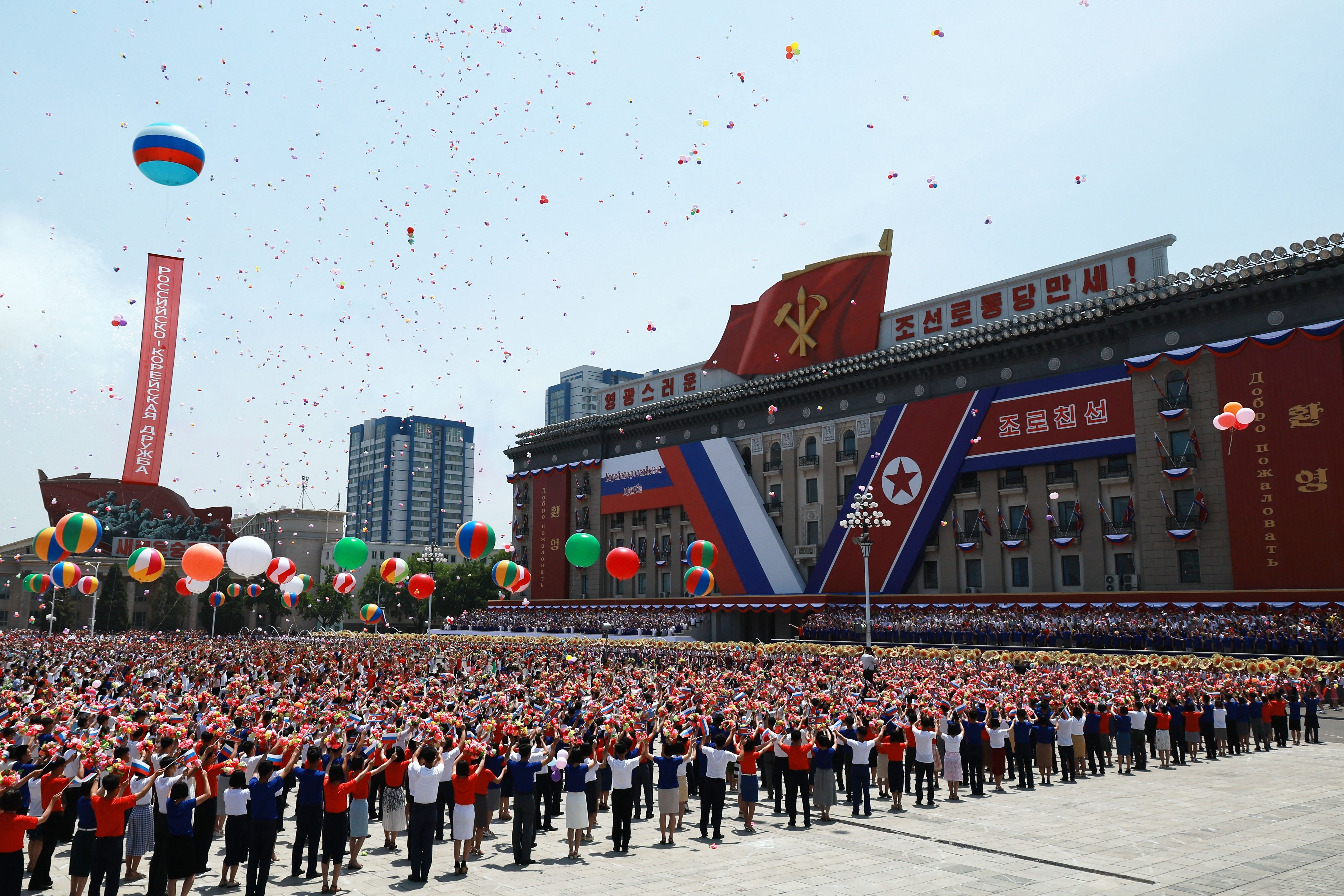
Faced with an increase in strategic maneuvering by Moscow and Pyongyang, Beijing will not sit idly by and allow Putin and Kim to shape the security environment on its behalf.

Tong Zhao
China views U.S. missile defense as posing a greater potential threat to China’s nuclear deterrent than other U.S. military capabilities.
Tong Zhao, Dmitry Stefanovich
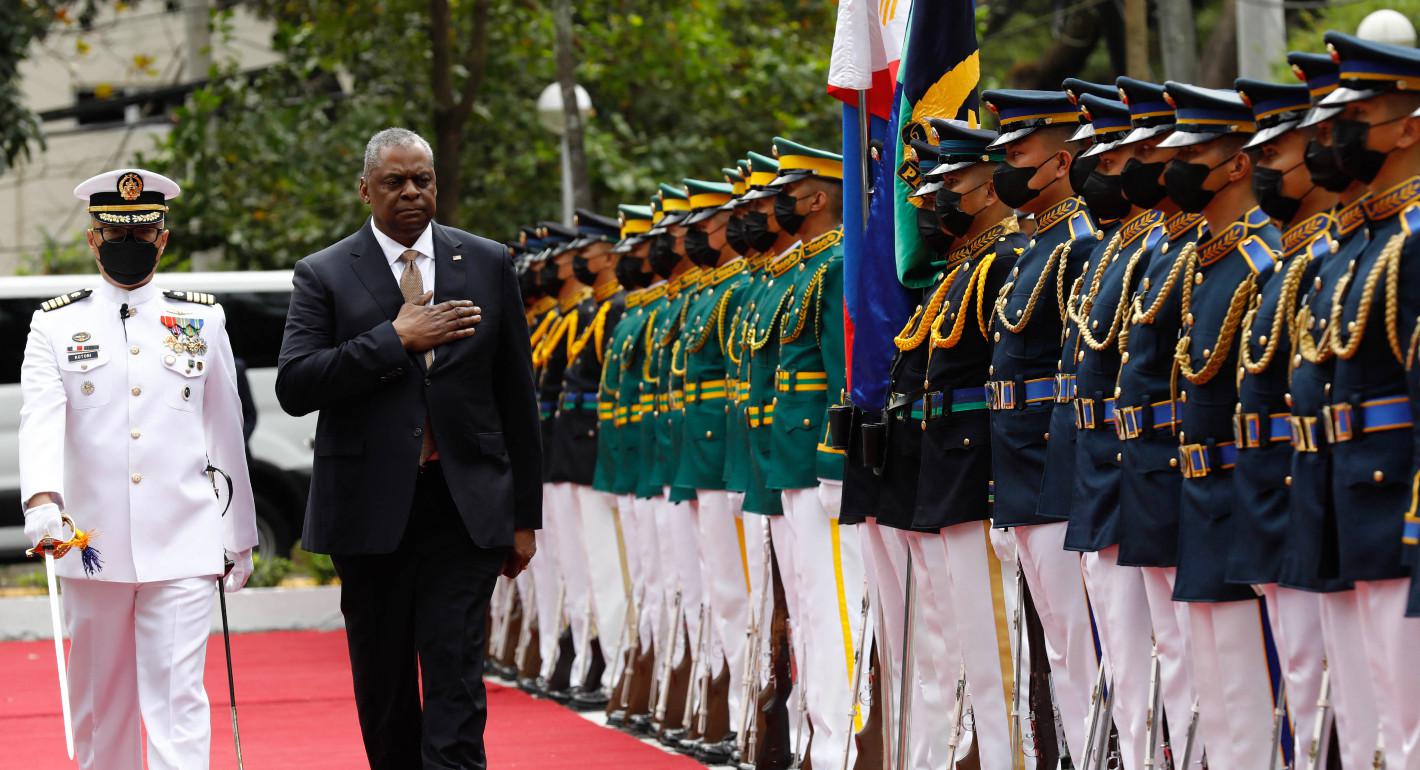
Blinken’s Beijing visit will be seen through a security lens, but Washington should separate its alliance from Manila from its calculations around China.

Charmaine Misalucha-Willoughby