

Article
China has showcased its engineering prowess with small modular reactor demonstration projects. But turning these technological achievements into commercial success will be a greater challenge.
Tong Zhao
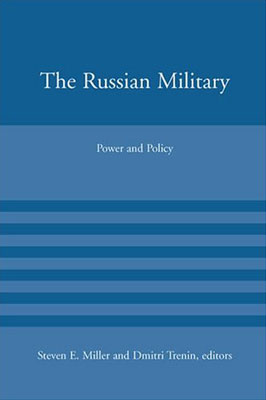
This book assesses today's Russian military and analyzes its possible future direction.
Source: American Academy Studies in Global Security

For more than a decade, Russian leaders have struggled to formulate security and defense policies that protect Russia's borders and project Russia's influence. The contributors to The Russian Military find that the choices Russian leaders have made have been significantly influenced by the military reforms Russia has attempted to implement since the collapse of the Soviet Union. The protracted and intense debate over military reform has been--and will continue to be--decisive in shaping Russian military capacity.
Read selected chapters by Carnegie contributors, at right. Additional sections are available at the American Academy of Arts and Sciences web site. Copyright 2004 American Academy of Arts and Sciences.
About the Editors
Steven E. Miller is editor-in-chief of International Security and director of the International Security Program of BCSIA.
Dmitri V. Trenin is deputy director of the Carnegie Moscow Center, where he specializes in foreign and security policy. He is the author of Russia's Restless Frontier: The Chechnya Factor in Post-Soviet Russia, The End of Eurasia: Russia on the Border Between Geopolitics and Globalization and coeditor of Ambivalent Neighbors: The EU, NATO and the Price of Membership.
Reviews
"This first-rate set of essays is a timely and remarkably comprehensive assessment of the contemporary state of the Russian military. It deserves the attention not only of those interest in military affairs, but also those concerned with political and economic developments in Russia."
—Lieutenant General William Odom (U.S. Army, Ret.), Senior Fellow, Hudson Institute
"This is the best collection of both contributors and contributions that I have seen on this subject."
—Brigadier General John C. Reppert (U.S. Army, Ret.), Dean of the College of International and Security Studies, Germany
"This book is a path-breaking contribution to our understanding of Russia."
—International Affairs
Former Director, Carnegie Moscow Center
Trenin was director of the Carnegie Moscow Center from 2008 to early 2022.
Steven E. Miller
Steven E. Miller is the director of the International Security Program at Harvard University’s Belfer Center for Science and International Affairs.
Carnegie does not take institutional positions on public policy issues; the views represented herein are those of the author(s) and do not necessarily reflect the views of Carnegie, its staff, or its trustees.
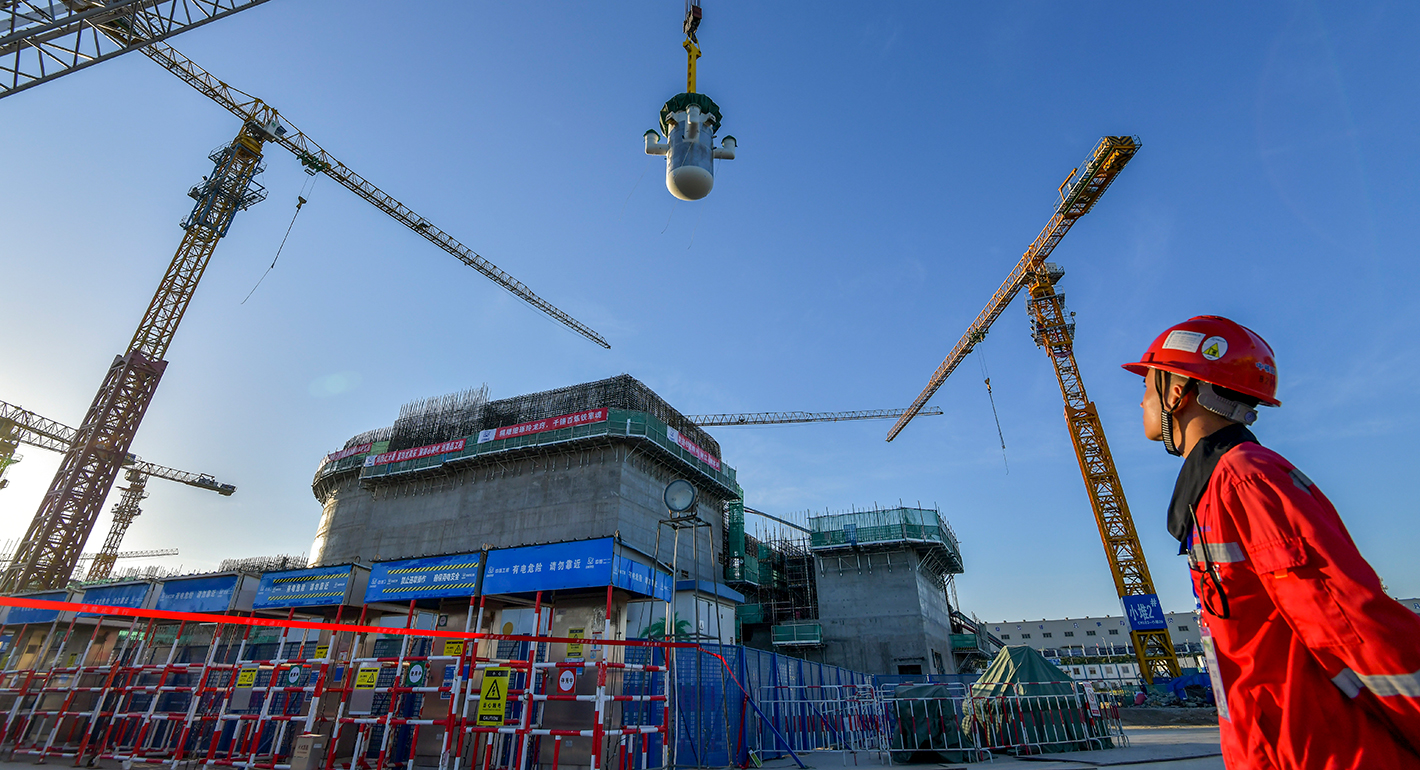
China has showcased its engineering prowess with small modular reactor demonstration projects. But turning these technological achievements into commercial success will be a greater challenge.

Tong Zhao

The nuclear relationship between China and the United States is increasingly shaped by widening perception gaps rather than deliberate strategic design.
Tong Zhao
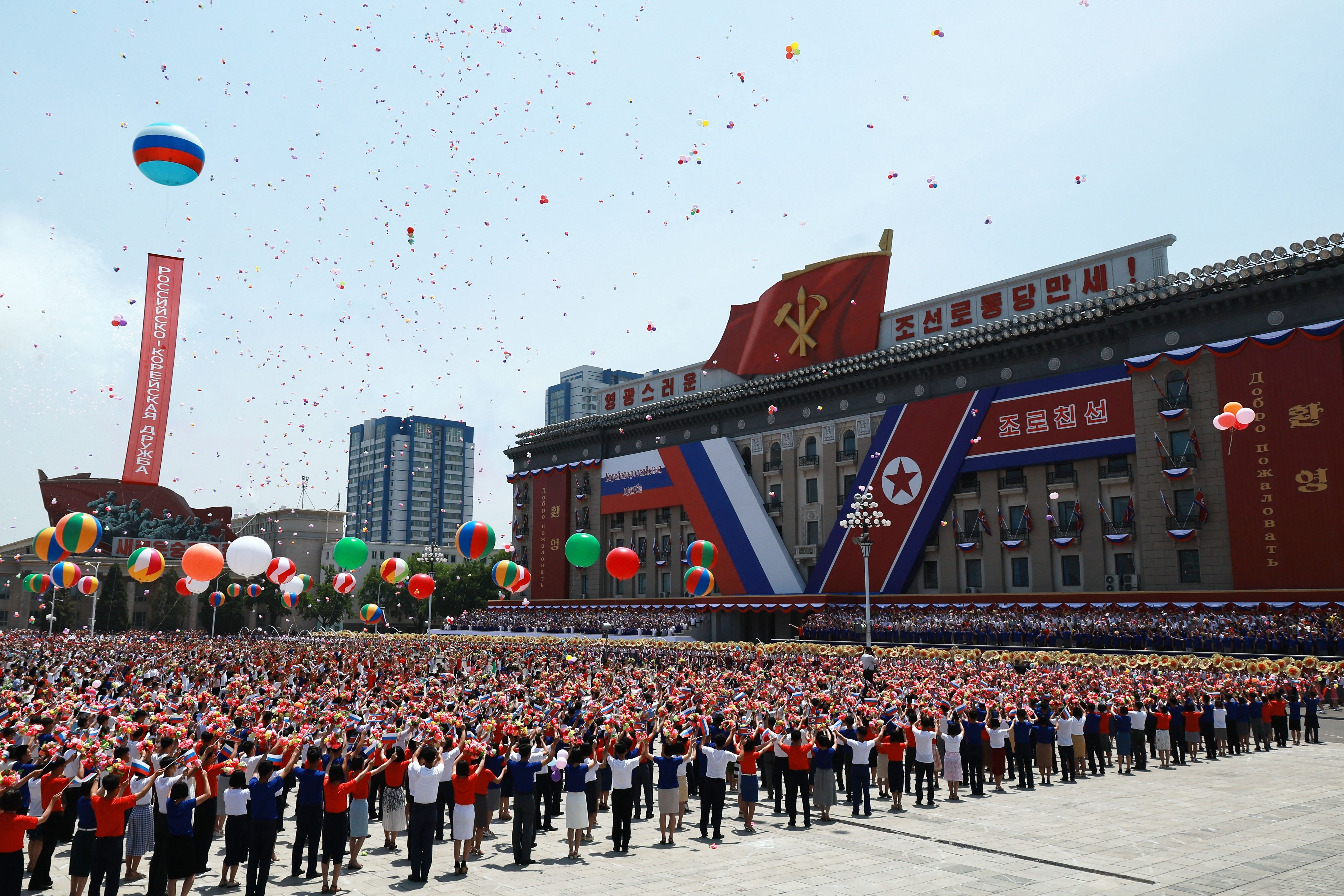
Faced with an increase in strategic maneuvering by Moscow and Pyongyang, Beijing will not sit idly by and allow Putin and Kim to shape the security environment on its behalf.
Tong Zhao

China views U.S. missile defense as posing a greater potential threat to China’s nuclear deterrent than other U.S. military capabilities.
Tong Zhao, Dmitry Stefanovich
There are certainly other issues among other P5 countries, but the U.S.-China competition is so by far the most consequential great power rivalry in the international system, and it has very far-reaching geopolitical implications at and beyond the Pacific region.
Tong Zhao